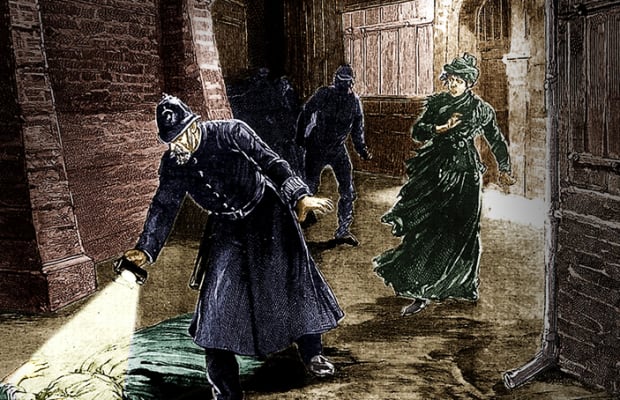
Victorian London’s Darkest Secret: The Jack the Ripper Murders

risingtideproject.org – The Jack the Ripper murders, a series of brutal killings that took place in the East End of London in 1888, remain one of the most infamous and chilling chapters in the annals of crime history. These murders, attributed to an unknown assailant who became known as “Jack the Ripper,” have captivated the public imagination for over a century, spawning countless theories, books, and films. Yet, despite the passage of time, the identity of the Ripper remains one of Victorian London’s darkest secrets.

The Murders

The first of the canonical five murders attributed to Jack the Ripper occurred on August 31, 1888, with the killing of Mary Ann Nichols. Over the next few months, four more women, all prostitutes, were brutally murdered: Annie Chapman, Elizabeth Stride, Catherine Eddowes, and Mary Jane Kelly. The savagery of the murders, characterized by throat slashing and extensive abdominal mutilations, suggested the work of a single, deranged individual.

The Investigation

The Metropolitan Police, under intense public and political pressure, conducted one of the largest manhunts in history. Despite employing new forensic techniques and receiving hundreds of tips, including several letters purportedly from the Ripper himself, the investigation yielded no definitive suspect. The most famous of these communications, the “From Hell” letter, came with half of a kidney supposedly taken from one of the victims, Catherine Eddowes.

Theories and Suspects

Over the years, numerous theories and suspects have been proposed. These range from members of the British royal family to prominent physicians, reflecting the Victorian era’s class tensions and fears of social degeneration. However, none of these theories have been conclusively proven, and the identity of Jack the Ripper remains a mystery.

The Impact on Society

The Jack the Ripper murders had a profound impact on Victorian society, highlighting issues of poverty, public health, and the treatment of women. The East End of London, already notorious for its slums and overcrowding, became synonymous with danger and depravity. The murders also led to significant changes in policing, including the establishment of the first detective branch in the Metropolitan Police.

Conclusion

The Jack the Ripper murders continue to fascinate and horrify, serving as a grim reminder of the dark side of human nature. As the 1888 Whitechapel fog has long since lifted, the mystery of Jack the Ripper endures, a Victorian London secret that may never be fully unraveled. The case remains open, a testament to the enduring power of a story that combines the fear of the unknown with the allure of the unsolved.
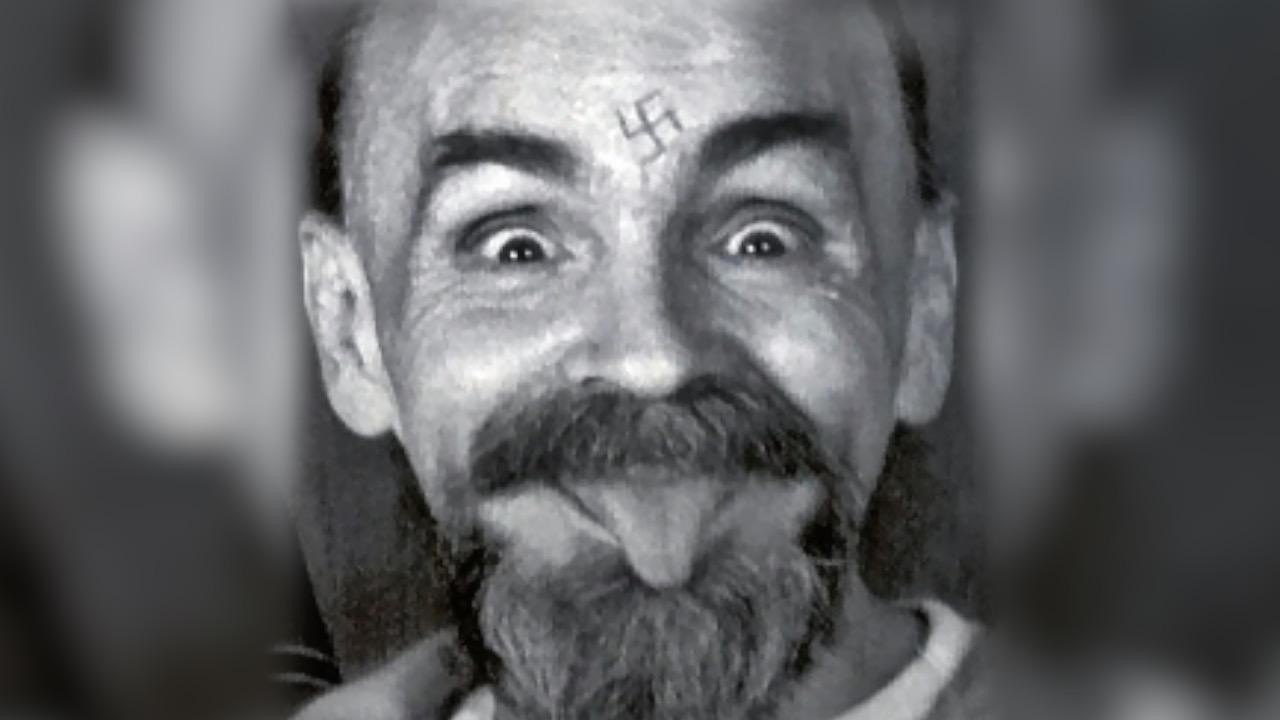
True Crime Story of Brainwashing and Murder: The Cult of Death

risingtideproject.org – In the annals of true crime, few stories are as chilling and perplexing as those involving cults, where charismatic leaders manipulate and brainwash their followers into committing unthinkable acts. One such case that has captured the public’s imagination and horror is the story of the Cult of Death, a group that became synonymous with a dark chapter in criminal history. This article delves into the disturbing tale of how a charismatic leader brainwashed his followers and led them down a path of murder and mayhem.

The Cult of Death was founded by a man known to his followers as “The Prophet.” Little is known about his early life, but it is believed that he had a background in psychology and was well-versed in the art of persuasion and manipulation. Using his knowledge, he began to attract a group of followers who were seeking answers to life’s big questions. He promised them enlightenment, a sense of belonging, and a purpose in life that they felt was missing.

As the cult grew, so did The Prophet’s control over his followers. He began to isolate them from the outside world, cutting off contact with their families and friends. He controlled every aspect of their lives, from what they ate to what they read and thought. He instilled a deep fear of the outside world, convincing them that only within the cult could they find salvation.

The brainwashing techniques used by The Prophet were sophisticated and effective. He employed a combination of sleep deprivation, repetitive chanting, and a strict hierarchy within the cult to keep his followers in a constant state of dependency and obedience. He also introduced a dangerous ideology that glorified death as a means to achieve a higher state of being.

The Cult of Death’s beliefs became increasingly extreme, and it wasn’t long before they turned violent. The first murder was that of a former follower who had tried to leave the cult. The Prophet convinced his followers that this person was a traitor and a threat to their mission. The murder was carried out in a ritualistic manner, with the followers believing they were sending the victim to a higher plane of existence.

Emboldened by their first act of violence, the cult became more brazen. They began to target individuals they deemed as enemies, whether they were perceived threats or simply random victims chosen to satisfy their twisted ideology. The murders were always carried out in a ritualistic manner, with the cult members believing they were performing sacred acts.

The authorities struggled to dismantle the Cult of Death. The followers were fiercely loyal to The Prophet and refused to cooperate with investigators. It wasn’t until a former member, who had managed to escape the cult’s clutches, came forward with crucial information that the police were able to make a breakthrough.

The raid on the cult’s compound was a tense and dangerous operation. The followers were armed and ready to defend their beliefs to the death. In the end, The Prophet and several of his followers were killed in a standoff with the police, while others were arrested and later stood trial for their crimes.

The trial of the Cult of Death members revealed the extent of the brainwashing and manipulation they had endured. Experts testified about the psychological tactics used by The Prophet to control his followers, and the court heard harrowing accounts of life within the cult.

The Cult of Death’s legacy is one of tragedy, loss, and a stark reminder of the power of persuasion and the dangers of unchecked charismatic leadership. The story serves as a cautionary tale about the importance of critical thinking, the value of questioning authority, and the need to remain vigilant against those who would exploit our deepest fears and desires for their own twisted ends.