Perawatan Bulu Minipom: Menjaga Mantel Mereka Tetap Indah dan Berkilau

Merawat bulu Miniature Pomeranian (Minipom) memerlukan perhatian dan rutinitas khusus untuk memastikan mantel mereka tetap indah dan berkilau. Berikut medusa88 login adalah beberapa langkah penting yang dapat Anda lakukan untuk menjaga keindahan bulu mereka.

Pertama, sikat bulu Minipom secara rutin. Bulu mereka yang tebal dan berlapis ganda cenderung mudah kusut dan berdebu. Gunakan sikat yang sesuai, seperti sikat bulu halus atau sikat pin, dan lakukan penyikatan setidaknya dua hingga tiga kali seminggu. Penyikatan yang teratur membantu menghilangkan bulu mati, mengurangi kusut, dan mendistribusikan minyak alami kulit, yang menjaga bulu tetap sehat dan berkilau.

Kedua, mandikan Minipom secara teratur namun tidak terlalu sering. Mandikan mereka setiap satu hingga dua bulan sekali, atau sesuai kebutuhan jika mereka kotor. Gunakan sampo khusus anjing yang lembut untuk menjaga kelembapan alami kulit mereka. Pastikan Anda membilas bulu dengan bersih untuk menghindari residu sampo yang dapat menyebabkan iritasi.

Ketiga, keringkan bulu mereka dengan hati-hati setelah mandi. Gunakan handuk untuk menghilangkan kelebihan air, dan keringkan dengan pengering rambut pada suhu rendah. Pastikan bulu benar-benar kering untuk mencegah kulit lembab yang bisa menyebabkan infeksi.

Keempat, perhatikan diet mereka. Nutrisi yang baik berkontribusi pada kesehatan bulu. Berikan makanan berkualitas tinggi yang kaya akan asam lemak omega-3 dan omega-6 untuk mendukung kilau dan kesehatan bulu mereka.

Terakhir, periksa dan bersihkan telinga serta potong kuku mereka secara rutin. Kesehatan telinga dan kuku juga berperan dalam kenyamanan dan kesehatan keseluruhan Minipom.

Dengan perawatan yang tepat, bulu Minipom Anda akan tetap terlihat menawan dan terawat. Rutinitas perawatan ini tidak hanya menjaga penampilan mereka, tetapi juga meningkatkan ikatan Anda dengan sahabat kecil ini, memastikan mereka merasa dicintai dan terjaga setiap hari.

The Masters of Disguise: Exploring the World of Stick Insects

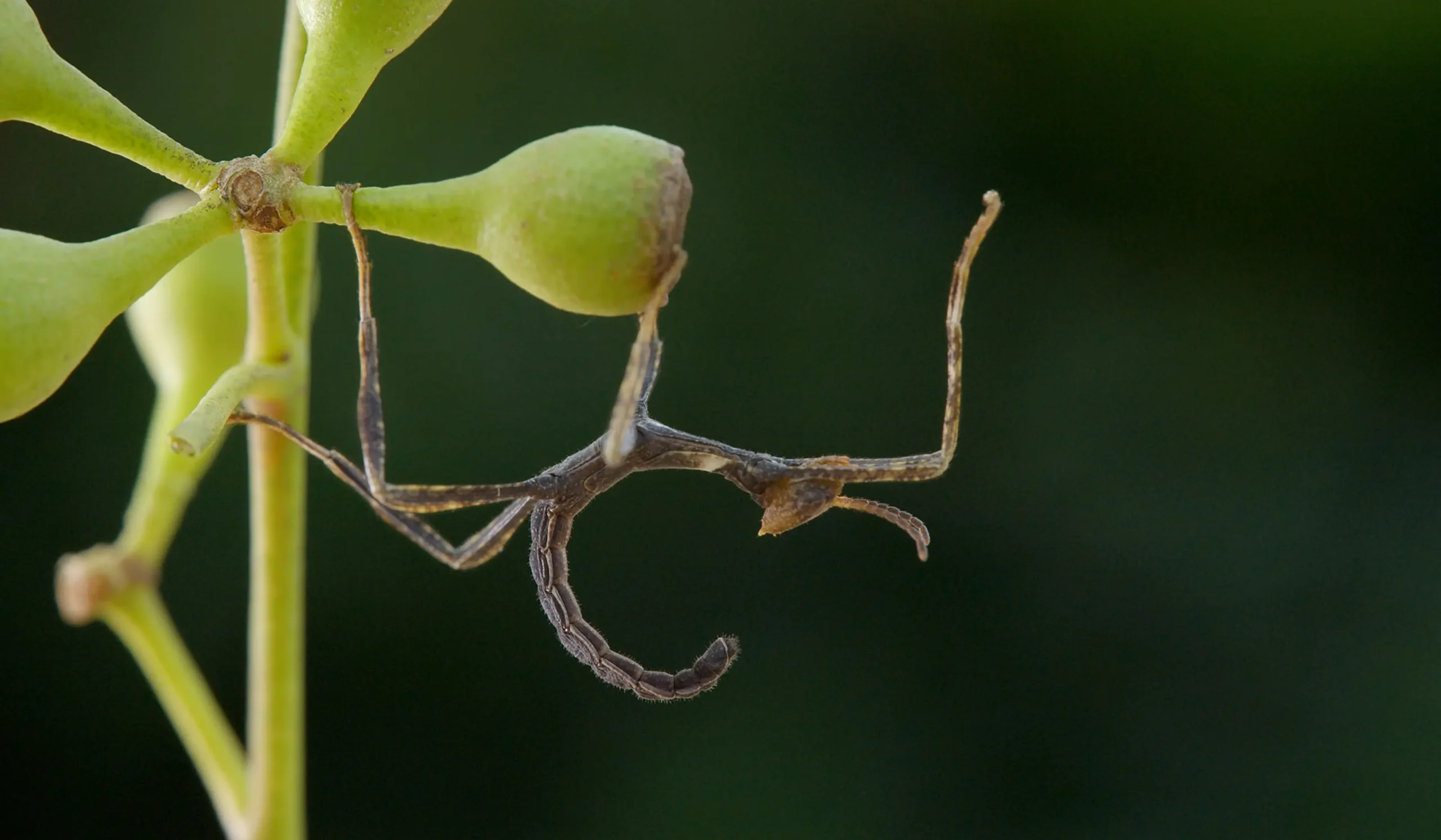
risingtideproject.org – Stick insects, also known as walking sticks or phasmids (from the Greek “phasma” meaning phantom or apparition), are masters of camouflage. Their remarkable resemblance to twigs, branches, and leaves makes them some of the most fascinating and well-disguised insects in the world. This article delves into the captivating world of stick insects, exploring their unique biology, life cycle, camouflage strategies, ecological roles, and interactions with humans.   

Physical Characteristics: Mimicry and Morphology

Stick insects are characterized by several key features:

  • Elongated Body: Their body is typically long and slender, resembling twigs or branches.   
  • Leg Mimicry: Their legs often closely resemble twigs, further enhancing their camouflage.
  • Leaf Mimicry (in some species): Some species have flattened, leaf-like bodies or appendages, mimicking foliage.   
  • Antennae: They have relatively long antennae, which they use for sensing their environment.   
  • Reduced or Absent Wings (in many species): While some species have wings, many are wingless, further contributing to their twig-like appearance.   

Life Cycle: Incomplete Metamorphosis and Parthenogenesis

Stick insects undergo incomplete metamorphosis (hemimetabolism), with three distinct life stages:   

  • Egg: Stick insect eggs are often remarkably camouflaged, resembling seeds or other plant parts. They are laid individually or in small groups, often dropped to the ground or glued to vegetation.   
  • Nymph: The nymphs hatch from the eggs and resemble miniature versions of the adults. They molt several times as they grow, shedding their exoskeletons.   
  • Adult: After several molts, the nymph reaches the adult stage, with fully developed characteristics.   

Many stick insect species are capable of parthenogenesis, a form of asexual reproduction where females can produce viable offspring without fertilization.   

Diversity and Classification: A Wide Range of Forms

There are over 3,000 species of stick insects worldwide, classified into the order Phasmatodea. They exhibit a wide range of sizes, shapes, and camouflage strategies.   

Habitat and Distribution: Primarily Tropical and Subtropical

Stick insects are found in a variety of habitats, primarily in tropical and subtropical regions:   

  • Forests and rainforests
  • Woodlands and grasslands

They are distributed globally, with the greatest diversity found in Southeast Asia, South America, and Australia.

Camouflage and Defense: Masters of Deception

Stick insects employ various camouflage and defense strategies:   

  • Crypsis (Camouflage): Their primary defense is their remarkable camouflage, allowing them to blend seamlessly with their surroundings. 
  • Catalepsy: When disturbed, some species will freeze and remain motionless, further enhancing their disguise.   
  • Autotomy (Limb Shedding): Some species can shed their legs to escape predators. The lost limbs can regenerate during subsequent molts.   
  • Chemical Defenses: Some species can release defensive chemicals that are irritating or repellent to predators.   

Feeding and Diet: Herbivorous Insects

Stick insects are primarily herbivorous, feeding on:

  • Leaves
  • Shoots
  • Flowers

They are often highly specialized feeders, with some species preferring specific types of plants.   

Ecological Roles: Herbivores and Food Source

Stick insects play several roles in ecosystems:

  • Herbivores: As herbivores, they can influence plant communities.   
  • Food Source: They serve as a food source for various animals, including birds, reptiles, amphibians, and mammals.

Stick Insects and Humans: Pet Trade and Scientific Study

Stick insects have various interactions with humans:

  • Pet Trade: Many stick insect species are popular pets due to their unique appearance and relatively easy care.   
  • Scientific Study: They are studied by scientists for their camouflage, regeneration abilities, and evolutionary biology.   

Threats and Conservation: Habitat Loss

The primary threat to stick insect populations is:

  • Habitat Loss: The destruction of natural habitats due to deforestation and land conversion is a major concern.   

Conclusion: Appreciating the Stick Insect’s Art of Disguise

Stick insects are truly remarkable insects, demonstrating the power of adaptation and camouflage. Their unique appearance and fascinating behaviors make them a captivating part of the natural world. By understanding their biology, ecology, and the threats they face, we can better appreciate these masters of disguise and contribute to their conservation. Their existence showcases the incredible diversity and ingenuity of life on Earth.

Biodiversitas dan Budaya: Hubungan Antara Keragaman Hayati dan Identitas Lokal

risingtideproject – Biodiversitas atau keragaman hayati merupakan istilah yang mencakup semua bentuk kehidupan di Bumi, termasuk berbagai spesies tumbuhan, hewan, dan mikroorganisme, serta ekosistem yang mereka huni. Namun, tidak hanya menjadi isu lingkungan, biodiversitas juga memiliki keterkaitan yang kuat dengan budaya lokal dan identitas masyarakat. Di berbagai belahan dunia, khususnya di Indonesia, keberagaman hayati dan budaya saling berinteraksi dan membentuk identitas komunitas lokal.

Indonesia dikenal sebagai salah satu negara dengan biodiversitas terkaya di dunia. Dari sabang sampai merauke, Indonesia memiliki lebih dari 17.000 pulau yang menjadi rumah bagi lebih dari 250.000 spesies tumbuhan dan lebih dari 700.000 spesies hewan. Selain itu, banyak spesies endemik yang hanya bisa ditemukan di Indonesia, seperti orangutan, komodo, dan berbagai jenis burung.

Keberagaman hayati ini tidak hanya penting untuk ekosistem, tetapi juga bagi  kehidupan manusia. Banyak komunitas lokal bergantung pada sumber daya alam untuk kehidupan sehari-hari, mulai dari pangan hingga obat-obatan. Masyarakat adat sering kali memiliki pengetahuan tradisional yang kaya mengenai pemanfaatan tumbuhan dan hewan, serta cara menjaga keseimbangan ekosistem.

Di banyak daerah, biodiversitas dan budaya lokal saling terkait. Misalnya, di Bali, upacara adat yang melibatkan tanaman padi mencerminkan hubungan spiritual masyarakat dengan alam. Di tempat lain, seperti Suku Dayak di Kalimantan, penggunaan tanaman obat dalam praktik pengobatan tradisional menunjukkan pemahaman yang mendalam tentang lingkungan sekitar.

Dalam konteks ini, kebudayaan lokal sering kali mencerminkan upaya pelestarian biodiversitas. https://www.gourmetchinahouse.com/ Tradisi dan ritual yang dilakukan oleh komunitas lokal dapat berfungsi sebagai cara untuk menjaga kelestarian lingkungan. Misalnya, dalam beberapa tradisi, ada larangan berburu hewan tertentu atau memanen tanaman tertentu pada waktu-waktu tertentu untuk memberi kesempatan bagi populasi untuk pulih.

Namun, saat ini, biodiversitas di Indonesia menghadapi berbagai ancaman, seperti deforestasi, perubahan iklim, dan eksploitasi sumber daya alam yang berlebihan. Ancaman ini tidak hanya membahayakan spesies yang ada, tetapi juga budaya lokal yang bergantung pada biodiversitas. Kehilangan spesies dan ekosistem dapat menyebabkan hilangnya pengetahuan tradisional dan praktik budaya yang telah ada selama berabad-abad.

Banyak organisasi dan pemerintah daerah kini berupaya untuk mengintegrasikan pelestarian biodiversitas ke dalam kebijakan pembangunan. Melalui pendekatan yang berbasis masyarakat, diharapkan akan tercipta kesadaran akan pentingnya menjaga keragaman hayati sebagai bagian dari identitas dan budaya lokal.

Menghubungkan biodiversitas dengan budaya lokal adalah langkah penting dalam menjaga warisan alam dan budaya. Dengan memahami dan menghargai keterkaitan ini, kita tidak hanya melindungi spesies dan ekosistem, tetapi juga melestarikan identitas dan tradisi yang telah ada sejak lama. Keberagaman hayati adalah bagian integral dari kehidupan manusia, dan menjaga hubungan ini adalah tanggung jawab kita semua.

How Snakes Blend into Their Surroundings

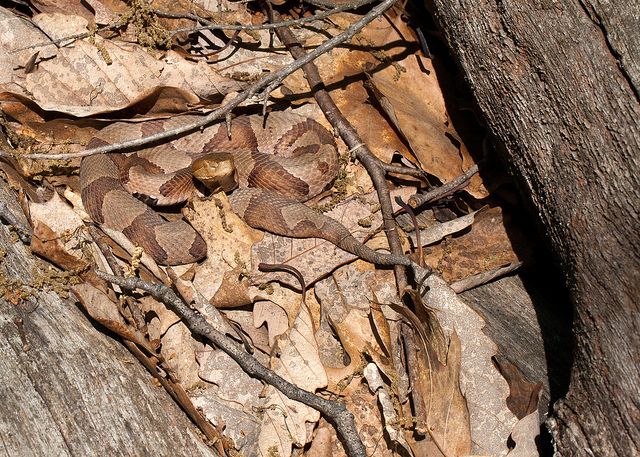
In the intricate tapestry of the natural world, survival often hinges on the ability to remain unseen. Among the masters of this art are snakes, a diverse group of reptiles that have honed the skill of camouflage to evade predators and ambush their prey. The art of camouflage in snakes is not just a matter of blending in; it is a complex interplay of coloration, pattern, behavior, and habitat choice that allows these creatures to become virtually invisible in their surroundings.

The Science of Camouflage

Camouflage in snakes is primarily achieved through two mechanisms: cryptic coloration and disruptive patterns. Cryptic coloration involves the snake’s body taking on colors and shades that closely match its environment, making it difficult to distinguish from the background. Disruptive patterns, on the other hand, break up the snake’s outline, making it harder for predators or prey to recognize its shape.

Cryptic Coloration

Snakes that live in deserts, for example, often have a sandy or pale coloration that blends seamlessly with the arid landscape. The Horned Viper (Cerastes cerastes) is a prime example, with its dorsal side mimicking the hues of the sand, allowing it to lie motionless and virtually undetectable to predators and prey alike.

Disruptive Patterns

The patterns on a snake’s skin can also play a crucial role in camouflage. The Eastern Diamondback Rattlesnake (Crotalus adamanteus) has a series of dark diamonds along its back, which not only helps it blend into the sun-dappled forest floors but also breaks up its outline, making it less recognizable as a potential threat or meal.

Behavioral Camouflage

Beyond physical appearance, snakes also employ behavioral strategies to enhance their camouflage. Some species, like the Ribbon Snake (Thamnophis sauritus), will freeze in place when they sense danger, relying on their coloration and pattern to remain undetected. Others, such as the Texas Blind Snake (Rena dulcis), spend most of their lives underground, where their lack of pigmentation and small size make them nearly invisible in the soil.

Habitat Specialization

The effectiveness of a snake’s camouflage is often linked to its specific habitat. Snakes that inhabit dense forests may have a mottled appearance that mimics the dappled light filtering through the canopy. Aquatic snakes, like the Water Moccasin (Agkistrodon piscivorus), have a pattern that helps them blend into the murky waters of their habitat.

Evolutionary Adaptations

The remarkable camouflage abilities of snakes are the result of millions of years of evolution. Natural selection has favored those individuals whose coloration and patterns best match their environment, increasing their chances of survival and reproduction. This process has led to the incredible diversity of camouflage strategies seen in snakes today.

Conclusion

The art of camouflage in snakes is a testament to the power of adaptation and the beauty of evolutionary design. By blending seamlessly into their surroundings, snakes not only ensure their own survival but also play a crucial role in maintaining the balance of their ecosystems. As we continue to study these fascinating creatures, we gain a deeper appreciation for the intricate ways in which life adapts and thrives on our planet.