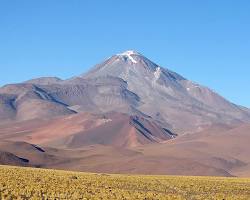
Llullaillaco: A Dormant Giant – A Remote and Rugged Peak

risingtideproject.org – Llullaillaco, a stratovolcano straddling the border of Argentina and Chile, holds the title of the highest active volcano in the world, reaching an impressive 6,723 meters (22,057 feet). Despite its volcanic nature, Llullaillaco has been dormant for centuries, making it a fascinating geological feature and a popular destination for mountaineers.

A Remote and Rugged Peak

Llullaillaco is situated in a remote and arid region of the Andes, far from major population centers. This isolation contributes to its pristine beauty and challenging conditions. The mountain’s steep slopes, high altitude, and harsh climate make it a formidable adversary for even the most experienced climbers.

A Challenging Climb

The ascent to Llullaillaco is a technical climb, requiring experience in glacier travel, crevasse rescue, and high-altitude mountaineering. The most common route to the summit involves ascending a series of steep slopes and glaciers, often in challenging weather conditions.

A Unique Archaeological Discovery

In 1999, a team of archaeologists made a remarkable discovery on Llullaillaco: the well-preserved mummies of three Inca children who were sacrificed as offerings to the gods. These Inca “Ice Maidens” provide invaluable insights into the ancient Inca civilization and their religious practices.

A Cultural Icon

Llullaillaco, like many other Andean peaks, holds cultural significance for the indigenous communities that inhabit the region. The Inca people revered mountains as sacred sites, and many Andean peaks, including Llullaillaco, are still considered to be spiritually significant.

Llullaillaco is a testament to the power and beauty of the Andes. Its remote location, challenging terrain, and rich archaeological history make it a truly unique and unforgettable destination. For those who are drawn to the adventure of high-altitude climbing and the mysteries of the past, Llullaillaco offers a challenging and rewarding experience.
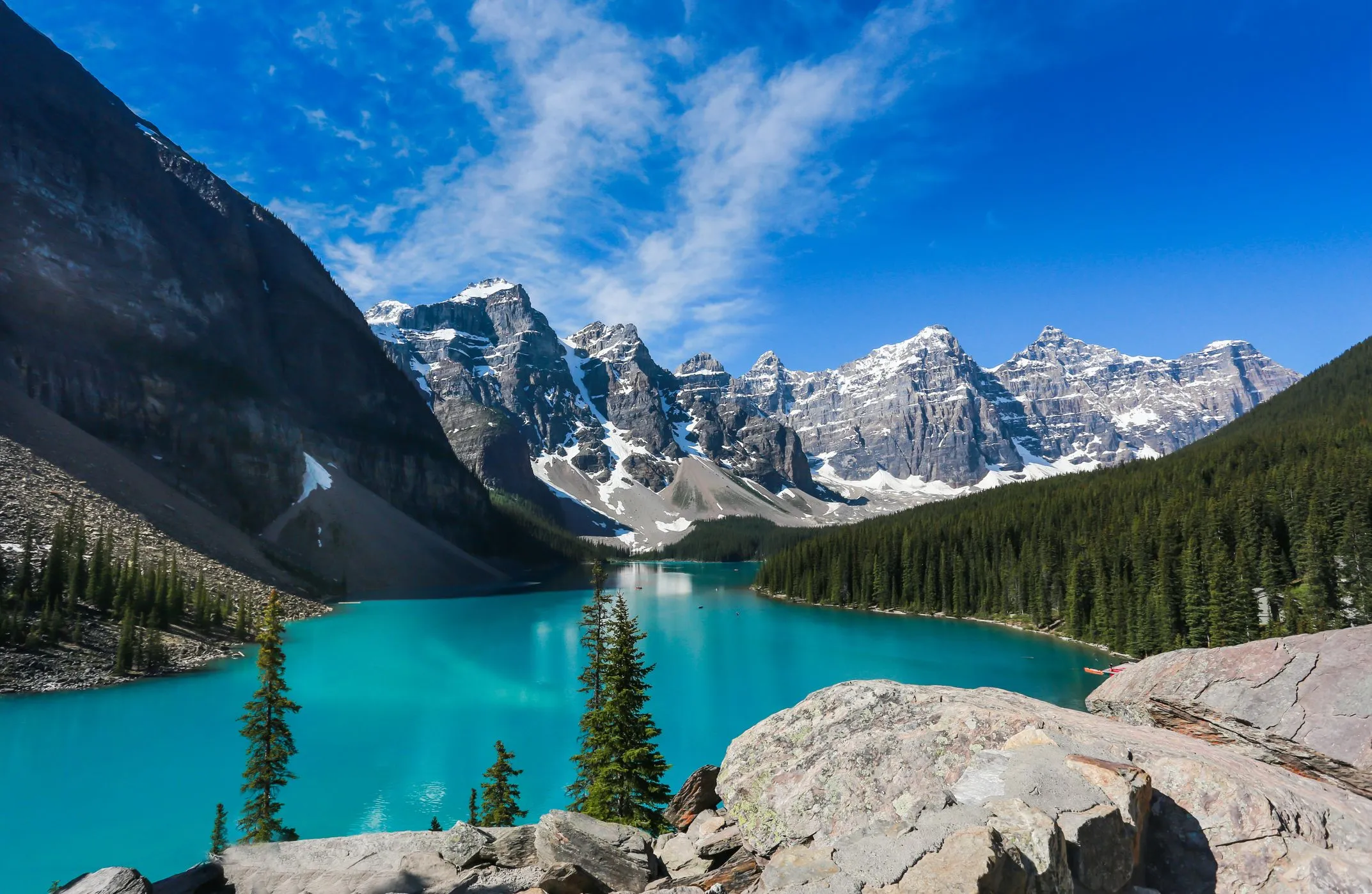
The Heart of North American Wilderness: Rocky Mountains

risingtideproject.org – The Rocky Mountains, a breathtaking and rugged mountain range that stretches over 3,000 miles from the northernmost part of British Columbia in Canada to New Mexico in the United States, is a testament to the raw beauty and untamed wilderness that defines North America. This majestic range, with its towering peaks, deep valleys, and diverse ecosystems, is not just a geographical landmark but a symbol of the continent’s natural heritage and a sanctuary for countless species of flora and fauna.

The Geological Marvel

The formation of the Rocky Mountains is a story of the earth’s dynamic processes, dating back over 80 million years to the Laramide orogeny. This geological upheaval pushed up the ancient seabed, creating the dramatic landscape that we see today. The range is a complex system of mountain ridges, plateaus, and valleys, with the highest peak being Mount Elbert in Colorado at 14,440 feet above sea level.

Biodiversity and Ecosystems

The Rocky Mountains are a haven for biodiversity, hosting a wide array of ecosystems from alpine tundra to coniferous forests. This diversity supports a rich variety of wildlife, including the iconic grizzly bear, the elusive wolverine, the majestic elk, and the swift bighorn sheep, among many others. The range also serves as a critical habitat for over 300 species of birds, making it a paradise for birdwatchers.

The Cultural Heartland

For centuries, the Rocky Mountains have been a place of significance for Indigenous peoples, offering resources and spiritual connection. With the arrival of European settlers, the mountains became a symbol of the frontier spirit, a place of adventure and discovery. Today, the Rockies continue to inspire, with their history and culture preserved in numerous national parks, monuments, and historic sites.

Recreation and Conservation

The Rocky Mountains offer unparalleled opportunities for outdoor recreation, from hiking and skiing to fishing and wildlife watching. However, with increasing human activity comes the challenge of conservation. Efforts to protect this wilderness include the establishment of national parks and wildlife reserves, as well as initiatives to combat climate change and habitat destruction.

Conclusion

The Rocky Mountains stand as a monument to the natural world’s grandeur and resilience. They remind us of the importance of preserving wilderness for future generations. As we explore and enjoy the heart of North American wilderness, let us also commit to its protection, ensuring that the Rocky Mountains continue to inspire awe and wonder for centuries to come.