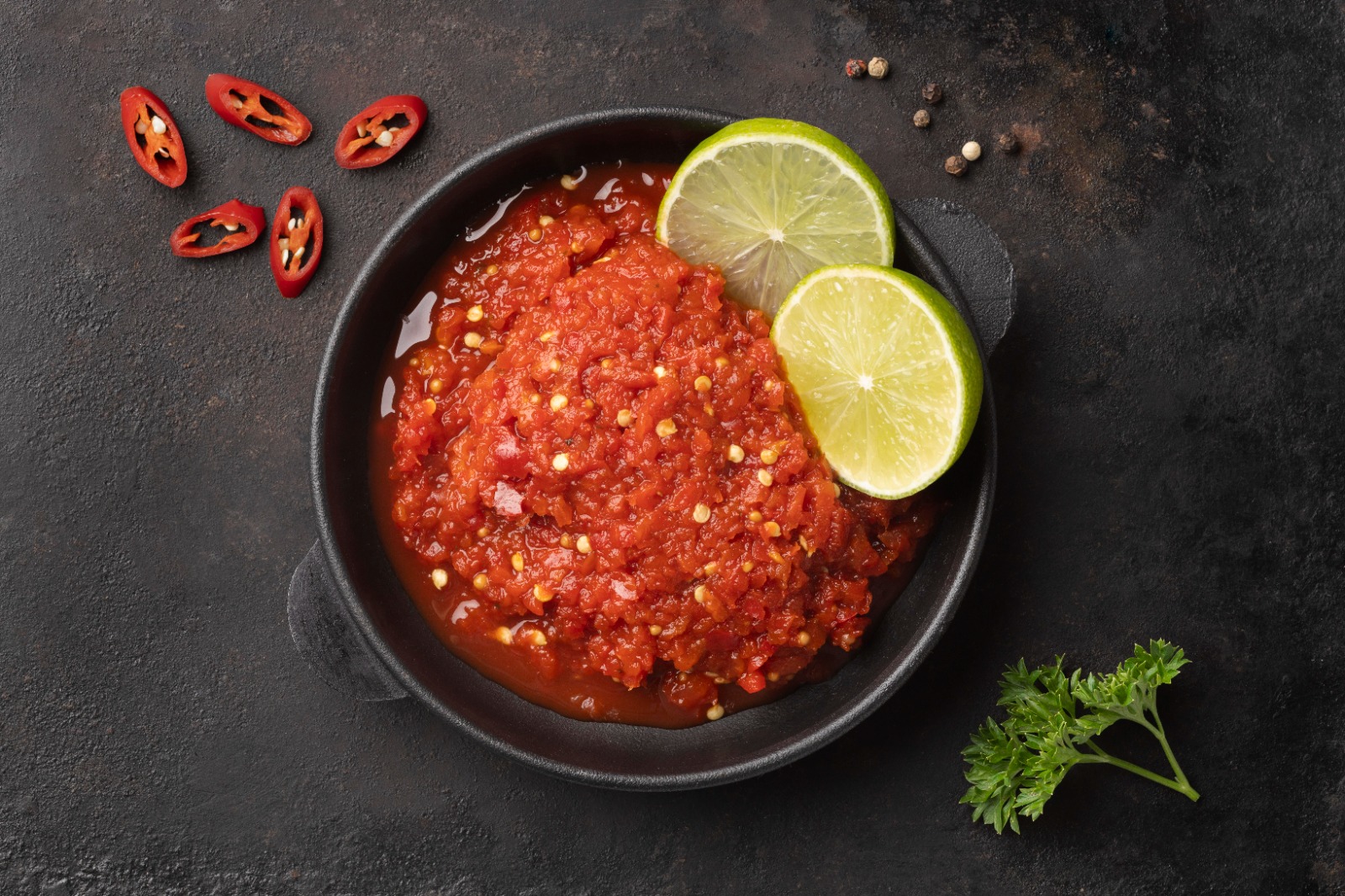
Exploring Sambal: The Fiery Heart of Indonesian Cuisine

risingtideproject.org – Sambal is an essential condiment in Indonesian cuisine, known for its fiery and flavorful kick. This versatile chili paste is a staple in many Southeast Asian households and is used to enhance the taste of a wide variety of dishes. With its bold flavors and varying levels of heat, sambal is beloved by spice enthusiasts and has become a symbol of Indonesia’s rich culinary tradition.

The Cultural Significance of Sambal

In Indonesia, sambal is more than just a condiment; it is a cultural icon that represents the love for bold and spicy flavors. It accompanies almost every meal and is an integral part of the dining experience. The art of making sambal is often passed down through generations, with each family adding their unique twist to the recipe.

Sambal is also a symbol of hospitality, often made fresh to accompany home-cooked meals and shared with guests. It embodies the spirit of Indonesian cuisine, where flavors are celebrated and meals are a communal affair.

Ingredients and Preparation

The basic ingredients of sambal include fresh or dried chilies, salt, and vinegar or lime for acidity. However, the variations are endless, with additional ingredients such as garlic, shallots, shrimp paste, tomatoes, and sugar used to create different flavors and textures.

The preparation of sambal can be as simple or as elaborate as desired. Fresh chilies are typically ground using a mortar and pestle to release their natural oils and enhance the flavor. The resulting paste is then fried or mixed with other ingredients to create a harmonious blend of heat and taste.

Variations of Sambal

There are countless variations of sambal across Indonesia, each with its unique flavor profile. Some popular types include:

  • Sambal Oelek: A simple, raw chili paste made with ground red chilies and salt, often used as a base for other sambals.
  • Sambal Terasi: Made with shrimp paste, this sambal has a rich, umami flavor that pairs well with seafood and grilled dishes.
  • Sambal Matah: A Balinese variant made with raw shallots, lemongrass, and lime, offering a fresh and zesty taste.
  • Sambal Bajak: A cooked sambal with tomatoes and shallots, providing a milder, sweeter flavor.

The Global Appeal of Sambal

Sambal’s bold flavors have captured the attention of spice lovers worldwide. As Indonesian cuisine gains popularity, sambal has become a sought-after condiment in international markets. Its versatility allows it to be used not only in traditional dishes but also as an exciting addition to global cuisines, enhancing everything from stir-fries to sandwiches.

Conclusion

Sambal is a vibrant and integral part of Indonesian culinary culture, offering a fiery burst of flavor that elevates any dish. Its rich history and diverse variations make it a fascinating condiment to explore for both home cooks and professional chefs alike. Whether you prefer it mild or extra spicy, sambal invites you to experience the bold and exciting world of Indonesian cuisine.
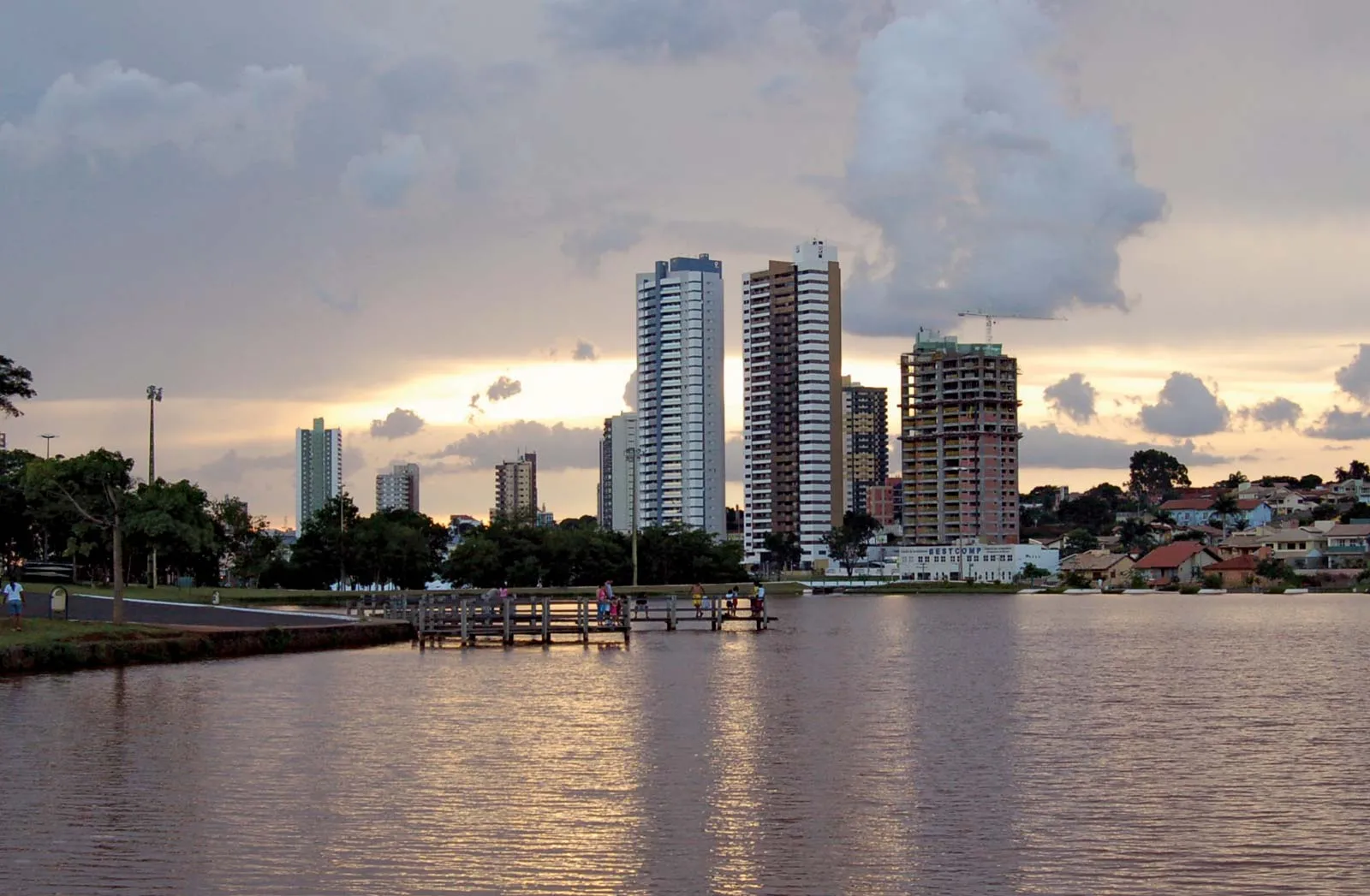

The Heart of Mato Grosso do Sul: Campo Grande

risingtideproject.org – Campo Grande, the capital of the state of Mato Grosso do Sul in Brazil, is a city that combines urban development with the beauty of nature. Known for its welcoming atmosphere and strategic location as a gateway to the Pantanal, Campo Grande offers a unique blend of cultural richness, ecological wonders, and vibrant city life.

Geographical Significance

Located in the heart of Brazil, Campo Grande serves as a key hub for travelers heading to the Pantanal, one of the world’s largest tropical wetlands. The city’s strategic position makes it an ideal starting point for exploring the region’s diverse wildlife and breathtaking landscapes. Campo Grande’s easy accessibility and well-connected transportation network further enhance its appeal as a travel destination.

Cultural Diversity

Campo Grande is a melting pot of cultures, with influences from indigenous communities, European immigrants, and neighboring countries such as Paraguay and Bolivia. This cultural diversity is reflected in the city’s festivals, music, and culinary offerings. The annual Festa Junina, for example, celebrates traditional Brazilian culture with music, dance, and food, attracting locals and visitors alike.

Attractions and Landmarks

The city boasts a variety of attractions and landmarks that showcase its history and culture:

  • Parque das Nações Indígenas: One of the largest urban parks in Brazil, this park offers walking trails, lakes, and cultural spaces. It’s a perfect place for relaxation and enjoying nature within the city limits.
  • Museu das Culturas Dom Bosco: This museum features exhibits on the indigenous cultures of the region, as well as natural history displays, providing insight into the area’s rich heritage.
  • Mercado Municipal Antônio Valente: A bustling market where visitors can experience local flavors, from traditional sweets to fresh produce, and explore handmade crafts.

Nature and Wildlife

Campo Grande’s proximity to the Pantanal makes it an excellent destination for nature enthusiasts. The Pantanal is renowned for its biodiversity, offering opportunities for wildlife watching, birding, and eco-tourism. Visitors to Campo Grande can arrange guided tours to explore this vast and unique ecosystem, home to jaguars, capybaras, and myriad bird species.

Culinary Scene

Campo Grande’s culinary scene is a reflection of its multicultural influences. The city’s restaurants serve a wide array of dishes, from traditional Brazilian barbecue to Paraguayan and Bolivian specialties. Local delicacies such as sopa paraguaia (a cornbread-like dish) and chipa (a type of cheese bread) offer a taste of the region’s diverse flavors.

Conclusion

Campo Grande is a city that balances urban life with the beauty of nature, offering a unique blend of cultural experiences and ecological wonders. Whether you’re exploring its parks, delving into its cultural attractions, or embarking on an adventure into the Pantanal, Campo Grande promises a memorable and enriching journey. Its vibrant community and strategic location make it a standout destination in the heart of Brazil.

Oahu’s Midday Munch: The Heart of the Day

risingtideproject.org – Oahu, the vibrant heart of Hawaii, is known for its bustling cities, stunning beaches, and rich cultural heritage. As the sun reaches its peak, the island’s dining scene comes alive, offering a variety of midday munch options that cater to every palate. This article explores the diverse and delicious dining experiences available on Oahu during the midday hours, promising a culinary adventure that captures the essence of the island’s spirit.

The Best Spots for Midday Munch on Oahu

Oahu’s midday dining scene is a melting pot of global flavors and local favorites. One must-visit spot is ‘The Pig and the Lady’, known for its innovative take on Vietnamese cuisine, offering a menu that is perfect for a midday meal. ‘Marukame Udon’ provides a casual yet satisfying option, with freshly made udon noodles and a variety of tempura dishes that are sure to please. For those looking to enjoy the ocean breeze, ‘Haleiwa Beach Sunrise Shack’ offers a selection of healthy bowls, smoothies, and coffee, perfect for a midday pick-me-up.

Must-Try Midday Munch Options on Oahu

Oahu’s culinary offerings are as diverse as they are delicious, with a focus on fresh, local ingredients and a blend of international influences. A must-try dish is the ‘Spam Musubi’, a local favorite that consists of a slice of grilled Spam on top of sushi rice, wrapped in nori. The ‘Açaí Bowl’ is another popular choice, featuring a blend of açaí berries, topped with granola, banana slices, and honey, providing a healthy and refreshing option. For something more substantial, the ‘Loco Moco’ is a classic Hawaiian dish that features a hamburger patty, rice, and a fried egg, smothered in gravy.

The Midday Dining Experience on Oahu

Dining out at midday on Oahu is an experience that goes beyond just the food. Many restaurants offer outdoor seating, allowing diners to enjoy their meals under the sun or with a view of the ocean. The island’s laid-back atmosphere is complemented by the friendly service and welcoming ambiance of the local eateries. Whether you’re looking for a quick bite or a more leisurely meal, Oahu’s midday munch options promise to delight and satisfy.

A Delightful Midday Culinary Adventure on Oahu

In conclusion, Oahu’s midday dining scene offers a unique and delicious experience that showcases the island’s rich culinary heritage and fresh, local ingredients. From innovative Vietnamese cuisine to classic Hawaiian dishes, the dining options are as diverse as they are delightful. Whether you’re a food enthusiast or simply looking to enjoy a memorable midday meal, Oahu’s midday munch spots promise to provide a culinary adventure that captures the essence of the island’s spirit.

The Heart of North American Wilderness: Rocky Mountains

risingtideproject.org – The Rocky Mountains, a breathtaking and rugged mountain range that stretches over 3,000 miles from the northernmost part of British Columbia in Canada to New Mexico in the United States, is a testament to the raw beauty and untamed wilderness that defines North America. This majestic range, with its towering peaks, deep valleys, and diverse ecosystems, is not just a geographical landmark but a symbol of the continent’s natural heritage and a sanctuary for countless species of flora and fauna.

The Geological Marvel

The formation of the Rocky Mountains is a story of the earth’s dynamic processes, dating back over 80 million years to the Laramide orogeny. This geological upheaval pushed up the ancient seabed, creating the dramatic landscape that we see today. The range is a complex system of mountain ridges, plateaus, and valleys, with the highest peak being Mount Elbert in Colorado at 14,440 feet above sea level.

Biodiversity and Ecosystems

The Rocky Mountains are a haven for biodiversity, hosting a wide array of ecosystems from alpine tundra to coniferous forests. This diversity supports a rich variety of wildlife, including the iconic grizzly bear, the elusive wolverine, the majestic elk, and the swift bighorn sheep, among many others. The range also serves as a critical habitat for over 300 species of birds, making it a paradise for birdwatchers.

The Cultural Heartland

For centuries, the Rocky Mountains have been a place of significance for Indigenous peoples, offering resources and spiritual connection. With the arrival of European settlers, the mountains became a symbol of the frontier spirit, a place of adventure and discovery. Today, the Rockies continue to inspire, with their history and culture preserved in numerous national parks, monuments, and historic sites.

Recreation and Conservation

The Rocky Mountains offer unparalleled opportunities for outdoor recreation, from hiking and skiing to fishing and wildlife watching. However, with increasing human activity comes the challenge of conservation. Efforts to protect this wilderness include the establishment of national parks and wildlife reserves, as well as initiatives to combat climate change and habitat destruction.

Conclusion

The Rocky Mountains stand as a monument to the natural world’s grandeur and resilience. They remind us of the importance of preserving wilderness for future generations. As we explore and enjoy the heart of North American wilderness, let us also commit to its protection, ensuring that the Rocky Mountains continue to inspire awe and wonder for centuries to come.