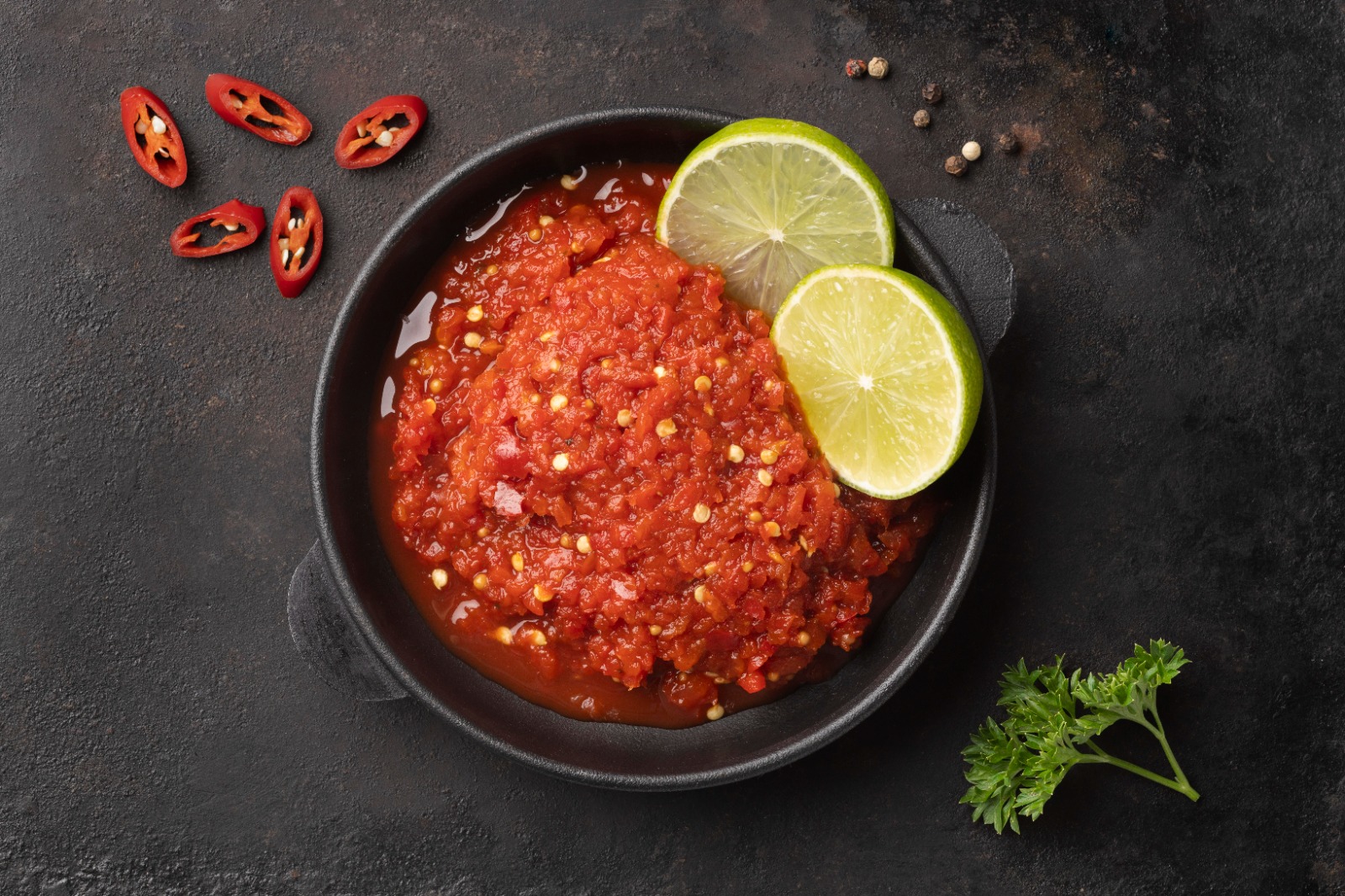
Exploring Sambal: The Fiery Heart of Indonesian Cuisine

risingtideproject.org – Sambal is an essential condiment in Indonesian cuisine, known for its fiery and flavorful kick. This versatile chili paste is a staple in many Southeast Asian households and is used to enhance the taste of a wide variety of dishes. With its bold flavors and varying levels of heat, sambal is beloved by spice enthusiasts and has become a symbol of Indonesia’s rich culinary tradition.

The Cultural Significance of Sambal

In Indonesia, sambal is more than just a condiment; it is a cultural icon that represents the love for bold and spicy flavors. It accompanies almost every meal and is an integral part of the dining experience. The art of making sambal is often passed down through generations, with each family adding their unique twist to the recipe.

Sambal is also a symbol of hospitality, often made fresh to accompany home-cooked meals and shared with guests. It embodies the spirit of Indonesian cuisine, where flavors are celebrated and meals are a communal affair.

Ingredients and Preparation

The basic ingredients of sambal include fresh or dried chilies, salt, and vinegar or lime for acidity. However, the variations are endless, with additional ingredients such as garlic, shallots, shrimp paste, tomatoes, and sugar used to create different flavors and textures.

The preparation of sambal can be as simple or as elaborate as desired. Fresh chilies are typically ground using a mortar and pestle to release their natural oils and enhance the flavor. The resulting paste is then fried or mixed with other ingredients to create a harmonious blend of heat and taste.

Variations of Sambal

There are countless variations of sambal across Indonesia, each with its unique flavor profile. Some popular types include:

  • Sambal Oelek: A simple, raw chili paste made with ground red chilies and salt, often used as a base for other sambals.
  • Sambal Terasi: Made with shrimp paste, this sambal has a rich, umami flavor that pairs well with seafood and grilled dishes.
  • Sambal Matah: A Balinese variant made with raw shallots, lemongrass, and lime, offering a fresh and zesty taste.
  • Sambal Bajak: A cooked sambal with tomatoes and shallots, providing a milder, sweeter flavor.

The Global Appeal of Sambal

Sambal’s bold flavors have captured the attention of spice lovers worldwide. As Indonesian cuisine gains popularity, sambal has become a sought-after condiment in international markets. Its versatility allows it to be used not only in traditional dishes but also as an exciting addition to global cuisines, enhancing everything from stir-fries to sandwiches.

Conclusion

Sambal is a vibrant and integral part of Indonesian culinary culture, offering a fiery burst of flavor that elevates any dish. Its rich history and diverse variations make it a fascinating condiment to explore for both home cooks and professional chefs alike. Whether you prefer it mild or extra spicy, sambal invites you to experience the bold and exciting world of Indonesian cuisine.

The Art of Wax-Resist Dyeing: Indonesian Batik

risingtideproject.org – Indonesian Batik stands as a testament to the rich cultural heritage and artistic prowess of the Indonesian archipelago. This intricate form of wax-resist dyeing has not only become a symbol of Indonesian identity but also an art form that has garnered international recognition, including its inclusion in the UNESCO Intangible Cultural Heritage Lists. The process of creating Batik involves a meticulous technique that has been passed down through generations, reflecting the deep cultural significance and artistic expression of the Indonesian people.

The History of Batik in Indonesia

The origins of Batik in Indonesia can be traced back centuries, with evidence suggesting its existence in the country since the 12th century. The art form flourished in the courts of Central Java and Yogyakarta, where it became a symbol of nobility and royalty. Over time, Batik spread across the archipelago, evolving in different regions to reflect local tastes, traditions, and techniques. Today, various styles of Batik can be found across Indonesia, each with its unique patterns and colors, reflecting the diversity of the Indonesian culture.

The Making of Batik: A Traditional Process

The process of creating Batik is both an art and a science. It involves drawing intricate designs on fabric using a tool called a canting, which is a small pen-like instrument with a metal tip for applying melted wax. The wax acts as a resist, preventing the dye from penetrating the fabric in certain areas. After the wax is applied, the fabric is dyed, often multiple times to achieve the desired colors and patterns. Once the dyeing is complete, the fabric is boiled to remove the wax, revealing the final design. This process requires a high level of skill, patience, and creativity, making each Batik piece a unique work of art.

Regional Styles of Indonesian Batik

Indonesia’s vast archipelago has given rise to a variety of Batik styles, each reflecting the local culture and traditions. Some of the most renowned styles include the intricate and symmetrical patterns of Javanese Batik, the bold and colorful designs of Balinese Batik, and the geometric motifs of Batak Batik from North Sumatra. Each style tells a story of its region’s history, beliefs, and artistic vision.

The Cultural Significance of Batik

Beyond its aesthetic beauty, Batik holds profound cultural significance in Indonesia. It is often associated with important occasions and ceremonies, worn as a symbol of respect and tradition. Batik also serves as a medium for storytelling, with many patterns carrying symbolic meanings and narratives from Indonesian mythology and history. The preservation and promotion of Batik are seen as crucial to maintaining the cultural identity and heritage of Indonesia.

The Future of Indonesian Batik

In the face of globalization and modernization, the future of traditional Batik making is a topic of discussion and concern. However, there is a growing movement to preserve and revitalize this ancient art form. Through education, innovation, and collaboration with international markets, Indonesian Batik continues to thrive, captivating new audiences while remaining true to its roots. As the world becomes more connected, Batik serves as a bridge, sharing the beauty and depth of Indonesian culture with the global community.

Conclusion

Indonesian Batik is more than just a technique of wax-resist dyeing; it is a living testament to the creativity, resilience, and cultural richness of the Indonesian people. Its intricate designs and vibrant colors tell the story of a nation’s history, traditions, and artistic vision. As Batik continues to evolve in the modern world, it remains an emblem of Indonesia’s enduring heritage and a source of national pride.