The Art of Apsara: Traditional Dance in Cambodia

risingtideproject.org – Cambodia, a country with a rich cultural heritage, has long been celebrated for its intricate and mesmerizing traditional dances. Among these, the dance of the Apsara stands out as the most iconic representation of Cambodian performing arts. This dance, deeply rooted in the country’s history and Hindu-Buddhist mythology, is not just a form of entertainment but a window into the soul of Cambodia’s cultural legacy.

The Legend of Apsara Dance

The Apsara dance is inspired by the celestial maidens of Hindu and Khmer mythology, known for their extraordinary beauty and divine grace. According to legend, the Apsaras descended from heaven to perform a sacred dance, thereby securing the gods’ victory over the demons in a quest for the elixir of immortality. This mythological narrative is beautifully translated into a dance form that embodies the elegance and spirituality of the celestial beings.

The Artistic Elements of Apsara Dance

Apsara dance is characterized by its intricate choreography, expressive hand gestures (mudras), and the elaborate costumes and makeup of the dancers. The costumes, heavily influenced by the depictions found in the temples of Angkor, are a sight to behold. They typically include a silk sampot (a traditional skirt), a beaded belt, and a richly decorated top, complemented by ornate jewelry and the famous Apsara crown.

The dancers’ faces are painted with traditional makeup, featuring bold eyes and lips, and sometimes decorated with elaborate facial tattoos that mimic the carvings found on temple walls. The most distinctive feature of the Apsara dance is the dancers’ hand gestures, which are not only aesthetically pleasing but also convey specific meanings and narratives.

The Significance of Apsara Dance in Cambodian Culture

Beyond its aesthetic appeal, the Apsara dance holds profound significance in Cambodian culture. It is a symbol of the country’s enduring spirit and resilience, having survived through periods of turmoil and upheaval. The dance is also a means of preserving Cambodia’s historical and religious heritage, as it is deeply intertwined with the stories and legends that have been passed down through generations.

The Revival and Preservation of Apsara Dance

In recent years, there has been a concerted effort to revive and preserve the art of Apsara dance. This includes the training of new dancers, the restoration of traditional dance schools, and the performance of Apsara dances in cultural festivals and international events. These initiatives aim to ensure that the dance continues to thrive and remain an integral part of Cambodia’s cultural identity.

Conclusion

The Apsara dance is more than just a performance; it is a living testament to Cambodia’s rich cultural heritage and the enduring spirit of its people. Through its graceful movements, intricate gestures, and vibrant costumes, the dance tells the story of a civilization that has withstood the test of time. As Cambodia continues to embrace its past while looking towards the future, the Apsara dance remains a beacon of the country’s artistic and cultural legacy, captivating audiences around the world with its timeless beauty and profound significance.

The Art of Wax-Resist Dyeing: Indonesian Batik

risingtideproject.org – Indonesian Batik stands as a testament to the rich cultural heritage and artistic prowess of the Indonesian archipelago. This intricate form of wax-resist dyeing has not only become a symbol of Indonesian identity but also an art form that has garnered international recognition, including its inclusion in the UNESCO Intangible Cultural Heritage Lists. The process of creating Batik involves a meticulous technique that has been passed down through generations, reflecting the deep cultural significance and artistic expression of the Indonesian people.

The History of Batik in Indonesia

The origins of Batik in Indonesia can be traced back centuries, with evidence suggesting its existence in the country since the 12th century. The art form flourished in the courts of Central Java and Yogyakarta, where it became a symbol of nobility and royalty. Over time, Batik spread across the archipelago, evolving in different regions to reflect local tastes, traditions, and techniques. Today, various styles of Batik can be found across Indonesia, each with its unique patterns and colors, reflecting the diversity of the Indonesian culture.

The Making of Batik: A Traditional Process

The process of creating Batik is both an art and a science. It involves drawing intricate designs on fabric using a tool called a canting, which is a small pen-like instrument with a metal tip for applying melted wax. The wax acts as a resist, preventing the dye from penetrating the fabric in certain areas. After the wax is applied, the fabric is dyed, often multiple times to achieve the desired colors and patterns. Once the dyeing is complete, the fabric is boiled to remove the wax, revealing the final design. This process requires a high level of skill, patience, and creativity, making each Batik piece a unique work of art.

Regional Styles of Indonesian Batik

Indonesia’s vast archipelago has given rise to a variety of Batik styles, each reflecting the local culture and traditions. Some of the most renowned styles include the intricate and symmetrical patterns of Javanese Batik, the bold and colorful designs of Balinese Batik, and the geometric motifs of Batak Batik from North Sumatra. Each style tells a story of its region’s history, beliefs, and artistic vision.

The Cultural Significance of Batik

Beyond its aesthetic beauty, Batik holds profound cultural significance in Indonesia. It is often associated with important occasions and ceremonies, worn as a symbol of respect and tradition. Batik also serves as a medium for storytelling, with many patterns carrying symbolic meanings and narratives from Indonesian mythology and history. The preservation and promotion of Batik are seen as crucial to maintaining the cultural identity and heritage of Indonesia.

The Future of Indonesian Batik

In the face of globalization and modernization, the future of traditional Batik making is a topic of discussion and concern. However, there is a growing movement to preserve and revitalize this ancient art form. Through education, innovation, and collaboration with international markets, Indonesian Batik continues to thrive, captivating new audiences while remaining true to its roots. As the world becomes more connected, Batik serves as a bridge, sharing the beauty and depth of Indonesian culture with the global community.

Conclusion

Indonesian Batik is more than just a technique of wax-resist dyeing; it is a living testament to the creativity, resilience, and cultural richness of the Indonesian people. Its intricate designs and vibrant colors tell the story of a nation’s history, traditions, and artistic vision. As Batik continues to evolve in the modern world, it remains an emblem of Indonesia’s enduring heritage and a source of national pride.

The Art of Dining in Palaces: Majestic Meals

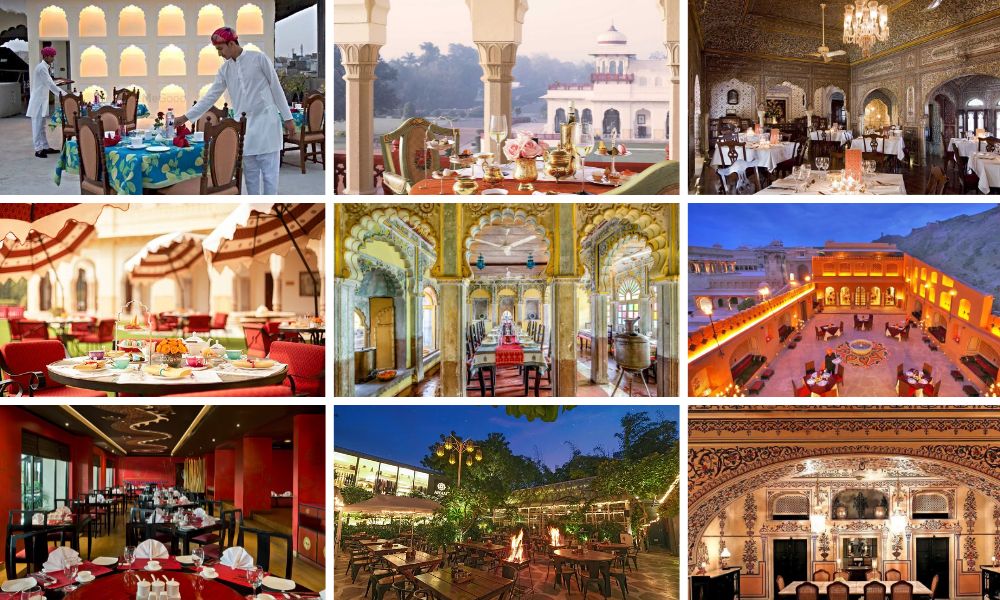
risingtideproject.org – Dining in palaces is an experience that transcends the mere act of eating; it is an immersion into a world of opulence, history, and culinary artistry. Palaces, with their grand halls, intricate architecture, and storied pasts, offer a unique setting for meals that are as much about the ambiance as they are about the food. Majestic Meals, as we shall call these dining experiences, are not just about satiating hunger; they are about indulging the senses, engaging the imagination, and connecting with the grandeur of bygone eras.

The Setting: A Feast for the Eyes

The first aspect that sets Majestic Meals apart is the setting. Palaces, with their ornate ceilings, gilded frames, and expansive ballrooms-turned-dining-halls, provide a backdrop that is unparalleled in its beauty and history. The act of dining in such a setting is an experience that elevates the meal from the ordinary to the extraordinary. The grandeur of the surroundings, often adorned with frescoes, crystal chandeliers, and antique furniture, creates an atmosphere of elegance and sophistication that is hard to replicate elsewhere.

The Cuisine: A Symphony of Flavors

The cuisine served during Majestic Meals is often a reflection of the palace’s heritage, with menus that draw on traditional recipes and ingredients that have been enjoyed by royalty and nobility for centuries. The dishes are not only a delight to the palate but also a journey through time, offering diners a taste of the culinary traditions that have shaped the history of the palace. The presentation of the food is equally important, with each dish artfully arranged to complement the majestic setting.

The Service: An Art Form

Service during Majestic Meals is an art form in itself. The staff, often dressed in period attire, are trained to provide an impeccable level of service that is both discreet and attentive. The rituals of dining, from the laying of the table to the serving of each course, are performed with precision and grace, adding to the sense of occasion. The knowledge of the staff about the history of the palace, the provenance of the ingredients, and the stories behind the dishes adds another layer of depth to the dining experience.

The Experience: Beyond the Senses

Dining in palaces is not just about the food and the setting; it is about the entire experience. Many palaces offer guided tours before or after the meal, allowing diners to explore the history and architecture of the building. Some even offer the opportunity to dine in private rooms or gardens, providing an intimate glimpse into the lives of those who once called the palace home. The combination of history, art, and cuisine creates a dining experience that is truly unforgettable.

Conclusion

Majestic Meals represent the pinnacle of dining experiences, where history, art, and culinary excellence come together in a setting that is both grand and intimate. Dining in palaces offers more than just a meal; it offers a journey through time, a connection to the past, and an indulgence in the opulence of bygone eras. Whether it’s a state banquet in a royal palace, a private dinner in a historic castle, or a gala event in a stately home, Majestic Meals are an art form that continues to captivate and inspire.