Fiksi vs Sains: 5 Novel Spaceman Terbaik Pilihan Ilmuwan

risingtideproject.org – Banyak orang mengira fiksi ilmiah hanya berisi imajinasi liar tanpa dasar. Akan tetapi, anggapan tersebut tidak sepenuhnya benar. Faktanya, beberapa penulis mendedikasikan waktu bertahun-tahun untuk melakukan riset fisika dan astronomi. Oleh karena itu, kami merangkum 5 novel spaceman terbaik yang tidak hanya seru, tetapi juga mendapatkan pujian dari para ilmuwan asli karena keakuratannya.

Jika Anda menyukai cerita yang masuk akal secara logika sains (hard sci-fi), maka daftar buku berikut ini wajib Anda baca.

1. The Martian (Andy Weir)

Pertama, kita harus membahas The Martian. Novel ini menjadi standar emas fiksi ilmiah modern. Andy Weir menulis kisah Mark Watney, seorang astronaut botani yang tertinggal di Mars, dengan sangat detail.

Bahkan, NASA sendiri memuji keakuratan teknis dalam buku ini. Weir memperhitungkan segalanya, mulai dari kalori kentang, produksi air dari bahan bakar roket, hingga mekanika orbit. Akibatnya, pembaca seolah sedang membaca logbook nyata, bukan sekadar fiksi.

2. Project Hail Mary (Andy Weir)

Selanjutnya, Andy Weir kembali masuk ke dalam daftar novel situs spaceman terbaik lewat karya terbarunya, Project Hail Mary. Berbeda dengan The Martian yang membumi, buku ini membahas perjalanan antarbintang.

Tokoh utamanya, Ryland Grace, bangun dari koma di pesawat luar angkasa tanpa ingatan. Kemudian, ia harus menggunakan prinsip-prinsip sains dasar untuk menyelamatkan matahari yang sekarat. Ilmuwan memuji cara Weir menggambarkan biologi alien dan fisika relativitas dengan cara yang sangat logis dan menghibur.

3. Seveneves (Neal Stephenson)

Di sisi lain, jika Anda menyukai skala cerita yang lebih masif, Neal Stephenson menawarkan Seveneves. Cerita bermula saat bulan tiba-tiba meledak tanpa alasan yang jelas. Konsekuensinya, umat manusia harus segera mengungsi ke luar angkasa sebelum puing-puing bulan menghancurkan Bumi.

Stephenson menggambarkan kehidupan di stasiun luar angkasa (ISS) dengan sangat realistis. Selain itu, ia menjelaskan tantangan mekanika orbital dan bahaya radiasi secara mendalam. Bill Gates bahkan merekomendasikan buku ini sebagai salah satu bacaan favoritnya karena detail teknisnya yang luar biasa.

4. Rendezvous with Rama (Arthur C. Clarke)

Tentu saja, kita tidak bisa melupakan klasik. Arthur C. Clarke menulis Rendezvous with Rama pada tahun 1973. Meskipun sudah tua, novel ini tetap relevan hingga sekarang.

Cerita berfokus pada sekelompok astronaut yang meneliti sebuah silinder raksasa misterius yang melintasi tata surya. Menariknya, Clarke tidak menghadirkan alien hijau yang jahat. Sebaliknya, ia mengajak pembaca memahami hukum fisika gravitasi buatan di dalam silinder yang berputar. Para fisikawan sering menjadikan buku ini rujukan tentang konsep habitat O’Neill.

5. Leviathan Wakes (James S.A. Corey)

Terakhir, seri The Expanse yang dimulai dengan Leviathan Wakes menawarkan pandangan politik tata surya yang realistis. Penulis menggambarkan bagaimana gravitasi mempengaruhi fisiologi manusia yang lahir di sabuk asteroid (Belters) dibandingkan dengan mereka yang lahir di Bumi.

Lebih lanjut, novel ini menghormati hukum inersia. Kapal tidak bisa berhenti mendadak tanpa membunuh awaknya karena gaya-G. Detail kecil inilah yang membuat Leviathan Wakes masuk dalam jajaran novel spaceman terbaik dekade ini.

Kesimpulan

Membaca fiksi ilmiah yang akurat memberikan kepuasan tersendiri. Jadi, Anda tidak hanya mendapatkan hiburan, tetapi juga wawasan baru tentang cara kerja alam semesta. Penulis-penulis di atas membuktikan bahwa sains nyata justru bisa membuat cerita menjadi lebih menegangkan.

Morona Santiago: A Wild and Untamed Frontier

risingtideproject.org – Morona Santiago, a province nestled in the heart of Ecuador’s Amazon rainforest, is a captivating destination that offers a unique blend of natural beauty, cultural diversity, and adventure. With its lush rainforests, diverse wildlife, and vibrant indigenous communities, Morona Santiago invites travelers to explore its untamed wilderness.

Macas: The Amazonian Gateway

Macas, the provincial capital, is a gateway to the Amazon rainforest. The city offers a mix of modern amenities and traditional culture. Visitors can explore the local markets, sample regional cuisine, or embark on a jungle adventure.

Natural Wonders and Outdoor Adventures

Morona Santiago is a paradise for nature lovers and outdoor enthusiasts. The province’s diverse ecosystems, ranging from cloud forests to Amazonian lowlands, offer endless opportunities for exploration.

  • Sangay National Park: A UNESCO World Heritage Site, Sangay National Park is a vast wilderness area that encompasses active volcanoes, glaciers, cloud forests, and Amazonian lowlands. Visitors can hike through lush forests, spot diverse wildlife, or climb the challenging peaks of the Sangay volcano.
  • Shuar Indigenous Communities: The Shuar people, one of Ecuador’s largest indigenous groups, inhabit the Amazonian region of Morona Santiago. Visitors can experience their unique culture, traditions, and way of life by visiting their communities and participating in cultural activities.

Indigenous Culture and Traditions

Morona Santiago is home to several indigenous communities, including the Shuar, Achuar, and Kichwa. These communities have preserved their unique cultural traditions, including traditional clothing, music, dance, and handicrafts. Visitors can experience the rich cultural heritage of these communities by attending local festivals, visiting traditional markets, or participating in cultural tours.

A Culinary Delight

Morona Santiago’s cuisine is a fusion of indigenous and Spanish influences. Local specialties include dishes made with yucca, plantains, and tropical fruits. Visitors can also sample traditional Shuar cuisine, which often includes wild game and medicinal plants.

Morona Santiago, with its pristine rainforests, vibrant indigenous cultures, and abundant wildlife, offers a truly unforgettable experience. For those seeking adventure, cultural immersion, and a connection with nature, this Amazonian paradise is the perfect destination.

Pyro… The Thing Without a Face (1964): A Blazing Tale of Revenge  

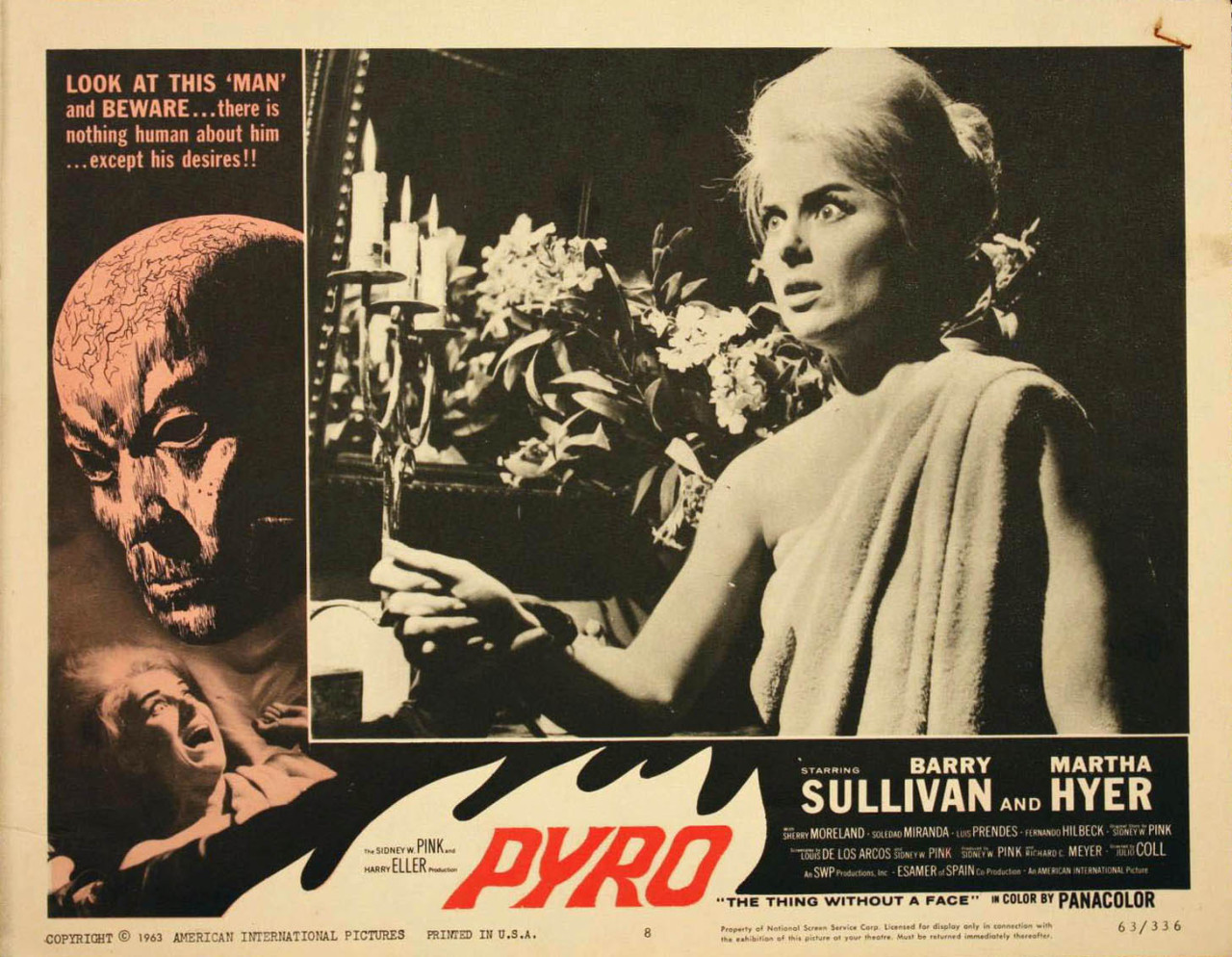
risingtideproject.org – Pyro… The Thing Without a Face (1964) is a gripping psychological thriller that delves into the depths of obsession, revenge, and the destructive power of fire. This Spanish-American production, directed by Julio Coll and Luis García Berlanga, offers a chilling tale of a man disfigured by a tragic accident and his relentless pursuit of vengeance.   

A Face Forever Changed

The film follows the story of Vance Pierson, a successful engineer played by Barry Sullivan. When a disastrous fire, intentionally set by his lover Laura Blanco (Martha Hyer), leaves him severely disfigured, Vance’s life is irrevocably altered. Driven by a thirst for revenge, he transforms into a terrifying figure, consumed by a desire for retribution.   

A Dark and Twisted Revenge

As Vance embarks on his quest for vengeance, he becomes increasingly obsessed with Laura. His pursuit takes a sinister turn, as he orchestrates a series of deadly fires, leaving a trail of destruction in his wake. The film explores the psychological impact of disfigurement and the lengths to which a person will go to seek justice.

A Chilling Exploration of Obsession

Pyro… The Thing Without a Face is a chilling exploration of obsession and the destructive power of revenge. The film’s suspenseful atmosphere, coupled with its dark and twisted plot, creates a truly unsettling viewing experience. The iconic image of Vance’s disfigured face has become a lasting symbol of horror and vengeance.   

A Forgotten Gem of Gothic Horror

Despite its cult following, Pyro… The Thing Without a Face remains a relatively unknown gem of Gothic horror. Its haunting imagery, atmospheric score, and strong performances make it a must-watch for fans of the genre. The film’s exploration of themes such as obsession, revenge, and the consequences of destructive behavior continues to resonate with audiences today.

A Timeless Tale of Darkness and Despair

Pyro… The Thing Without a Face is a timeless tale of darkness and despair. Its chilling portrayal of a man consumed by revenge serves as a cautionary tale about the destructive power of obsession. The film’s enduring legacy is a testament to its ability to provoke fear, empathy, and contemplation.

Damien Omen II: A Sinister Sequel – A Dark and Ominous Tone

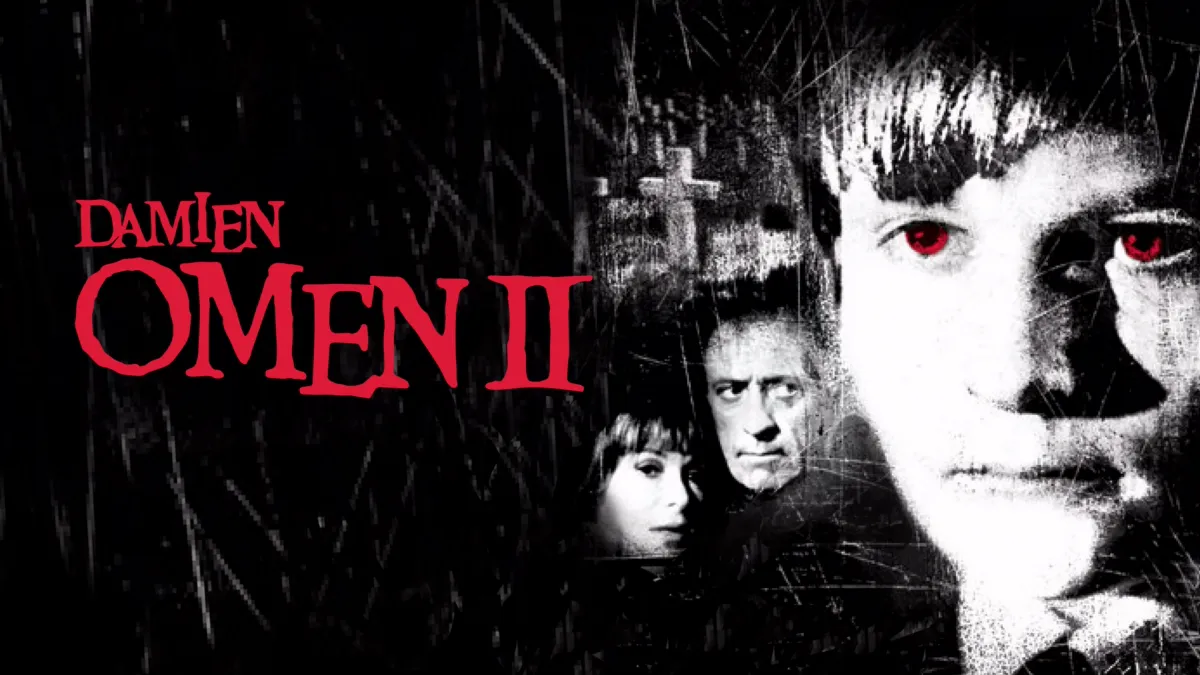
risingtideproject.org – Damien: Omen II is a 1978 horror film that serves as a sequel to the 1976 film The Omen. This installment continues the chilling tale of Damien Thorn, the Antichrist, now a young boy growing up in a seemingly ordinary American family.

A Dark and Ominous Tone

The film maintains the dark and ominous tone of its predecessor, exploring themes of evil, fate, and the supernatural. The film’s eerie atmosphere, coupled with its unsettling score, creates a sense of dread and foreboding.

A Growing Evil

As Damien grows older, so does his evil influence. The film delves into the sinister nature of the young boy, who possesses supernatural powers and a penchant for manipulation. His presence casts a shadow over those around him, leading to a series of tragic events.

A Stellar Cast

Damien: Omen II features a strong cast, including William Holden, Lee Grant, and Robert Foxworth. Holden reprises his role as Robert Thorn, Damien’s adoptive father, who begins to suspect the truth about his son’s demonic nature.

A Cult Classic

The film has achieved cult status, with its iconic imagery and chilling atmosphere resonating with horror fans. Damien’s character, with his piercing blue eyes and sinister smile, has become a memorable villain in the horror genre.

A Legacy of Evil

Damien: Omen II is a significant entry in the Omen franchise, expanding upon the mythology of the Antichrist. The film’s exploration of themes of fate, destiny, and the battle between good and evil has captivated audiences for decades.

A Dark and Disturbing Watch

While the film may not reach the same level of suspense and terror as its predecessor, Damien: Omen II remains a disturbing and thought-provoking horror film. Its exploration of the dark side of human nature and the destructive power of evil continues to resonate with viewers.

The Raid (1954): A Bold and Brutal Civil War Thriller

A Forgotten Gem of American Cinema

risingtideproject.org – The Raid is a 1954 American Western film directed by Hugo Fregonese. Set during the American Civil War, the film tells the story of a group of Confederate soldiers who carry out a daring raid on a Union town in Vermont.   

A Tale of Revenge and Redemption

The film follows Major Benton (Van Heflin), a Confederate officer who is seeking revenge for the destruction of Atlanta by Union General William Tecumseh Sherman. Disguised as a Union officer, Benton infiltrates the small town of St. Albans and orchestrates a daring raid, robbing banks and burning buildings.   

A Stellar Cast and Gripping Performances

The Raid boasts a stellar cast, including Anne Bancroft, Richard Boone, and Lee Marvin. Bancroft delivers a powerful performance as a war widow who becomes entangled in Benton’s plan. Boone and Marvin bring intensity to their roles as members of Benton’s raiding party.   

A Dark and Realistic Portrayal of War

The film offers a gritty and realistic portrayal of the Civil War, highlighting the brutality and devastation of the conflict. It explores themes of revenge, patriotism, and the human cost of war.   

A Forgotten Masterpiece

Despite its critical acclaim and strong performances, The Raid is often overlooked in discussions of classic Westerns. It is a forgotten gem that deserves to be rediscovered by a new generation of film lovers. The film’s intense and morally complex narrative, along with its stunning cinematography, make it a must-watch for fans of historical dramas and war films.

Lovely to Look At: A Technicolor Spectacle

risingtideproject.org – Mervyn LeRoy’s 1952 musical comedy, Lovely to Look At, is a vibrant and visually stunning film that transports audiences to the glamorous world of high fashion. Based on the 1933 Broadway musical Roberta, the film is a delightful blend of romance, comedy, and dazzling dance numbers.  

A Star-Studded Cast

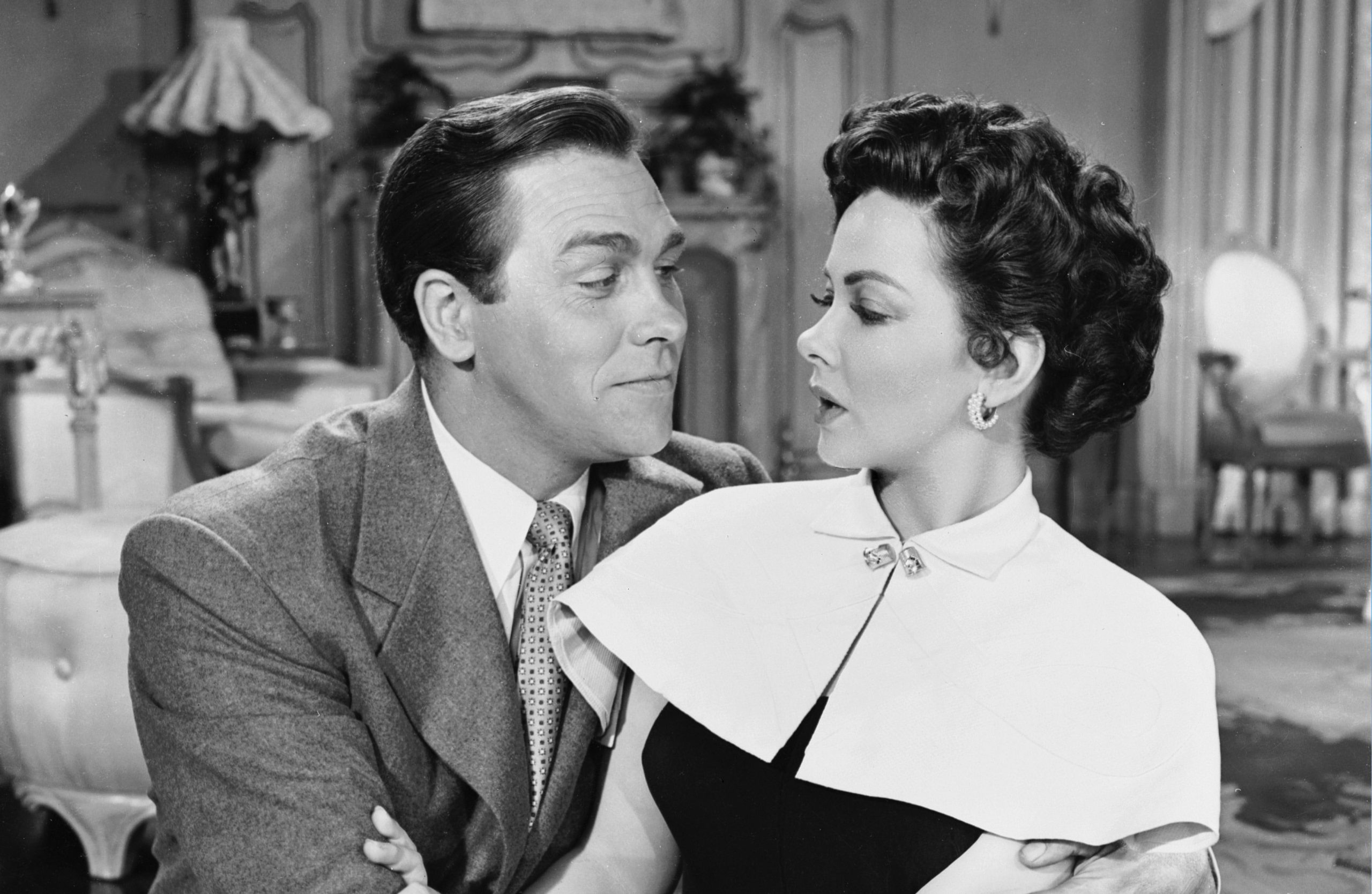
The film boasts a stellar cast, including Kathryn Grayson, Howard Keel, and Red Skelton. Grayson shines as the elegant and sophisticated Stephanie, while Keel plays the charming and talented designer, Tony. Skelton provides comic relief as the bumbling but lovable Jerry. The film also features stunning dance numbers performed by Marge and Gower Champion and Ann Miller.   

A Visual Feast

Lovely to Look At is a visual feast, with lavish costumes designed by Helen Rose and stunning cinematography by George J. Folsey. The film’s vibrant colors and elaborate sets create a captivating world of glamour and sophistication. The iconic fashion show sequences are particularly impressive, showcasing the artistry and creativity of the film’s designers.

A Timeless Classic

Despite its age, Lovely to Look At remains a timeless classic. The film’s catchy songs, witty dialogue, and dazzling dance numbers continue to entertain audiences. It is a reminder of the golden age of Hollywood musicals, when films were produced with care and attention to detail.

Key Themes Explored in the Film:

  • The Power of Dreams: The film celebrates the power of dreams and the importance of pursuing one’s passions.
  • The Magic of Fashion: The film highlights the artistry and creativity of fashion design, and the transformative power of clothing.
  • The Importance of Friendship and Love: The film explores the importance of friendship, love, and family.
  • The Joy of Music and Dance: The film celebrates the power of music and dance to uplift the human spirit.

Conclusion

Lovely to Look At is a delightful and entertaining film that offers a glimpse into the glamorous world of high fashion. Its stunning visuals, catchy songs, and talented cast make it a must-watch for fans of classic Hollywood musicals.

Zombies in the Sugar Cane Field: The Documentary (2019)

risingtideproject.org – Zombies in the Sugar Cane Field: The Documentary (2019) is a fascinating exploration of a forgotten horror film from 1965. Directed by Pablo Schembri, this documentary delves into the mysterious circumstances surrounding the creation, disappearance, and eventual rediscovery of Zombies in the Sugar Cane Field, a film that predates George A. Romero’s iconic Night of the Living Dead.

A Precursor to the Modern Zombie Genre

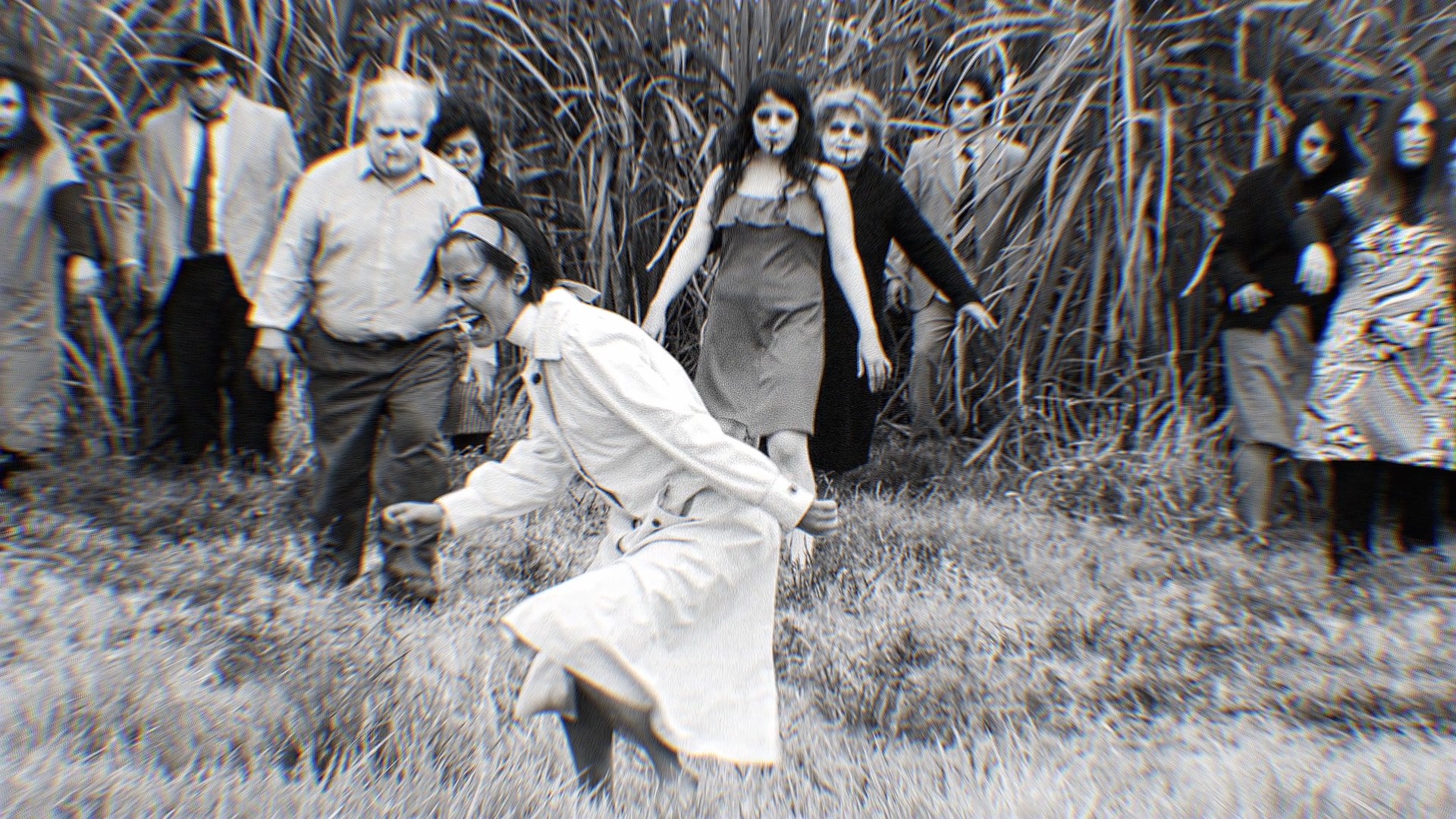
The 1965 film, directed by Ofelio Linares Montt, was a low-budget horror film set in the sugar cane fields of Tucumán, Argentina. The film, though crude by modern standards, was groundbreaking in its depiction of a zombie apocalypse, predating Romero’s work by several years.

Zombies in the Sugar Cane Field (1965) was a product of its time, reflecting the social and political turmoil of Argentina in the 1960s. The film’s zombie hordes can be seen as a metaphor for the oppressive regime of Juan Carlos Onganía, who seized power in 1966. The film’s allegorical nature, combined with its horror elements, made it a controversial and subversive work.

A Mysterious Disappearance

Despite its potential impact, Zombies in the Sugar Cane Field (1965) was lost to history. The film was never officially released, and its prints disappeared without a trace. For decades, it remained a mere rumor, a ghost story among film buffs and horror enthusiasts.

A Cinematic Detective Story

Zombies in the Sugar Cane Field: The Documentary follows the journey of filmmaker Pablo Schembri as he attempts to uncover the truth behind the lost film. The documentary weaves together interviews with film critics, historians, and survivors of the Onganía regime, offering a fascinating glimpse into the film’s production and its subsequent disappearance.

Through archival footage, rare photographs, and firsthand accounts, the documentary brings to life the world of 1960s Argentine cinema. It explores the political and cultural context in which the film was made, shedding light on the censorship and repression that characterized the era.

A Haunting Legacy

Zombies in the Sugar Cane Field: The Documentary is more than just a film about a lost movie; it’s a meditation on the power of cinema to transcend time and space. The documentary highlights the enduring appeal of horror, a genre that taps into our deepest fears and anxieties.

Marta: A Gothic Tale of Obsession and Madness

risingtideproject.org – Released in 1971, Marta is a Spanish-Italian gothic thriller that delves into the depths of a man’s troubled psyche. Directed by José Antonio Nieves Conde, the film stars Stephen Boyd as Don Miguel, a wealthy landowner haunted by a dark secret from his past.   

A Haunting Presence

Don Miguel is a man consumed by grief and guilt, haunted by the memory of his deceased wife, Marta. When a mysterious woman named Pilar, played by Marisa Mell, arrives at his estate, she bears a striking resemblance to his lost love. As Miguel becomes increasingly obsessed with Pilar, the lines between reality and fantasy begin to blur, and a sinister truth emerges.   

A Gothic Masterpiece

Marta is a visually stunning film, with its atmospheric cinematography and haunting score. The film’s gothic setting, with its decaying manor and dark, shadowy corridors, creates a sense of foreboding and dread. The film’s exploration of themes such as obsession, madness, and the destructive power of desire make it a truly disturbing and unforgettable experience.

A Cult Classic

Marta has achieved cult status among fans of gothic horror and psychological thrillers. The film’s stylish visuals, memorable performances, and twisted plot have made it a beloved classic.

A Haunting and Unforgettable Film

Marta is a haunting and unforgettable film that will stay with you long after the credits roll. Its exploration of the dark side of human nature and its exploration of the destructive power of obsession make it a must-watch for fans of the genre.

Coming Home: A Powerful Exploration of War and Its Aftermath

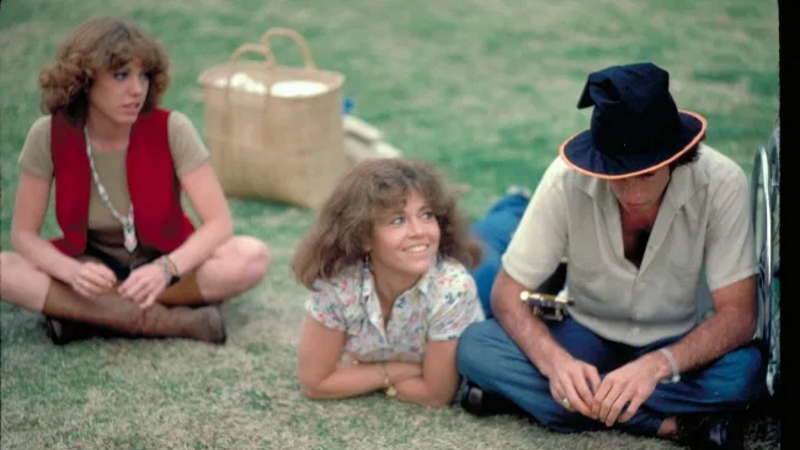
risingtideproject.org – Coming Home (1978) is a poignant and powerful drama that explores the devastating impact of the Vietnam War on soldiers and their families. Directed by Hal Ashby, the film stars Jane Fonda as Sally Hyde, a woman whose life is forever changed by her husband’s experiences in the war.

Fonda’s Oscar-Winning Performance

Jane Fonda delivers a tour-de-force performance as Sally Hyde, a compassionate and empathetic woman who becomes a voice for the anti-war movement. Fonda’s portrayal of Sally’s emotional journey, from a naive and sheltered housewife to a passionate activist, is both heartbreaking and inspiring. Her performance earned her an Academy Award for Best Actress.

A Bold and Controversial Film

Coming Home was a bold and controversial film upon its release. It challenged the prevailing pro-war sentiment in the United States and offered a critical perspective on the human cost of the Vietnam War. The film’s unflinching portrayal of the physical and psychological trauma experienced by soldiers and their families resonated with audiences and sparked important conversations.

A Timeless Exploration of Love and Loss

Beyond its political themes, Coming Home is a powerful exploration of love, loss, and the human spirit. The film’s focus on the emotional impact of war is universal and timeless. Fonda’s performance, along with the strong supporting performances of Jon Voight and Bruce Dern, elevates the film to a level of emotional intensity that is both heartbreaking and inspiring.

A Must-Watch for Fonda Fans

For fans of Jane Fonda, Coming Home is a must-watch. It showcases her incredible talent as an actress and her commitment to social justice. The film’s powerful message, combined with Fonda’s iconic performance, make it a timeless classic.

Conclusion

Coming Home is a powerful and poignant film that continues to resonate with audiences today. Jane Fonda’s performance as Sally Hyde is a tour-de-force, and her portrayal of a complex and compassionate character has solidified her legacy as one of Hollywood’s greatest actresses. The film’s exploration of the human cost of war and its unflinching honesty make it a powerful and unforgettable cinematic experience.

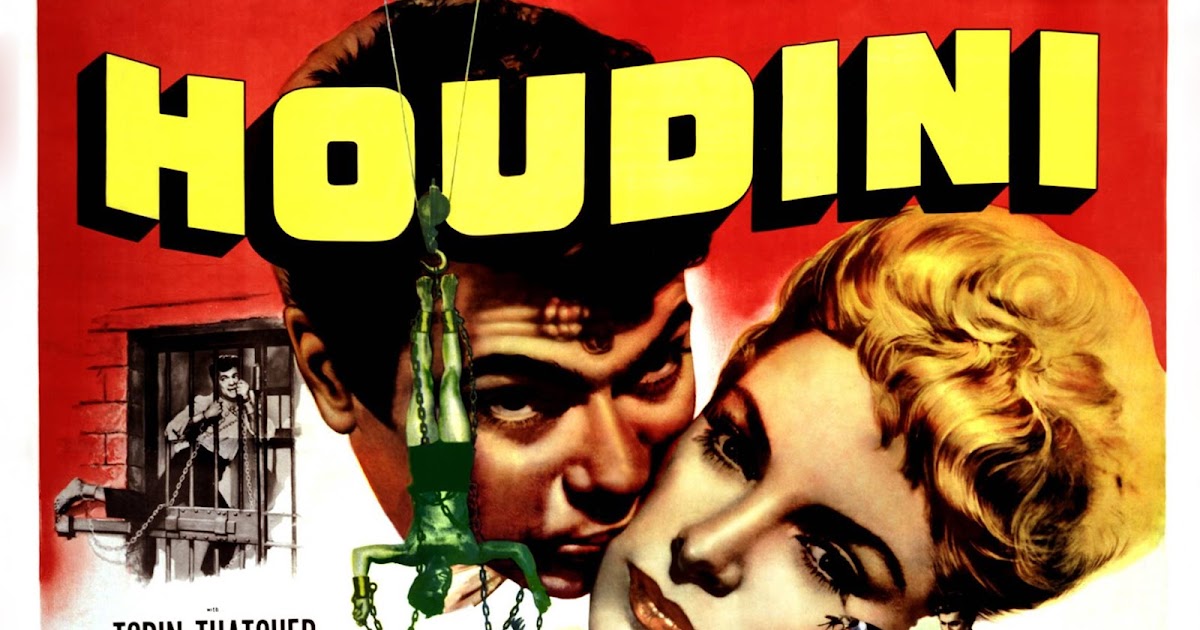
Houdini: A Magical Biography – A Love Story and a Tragic Ending

risingtideproject.org – George Sidney’s 1953 film Houdini is a captivating biographical drama that delves into the extraordinary life of the legendary escape artist, Harry Houdini. Starring Tony Curtis in the title role, the film offers a glimpse into the magician’s dazzling illusions, daring escapes, and personal struggles.

A Masterful Performance by Tony Curtis

Tony Curtis delivers a mesmerizing performance as Houdini, capturing the magician’s charisma, athleticism, and unwavering determination. Curtis’ portrayal of Houdini’s daring escapes, from underwater tank escapes to straitjacket escapes, is both thrilling and awe-inspiring.

A Glimpse into Houdini’s World

The film provides a fascinating glimpse into Houdini’s world, showcasing his groundbreaking illusions and his relentless pursuit of perfection. From his early days as a street magician to his rise to international fame, the film highlights the challenges and triumphs that shaped his career.

A Love Story and a Tragic Ending

Houdini also explores the magician’s personal life, particularly his deep love for his wife, Bess. The film delves into their passionate relationship and their shared dedication to the art of magic. The film also touches upon the tragic circumstances surrounding Houdini’s untimely death, adding a poignant and somber note to the narrative.

A Timeless Tribute to a Legend

Houdini is a timeless tribute to one of history’s greatest magicians. The film’s combination of thrilling escapism, heartfelt romance, and historical accuracy makes it a captivating and unforgettable cinematic experience. Whether you’re a fan of magic, biography, or simply a lover of classic Hollywood cinema, Houdini is a must-watch.

The Blue Knight: A Gritty Portrait of a Cop on the Edge

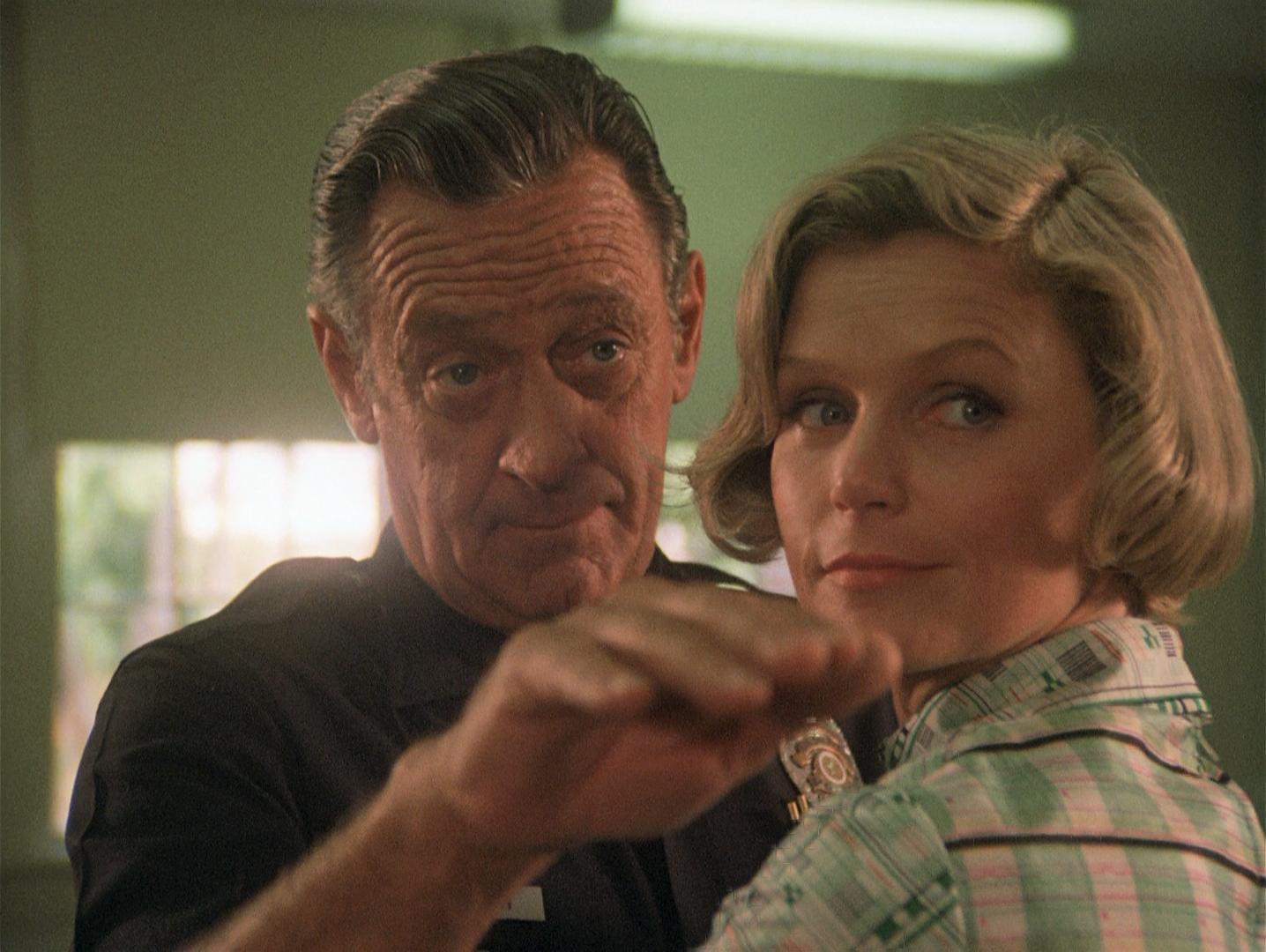
risingtideproject.org – “The Blue Knight” (1973) is a groundbreaking television miniseries that offers a gritty and realistic portrayal of the life of a seasoned Los Angeles police officer. Based on Joseph Wambaugh’s novel of the same name, the series stars William Holden as Bumper Morgan, a veteran cop who is nearing the end of his career.   

A Cop on the Edge

Bumper Morgan is a complex and flawed character, haunted by the horrors he has witnessed on the streets of Los Angeles. As he approaches retirement, he grapples with a sense of disillusionment and weariness. The series delves into the psychological toll of police work, exploring the emotional turmoil that officers experience as they confront violence and injustice on a daily basis.   

A Realistic Depiction of Police Life

“The Blue Knight” offers a realistic and unflinching look at the challenges faced by law enforcement officers. The series highlights the dangers of police work, the corruption within the system, and the impact of crime on the community. The show’s attention to detail and its authentic portrayal of police procedures have made it a landmark in the history of television.  

A Stellar Cast and Crew

The series features a stellar cast, including Lee Remick, Joe Santos, and Sam Elliott. Their performances bring depth and nuance to their characters, making them relatable and believable. The series was also praised for its strong direction and cinematography, which helped to create a gritty and realistic atmosphere.   

A Timeless Classic

“The Blue Knight” remains a timeless classic that continues to resonate with audiences today. Its exploration of the human condition, the complexities of police work, and the challenges of urban life is as relevant as ever. The series’ impact on television is undeniable, paving the way for future police dramas that offer a more realistic and nuanced portrayal of law enforcement.

Conclusion

“The Blue Knight” is a groundbreaking television miniseries that offers a raw and honest portrayal of the life of a police officer. Its complex characters, compelling storyline, and realistic depiction of police work have made it a timeless classic. The series’ enduring legacy lies in its ability to challenge stereotypes and offer a more authentic and humanizing portrayal of law enforcement.

Big Bad Mama II: A Wild Ride Through the 1930s

risingtideproject.org – Big Bad Mama II (1987) is a campy crime comedy that serves as a sequel to the 1974 cult classic Big Bad Mama. The film brings back Angie Dickinson as the iconic Wilma McClatchie, a fearless and charismatic criminal who, along with her two teenage daughters, embarks on a new crime spree set in the 1930s.

A Wild and Wacky Adventure

The film follows Wilma and her daughters as they team up with a bumbling reporter (Robert Culp) to take down a corrupt politician. The plot is filled with over-the-top action sequences, witty dialogue, and plenty of campy humor. The film’s low-budget aesthetic adds to its charm, as it embraces its B-movie roots with gusto.

Angie Dickinson: Still the Big Bad Mama

Angie Dickinson reprises her iconic role with aplomb, delivering a performance that is both glamorous and hilarious. She effortlessly commands the screen, exuding a sense of confidence and charisma that is infectious. The chemistry between Dickinson and her co-stars is palpable, adding to the film’s overall entertainment value.

A Cult Classic in Its Own Right

Despite its mixed reviews, Big Bad Mama II has developed a cult following over the years. Its over-the-top action, colorful characters, and campy humor have resonated with audiences who appreciate its unique blend of genres. The film’s enduring popularity is a testament to its ability to entertain and amuse.

A Fun and Frothy Ride

Big Bad Mama II is a fun and frothy ride that is perfect for fans of B-movies and cult classics. It’s a film that doesn’t take itself too seriously, embracing its campy nature with a wink and a smile. Whether you’re a fan of the original or simply looking for a good laugh, Big Bad Mama II is sure to deliver.

The Divorce: A Comic Exploration of Midlife Crisis

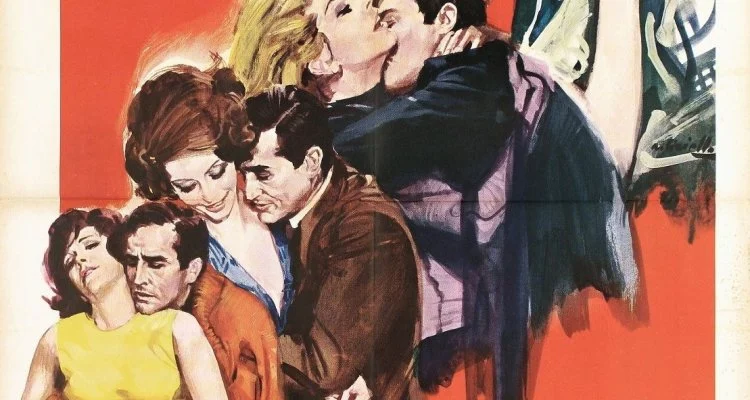
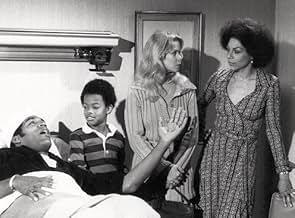
risingtideproject.orgThe Divorce (1970), an Italian comedy film directed by Romolo Guerrieri, offers a humorous take on the complexities of marriage, divorce, and the pursuit of happiness. The film centers around Leonardo Nenci, a middle-aged man played by the iconic Vittorio Gassman, who decides to divorce his wife in hopes of reclaiming his youth and freedom.   

A Midlife Crisis, Italian Style

Nenci’s decision to divorce sets off a chain of comedic misadventures. He envisions a life filled with excitement, romance, and adventure. However, his reality proves to be far different from his expectations. His pursuit of younger women leads to awkward encounters and embarrassing situations. The film satirizes the stereotypes associated with midlife crises, painting a picture of a man who is both desperate and delusional.   

A Stellar Cast

The film boasts a talented cast, including Anna Moffo as Nenci’s estranged wife, Elena, and Nino Castelnuovo as his friend Piero. The supporting cast features a range of colorful characters, from seductive young women to eccentric acquaintances.   

A Humorous Take on a Serious Topic

While The Divorce is a comedy, it also touches on more serious themes, such as the impact of divorce on families and the challenges of aging. The film’s humor often stems from the contrast between Nenci’s idealized vision of his new life and the harsh realities he faces.

A Timeless Comedy

Despite being released in 1970, The Divorce remains a timeless comedy that continues to entertain audiences. Its humor, relatable characters, and sharp social commentary make it a classic of Italian cinema. The film’s exploration of universal themes, such as the pursuit of happiness and the fear of aging, resonates with viewers of all ages.

Heimweh nach St. Pauli: A Journey to Hamburg’s Red Light District

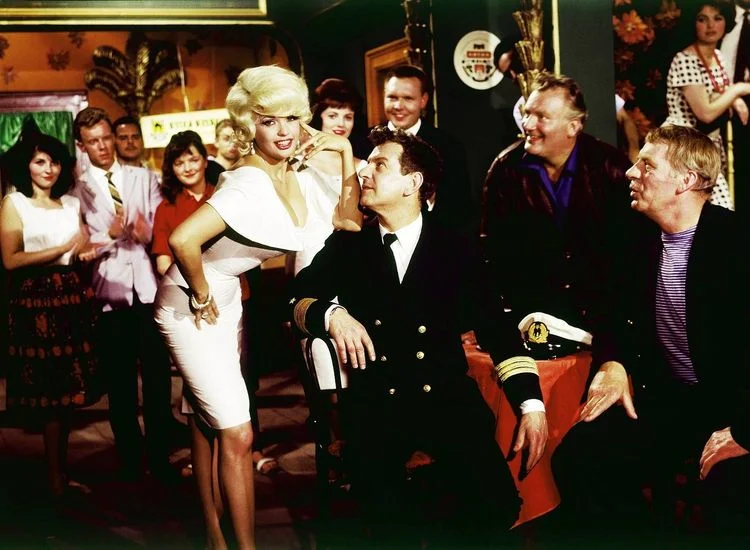
risingtideproject.org – Heimweh nach St. Pauli (Homesick for St. Pauli) is a 1963 German drama film directed by Werner Jacobs and starring Freddy Quinn, Josef Albrecht, and Ullrich Haupt. This film, a cult classic in Germany, offers a nostalgic look at the vibrant and often seedy district of St. Pauli in Hamburg.   

A Tale of Love, Loss, and Redemption

The film follows the story of a young sailor, Charley (played by Freddy Quinn), who returns to his beloved St. Pauli after a long absence. He’s immediately drawn back into the world of bars, brothels, and crime. Charley’s return sparks a series of events, including a love affair with a beautiful woman, a confrontation with a rival gang, and a moral dilemma that threatens to destroy his life.

A Glimpse into a Bygone Era

Heimweh nach St. Pauli offers a fascinating glimpse into the social and cultural landscape of 1960s Germany. The film captures the gritty realism of St. Pauli, a district known for its red-light district, its sailors’ bars, and its distinctive atmosphere. The film’s characters are a colorful mix of sailors, prostitutes, gangsters, and ordinary people, all struggling to survive in a tough and unforgiving world.

A Nostalgic Tribute to St. Pauli

The film’s title, “Homesick for St. Pauli,” reflects the deep emotional connection that many Germans have with this iconic district. The film’s nostalgic tone and its portrayal of St. Pauli as a place of both vice and virtue have resonated with audiences for decades.

Why You Should Watch Heimweh nach St. Pauli

  • A Nostalgic Journey: The film offers a nostalgic look at 1960s Germany and the vibrant culture of St. Pauli.
  • A Gripping Story: The film’s compelling narrative, filled with drama, romance, and suspense, keeps viewers engaged.
  • A Stellar Performance by Freddy Quinn: Quinn’s charismatic performance as Charley is one of the film’s highlights.
  • A Unique Glimpse into German Cinema: The film is a classic example of German cinema of the 1960s, offering a unique blend of melodrama, crime, and social commentary.

Classic Comedy: Billy Wilder’s “One, Two, Three” (1961)

risingtideproject.org – “One, Two, Three” is a 1961 American political comedy film directed by the legendary Billy Wilder. Known for his sharp wit and incisive storytelling, Wilder delivers a film that is both a hilarious satire and a brilliant commentary on the political tensions of its time. Set against the backdrop of the Cold War, this film stands out as a masterpiece of screwball comedy that continues to captivate audiences with its energetic pace and clever dialogue.

Plot Overview

The film follows the story of C.R. MacNamara, played by the charismatic James Cagney, a high-ranking Coca-Cola executive stationed in West Berlin. MacNamara’s ambitions to climb the corporate ladder are disrupted when he is tasked with looking after his boss’s daughter, Scarlett. The plot thickens as Scarlett becomes romantically involved with a young communist, Otto, leading to a series of comedic and politically charged escapades.

Themes and Style

“One, Two, Three” is renowned for its rapid-fire dialogue and farcical situations. Wilder and co-writer I.A.L. Diamond crafted a narrative that not only entertains but also cleverly critiques the absurdities of the Cold War era. The film’s humor is rooted in its satirical portrayal of East-West relations, consumerism, and the clash of ideologies, making it a timeless piece that resonates even today.

Critical Reception and Legacy

Upon its release, “One, Two, Three” received mixed reviews. However, over the years, it has gained recognition as a hidden gem within Wilder’s filmography. Critics have praised its witty script and the standout performance by Cagney, who brings a manic energy to the role of MacNamara. The film’s ability to blend comedy with political commentary has cemented its place as a classic in the genre of satirical cinema.

Conclusion

Billy Wilder’s “One, Two, Three” is a delightful exploration of Cold War politics wrapped in the guise of a frenetic comedy. Its sharp wit, engaging performances, and insightful satire make it a must-watch for fans of classic cinema. As a film that captures the essence of its time while remaining relevant, it exemplifies Wilder’s genius in navigating complex themes with humor and grace. Whether you’re a cinephile or simply looking for an entertaining film, “One, Two, Three” is sure to leave a lasting impression.

A Killing Affair (1977) – A Tense TV Movie Thriller

risingtideproject.org – “A Killing Affair,” a TV movie released in 1977, is a gripping thriller that expertly combines suspense and drama. Directed by Richard C. Sarafian, this film captivates audiences with its intense storyline and strong character development. Set against the backdrop of a small-town murder investigation, “A Killing Affair” explores themes of deception, trust, and the quest for justice.

Plot Overview

The film follows the story of Elizabeth ‘Libby’ Allen, played by Elizabeth Montgomery, a woman whose world is turned upside down when her husband is brutally murdered. As the investigation unfolds, Libby finds herself entangled in a web of intrigue and danger. Suspicion falls on various members of the community, each with their own secrets and motives. As Libby seeks to uncover the truth behind her husband’s death, she must navigate a landscape rife with deception and hidden agendas.

Characters and Performances

Elizabeth Montgomery delivers a compelling performance as Libby Allen, portraying a woman determined to find justice amidst her grief and confusion. Her ability to convey vulnerability and strength adds depth to the character and drives the film’s narrative. The supporting cast, including O.J. Simpson and Dean Stockwell, contributes to the film’s tension and mystery, each character adding layers to the complex web of relationships and suspicions.

Themes and Style

“A Killing Affair” delves into themes of betrayal, trust, and the search for truth. The film’s tension is heightened by its setting in a close-knit community, where secrets are difficult to keep hidden. The narrative is skillfully crafted to maintain suspense, with twists and revelations that keep viewers engaged. The film’s atmospheric cinematography and use of dramatic pacing enhance the overall sense of unease and anticipation.

Cultural Impact and Legacy

While “A Killing Affair” is a product of its time, it remains a noteworthy example of 1970s TV movie thrillers. Elizabeth Montgomery’s performance is a standout, showcasing her versatility as an actress beyond her more well-known comedic roles. The film’s exploration of human relationships and the darker aspects of human nature resonates with audiences, contributing to its lasting impact.

Conclusion

“A Killing Affair” offers a suspenseful and engaging viewing experience, blending elements of mystery and drama in a classic TV movie format. Its strong performances, intricate plot, and exploration of universal themes make it a memorable entry in the genre of thrillers. For fans of suspenseful storytelling and character-driven narratives, “A Killing Affair” provides an intense and satisfying thriller.

The Fifth Musketeer: A Adaptation of Dumas’ Classic Tale

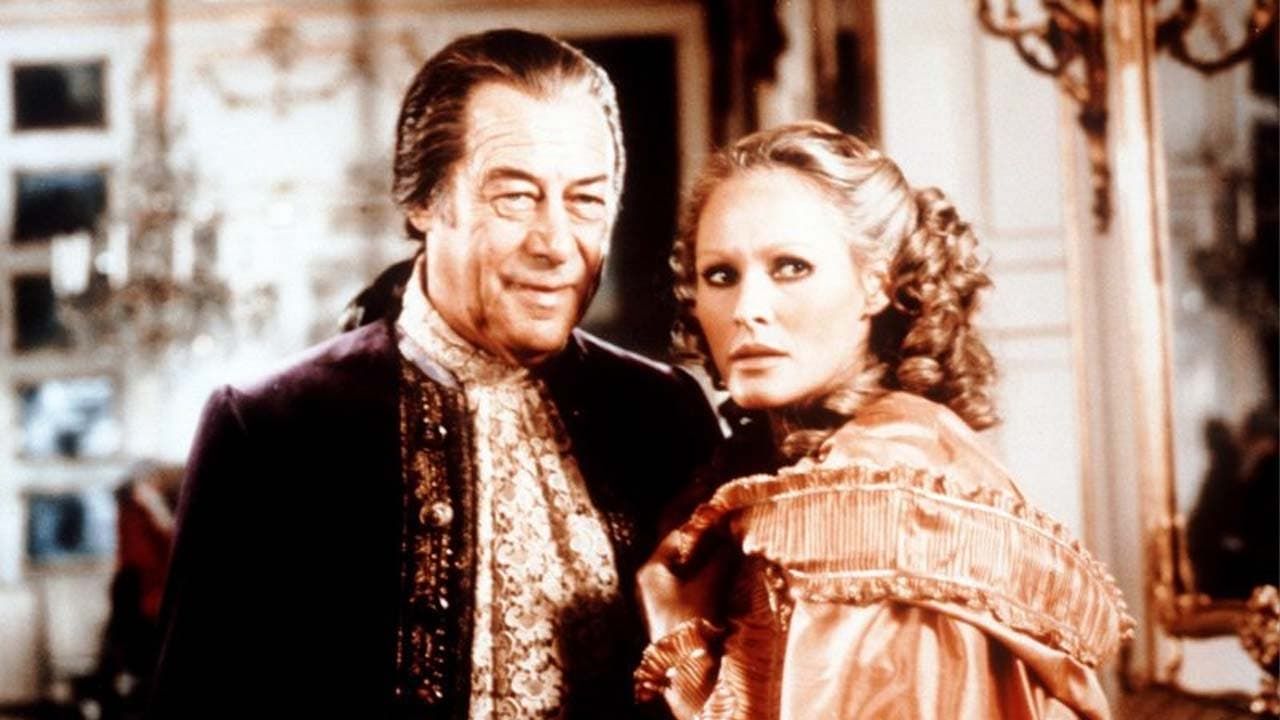
risingtideproject.org – “The Fifth Musketeer” is a 1979 film adaptation of Alexandre Dumas’ famous novel “The Vicomte of Bragelonne: Ten Years Later,” specifically focusing on the story of “The Man in the Iron Mask.” Directed by Ken Annakin, this German-Austrian production brings to life the intrigue and adventure synonymous with Dumas’ works. This article explores the film’s plot, themes, and its place within the genre of historical drama.

Plot Overview

The film is set in 17th-century France and revolves around the legendary tale of a royal conspiracy involving King Louis XIV and his identical twin brother, Philippe. The central plot follows the attempt to replace the tyrannical King Louis with his more compassionate brother, Philippe, who has been imprisoned and forced to wear an iron mask to hide his identity.

Beau Bridges stars in a dual role as both King Louis and Philippe. As the story unfolds, the former musketeers, including the aging D’Artagnan, portrayed by Cornel Wilde, find themselves embroiled in a plot to free Philippe and restore justice to the French throne. The film captures the suspense and drama of the power struggle, weaving together themes of loyalty, identity, and justice.

Themes and Analysis

“The Fifth Musketeer” delves into themes of power, identity, and the moral dilemmas faced by those in positions of authority. The film highlights the stark contrast between the two brothers—one driven by ambition and tyranny, the other by compassion and justice. This dichotomy raises questions about the nature of leadership and the impact of power on personal integrity.

The theme of identity is central to the narrative, as Philippe’s struggle to reclaim his rightful place challenges the societal norms that dictate one’s role based on birthright. This exploration of identity and self-discovery adds depth to the film, prompting viewers to consider the true essence of leadership and morality.

Cultural Impact

As an adaptation of a classic tale, “The Fifth Musketeer” contributes to the rich tradition of films inspired by Dumas’ works. Its portrayal of historical intrigue and adventure appeals to fans of swashbuckling dramas and those interested in the complexities of historical narratives.

The film’s production, featuring European settings and a cast of notable actors, adds to its authenticity and appeal. It captures the essence of Dumas’ storytelling, bringing the timeless themes of his novels to a new audience. Despite mixed reviews, the film remains a part of the broader cultural tapestry of adaptations that celebrate Dumas’ enduring legacy.

Conclusion

“The Fifth Musketeer” offers a cinematic exploration of a well-loved tale, blending historical drama with themes of identity and power. Through its portrayal of the legendary musketeers and the intrigue of the French court, the film continues to engage audiences with its timeless narrative. As part of the canon of adaptations of Dumas’ works, it serves as both an homage to the original story and a standalone piece of historical drama.

Viva Las Vegas (1964): Elvis Presley’s Electrifying Romp

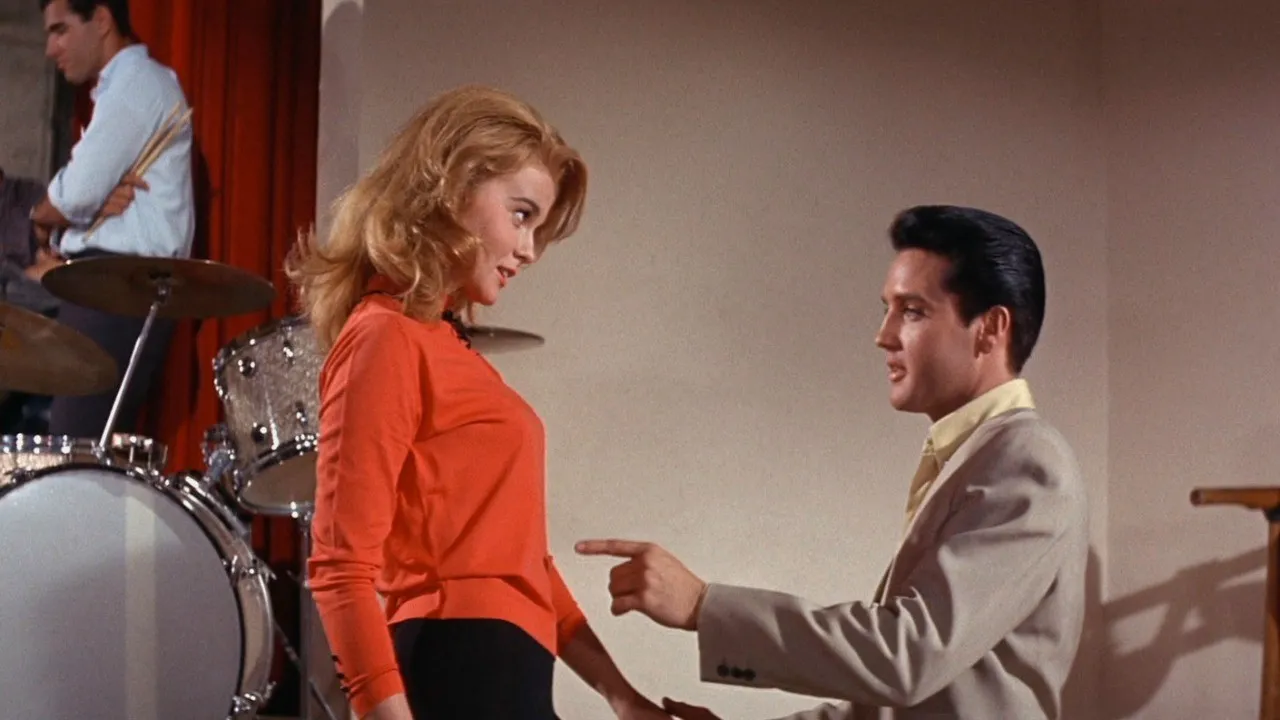
risingtideproject.org – “Viva Las Vegas,” released in 1964, is a vibrant musical film that showcases Elvis Presley at the height of his career. Directed by George Sidney, this film pairs the King of Rock ‘n’ Roll with the dazzling Ann-Margret, creating a dynamic on-screen chemistry that has captivated audiences for decades. Set against the backdrop of the glitzy city of Las Vegas, the film is a celebration of music, romance, and high-octane adventure.

Plot Summary

The film follows Lucky Jackson, a charismatic race car driver played by Elvis Presley, who arrives in Las Vegas to participate in the city’s first annual Grand Prix. However, he finds himself short on funds to fix his car. In his quest to raise money, he crosses paths with Rusty Martin, a spirited swimming instructor played by Ann-Margret. What ensues is a whirlwind romance filled with lively musical numbers and comedic antics as Lucky tries to win Rusty’s heart while preparing for the big race.

Musical Highlights

“Viva Las Vegas” is renowned for its energetic soundtrack, featuring songs that have become synonymous with Elvis’s musical legacy. The title track, “Viva Las Vegas,” is one of Presley’s most iconic songs, capturing the excitement and allure of the city. The film’s musical numbers are infused with the vibrant energy and charisma of both Elvis and Ann-Margret, making them a highlight for fans.

Cinematic Style and Legacy

The film’s colorful portrayal of Las Vegas, with its bright lights and glamorous settings, adds to its appeal. Director George Sidney’s use of dynamic camera work and lively choreography enhances the film’s upbeat tone. The chemistry between Elvis Presley and Ann-Margret is palpable, contributing to the film’s enduring popularity. “Viva Las Vegas” is often regarded as one of Elvis’s best films, showcasing his talent as both a singer and actor.

Conclusion

“Viva Las Vegas” remains a beloved classic in the musical film genre, celebrated for its catchy tunes, charismatic performances, and vibrant depiction of Las Vegas. It captures the essence of 1960s pop culture, offering audiences a delightful blend of romance, music, and high-speed thrills. This film continues to be a favorite among Elvis enthusiasts and movie lovers alike, standing as a testament to the enduring legacy of the King of Rock ‘n’ Roll.

There’s No Business Like Show Business (1954)

risingtideproject.org – Released in 1954, “There’s No Business Like Show Business” is a vibrant musical that celebrates the glitz and glamour of the entertainment industry. Directed by Walter Lang, the film features an ensemble cast including Ethel Merman, Donald O’Connor, Marilyn Monroe, Dan Dailey, and Mitzi Gaynor. With its dazzling musical numbers and heartfelt story, the movie offers a nostalgic look at the world of show business.

Plot and Characters

The film follows the Donahue family, a talented group of vaudeville performers whose lives revolve around the stage. Ethel Merman and Dan Dailey star as Molly and Terence Donahue, the patriarch and matriarch of the family. Their children, Tim (Donald O’Connor), Steve (Johnnie Ray), and Katy (Mitzi Gaynor), each contribute their unique talents to the family act.

As the story unfolds, the Donahues face a series of personal and professional challenges that test their resilience and unity. Steve, the youngest son, decides to pursue a career outside of show business, causing tension within the family. Meanwhile, Tim falls for the glamorous singer Vicky Parker, played by Marilyn Monroe, whose presence adds both allure and complications to the family’s dynamic.

Themes and Impact

“There’s No Business Like Show Business” explores themes of family, ambition, and the sacrifices made for a life in the spotlight. The film highlights the joys and struggles of performing, capturing the essence of a career driven by passion and dedication. Through the Donahue family’s journey, it emphasizes the importance of love and support in overcoming obstacles.

The film’s title song, “There’s No Business Like Show Business,” penned by Irving Berlin, encapsulates the movie’s celebratory spirit. The musical numbers are a standout feature, showcasing the talents of the cast and providing a dazzling spectacle for audiences.

Reception and Legacy

Upon its release, the film received mixed reviews, with some critics praising its musical performances and star-studded cast, while others found the plot to be somewhat formulaic. Despite this, it has endured as a beloved classic, particularly noted for its lavish production and memorable performances.

Marilyn Monroe’s role as Vicky Parker is often highlighted as a key attraction, adding her iconic charm and charisma to the film. Ethel Merman’s powerful vocals and commanding presence also leave a lasting impression, reinforcing her status as a musical theater legend.

Today, “There’s No Business Like Show Business” is cherished for its nostalgic appeal and its celebration of the performing arts. It remains a colorful tribute to the magic of show business, capturing the enduring allure of life on stage.

Nang Nak (1999): A Haunting Tale of Love and Loss

risingtideproject.org – “Nang Nak,” directed by Nonzee Nimibutr and released in 1999, is a poignant Thai horror film that weaves a tale of enduring love and tragic loss. Rooted in Thai folklore, the film revisits the legendary story of Mae Nak, a ghostly figure whose love for her husband transcends the boundaries between life and death. “Nang Nak” stands out for its emotional depth, atmospheric storytelling, and its exploration of themes that resonate deeply within Thai culture.

Plot Summary

Set in the 19th century, “Nang Nak” follows the story of Mak, a young man who returns home from war to his beloved wife, Nak, in a serene village along the river. Unbeknownst to Mak, Nak and their child died during childbirth while he was away. Despite this, Nak’s spirit remains, longing to be with her husband. As the village becomes aware of Nak’s supernatural presence, tensions rise, leading to an inevitable confrontation between the living and the spirit world. The film unfolds with a mix of suspense, romance, and tragedy, capturing the enduring bond between Mak and Nak.

Themes and Analysis

“Nang Nak” explores themes of love, loss, and the supernatural, blending horror with a deeply emotional narrative. The film delves into the power of love that transcends death, highlighting the pain of separation and the longing for reunion. It also touches on the cultural beliefs surrounding spirits and the afterlife in Thai society. Through the lens of folklore, “Nang Nak” examines the intersection of tradition, superstition, and the human heart.

Direction and Cinematography

Nonzee Nimibutr’s direction is both sensitive and evocative, creating an atmosphere that is haunting yet beautiful. The film’s cinematography captures the lush, rural landscape of Thailand, using natural light and shadow to enhance the eerie yet poignant mood. The visual storytelling is complemented by a haunting musical score that amplifies the film’s emotional and suspenseful moments.

Performances

The performances in “Nang Nak” are compelling and heartfelt. Intira Jaroenpura, in the role of Nak, delivers a performance that is both haunting and tender, capturing the complexity of a spirit torn between love and sorrow. Winai Kraibutr portrays Mak with a nuanced blend of devotion and vulnerability, making their on-screen chemistry both believable and moving. The supporting cast adds depth to the village community, enriching the film’s exploration of collective fear and empathy.

Conclusion

“Nang Nak” is a masterfully crafted film that transcends the horror genre with its emotional storytelling and cultural resonance. It offers a unique blend of romance and supernatural elements, inviting viewers to reflect on themes of love, loss, and the enduring bonds that connect us. For those interested in folklore-based narratives and atmospheric cinema, “Nang Nak” provides a captivating and emotionally charged experience that lingers long after the credits roll.

In the Mood for Love (2000): A Timeless Exploration of Unspoken Love

risingtideproject.org – “In the Mood for Love” is a 2000 romantic drama film directed by Wong Kar-wai. It has been celebrated for its aesthetic beauty, emotional depth, and its exploration of unspoken love and longing. Set in 1960s Hong Kong, the film stars Tony Leung and Maggie Cheung as neighbors who form a deep emotional connection after suspecting their spouses of infidelity.

Plot Overview

The film follows Chow Mo-wan (Tony Leung), a journalist, and Su Li-zhen (Maggie Cheung), a secretary, who become neighbors in a crowded apartment building. As they both deal with their spouses’ absences, they slowly realize that their spouses are having an affair with each other. This revelation brings Chow and Su closer, leading to a complex relationship grounded in shared pain and subtle, unspoken attraction.

Visual Style and Cinematography

Wong Kar-wai’s distinct visual style is a hallmark of “In the Mood for Love.” The film is renowned for its rich color palette, meticulous framing, and use of slow-motion cinematography, which together evoke a sense of nostalgia and melancholy. The artful use of lighting and score further enhances its emotional impact, creating a dreamlike atmosphere that transports the audience to a bygone era.

Themes and Symbolism

At its core, “In the Mood for Love” is a meditation on unfulfilled desires and the passage of time. The film’s recurring motifs, such as clocks and mirrors, emphasize themes of longing and self-reflection. The characters’ restrained emotions highlight the societal constraints of the time, illustrating how cultural norms and personal morals shape human relationships.

Cultural Impact and Reception

Upon its release, “In the Mood for Love” received critical acclaim and numerous awards, including a Best Actor award for Tony Leung at the Cannes Film Festival. It has since become a classic, often cited as one of the greatest films of all time. Its influence extends beyond cinema, inspiring various artists and musicians.

Conclusion

“In the Mood for Love” is more than a film; it is a poignant exploration of love’s complexities and the quiet moments that define human connections. Wong Kar-wai’s masterpiece continues to resonate with audiences, inviting viewers to reflect on their own experiences of love and loss.

The Lion King: A Timeless Animated Classic

risingtideproject.org – Released in 1994 by Walt Disney Animation Studios, “The Lion King” is a beloved animated film that has captured the hearts of audiences worldwide. Directed by Roger Allers and Rob Minkoff, the film tells a coming-of-age story set against the majestic backdrop of the African savanna. With its memorable characters, stunning animation, and iconic music, “The Lion King” remains a cherished classic in the world of animation.

Plot Overview

The story follows Simba, a young lion cub destined to become the king of the Pride Lands. As the son of King Mufasa, Simba eagerly anticipates his future role. However, his journey is disrupted by the treacherous actions of his uncle Scar, who covets the throne for himself. After a tragic event forces Simba to flee, he grows up in exile, befriending the carefree duo Timon and Pumbaa.

As Simba matures, he must confront his past and embrace his destiny to reclaim his rightful place as king. With the guidance of Mufasa’s spirit and the support of his childhood friend Nala, Simba learns valuable lessons about responsibility, courage, and the circle of life.

Themes and Symbolism

At its core, “The Lion King” explores themes of identity, responsibility, and redemption. The film examines the journey of self-discovery and the importance of facing one’s past to fulfill one’s destiny. The circle of life, a central theme, symbolizes the interconnectedness of all living things and the natural order of the world.

Cinematic Techniques

“The Lion King” is renowned for its groundbreaking animation and vibrant visuals. The film’s animators drew inspiration from real African landscapes and wildlife, resulting in a richly detailed and immersive world. The music, composed by Elton John and Tim Rice, with a score by Hans Zimmer, features unforgettable songs like “Circle of Life,” “Hakuna Matata,” and “Can You Feel the Love Tonight.”

Cultural Impact and Legacy

“The Lion King” was a monumental success, both critically and commercially. It became one of the highest-grossing animated films of all time and received numerous awards, including Academy Awards for its music. The film’s success led to a franchise that includes sequels, a hit Broadway musical, and a 2019 live-action adaptation.

Conclusion

“The Lion King” is more than just an animated film; it is a timeless story of growth, courage, and the enduring bonds of family. Its captivating narrative, memorable music, and stunning animation have ensured its place as a beloved classic for generations. As Simba’s journey continues to inspire audiences, “The Lion King” remains a testament to the power of storytelling and the magic of animation.