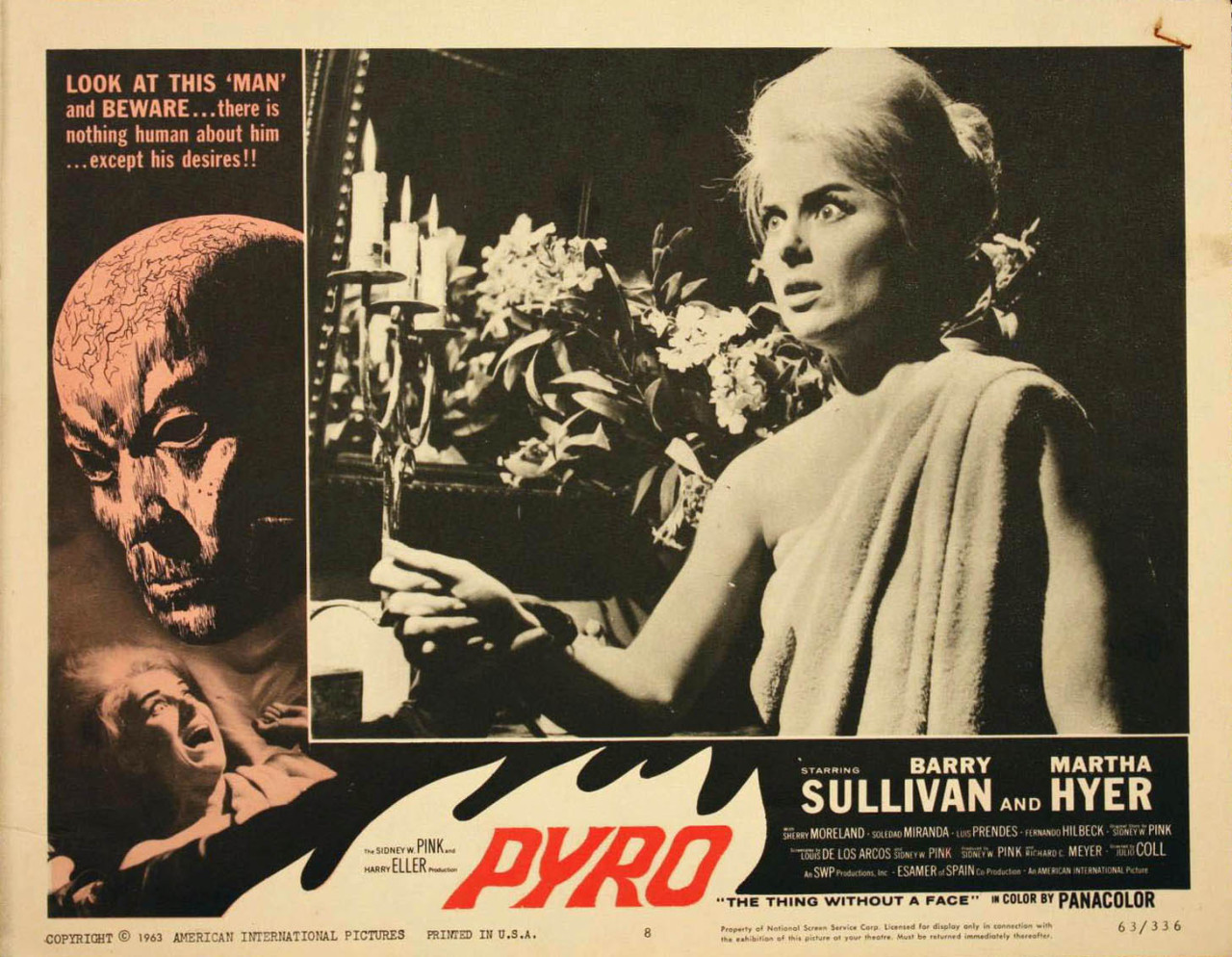
Pyro… The Thing Without a Face (1964): A Blazing Tale of Revenge  

risingtideproject.org – Pyro… The Thing Without a Face (1964) is a gripping psychological thriller that delves into the depths of obsession, revenge, and the destructive power of fire. This Spanish-American production, directed by Julio Coll and Luis García Berlanga, offers a chilling tale of a man disfigured by a tragic accident and his relentless pursuit of vengeance.   

A Face Forever Changed

The film follows the story of Vance Pierson, a successful engineer played by Barry Sullivan. When a disastrous fire, intentionally set by his lover Laura Blanco (Martha Hyer), leaves him severely disfigured, Vance’s life is irrevocably altered. Driven by a thirst for revenge, he transforms into a terrifying figure, consumed by a desire for retribution.   

A Dark and Twisted Revenge

As Vance embarks on his quest for vengeance, he becomes increasingly obsessed with Laura. His pursuit takes a sinister turn, as he orchestrates a series of deadly fires, leaving a trail of destruction in his wake. The film explores the psychological impact of disfigurement and the lengths to which a person will go to seek justice.

A Chilling Exploration of Obsession

Pyro… The Thing Without a Face is a chilling exploration of obsession and the destructive power of revenge. The film’s suspenseful atmosphere, coupled with its dark and twisted plot, creates a truly unsettling viewing experience. The iconic image of Vance’s disfigured face has become a lasting symbol of horror and vengeance.   

A Forgotten Gem of Gothic Horror

Despite its cult following, Pyro… The Thing Without a Face remains a relatively unknown gem of Gothic horror. Its haunting imagery, atmospheric score, and strong performances make it a must-watch for fans of the genre. The film’s exploration of themes such as obsession, revenge, and the consequences of destructive behavior continues to resonate with audiences today.

A Timeless Tale of Darkness and Despair

Pyro… The Thing Without a Face is a timeless tale of darkness and despair. Its chilling portrayal of a man consumed by revenge serves as a cautionary tale about the destructive power of obsession. The film’s enduring legacy is a testament to its ability to provoke fear, empathy, and contemplation.
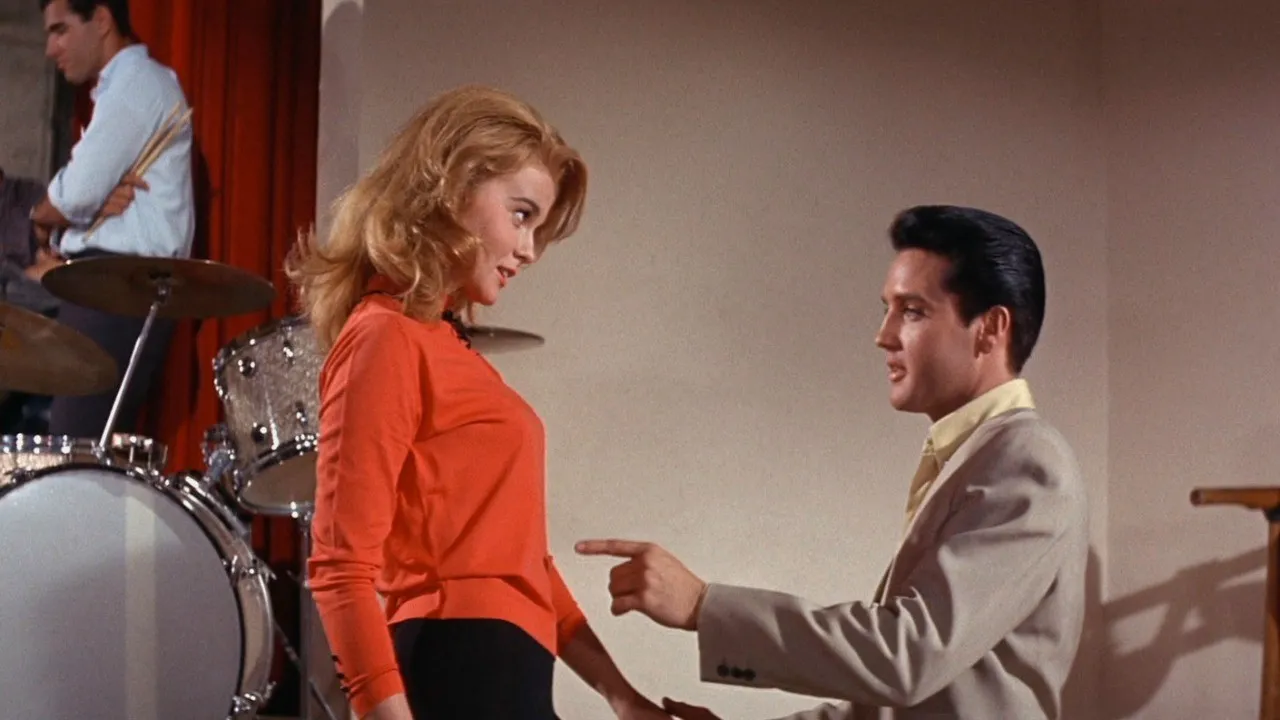
Viva Las Vegas (1964): Elvis Presley’s Electrifying Romp

risingtideproject.org – “Viva Las Vegas,” released in 1964, is a vibrant musical film that showcases Elvis Presley at the height of his career. Directed by George Sidney, this film pairs the King of Rock ‘n’ Roll with the dazzling Ann-Margret, creating a dynamic on-screen chemistry that has captivated audiences for decades. Set against the backdrop of the glitzy city of Las Vegas, the film is a celebration of music, romance, and high-octane adventure.

Plot Summary

The film follows Lucky Jackson, a charismatic race car driver played by Elvis Presley, who arrives in Las Vegas to participate in the city’s first annual Grand Prix. However, he finds himself short on funds to fix his car. In his quest to raise money, he crosses paths with Rusty Martin, a spirited swimming instructor played by Ann-Margret. What ensues is a whirlwind romance filled with lively musical numbers and comedic antics as Lucky tries to win Rusty’s heart while preparing for the big race.

Musical Highlights

“Viva Las Vegas” is renowned for its energetic soundtrack, featuring songs that have become synonymous with Elvis’s musical legacy. The title track, “Viva Las Vegas,” is one of Presley’s most iconic songs, capturing the excitement and allure of the city. The film’s musical numbers are infused with the vibrant energy and charisma of both Elvis and Ann-Margret, making them a highlight for fans.

Cinematic Style and Legacy

The film’s colorful portrayal of Las Vegas, with its bright lights and glamorous settings, adds to its appeal. Director George Sidney’s use of dynamic camera work and lively choreography enhances the film’s upbeat tone. The chemistry between Elvis Presley and Ann-Margret is palpable, contributing to the film’s enduring popularity. “Viva Las Vegas” is often regarded as one of Elvis’s best films, showcasing his talent as both a singer and actor.

Conclusion

“Viva Las Vegas” remains a beloved classic in the musical film genre, celebrated for its catchy tunes, charismatic performances, and vibrant depiction of Las Vegas. It captures the essence of 1960s pop culture, offering audiences a delightful blend of romance, music, and high-speed thrills. This film continues to be a favorite among Elvis enthusiasts and movie lovers alike, standing as a testament to the enduring legacy of the King of Rock ‘n’ Roll.