Pyro… The Thing Without a Face (1964): A Blazing Tale of Revenge  

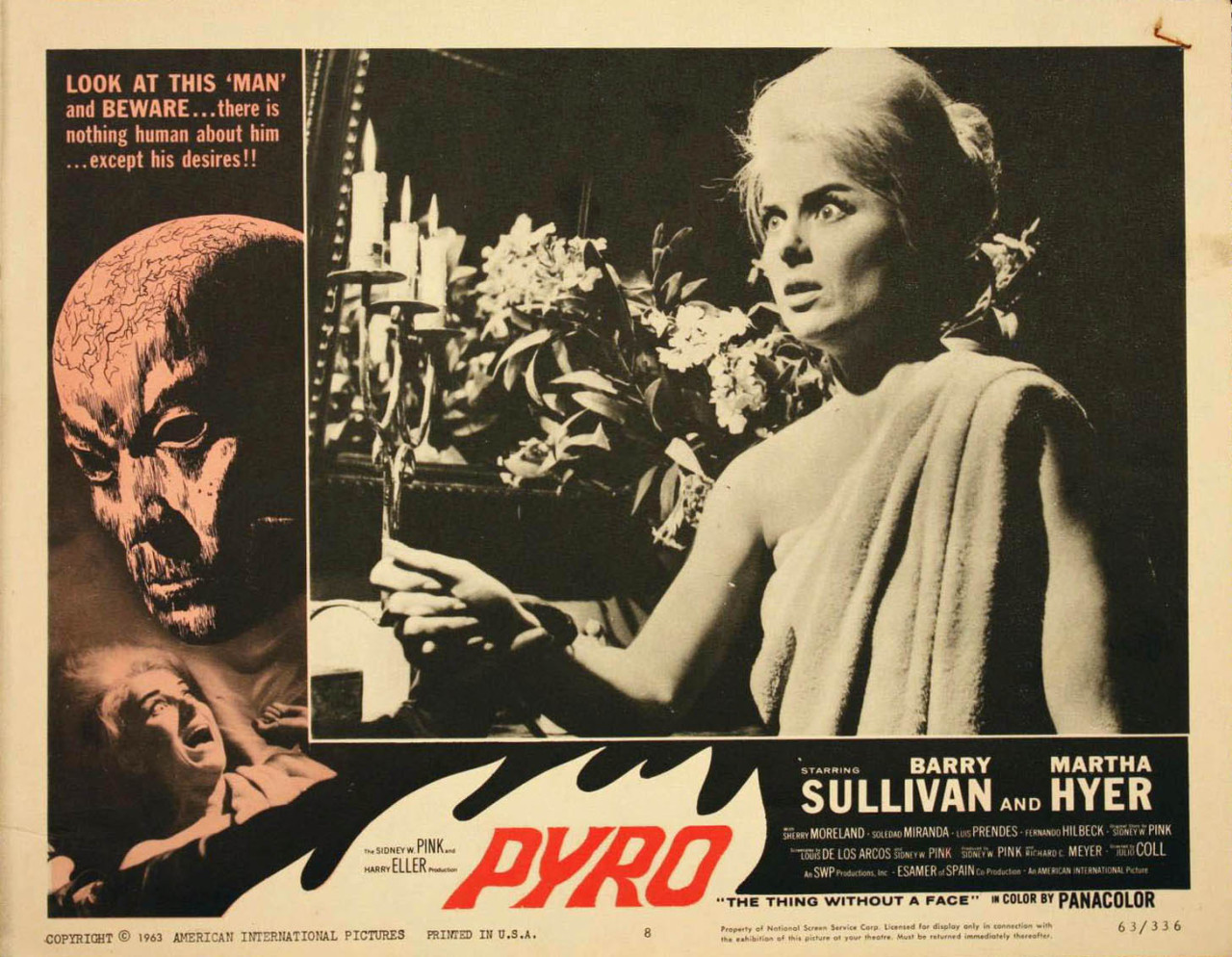
risingtideproject.org – Pyro… The Thing Without a Face (1964) is a gripping psychological thriller that delves into the depths of obsession, revenge, and the destructive power of fire. This Spanish-American production, directed by Julio Coll and Luis García Berlanga, offers a chilling tale of a man disfigured by a tragic accident and his relentless pursuit of vengeance.   

A Face Forever Changed

The film follows the story of Vance Pierson, a successful engineer played by Barry Sullivan. When a disastrous fire, intentionally set by his lover Laura Blanco (Martha Hyer), leaves him severely disfigured, Vance’s life is irrevocably altered. Driven by a thirst for revenge, he transforms into a terrifying figure, consumed by a desire for retribution.   

A Dark and Twisted Revenge

As Vance embarks on his quest for vengeance, he becomes increasingly obsessed with Laura. His pursuit takes a sinister turn, as he orchestrates a series of deadly fires, leaving a trail of destruction in his wake. The film explores the psychological impact of disfigurement and the lengths to which a person will go to seek justice.

A Chilling Exploration of Obsession

Pyro… The Thing Without a Face is a chilling exploration of obsession and the destructive power of revenge. The film’s suspenseful atmosphere, coupled with its dark and twisted plot, creates a truly unsettling viewing experience. The iconic image of Vance’s disfigured face has become a lasting symbol of horror and vengeance.   

A Forgotten Gem of Gothic Horror

Despite its cult following, Pyro… The Thing Without a Face remains a relatively unknown gem of Gothic horror. Its haunting imagery, atmospheric score, and strong performances make it a must-watch for fans of the genre. The film’s exploration of themes such as obsession, revenge, and the consequences of destructive behavior continues to resonate with audiences today.

A Timeless Tale of Darkness and Despair

Pyro… The Thing Without a Face is a timeless tale of darkness and despair. Its chilling portrayal of a man consumed by revenge serves as a cautionary tale about the destructive power of obsession. The film’s enduring legacy is a testament to its ability to provoke fear, empathy, and contemplation.

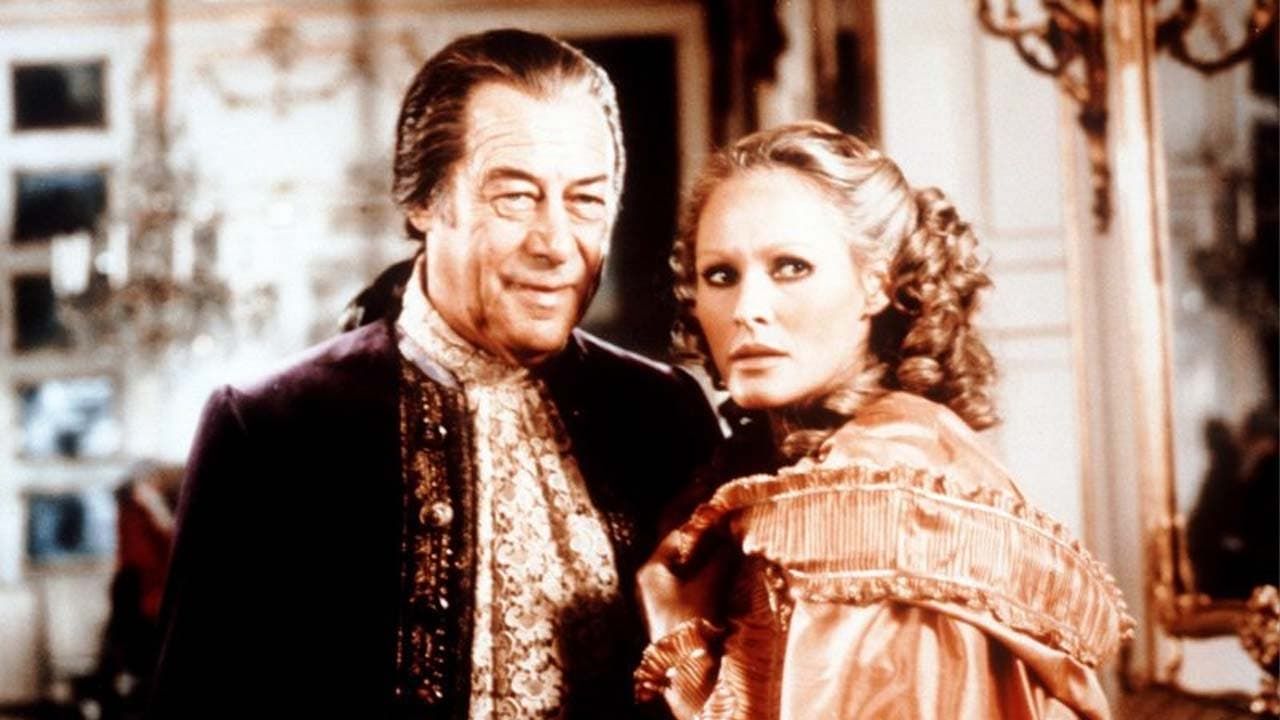
Marta: A Gothic Tale of Obsession and Madness

risingtideproject.org – Released in 1971, Marta is a Spanish-Italian gothic thriller that delves into the depths of a man’s troubled psyche. Directed by José Antonio Nieves Conde, the film stars Stephen Boyd as Don Miguel, a wealthy landowner haunted by a dark secret from his past.   

A Haunting Presence

Don Miguel is a man consumed by grief and guilt, haunted by the memory of his deceased wife, Marta. When a mysterious woman named Pilar, played by Marisa Mell, arrives at his estate, she bears a striking resemblance to his lost love. As Miguel becomes increasingly obsessed with Pilar, the lines between reality and fantasy begin to blur, and a sinister truth emerges.   

A Gothic Masterpiece

Marta is a visually stunning film, with its atmospheric cinematography and haunting score. The film’s gothic setting, with its decaying manor and dark, shadowy corridors, creates a sense of foreboding and dread. The film’s exploration of themes such as obsession, madness, and the destructive power of desire make it a truly disturbing and unforgettable experience.

A Cult Classic

Marta has achieved cult status among fans of gothic horror and psychological thrillers. The film’s stylish visuals, memorable performances, and twisted plot have made it a beloved classic.

A Haunting and Unforgettable Film

Marta is a haunting and unforgettable film that will stay with you long after the credits roll. Its exploration of the dark side of human nature and its exploration of the destructive power of obsession make it a must-watch for fans of the genre.

The Fifth Musketeer: A Adaptation of Dumas’ Classic Tale

risingtideproject.org – “The Fifth Musketeer” is a 1979 film adaptation of Alexandre Dumas’ famous novel “The Vicomte of Bragelonne: Ten Years Later,” specifically focusing on the story of “The Man in the Iron Mask.” Directed by Ken Annakin, this German-Austrian production brings to life the intrigue and adventure synonymous with Dumas’ works. This article explores the film’s plot, themes, and its place within the genre of historical drama.

Plot Overview

The film is set in 17th-century France and revolves around the legendary tale of a royal conspiracy involving King Louis XIV and his identical twin brother, Philippe. The central plot follows the attempt to replace the tyrannical King Louis with his more compassionate brother, Philippe, who has been imprisoned and forced to wear an iron mask to hide his identity.

Beau Bridges stars in a dual role as both King Louis and Philippe. As the story unfolds, the former musketeers, including the aging D’Artagnan, portrayed by Cornel Wilde, find themselves embroiled in a plot to free Philippe and restore justice to the French throne. The film captures the suspense and drama of the power struggle, weaving together themes of loyalty, identity, and justice.

Themes and Analysis

“The Fifth Musketeer” delves into themes of power, identity, and the moral dilemmas faced by those in positions of authority. The film highlights the stark contrast between the two brothers—one driven by ambition and tyranny, the other by compassion and justice. This dichotomy raises questions about the nature of leadership and the impact of power on personal integrity.

The theme of identity is central to the narrative, as Philippe’s struggle to reclaim his rightful place challenges the societal norms that dictate one’s role based on birthright. This exploration of identity and self-discovery adds depth to the film, prompting viewers to consider the true essence of leadership and morality.

Cultural Impact

As an adaptation of a classic tale, “The Fifth Musketeer” contributes to the rich tradition of films inspired by Dumas’ works. Its portrayal of historical intrigue and adventure appeals to fans of swashbuckling dramas and those interested in the complexities of historical narratives.

The film’s production, featuring European settings and a cast of notable actors, adds to its authenticity and appeal. It captures the essence of Dumas’ storytelling, bringing the timeless themes of his novels to a new audience. Despite mixed reviews, the film remains a part of the broader cultural tapestry of adaptations that celebrate Dumas’ enduring legacy.

Conclusion

“The Fifth Musketeer” offers a cinematic exploration of a well-loved tale, blending historical drama with themes of identity and power. Through its portrayal of the legendary musketeers and the intrigue of the French court, the film continues to engage audiences with its timeless narrative. As part of the canon of adaptations of Dumas’ works, it serves as both an homage to the original story and a standalone piece of historical drama.

Nang Nak (1999): A Haunting Tale of Love and Loss

risingtideproject.org – “Nang Nak,” directed by Nonzee Nimibutr and released in 1999, is a poignant Thai horror film that weaves a tale of enduring love and tragic loss. Rooted in Thai folklore, the film revisits the legendary story of Mae Nak, a ghostly figure whose love for her husband transcends the boundaries between life and death. “Nang Nak” stands out for its emotional depth, atmospheric storytelling, and its exploration of themes that resonate deeply within Thai culture.

Plot Summary

Set in the 19th century, “Nang Nak” follows the story of Mak, a young man who returns home from war to his beloved wife, Nak, in a serene village along the river. Unbeknownst to Mak, Nak and their child died during childbirth while he was away. Despite this, Nak’s spirit remains, longing to be with her husband. As the village becomes aware of Nak’s supernatural presence, tensions rise, leading to an inevitable confrontation between the living and the spirit world. The film unfolds with a mix of suspense, romance, and tragedy, capturing the enduring bond between Mak and Nak.

Themes and Analysis

“Nang Nak” explores themes of love, loss, and the supernatural, blending horror with a deeply emotional narrative. The film delves into the power of love that transcends death, highlighting the pain of separation and the longing for reunion. It also touches on the cultural beliefs surrounding spirits and the afterlife in Thai society. Through the lens of folklore, “Nang Nak” examines the intersection of tradition, superstition, and the human heart.

Direction and Cinematography

Nonzee Nimibutr’s direction is both sensitive and evocative, creating an atmosphere that is haunting yet beautiful. The film’s cinematography captures the lush, rural landscape of Thailand, using natural light and shadow to enhance the eerie yet poignant mood. The visual storytelling is complemented by a haunting musical score that amplifies the film’s emotional and suspenseful moments.

Performances

The performances in “Nang Nak” are compelling and heartfelt. Intira Jaroenpura, in the role of Nak, delivers a performance that is both haunting and tender, capturing the complexity of a spirit torn between love and sorrow. Winai Kraibutr portrays Mak with a nuanced blend of devotion and vulnerability, making their on-screen chemistry both believable and moving. The supporting cast adds depth to the village community, enriching the film’s exploration of collective fear and empathy.

Conclusion

“Nang Nak” is a masterfully crafted film that transcends the horror genre with its emotional storytelling and cultural resonance. It offers a unique blend of romance and supernatural elements, inviting viewers to reflect on themes of love, loss, and the enduring bonds that connect us. For those interested in folklore-based narratives and atmospheric cinema, “Nang Nak” provides a captivating and emotionally charged experience that lingers long after the credits roll.

Rumpelstiltskin: The Tricky Sorcerer Introduction

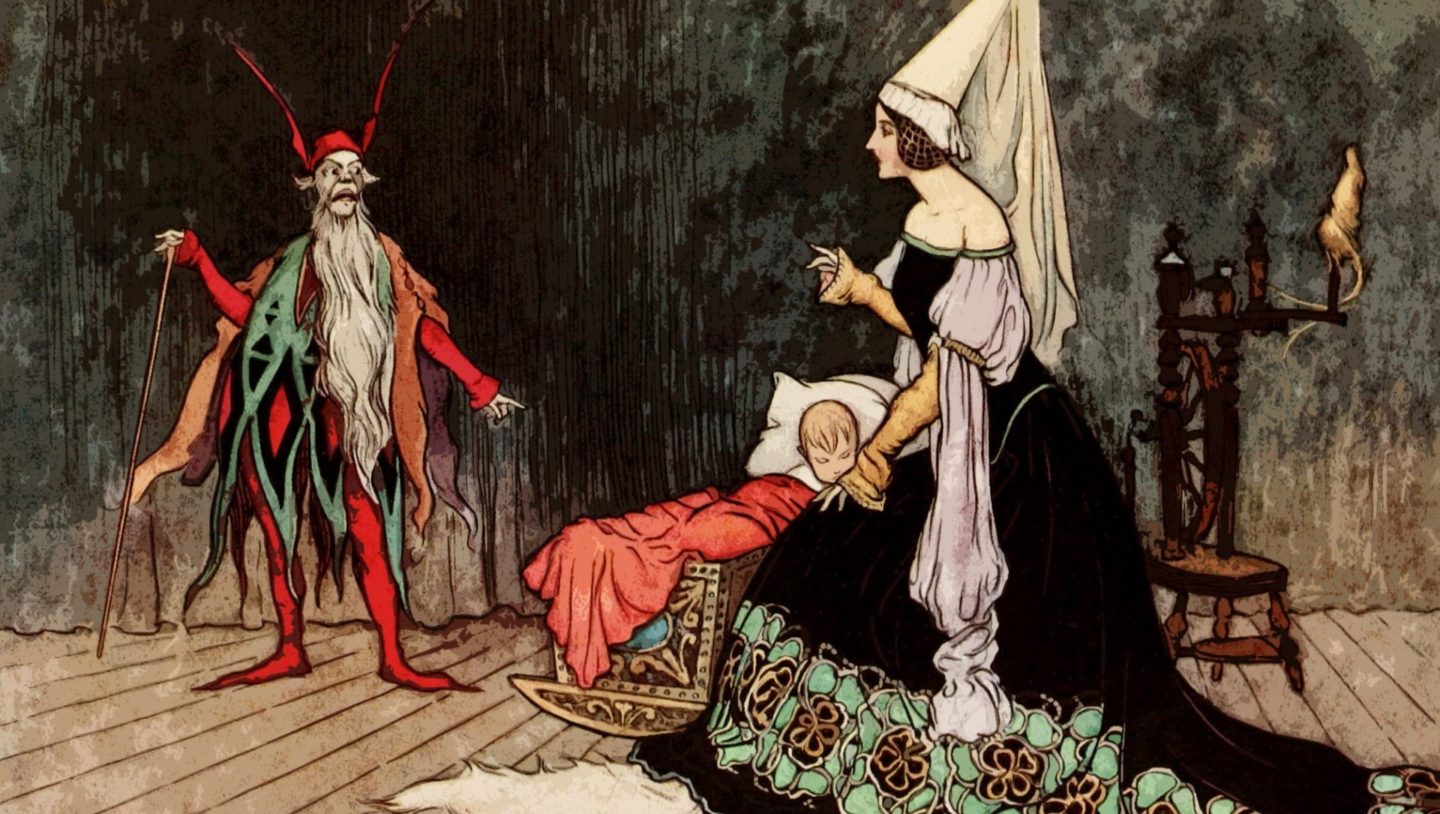
risingtideproject.org – Rumpelstiltskin is a classic character from fairy tales, known for his cunning and magical abilities. As the tricky sorcerer, he is a figure who embodies the themes of deception, greed, and the power of names. This article explores the origins, characteristics, and enduring legacy of Rumpelstiltskin, highlighting his role in one of the most intriguing tales of enchantment and wit.

Origins and the Tale

The story of Rumpelstiltskin originates from the Brothers Grimm, who popularized this German folktale in their 1812 collection. The tale centers around a miller’s daughter, who is locked in a room by the king and ordered to spin straw into gold. Facing an impossible task, she is visited by Rumpelstiltskin, a mysterious figure who offers his magical assistance in exchange for promises, ultimately demanding her firstborn child.

Characteristics and Abilities

Rumpelstiltskin is characterized by his small stature, mischievous nature, and magical prowess. His ability to spin straw into gold symbolizes the allure of quick wealth and the temptation of making deals with unknown consequences. Rumpelstiltskin’s most notable trait is his cunning, as he uses his wits to manipulate others and secure what he desires.

The Power of Names

A central theme in the tale of Rumpelstiltskin is the power of names. The sorcerer’s demand for the miller’s daughter’s child can only be thwarted by discovering his true name. This element of the story underscores the significance of identity and the belief that knowing someone’s name grants power over them. The miller’s daughter’s triumph in learning Rumpelstiltskin’s name highlights the victory of knowledge and perseverance over deceit.

Legacy and Cultural Impact

Rumpelstiltskin’s tale has left a lasting impact on folklore and popular culture. His story has been retold and adapted in various forms, from books and plays to films and television shows. The character of Rumpelstiltskin serves as a symbol of the dangers of greed and the importance of being cautious with promises and agreements.

Conclusion

Rumpelstiltskin, the Tricky Sorcerer, remains an enduring figure in the world of fairy tales. His story of intrigue, magic, and the power of names continues to captivate audiences, offering timeless lessons about the consequences of deceit and the value of cleverness. Through his tale, Rumpelstiltskin stands as a reminder of the complexities of human nature and the challenges of navigating a world filled with both wonder and trickery.

The Ghost Ship – A Tale of Adventure and Mystery

risingtideproject.org – “Pirates of the Caribbean: The Ghost Ship” is a captivating storybook that delves into the mysterious and thrilling world of the Pirates of the Caribbean franchise. Published by Disney Press, this full-color, illustrated reader is designed to appeal to young readers with its engaging narrative and vibrant visuals. The book tells a new tale set in the high seas, featuring beloved characters from the film series.

The Plot

The story begins with a mysterious, ghostly ship anchoring in the harbor of Port Royal. The town is on edge, and it’s up to Will Turner and Elizabeth Swann to investigate and rid the town of this supernatural threat. As they embark on their quest, they encounter a variety of characters, including the enigmatic Ghost Captain and a group of undead sailors.

Key Characters

  • Will Turner: A skilled swordsman and blacksmith, Will is determined to protect Port Royal from the ghostly threat.
  • Elizabeth Swann: A brave and intelligent young woman, Elizabeth uses her wit and resourcefulness to help Will.
  • Ghost Captain: The malevolent captain of the ghost ship, whose origins and motives remain shrouded in mystery.
  • Old Fisherman and Bald Sailor: Supporting characters who provide crucial information and aid to Will and Elizabeth.

Locations and Vessels

  • Ghost Captain’s Ship: The central vessel of the story, this ghostly ship is a source of fear and intrigue.
  • Will and Elizabeth’s Boat: The vessel used by the protagonists to navigate the treacherous waters.
  • Crashed Vessel: A wrecked ship that holds clues to the ghost ship’s origins.

Themes and Motifs

The storybook explores themes of bravery, friendship, and the supernatural. It delves into the mysteries of the sea, presenting a world where the line between reality and the supernatural is blurred. The narrative is filled with suspense and adventure, making it a thrilling read for young audiences.

Visuals and Design

With its full-color illustrations, “The Ghost Ship” brings the high seas to life, capturing the essence of the Pirates of the Caribbean universe. The detailed artwork complements the text, making the story visually engaging and easy to follow for young readers.

Reception and Impact

The storybook has been well-received by fans of the franchise and young readers alike. Its blend of familiar characters and new, exciting elements has made it a popular choice for those looking to explore the world of Pirates of the Caribbean beyond the films.

Conclusion

“Pirates of the Caribbean: The Ghost Ship” is a delightful addition to the franchise, offering a fresh and exciting adventure for young readers. With its engaging plot, memorable characters, and stunning visuals, it continues the legacy of the Pirates of the Caribbean series, inspiring a new generation of fans to embark on their own nautical adventures.

Asian-Western Marriage Tales: Beyond Cultural Barriers

risingtideproject.org – The blending of Eastern and Western cultures in the context of marriage has become increasingly common in our globalized world. These unions, once rare and often met with skepticism, are now celebrated as a testament to the power of love and understanding. This article delves into the unique challenges and beautiful moments that arise from Asian-Western marriages, highlighting the experiences of couples who have successfully navigated the complexities of their intercultural relationships.

The Cultural Chasm

One of the first hurdles couples face is the vast cultural differences between the East and the West. From traditional values and family dynamics to social norms and communication styles, the gap can seem insurmountable. However, many couples view these differences not as barriers but as opportunities for growth and learning.

Navigating Family Expectations

Family plays a central role in many Asian cultures, and marriages are often seen as a union between two families rather than just two individuals. Couples must navigate the expectations of both sides, which can range from traditional wedding ceremonies to long-term living arrangements. Finding a balance that respects both cultures is key to maintaining harmony.

Language and Communication

Language barriers can pose significant challenges in any relationship, but they are particularly pronounced in Asian-Western marriages. Learning each other’s languages and finding effective ways to communicate is essential. Many couples find that humor and patience go a long way in bridging the linguistic gap.

Celebrating Diversity

Despite the challenges, many couples find joy in the diversity of their union. Holidays and celebrations become a vibrant tapestry of traditions, where both partners can share and learn from each other’s cultural heritage. This mutual appreciation enriches their relationship and often leads to a unique family identity that honors both backgrounds.

Building a Common Future

Ultimately, the success of an Asian-Western marriage lies in the couple’s ability to build a common future while respecting their individual pasts. This involves setting shared goals, raising children with a bicultural identity, and continuously working on understanding and empathy. Couples who have successfully done this attest to the strength and depth that their intercultural marriage brings to their lives.

Conclusion

Asian-Western marriages are a beautiful reflection of our increasingly interconnected world. While they may present unique challenges, they also offer a profound opportunity for personal and cultural growth. By embracing diversity and working together, couples can create a loving and harmonious union that transcends cultural barriers, paving the way for a more inclusive and understanding society.

A Tale of Power and Betrayal: The Lannister’s Rebellion

risingtideproject.org – The Lannister’s Rebellion, a pivotal event in the history of Westeros, is a saga of ambition, betrayal, and the relentless pursuit of power. House Lannister, one of the Great Houses of the Seven Kingdoms, has always been known for its wealth, cunning, and the ruthlessness with which it protects its interests. The rebellion, however, marked a turning point in the Lannister legacy, forever altering the political landscape of the realm.

The Catalyst: A Crown of Gold

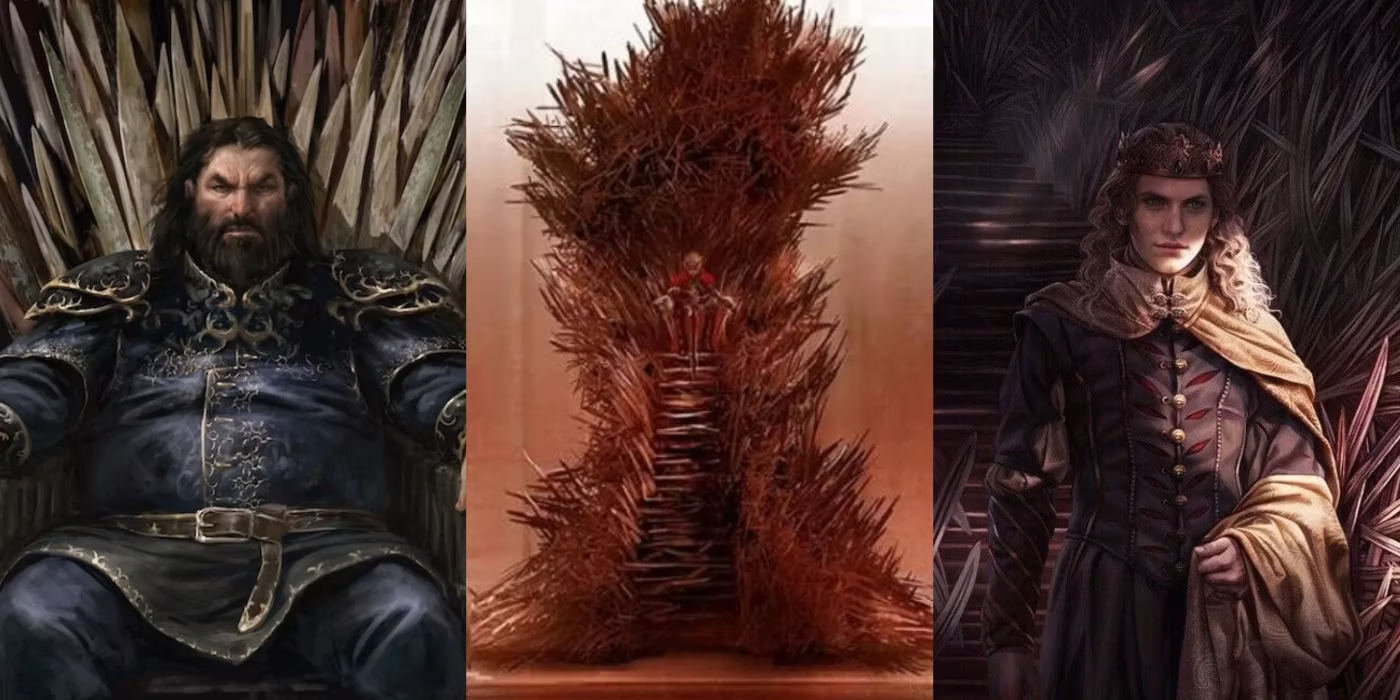
The rebellion was sparked by the Lannister’s insatiable desire for the Iron Throne. With the realm in turmoil following the death of King Aerys II Targaryen, the Mad King, the Lannisters saw an opportunity to seize control. Tywin Lannister, the Lord of Casterly Rock, had long harbored ambitions of ruling the Seven Kingdoms, and he was not one to let such a chance slip through his fingers.

The Siege of King’s Landing

The first major act of the rebellion was the Siege of King’s Landing. With the city’s defenses weakened by the recent conflict, the Lannister forces, led by Tywin’s son, Ser Jaime Lannister, stormed the capital. The sack of King’s Landing was brutal, with the Lannister soldiers pillaging the city and committing numerous atrocities. Jaime earned the moniker “Kingslayer” for his role in the rebellion, particularly for his act of regicide against King Aerys.

The Lannister-Stark Alliance

Recognizing the need for allies, the Lannisters forged a strategic alliance with House Stark. This union was sealed by the marriage of Catelyn Tully to Eddard Stark, the Warden of the North. The alliance was instrumental in solidifying the Lannister’s position in the early stages of the rebellion, providing them with the military and political support they needed to further their ambitions.

The Battle of the Trident

The climax of the rebellion was the Battle of the Trident, where the combined forces of the Lannisters and their allies faced off against the Targaryen loyalists. The battle was fierce, with both sides suffering heavy losses. In the end, the Lannister’s superior tactics and the bravery of their soldiers turned the tide in their favor, securing a decisive victory.

The Aftermath: A Crown of Thorns

The Lannister’s Rebellion ultimately led to the establishment of a new dynasty on the Iron Throne. Robert Baratheon, a key ally of the Lannisters, was crowned king, marking the end of Targaryen rule. However, the Lannisters’ victory was not without cost. The rebellion left a legacy of bitterness and mistrust among the noble houses of Westeros, setting the stage for future conflicts.

Conclusion

The Lannister’s Rebellion is a testament to the lengths to which ambition can drive men. It is a story of power, betrayal, and the complex web of alliances that define the game of thrones. While the Lannisters emerged victorious, their actions during the rebellion sowed the seeds of their eventual downfall, proving that in the world of Westeros, the wheel of fortune is always turning.

Aesop legends: Endless moral tales through animal eyes

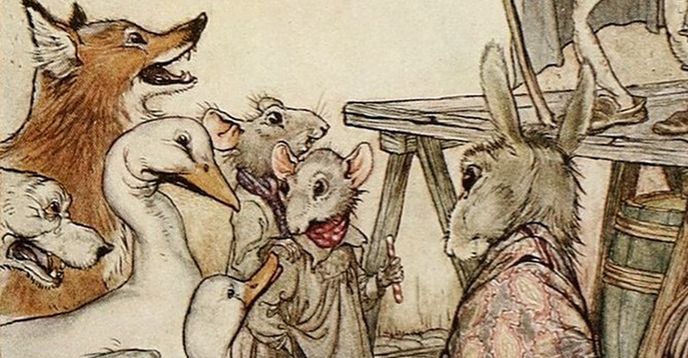
risingtideproject.org – The Fables of Aesop have long been celebrated as a cornerstone of Western literature, offering profound insights into human behavior through the guise of animal characters. These stories, attributed to the ancient Greek storyteller Aesop, are not only entertaining but also serve as a mirror to society, reflecting the virtues and vices of humanity.

Origins and Evolution of Aesop’s Fables

Aesop, a semi-legendary figure from the 6th century BCE, is believed to have been a slave who won his freedom through his wisdom and storytelling prowess. The fables attributed to him were initially passed down orally, only to be collected and written down centuries later. Over time, these tales have been adapted and expanded by various authors, ensuring their relevance across different cultures and epochs.

The Moral Lessons Within

At the heart of Aesop’s Fables lies the intention to impart moral lessons. Through characters like the cunning fox, the industrious ant, and the gullible crow, Aesop explores themes such as perseverance, humility, and the consequences of greed and vanity. Each fable concludes with a moral, often encapsulated in a pithy statement that distills the essence of the story.

Examples of Notable Fables

  • The Tortoise and the Hare: This classic tale teaches the value of steadiness and perseverance over haste and overconfidence.
  • The Ant and the Grasshopper: It emphasizes the importance of foresight and preparation, contrasting the hardworking ant with the carefree grasshopper.
  • The Lion and the Mouse: This story illustrates the principle of kindness and the unexpected ways in which it can be rewarded.

The Enduring Appeal of Aesop’s Fables

Despite their ancient origins, Aesop’s Fables continue to captivate audiences of all ages. Their universal themes and the relatable nature of their animal characters make them a timeless resource for teaching ethical behavior and critical thinking. These tales have been translated into numerous languages and adapted into various media, including books, plays, and animated films, ensuring their place in the literary canon.

Conclusion

The Fables of Aesop stand as a testament to the power of storytelling to convey moral lessons in an engaging and memorable way. By using animals to personify human traits and behaviors, Aesop created a body of work that transcends time and culture, offering wisdom that remains as relevant today as it was millennia ago. Whether read for pleasure or as a tool for moral instruction, these fables continue to inspire and enlighten readers of all ages.