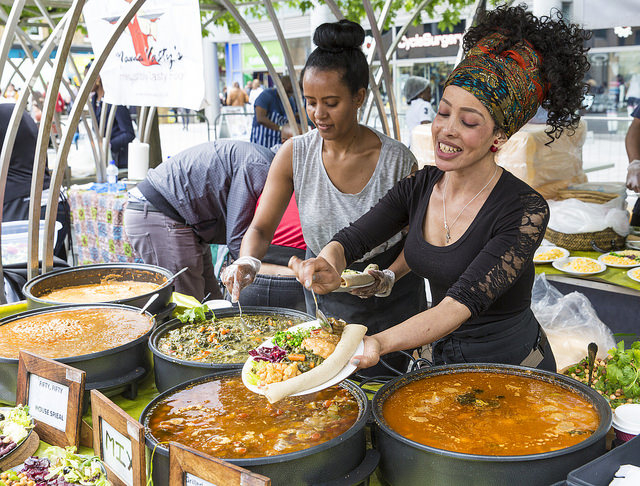
A Cultural Culinary Tour: Unique Street Foods Around the Globe

risingtideproject.org – Street food is more than just a quick snack; it’s a window into the soul of a culture. Each country has its own unique street food offerings that reflect its history, traditions, and culinary influences. This article takes you on a cultural culinary tour, exploring some of the most distinctive street foods from around the world, from the bustling streets of Asia to the vibrant markets of Latin America.

Asia: A Mosaic of Flavors

Asia is a treasure trove of street food, with each country offering a unique take on this culinary tradition. In Thailand, you’ll find the iconic Pad Thai, a stir-fried noodle dish packed with flavor, and Mango Sticky Rice, a sweet dessert that perfectly balances the tastes of mango and coconut. Japan offers Takoyaki, delicious balls of dough filled with octopus and topped with a savory sauce, while India’s streets are lined with vendors selling Chaat, a variety of savory snacks that are a symphony of spices and textures.

Latin America: A Fiesta of Flavors

Latin America’s street food scene is a fiesta of flavors, colors, and textures. Mexico’s Tacos al Pastor, with their marinated pork and pineapple, are a must-try, as are the Elotes, grilled corn on the cob slathered in mayonnaise, cheese, and chili powder. In Brazil, you’ll find Acarajé, a deep-fried bean cake filled with shrimp and spices, while Argentina offers Choripán, a sandwich made with chorizo sausage and chimichurri sauce.

Africa: A Rich Tapestry of Tastes

Africa’s street food is as diverse as the continent itself, with each country offering its own unique dishes. In Morocco, the Tangia, a slow-cooked lamb stew, is a popular street food, while Nigeria’s Suya, skewered and grilled meat seasoned with a special peanut sauce, is a flavorful delight. South Africa’s Bunny Chow, a curry served in a hollowed-out loaf of bread, is both hearty and innovative, showcasing the continent’s rich culinary traditions.

Europe: Tradition Meets Innovation

Europe’s street food scene is a blend of tradition and innovation. In Italy, you’ll find Arancini, fried rice balls filled with meat or cheese, and Piadina, a flatbread sandwich filled with a variety of ingredients. Spain offers Churros con Chocolate, fried dough pastries served with a thick hot chocolate, while the UK’s Fish and Chips is a classic street food that has stood the test of time.

North America: A Melting Pot of Flavors

North America’s street food is a melting pot of global influences. In the United States, you’ll find everything from classic Hot Dogs and Philly Cheesesteaks to more exotic offerings like Korean Tacos and Vietnamese Banh Mi sandwiches. Canada’s Poutine, a dish of fries topped with cheese curds and gravy, is a hearty street food that has gained international fame.

Conclusion

Street food is a cultural culinary tour that offers a glimpse into the heart and soul of a destination. From the bustling streets of Asia to the vibrant markets of Latin America, and from the traditional dishes of Europe to the innovative flavors of North America, street food is a testament to the diversity and creativity of global cuisine. Whether you’re a seasoned traveler or a curious foodie, the world’s street food scene is an adventure waiting to be explored, one bite at a time.
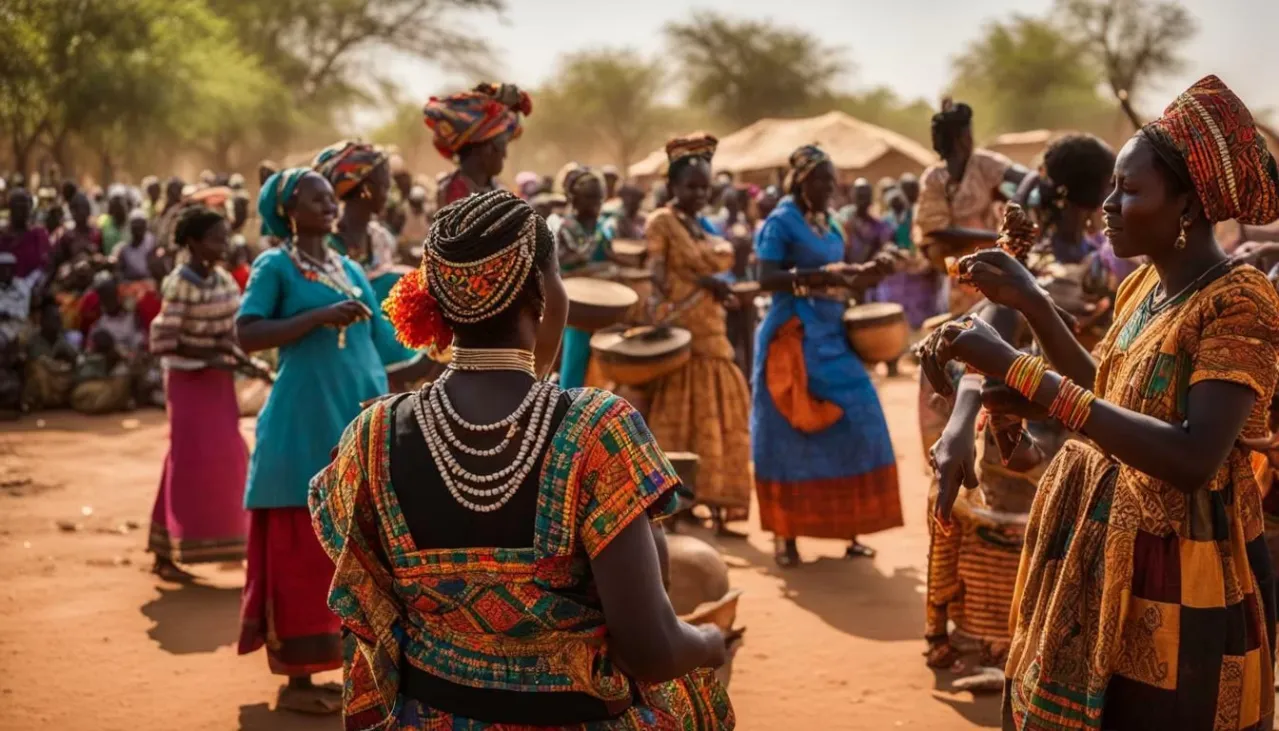

Preserving Its Rich History: Burkina Faso’s Cultural Heritage

risingtideproject.org – Burkina Faso, a country in West Africa, is home to a rich and diverse cultural heritage that reflects its history, traditions, and the resilience of its people. From ancient kingdoms to colonial influences and modern developments, the cultural landscape of Burkina Faso is a tapestry woven with the threads of its various ethnic groups, languages, and artistic expressions. Preserving this heritage is crucial for maintaining the country’s identity and ensuring that future generations can appreciate and learn from its rich history.

The Ethnic Mosaic of Burkina Faso

Burkina Faso is inhabited by more than 60 ethnic groups, each with its own language, customs, and traditions. The Mossi people are the largest ethnic group, followed by the Fulani, Gurunsi, Bobo, and Lobi, among others. This ethnic diversity contributes to the country’s cultural richness, with each group adding its unique flavor to the national identity.

Traditional Festivals and Ceremonies

Traditional festivals and ceremonies play a significant role in preserving the cultural heritage of Burkina Faso. These events, often linked to agricultural cycles, religious beliefs, or historical events, provide a platform for the expression of traditional music, dance, and art. The Fête de la Maskerade in Bobo-Dioulasso, for example, showcases the masquerades of the Bobo people, while the Zabré Horse Fair highlights the equestrian skills of the Fulani.

Architectural Marvels and Historical Sites

Burkina Faso’s cultural heritage is also embodied in its architectural marvels and historical sites. The ancient city of Koumbi Saleh, once part of the Ghana Empire, and the royal palaces of the Mossi kingdoms in Ouagadougou and Ouahigouya are testament to the region’s historical significance. These sites not only attract tourists but also serve as a reminder of the country’s rich past.

Museums and Cultural Centers

Museums and cultural centers play a crucial role in preserving and promoting Burkina Faso’s cultural heritage. The National Museum in Ouagadougou, for instance, houses a collection of artifacts that illustrate the country’s history and the traditions of its various ethnic groups. The Panafrican Film and Television Festival of Ouagadougou (FESPACO) is another significant event that celebrates African cinema and culture.

Challenges in Preserving Cultural Heritage

Despite the richness of its cultural heritage, Burkina Faso faces several challenges in preserving its history. Urbanization, globalization, and the influence of foreign cultures threaten to erode traditional practices and values. Additionally, political instability and economic constraints limit the resources available for the conservation of historical sites and the promotion of cultural activities.

Efforts to Safeguard Cultural Heritage

The government of Burkina Faso, along with various non-governmental organizations and international bodies, is making efforts to safeguard the country’s cultural heritage. These include initiatives to restore historical sites, support traditional crafts and arts, and promote cultural tourism. Education also plays a vital role in ensuring that young people are aware of their cultural heritage and value it.

Conclusion

Burkina Faso’s cultural heritage is a precious asset that reflects the country’s history, diversity, and resilience. Preserving this heritage is essential for maintaining the national identity and ensuring that future generations can appreciate and learn from it. Through concerted efforts and a commitment to cultural preservation, Burkina Faso can continue to celebrate and share its rich cultural tapestry with the world.

Promoting Heritage: Saudi Arabia’s Cultural Renaissance

risingtideproject.org – Saudi Arabia is undergoing a profound cultural renaissance, marked by a significant shift towards preserving and promoting its rich heritage. This transformation is not only about reviving the past but also about integrating cultural elements into the fabric of modern society, aligning with the Kingdom’s Vision 2030.

National Strategy and Commitments

The Kingdom has unveiled a comprehensive national strategy to promote cultural heritage, which includes the protection and preservation of archaeological sites and the effective use of digital technologies to enhance cultural tourism and the safeguarding of traditional building techniques. This strategy is part of a broader commitment to cultural revitalization, which is central to Saudi Arabia’s Vision 2030. The Ministry of Culture has spearheaded this initiative, aiming to embed culture in everyday life, leverage it for economic growth, and use it to enhance the Kingdom’s international standing1.

Financial and Institutional Support

Saudi Arabia has allocated substantial funds to protect cultural heritage. The Ministry of Culture announced a $30 million contribution to the International Alliance for the Protection of Heritage in Conflict Areas (Alef), demonstrating a strong commitment to global efforts in cultural preservation. Additionally, the Kingdom has committed $25 million to UNESCO for the protection of heritage, focusing on digital technologies, sustainable cultural tourism, and the preservation of World Heritage sites.

Cultural Institutions and Initiatives

The establishment of 11 cultural commissions dedicated to various segments such as music, film, heritage, and museums underscores the Kingdom’s dedication to cultural development. Notable initiatives include the development of AlUla, a site of remarkable historical and artistic interest, and the Diriyah Gate in Riyadh, which will feature arts districts, academies, a new media arts institute, museums, and hotels.

International Collaboration and Recognition

Saudi Arabia’s cultural renaissance is also evident in its international engagements. The Kingdom hosted the G20 Culture Ministers’ meeting in 2020, highlighting its commitment to sustainable cultural development on a global scale. The Kingdom’s efforts have been recognized internationally, with UNESCO acknowledging its contributions to the preservation of World Heritage sites and the promotion of creative economies.

Challenges and Opportunities

While the Kingdom is making significant strides, challenges remain. The integration of cultural preservation with economic development and environmental sustainability is crucial. The use of emerging technologies such as digital photogrammetry and 3D printing can enhance the preservation and activation of cultural sites.

Conclusion

Saudi Arabia’s cultural renaissance is a testament to its commitment to preserving and promoting its heritage. Through strategic investments, institutional support, and international collaboration, the Kingdom is not only safeguarding its past but also shaping its future. This cultural revival is not just about preserving history but also about creating a vibrant, inclusive society that values its heritage and looks forward to a sustainable future.

Asian-Western Marriage Tales: Beyond Cultural Barriers

risingtideproject.org – The blending of Eastern and Western cultures in the context of marriage has become increasingly common in our globalized world. These unions, once rare and often met with skepticism, are now celebrated as a testament to the power of love and understanding. This article delves into the unique challenges and beautiful moments that arise from Asian-Western marriages, highlighting the experiences of couples who have successfully navigated the complexities of their intercultural relationships.

The Cultural Chasm

One of the first hurdles couples face is the vast cultural differences between the East and the West. From traditional values and family dynamics to social norms and communication styles, the gap can seem insurmountable. However, many couples view these differences not as barriers but as opportunities for growth and learning.

Navigating Family Expectations

Family plays a central role in many Asian cultures, and marriages are often seen as a union between two families rather than just two individuals. Couples must navigate the expectations of both sides, which can range from traditional wedding ceremonies to long-term living arrangements. Finding a balance that respects both cultures is key to maintaining harmony.

Language and Communication

Language barriers can pose significant challenges in any relationship, but they are particularly pronounced in Asian-Western marriages. Learning each other’s languages and finding effective ways to communicate is essential. Many couples find that humor and patience go a long way in bridging the linguistic gap.

Celebrating Diversity

Despite the challenges, many couples find joy in the diversity of their union. Holidays and celebrations become a vibrant tapestry of traditions, where both partners can share and learn from each other’s cultural heritage. This mutual appreciation enriches their relationship and often leads to a unique family identity that honors both backgrounds.

Building a Common Future

Ultimately, the success of an Asian-Western marriage lies in the couple’s ability to build a common future while respecting their individual pasts. This involves setting shared goals, raising children with a bicultural identity, and continuously working on understanding and empathy. Couples who have successfully done this attest to the strength and depth that their intercultural marriage brings to their lives.

Conclusion

Asian-Western marriages are a beautiful reflection of our increasingly interconnected world. While they may present unique challenges, they also offer a profound opportunity for personal and cultural growth. By embracing diversity and working together, couples can create a loving and harmonious union that transcends cultural barriers, paving the way for a more inclusive and understanding society.

Painting the Picture of Global Beauty: Cultural Canvas

risingtideproject.org – In the vast mosaic of human civilization, beauty is a universal language that transcends borders, cultures, and epochs. It is a silent poet, speaking volumes through the strokes of an artist’s brush, the chiseled contours of a sculptor’s stone, and the harmonious notes of a musician’s instrument. The concept of beauty, however, is not monolithic; it is a kaleidoscope of expressions, each piece reflecting the unique cultural heritage and aesthetic sensibilities of a community. This article embarks on a journey across the globe, exploring how different cultures paint their picture of beauty, thereby enriching the collective human experience.

The Palette of Cultural Beauty

Every culture has its own palette of beauty, a spectrum of colors and forms that reflect its values, beliefs, and history. From the intricate henna patterns adorning hands in India to the serene landscapes of Chinese ink wash paintings, each artistic expression is a window into the soul of a civilization. These art forms are not mere decorations; they are narratives, philosophies, and prayers, painted, sculpted, and performed for generations to appreciate and learn from.

East Meets West: A Fusion of Aesthetics

The global canvas of beauty is a fascinating blend of Eastern and Western aesthetics. While Western art has often been characterized by its realism and focus on human anatomy, Eastern art leans towards abstraction and a deep connection with nature and the cosmos. The Renaissance masterpieces of Da Vinci and Michelangelo, with their lifelike portrayals of the human form, stand in contrast to the Zen gardens of Japan and the calligraphic elegance of Arabic scripts, which evoke a sense of tranquility and spirituality.

The Dance of Colors: Festivals of Beauty

Festivals around the world are vibrant celebrations of beauty, where communities come together to paint their joy, grief, and hopes. The Holi festival in India, where people throw colored powders and water at each other, symbolizes the victory of good over evil, and the arrival of spring. Similarly, the Day of the Dead in Mexico, with its colorful altars and parades, is a celebration of life and remembrance of the deceased. These festivals are not just expressions of cultural beauty; they are communal affirmations of life’s beauty.

Preserving the Palette: Challenges and Opportunities

In an increasingly globalized world, the challenge of preserving cultural beauty becomes more pressing. The homogenization of cultures, driven by global media and consumerism, threatens to erase the unique hues from our global palette. However, this also presents an opportunity for cross-cultural exchange and appreciation. By learning about and celebrating each other’s art forms, we can create a richer, more diverse cultural tapestry.

Conclusion

The cultural canvas of global beauty is a testament to the creativity and diversity of human expression. It is a reminder that, despite our differences, we share a common language of beauty that can unite us. As we continue to paint this canvas, let us strive to preserve the unique colors of our cultures, while also embracing the beauty of others. In doing so, we not only enrich our own lives but also contribute to the collective beauty of humanity.