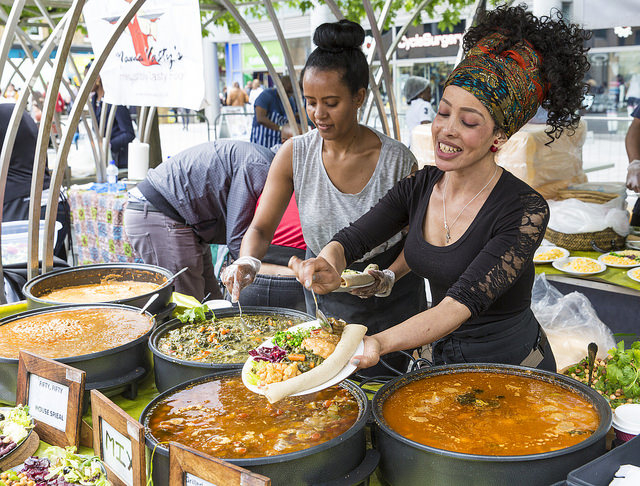
risingtideproject.org – Street food is more than just a quick snack; it’s a window into the soul of a culture. Each country has its own unique street food offerings that reflect its history, traditions, and culinary influences. This article takes you on a cultural culinary tour, exploring some of the most distinctive street foods from around the world, from the bustling streets of Asia to the vibrant markets of Latin America.
Asia: A Mosaic of Flavors
Asia is a treasure trove of street food, with each country offering a unique take on this culinary tradition. In Thailand, you’ll find the iconic Pad Thai, a stir-fried noodle dish packed with flavor, and Mango Sticky Rice, a sweet dessert that perfectly balances the tastes of mango and coconut. Japan offers Takoyaki, delicious balls of dough filled with octopus and topped with a savory sauce, while India’s streets are lined with vendors selling Chaat, a variety of savory snacks that are a symphony of spices and textures.
Latin America: A Fiesta of Flavors
Latin America’s street food scene is a fiesta of flavors, colors, and textures. Mexico’s Tacos al Pastor, with their marinated pork and pineapple, are a must-try, as are the Elotes, grilled corn on the cob slathered in mayonnaise, cheese, and chili powder. In Brazil, you’ll find Acarajé, a deep-fried bean cake filled with shrimp and spices, while Argentina offers Choripán, a sandwich made with chorizo sausage and chimichurri sauce.
Africa: A Rich Tapestry of Tastes
Africa’s street food is as diverse as the continent itself, with each country offering its own unique dishes. In Morocco, the Tangia, a slow-cooked lamb stew, is a popular street food, while Nigeria’s Suya, skewered and grilled meat seasoned with a special peanut sauce, is a flavorful delight. South Africa’s Bunny Chow, a curry served in a hollowed-out loaf of bread, is both hearty and innovative, showcasing the continent’s rich culinary traditions.
Europe: Tradition Meets Innovation
Europe’s street food scene is a blend of tradition and innovation. In Italy, you’ll find Arancini, fried rice balls filled with meat or cheese, and Piadina, a flatbread sandwich filled with a variety of ingredients. Spain offers Churros con Chocolate, fried dough pastries served with a thick hot chocolate, while the UK’s Fish and Chips is a classic street food that has stood the test of time.
North America: A Melting Pot of Flavors
North America’s street food is a melting pot of global influences. In the United States, you’ll find everything from classic Hot Dogs and Philly Cheesesteaks to more exotic offerings like Korean Tacos and Vietnamese Banh Mi sandwiches. Canada’s Poutine, a dish of fries topped with cheese curds and gravy, is a hearty street food that has gained international fame.
Conclusion
Street food is a cultural culinary tour that offers a glimpse into the heart and soul of a destination. From the bustling streets of Asia to the vibrant markets of Latin America, and from the traditional dishes of Europe to the innovative flavors of North America, street food is a testament to the diversity and creativity of global cuisine. Whether you’re a seasoned traveler or a curious foodie, the world’s street food scene is an adventure waiting to be explored, one bite at a time.