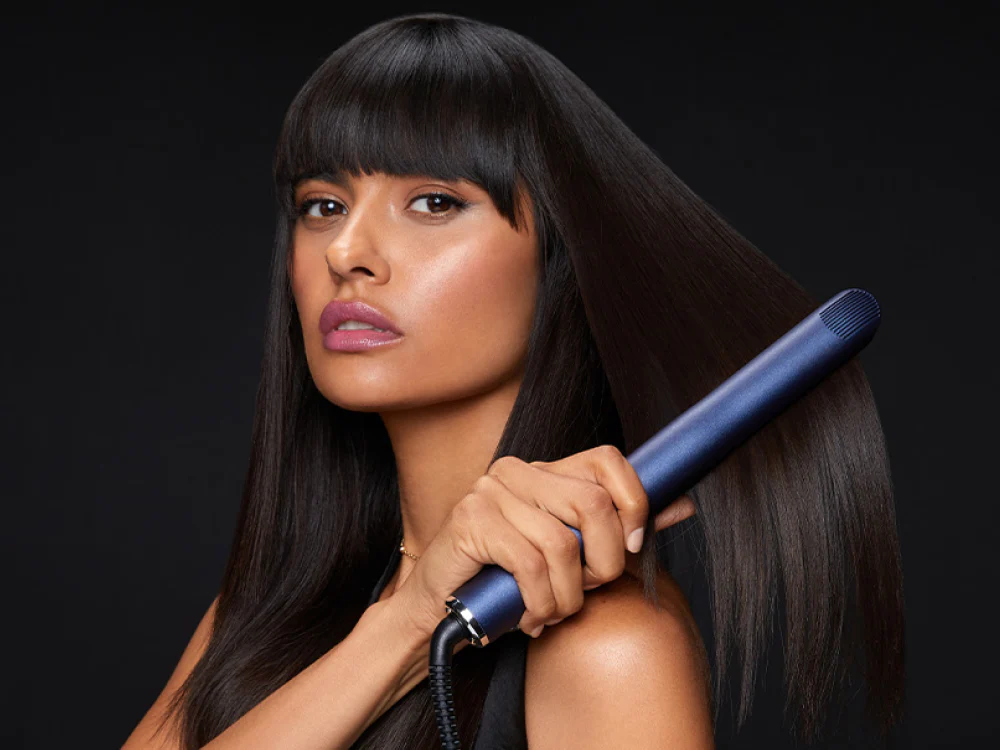
Straightening Irons: A Comprehensive Guide

risingtideproject.org – Straightening irons, also known as flat irons, are essential tools for achieving sleek, straight hair. They come in various types and features, making it crucial to choose the right one for your hair type and styling needs. This guide will help you understand the different types of straightening irons, their features, and how to use them effectively.

Types of Straightening Irons

  1. Flat Irons: The quintessential hair straightening tool, flat irons are designed to create sleek, straight hair. They are available in various sizes and materials, with tourmaline-infused ceramic plates being a popular choice for their ability to reduce frizz and add shine.
  2. 2-in-1 Curling and Straightening Irons: These multi-functional tools can both curl and straighten hair, making them a versatile option for those who want to switch between styles easily.
  3. Travel-Sized Straightening Irons: Compact and lightweight, these irons are perfect for on-the-go styling. They often come with additional features like automatic shut-off and heat settings to ensure safety and convenience.

Key Features to Consider

  1. Plate Material: The material of the plates can significantly affect the performance of a straightening iron. Ceramic plates are known for their heat distribution and ability to reduce frizz, while tourmaline-infused ceramic plates add extra shine and protect hair from heat damage.
  2. Temperature Settings: Look for irons with adjustable temperature settings to accommodate different hair types. Fine hair may require lower temperatures, while thicker hair may need higher settings to achieve the desired straightness.
  3. Additional Features: Features such as automatic shut-off, swivel cords, and heat settings can enhance the safety and convenience of using a straightening iron. Some models also come with bonus accessories like heat protectors and storage cases.

How to Use a Straightening Iron

  1. Preparation: Start with clean, dry hair. Apply a heat protectant spray to minimize damage from the heat.
  2. Sectioning: Divide your hair into sections to ensure even styling. Start with the bottom sections and work your way up to the top.
  3. Straightening Technique: Hold the straightening iron vertically and glide it from the roots to the ends of your hair. Avoid pressing too hard, as this can cause damage. Repeat the process until all sections are straightened.
  4. Finishing Touches: Once your hair is straight, use a light serum or oil to add shine and smoothness.

Best Straightening Irons for Different Hair Types

  • Fine Hair: Look for irons with lower temperature settings and ceramic plates to avoid over-drying and damage.
  • Thick Hair: Choose irons with higher temperature settings and wider plates to handle thicker strands more efficiently.
  • Curly or Frizzy Hair: Opt for irons with tourmaline-infused ceramic plates to reduce frizz and add shine.

Conclusion

Choosing the right straightening iron can make a significant difference in the quality and longevity of your hair. By considering the type of iron, its features, and how to use it properly, you can achieve beautiful, straight hair while minimizing damage. Whether you prefer a traditional flat iron, a multi-functional 2-in-1 tool, or a travel-sized option, there is a straightening iron out there that will meet your needs.
Celebrating Your Unique Texture: The Natural Curl Movement

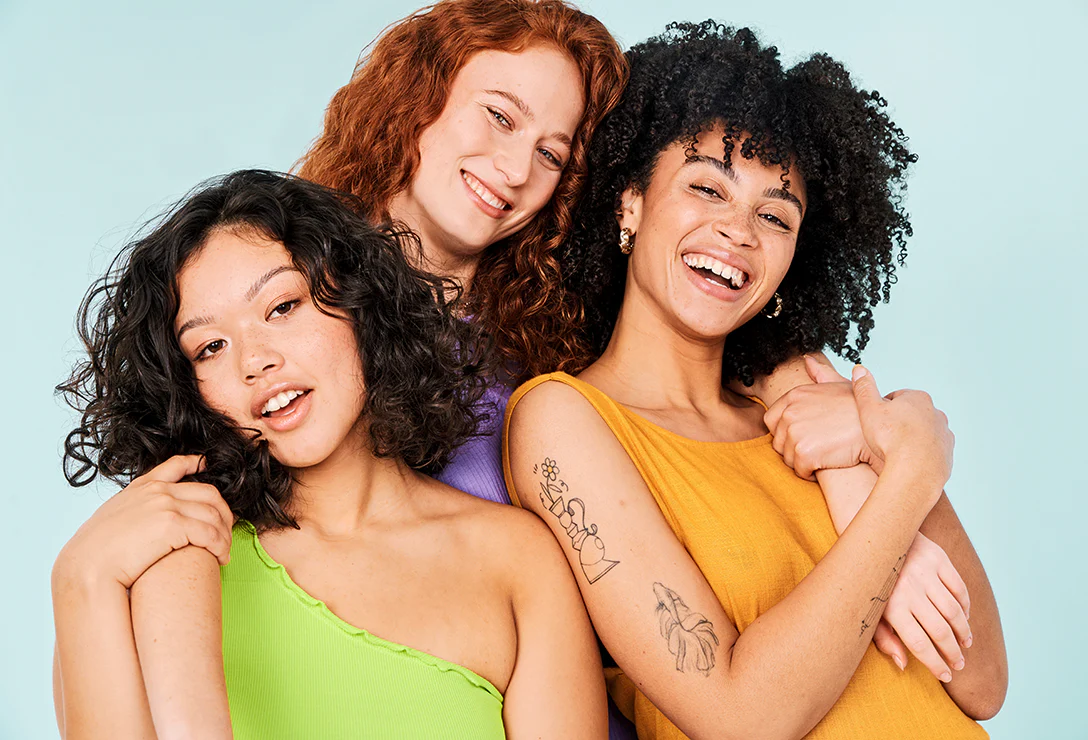
risingtideproject.org – The Natural Curl Movement is a cultural and aesthetic shift that encourages individuals with wavy, curly, and coily hair to embrace and celebrate their natural texture. This movement is about more than just hair; it’s a celebration of diversity, self-love, and the beauty of individuality. In this article, we’ll explore the origins of the Natural Curl Movement, its impact on society, and how you can join in the celebration of your unique curls.

The Origins of the Natural Curl Movement:

The Natural Curl Movement has its roots in the civil rights and black power movements of the 1960s and 1970s, when people of color began to reject Eurocentric beauty standards and embrace their natural hair as a symbol of pride and identity. Over the years, this movement has evolved and expanded to include people of all backgrounds with curly hair, promoting a message of inclusivity and self-acceptance.

The Impact of the Natural Curl Movement:

The Natural Curl Movement has had a significant impact on society, challenging traditional beauty norms and paving the way for greater acceptance of natural hair textures. It has also led to a surge in the availability of curl-friendly products and the rise of curly hair care professionals who specialize in maintaining and enhancing natural curls.

Embracing Your Unique Texture:

  1. Acceptance: The first step in joining the Natural Curl Movement is to accept and love your natural hair texture. This means letting go of societal pressures to conform to a single standard of beauty and recognizing the beauty in your unique curls.
  2. Education: Educate yourself about your hair type and the best practices for maintaining it. The Natural Curl Movement has a wealth of resources, including books, blogs, and social media accounts dedicated to curly hair care.
  3. Experimentation: Don’t be afraid to experiment with different products and styling techniques to find what works best for your hair. The journey to understanding your curls is a personal one, and it may take time to discover your ideal routine.
  4. Community: Join online forums, social media groups, or local meetups for individuals with curly hair. Sharing experiences and tips with others who have similar hair textures can be incredibly empowering and informative.

Celebrating Your Curls:

  1. Showcase Your Curls: Wear your hair in styles that showcase your natural texture, whether it’s loose and flowing or styled in protective updos.
  2. Share Your Journey: Use social media to share your curly hair journey, including your successes and challenges. This can inspire others and contribute to the growing community of curl enthusiasts.
  3. Advocate for Change: Support brands and initiatives that celebrate natural hair and advocate for greater representation of all hair textures in media and advertising.

Conclusion:

The Natural Curl Movement is a powerful testament to the beauty of embracing and celebrating your unique hair texture. By joining this movement, you not only enhance the health and appearance of your curls but also contribute to a more inclusive and diverse understanding of beauty. Remember, your curls are a part of who you are, and they deserve to be celebrated and cherished.

Braids and Beyond: Creative Styling for Every Occasion

risingtideproject.org – Braids have long been a staple in hairstyling, offering both practicality and aesthetic appeal. From ancient times to modern-day fashion, braids have evolved in countless ways, adapting to various cultures and personal expressions. “Braids and Beyond: Creative Styling for Every Occasion” explores the versatility of braids and how they can be incorporated into a multitude of hairstyles, suitable for any event or mood.

The History and Evolution of Braids

Braids are more than just a hairstyle; they are a historical and cultural emblem. This section delves into the origins of braiding, tracing its journey through different civilizations and how it has been embraced and transformed by various cultures around the world.

Ancient Beginnings

The earliest forms of braiding can be seen in ancient Egypt, where braids were not only a fashion statement but also a symbol of social status. The Greeks and Romans also had their own distinct braided hairstyles, often associated with specific gods and goddesses.

Cultural Significance

In many African cultures, braids are a deeply rooted tradition, with each style holding specific meanings and stories. Similarly, the Vikings had their own intricate braiding techniques, which were both functional and symbolic.

Modern Adaptations

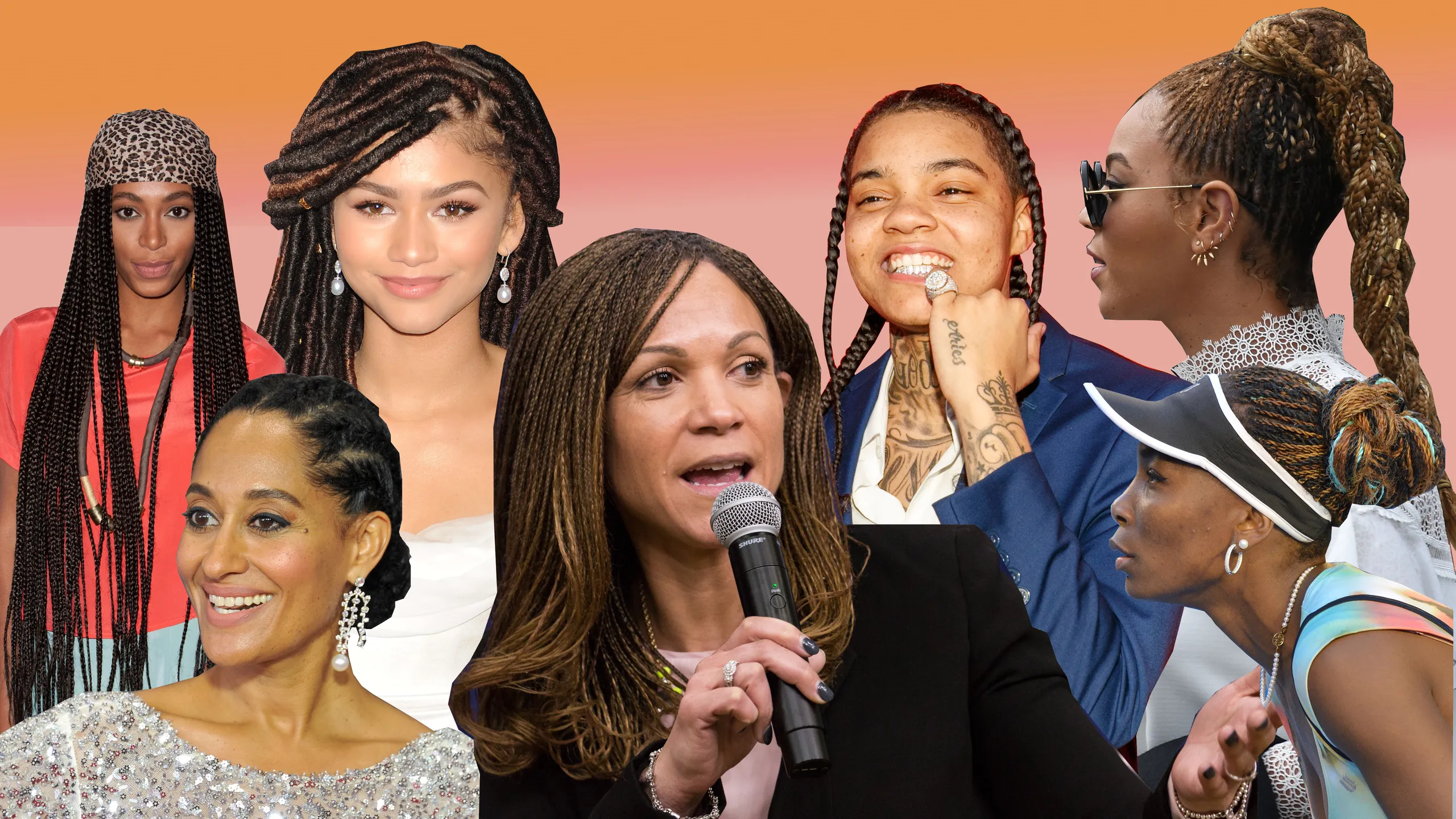
Today, braids continue to be a prominent feature in hairstyling, with modern adaptations that range from the classic French braid to more complex styles like the fishtail and waterfall braids. Celebrities and fashion icons have played a significant role in popularizing new braided looks, making them a go-to choice for both casual and formal occasions.

Creative Braiding Techniques

“Braids and Beyond” showcases a variety of braiding techniques, each with its unique charm and complexity. Whether you’re a beginner or an experienced stylist, this section provides detailed instructions and tips for mastering different braiding styles.

Basic Braids

The foundation of all braiding lies in the basic techniques: the three-strand braid, the French braid, and the Dutch braid. These styles are essential to learn and can be easily adapted or combined to create more intricate designs.

Advanced Braids

For those looking to take their braiding skills to the next level, the lookbook introduces advanced techniques such as the fishtail braid, the rope braid, and the five-strand braid. Each style presents a new challenge and adds a touch of sophistication to any hairstyle.

Decorative Elements

Braids can be enhanced with various decorative elements, such as ribbons, beads, and flowers. This section provides ideas on how to incorporate these accessories into braided hairstyles, making them perfect for special occasions like weddings, proms, or festivals.

Braids for Every Occasion

One of the most appealing aspects of braids is their versatility. They can be styled to suit any event, from casual outings to formal affairs.

Casual Styles

For everyday wear, simple braids like the side braid or the messy braid offer a relaxed yet chic look. These styles are easy to achieve and can be dressed up or down depending on the occasion.

Formal Elegance

Braids can also be elegantly incorporated into updo hairstyles, making them ideal for formal events. Whether it’s a sleek braided bun or a romantic braided crown, these styles exude sophistication and glamour.

Athletic and Active

Braids are not just about fashion; they are also practical for active lifestyles. Styles like the French braid and the fishtail braid keep hair securely in place during sports and physical activities, ensuring both functionality and style.

Conclusion

“Braids and Beyond: Creative Styling for Every Occasion” is a celebration of the timeless art of braiding. It demonstrates how braids can be adapted and transformed to suit any taste, occasion, or cultural background. Whether you’re looking to embrace your heritage, express your personal style, or simply keep your hair out of your face, braids offer endless possibilities. This comprehensive guide is a must-have for anyone looking to explore the creative world of braided hairstyles.