Road Trip Seru Keliling Bali: Dari Sunrise di Timur ke Sunset di Barat

Kalau kamu ingin menjelajahi Bali dengan cara yang beda, cobalah melakukan road trip dari ujung timur ke barat pulau ini. Dengan berkendara sendiri, kamu bisa merasakan kebebasan dan petualangan yang tidak kamu temukan lewat paket wisata biasa.

Pagi-pagi buta, kamu bisa memulai perjalanan dari Pantai Amed atau Bukit Asah di Karangasem. Di sini, kamu bisa menyaksikan matahari terbit yang perlahan muncul dari balik Gunung Rinjani di kejauhan. Suasana sunyi, angin laut yang sejuk, dan warna langit yang berubah perlahan akan memberi energi positif untuk memulai hari sweet bonanza 1000.

Setelah puas menikmati sunrise, kamu bisa melanjutkan perjalanan ke Tirta Gangga atau Lempuyang Temple untuk sekadar berfoto dan menikmati arsitektur Bali yang klasik. Jangan lupa mencicipi kuliner lokal di warung pinggir jalan, seperti sate lilit dan lawar khas Bali.

Menjelang siang, arahkan kendaraan ke Ubud untuk menikmati suasana pedesaan yang tenang dan pemandangan sawah terasering. Kamu bisa mampir ke Tegallalang Rice Terrace atau Goa Gajah, sebelum lanjut ke arah barat menuju Tanah Lot atau Pantai Seseh.

Di sore hari, berhentilah di Pantai Balian atau Pantai Medewi di Jembrana. Kedua pantai ini menawarkan panorama sunset yang luar biasa indah tanpa hiruk pikuk turis. Di sini, kamu bisa duduk santai, menyeruput kopi Bali, dan menyaksikan matahari perlahan tenggelam di ufuk barat.

Dengan rute dari timur ke barat, kamu bisa menikmati keindahan Bali secara utuh—dari terang hingga senja, dari pegunungan hingga laut.
Road trip ini bukan sekadar perjalanan, tapi pengalaman hidup yang tak terlupakan.

Apartemen di Indonesia: Tempat Tinggal Praktis di Tengah Kota Besar

risingtideproject.org – Apartemen di Indonesia telah menjadi pilihan utama bagi banyak orang, terutama di kota-kota besar seperti Jakarta, Surabaya, dan Bali. Dengan kehidupan yang semakin dinamis dan padat, apartemen menawarkan solusi hunian yang praktis, efisien, dan modern di tengah pusat kota. Selain itu, apartemen sering kali dilengkapi dengan berbagai fasilitas yang meningkatkan kenyamanan penghuninya. Berikut adalah beberapa alasan mengapa apartemen di Indonesia menjadi tempat tinggal praktis di tengah kota besar:

1. Lokasi Strategis

Salah satu daya tarik utama apartemen adalah lokasinya yang strategis. Banyak apartemen dibangun di kawasan pusat kota atau dekat dengan kawasan bisnis, pusat perbelanjaan, dan fasilitas umum lainnya. Lokasi ini memungkinkan penghuni untuk:

  • Menghemat waktu perjalanan: Dengan tinggal di pusat kota atau dekat dengan tempat kerja, Anda bisa mengurangi waktu perjalanan yang biasanya memakan banyak waktu dan biaya.
  • Akses mudah ke fasilitas: Apartemen yang terletak di lokasi strategis memudahkan penghuni untuk mengakses pusat perbelanjaan, restoran, rumah sakit, dan hiburan lainnya.
  • Akses transportasi umum: Banyak apartemen besar yang terletak dekat dengan stasiun MRT, LRT, atau halte bus, memudahkan penghuni untuk berkeliling kota tanpa perlu mengandalkan kendaraan pribadi.

2. Fasilitas Lengkap dan Praktis

Apartemen di Indonesia, terutama yang terletak di pusat kota, umumnya dilengkapi dengan fasilitas lengkap yang meningkatkan kenyamanan penghuninya. Beberapa fasilitas yang sering ditemukan di apartemen modern adalah:

  • Kolam renang: Untuk relaksasi dan olahraga ringan.
  • Gym: Pusat kebugaran yang memudahkan penghuni untuk berolahraga tanpa harus pergi jauh.
  • Keamanan 24 jam: Sistem keamanan yang ketat, termasuk pengawasan CCTV dan petugas keamanan, memberikan rasa aman bagi penghuni.
  • Pusat perbelanjaan dan restoran: Beberapa kompleks apartemen memiliki area komersial seperti minimarket, restoran, kafe, atau salon, yang memberikan kenyamanan bagi penghuni untuk memenuhi kebutuhan sehari-hari tanpa harus keluar kompleks.

3. Gaya Hidup Praktis dan Modern

Apartemen menawarkan gaya hidup yang praktis dan modern, cocok bagi penghuni yang sibuk dan menginginkan kehidupan yang efisien. Beberapa aspek gaya hidup apartemen di kota besar meliputi:

  • Desain fungsional: Apartemen umumnya dirancang dengan tata ruang yang efisien dan modern, mengoptimalkan penggunaan setiap inci ruang untuk kenyamanan penghuni.
  • Konsep smart home: Banyak apartemen modern yang sudah dilengkapi dengan teknologi smart home, seperti sistem pengaturan suhu, pencahayaan, dan keamanan yang bisa dikendalikan lewat aplikasi di smartphone.
  • Hidup tanpa stres lalu lintas: Karena apartemen biasanya terletak dekat dengan tempat kerja dan fasilitas umum, penghuni dapat menghindari stres karena macet, yang sering terjadi di kota-kota besar seperti Jakarta dan Surabaya.

4. Solusi Hunian bagi Keluarga Kecil dan Profesional Muda

Apartemen sangat cocok bagi keluarga kecil atau profesional muda yang membutuhkan tempat tinggal praktis dengan fasilitas lengkap tanpa mengorbankan kenyamanan. Beberapa alasan apartemen menjadi pilihan utama:

  • Ukuran yang sesuai: Apartemen memiliki berbagai tipe, mulai dari studio hingga unit yang lebih besar dengan 2-3 kamar tidur, sehingga dapat disesuaikan dengan jumlah penghuni atau keluarga kecil.
  • Fasilitas untuk keluarga: Beberapa apartemen menyediakan area bermain anak, kolam renang, dan taman, yang membuatnya cocok bagi keluarga muda.
  • Fleksibilitas penyewaan: Banyak apartemen yang menawarkan unit untuk disewa, sehingga memberikan fleksibilitas bagi profesional muda atau ekspatriat yang datang ke kota besar untuk bekerja sementara waktu.

5. Kemudahan dalam Pengelolaan dan Pemeliharaan

Salah satu keuntungan tinggal di apartemen adalah kemudahan dalam hal pemeliharaan dan pengelolaan. Apartemen umumnya memiliki tim pengelola yang bertanggung jawab atas:

  • Pemeliharaan fasilitas: Pengelola apartemen biasanya bertanggung jawab atas pemeliharaan fasilitas umum seperti kolam renang, gym, dan taman.
  • Layanan kebersihan: Beberapa apartemen menyediakan layanan kebersihan untuk unit apartemen secara berkala, yang mengurangi beban penghuninya.
  • Perbaikan cepat: Jika ada kerusakan pada fasilitas atau instalasi di unit apartemen, penghuni bisa menghubungi pengelola untuk perbaikan dengan cepat.

6. Keamanan dan Kenyamanan

Keamanan menjadi salah satu prioritas utama bagi penghuni apartemen. Sistem keamanan yang canggih sering kali mencakup:

  • Akses kontrol: Hanya penghuni dan tamu yang terdaftar yang bisa masuk ke area apartemen.
  • Pengawasan CCTV: Area umum dan akses masuk apartemen dipantau dengan kamera CCTV 24 jam.
  • Petugas keamanan: Banyak apartemen yang memiliki petugas keamanan yang berjaga di gerbang utama dan area-area tertentu untuk memastikan penghuni merasa aman.

7. Potensi Investasi yang Menjanjikan

Apartemen di kota besar juga merupakan pilihan investasi yang menarik. Seiring dengan pertumbuhan urbanisasi dan permintaan hunian yang terus meningkat, apartemen memiliki potensi untuk memberikan return on investment (ROI) yang baik, baik dalam bentuk penyewaan maupun apresiasi nilai properti. Beberapa alasan mengapa apartemen di kota besar bisa menjadi investasi yang menguntungkan:

  • Permintaan tinggi: Banyak ekspatriat, profesional muda, dan keluarga yang lebih memilih tinggal di apartemen karena kemudahan akses dan fasilitas yang disediakan.
  • Pengembalian sewa yang stabil: Dengan lokasi yang strategis, apartemen bisa disewakan dengan harga yang menguntungkan, memberikan penghasilan pasif yang stabil.
  • Pertumbuhan nilai properti: Beberapa kawasan kota besar mengalami perkembangan pesat, yang berpotensi meningkatkan nilai properti apartemen di masa depan.

8. Tipe Apartemen yang Beragam

Apartemen di Indonesia datang dalam berbagai ukuran dan tipe yang dapat disesuaikan dengan kebutuhan penghuninya:

  • Apartemen studio: Ideal bagi profesional muda atau pasangan yang menginginkan hunian efisien dengan harga lebih terjangkau.
  • Apartemen 1-2 kamar tidur: Cocok untuk keluarga kecil atau pasangan yang ingin ruang lebih.
  • Apartemen mewah: Dirancang untuk mereka yang menginginkan gaya hidup yang lebih eksklusif dengan fasilitas lengkap dan desain mewah.

Kesimpulan

Apartemen di Indonesia menawarkan kepraktisan, kenyamanan, dan gaya hidup modern di tengah kota besar. Dengan lokasi strategis, fasilitas lengkap, dan keamanan terjamin, apartemen menjadi pilihan hunian yang ideal untuk berbagai kalangan, mulai dari profesional muda hingga keluarga kecil. Selain itu, apartemen juga memberikan kemudahan dalam hal pengelolaan dan pemeliharaan, menjadikannya pilihan praktis bagi mereka yang mencari tempat tinggal yang efisien dan nyaman di tengah kesibukan kota besar.

Nordsjælland: A Coastal Paradise A Blend of Natural Beauty

risingtideproject.org – Nordsjælland, or North Zealand, is a picturesque region in Denmark, renowned for its stunning coastline, historic castles, and charming coastal towns. This region offers a unique blend of natural beauty, cultural heritage, and modern living.

A Coastal Gem

Nordsjælland’s coastline is a highlight of the region, with its sandy beaches, dramatic cliffs, and picturesque harbors.

  • Helsingør: A historic town famous for Kronborg Castle, the inspiration for Shakespeare’s “Hamlet.”
  • Hornbæk: A popular seaside resort with beautiful beaches and a vibrant summer atmosphere.
  • Tisvildeleje: A bohemian town known for its surfing culture and laid-back lifestyle.

A Tapestry of History

Nordsjælland is steeped in history, with numerous castles, manor houses, and ancient sites.

  • Frederiksborg Castle: A magnificent Renaissance castle surrounded by beautiful gardens.
  • Louisiana Museum of Modern Art: A world-class art museum with stunning views of the Øresund Sound.
  • Karen Blixen Museum: The former home of the renowned Danish author Karen Blixen.

A Modern Lifestyle

Nordsjælland is a popular residential area for affluent Danes, offering a high quality of life with excellent schools, modern amenities, and beautiful natural surroundings.

  • Lyngby-Taarbæk Kommune: A wealthy suburb of Copenhagen, known for its prestigious schools and elegant homes.
  • Rungsted: A charming town with a beautiful harbor, historic buildings, and a vibrant community.

A Culinary Delight

Nordsjælland offers a diverse culinary scene, with a focus on fresh, local ingredients.

  • Smørrebrød: Open-faced sandwiches are a Danish staple, and Nordsjælland offers unique variations with local ingredients.
  • Fiskekasser: Traditional fish shops offer a wide variety of fresh seafood, including herring, cod, and mackerel.
  • Local Breweries: Several breweries in the region produce high-quality craft beers.

Whether you’re seeking a peaceful retreat, an adventure-filled getaway, or a cultural exploration, Nordsjælland offers something for everyone. With its stunning natural beauty, rich history, and modern lifestyle, this region is a hidden gem waiting to be discovered.

Discovering the Beauty of the Longji Terraced Fields

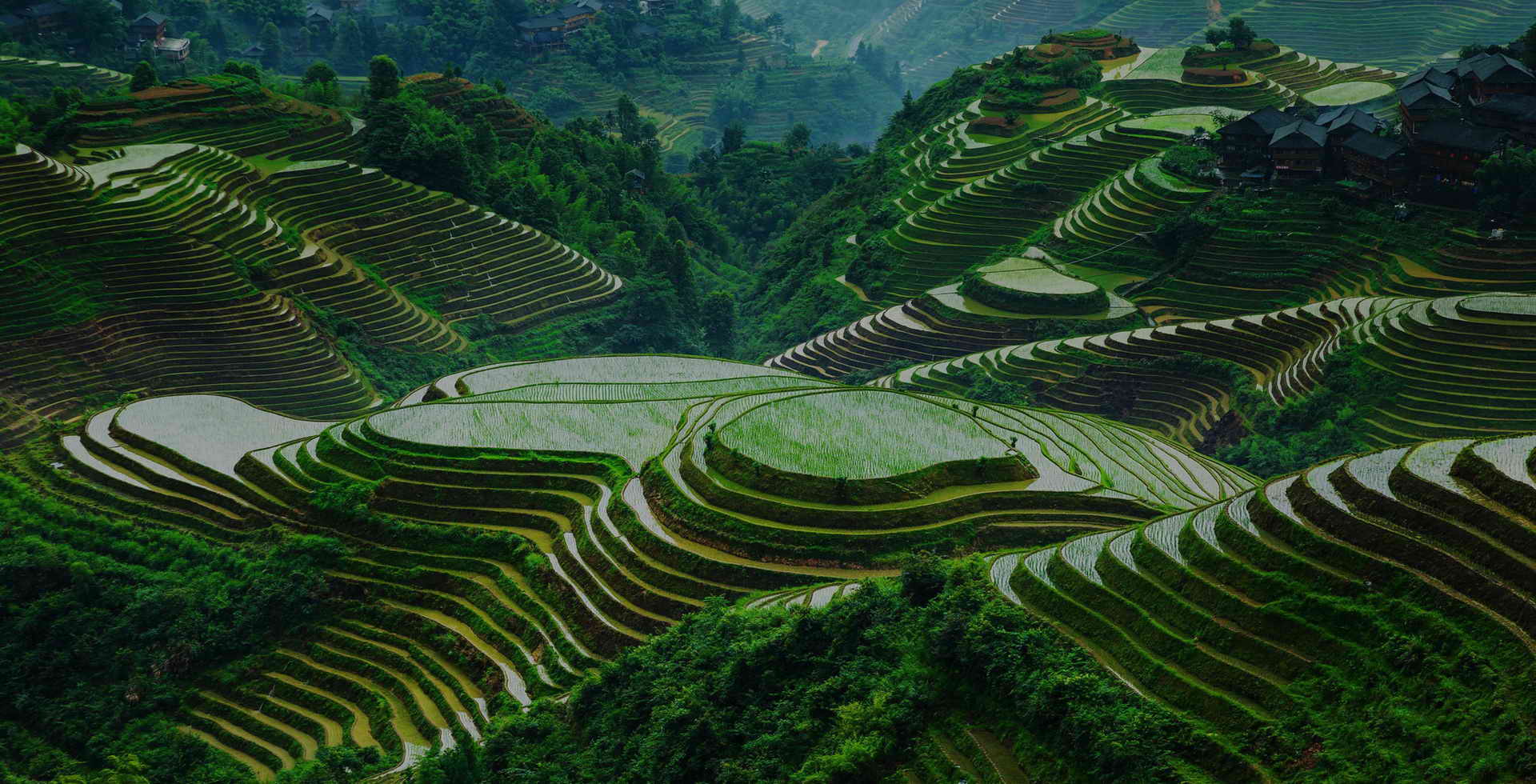
risingtideproject.org – The Longji Terraced Fields, also known as the Dragon’s Backbone Rice Terraces, are a breathtaking example of agricultural artistry and human ingenuity. Located in the Guangxi Zhuang Autonomous Region of China, these terraces have been carved into the mountainsides over centuries, creating a stunning landscape that attracts visitors from around the world. Renowned for their scenic beauty and cultural significance, the Longji Terraced Fields offer a glimpse into the harmonious relationship between people and nature.

The History and Creation of the Terraces

The history of the Longji Terraced Fields dates back over 600 years to the Yuan Dynasty (1271–1368) and continued to evolve during the Ming (1368–1644) and Qing (1644–1912) Dynasties. The local Zhuang and Yao ethnic minorities are credited with transforming these steep mountain slopes into arable land. Through their skillful engineering and deep respect for the land, they created a sustainable farming system that has endured for generations.

Ingenious Engineering

The terraces are a marvel of engineering, designed to maximize arable land in a region with challenging topography. The fields are built along the contours of the mountains, following the natural shape of the hillsides. This design not only helps conserve water but also prevents soil erosion, showcasing the ingenuity and foresight of the local farmers.

The Scenic Beauty of the Terraces

The Longji Terraced Fields are often described as a “landscape sculpture.” Their beauty changes with the seasons, offering visitors a unique experience at any time of year. In spring, the fields are filled with water, creating a mirror-like effect that reflects the sky. In summer, the terraces are lush and green with growing rice. Autumn brings golden hues as the rice ripens, while winter often blankets the fields in a pristine layer of snow.

Captivating Views

The terraces stretch across several villages, including Ping’an and Dazhai, each offering its own unique vantage points. The views from the top are nothing short of spectacular, with the terraces resembling the scales of a dragon’s backbone, hence their name. Hiking trails allow visitors to explore the fields up close and experience the breathtaking beauty from different angles.

Cultural Significance

Beyond their aesthetic appeal, the Longji Terraced Fields hold deep cultural significance for the local communities. They are a testament to the resilience and perseverance of the Zhuang and Yao people, who have adapted their agricultural practices to the mountainous terrain. The terraces are also a living cultural heritage, where traditional farming methods are still practiced and celebrated.

Local Traditions and Festivals

Visitors to the Longji Terraced Fields can immerse themselves in the rich cultural traditions of the region. Local festivals, such as the Zhuang and Yao New Year celebrations, offer a chance to experience traditional music, dance, and cuisine. These events provide insight into the vibrant cultural identity of the communities that have called this region home for centuries.

Conclusion

The Longji Terraced Fields are a remarkable example of the harmonious relationship between humans and nature. Their stunning beauty, coupled with their historical and cultural significance, makes them a must-visit destination for anyone exploring China. As you wander through these terraces, you’ll gain a deeper appreciation for the ingenuity and artistry that have shaped this extraordinary landscape and the enduring legacy of the people who created it.

The Diverse Neighborhoods of Chicago: A Melting Pot of Cultures

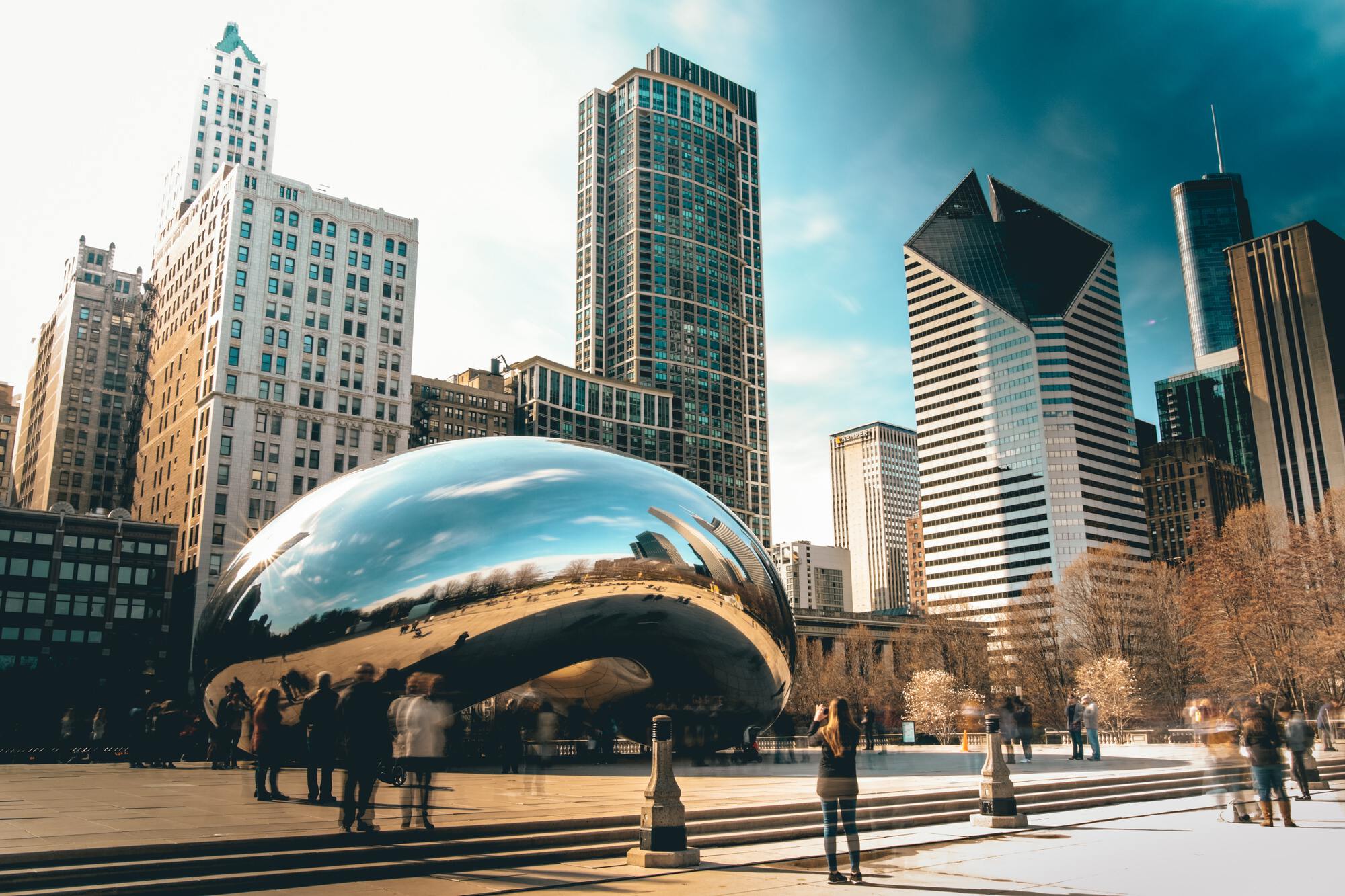
risingtideproject.org – Chicago, often referred to as the “City of Neighborhoods,” is a vibrant tapestry of cultural diversity. Each neighborhood offers a unique blend of history, culture, and community, making the city a true melting pot. From the lively streets of Pilsen to the historic charm of Hyde Park, Chicago’s neighborhoods provide a rich and varied experience for residents and visitors alike. Let’s explore some of these diverse neighborhoods and discover what makes them so special.

Pilsen: A Hub of Hispanic Culture and Art

Located on the Lower West Side, Pilsen is a vibrant neighborhood known for its rich Mexican heritage. The area is adorned with colorful murals and street art that celebrate its cultural roots. Pilsen is also home to the National Museum of Mexican Art, which showcases a vast collection of Mexican and Mexican-American art. The neighborhood’s lively atmosphere is complemented by a variety of authentic Mexican restaurants, bakeries, and shops.

Chinatown: A Taste of the Far East

Chicago’s Chinatown is a bustling enclave that offers a taste of Chinese culture and cuisine. From traditional dim sum restaurants to vibrant festivals, the neighborhood is a hub of activity. Visitors can explore the Chinatown Square, filled with shops and eateries, or visit the beautiful Nine Dragon Wall. Chinatown’s cultural significance is celebrated through events like the Chinese New Year Parade, drawing crowds from all over the city.

Little Italy: A Culinary and Cultural Delight

Little Italy, located near the University of Illinois at Chicago, is steeped in Italian-American history. The neighborhood is famous for its authentic Italian cuisine, with family-run restaurants serving up classic dishes like pasta and pizza. Little Italy is also home to the annual Festa Italiana, a celebration of Italian culture featuring food, music, and entertainment.

Hyde Park: A Blend of History and Academia

Hyde Park, situated on the South Side, is known for its historic architecture and academic influence, being home to the University of Chicago. The neighborhood boasts landmarks like the Museum of Science and Industry and the Frank Lloyd Wright-designed Robie House. Hyde Park’s diverse community contributes to its rich cultural tapestry, with a mix of students, academics, and long-time residents.

Andersonville: A Swedish-American Heritage

Andersonville, located on the North Side, is a charming neighborhood with strong Swedish-American roots. The neighborhood is known for its unique shops, cozy cafes, and the annual Midsommarfest, celebrating Swedish culture with music, dance, and traditional foods. Andersonville’s diverse community also embraces a wide range of cultures, reflected in its eclectic dining scene.

Bronzeville: The Heart of African-American Culture

Bronzeville, on Chicago’s South Side, is a historic neighborhood known for its significant role in African-American culture and history. Once a thriving center for jazz and blues, Bronzeville continues to celebrate its heritage through cultural institutions like the Bronzeville Children’s Museum and the Harold Washington Cultural Center. The neighborhood’s rich history is also reflected in its beautiful architecture and public art installations.

Conclusion

Chicago’s neighborhoods are a testament to the city’s cultural richness and diversity. Each area offers a unique glimpse into the lives and traditions of its residents, creating a vibrant mosaic that defines the city. Whether exploring the artistic streets of Pilsen or savoring the flavors of Little Italy, Chicago’s neighborhoods provide endless opportunities for cultural discovery and connection. As a melting pot of cultures, Chicago continues to thrive as a city that celebrates its diverse communities and their contributions to the city’s dynamic identity.

Pariwisata di Kamboja: Dari Siem Reap hingga Phnom Penh

risingtideproject – Kamboja telah menjadi salah satu tujuan wisata yang populer di Asia Tenggara, dengan warisan budaya yang kaya, pemandangan alam yang memukau, dan situs sejarah yang mendunia. Dari kota bersejarah Siem Reap yang menjadi gerbang menuju Angkor Wat hingga ibu kota Phnom Penh yang penuh dengan peninggalan sejarah, Kamboja menawarkan pengalaman wisata yang tak terlupakan bagi para pelancong.

Siem Reap dan Keajaiban Angkor Wat

Siem Reap merupakan pintu masuk utama menuju salah satu kompleks candi terbesar di dunia, Angkor Wat. Situs Warisan Dunia UNESCO ini menjadi daya tarik utama bagi wisatawan yang datang ke Kamboja. Dibangun pada abad ke-12, Angkor Wat dikenal sebagai salah satu mahakarya arsitektur dan seni Khmer yang luar biasa. Setiap tahunnya, jutaan pengunjung dari seluruh dunia berbondong-bondong datang ke sini untuk menyaksikan keindahan candi-candi yang tersebar di kawasan ini, termasuk Angkor Thom, Ta Prohm, dan Bayon.

Selain kompleks Angkor, Siem Reap juga memiliki daya tarik tersendiri sebagai kota yang dinamis dan penuh kehidupan. Wisatawan dapat menikmati berbagai restoran, kafe, dan pasar malam yang menjajakan aneka kuliner khas Kamboja dan barang-barang kerajinan lokal. Pusat kota Siem Reap, yang dekat dengan Pub Street, menjadi tempat populer bagi wisatawan untuk bersantai setelah seharian menjelajahi candi-candi.

Phnom Penh, Jantung Kamboja

Phnom Penh, ibu kota Kamboja, merupakan pusat budaya dan politik negara ini. Kota yang terletak di pertemuan Sungai Mekong dan Tonlé Sap ini kaya akan peninggalan sejarah, mulai dari era kolonial hingga masa modern. Wisatawan yang berkunjung ke Phnom Penh dapat menyaksikan berbagai situs bersejarah, seperti Istana Kerajaan (Royal Palace), yang masih menjadi kediaman resmi Raja Kamboja, serta Pagoda Perak yang megah.

Tidak jauh dari Istana Kerajaan, terdapat Museum Nasional Kamboja yang menyimpan berbagai artefak kuno dari era Angkor dan peradaban Khmer kuno. Museum ini menjadi tempat yang tepat untuk mempelajari lebih dalam tentang sejarah dan budaya Kamboja.

Namun, Phnom Penh juga menyimpan kenangan kelam dari masa rezim Khmer Merah. Wisatawan yang tertarik mempelajari sejarah Kamboja dapat mengunjungi Tuol Sleng Genocide Museum dan Killing Fields di Choeung Ek, tempat ribuan korban rezim Khmer Merah dibunuh. Meskipun tempat-tempat ini menghadirkan pengalaman yang emosional, kunjungan ke sini memberikan pemahaman yang lebih dalam tentang masa lalu Kamboja yang tragis dan dampaknya bagi masyarakat saat ini.

Wisata Alam dan Budaya di Kamboja

Selain Siem Reap dan Phnom Penh, Kamboja juga menawarkan berbagai destinasi wisata alam yang menakjubkan. Bagi pencinta pantai, Kep dan Sihanoukville adalah dua destinasi pantai yang mulai menarik perhatian wisatawan internasional. Pantai berpasir putih dan perairan yang jernih menjadikan tempat-tempat ini ideal untuk bersantai, snorkeling, atau menyelam.

Di sisi lain, bagi wisatawan yang tertarik dengan wisata pedesaan dan kehidupan lokal, Kamboja memiliki desa-desa tradisional yang tersebar di seluruh negeri. Desa-desa ini menawarkan kesempatan untuk merasakan kehidupan sehari-hari masyarakat Kamboja, termasuk melihat proses pembuatan kerajinan tangan, pertanian, dan tradisi budaya lokal.

Infrastruktur Pariwisata yang Semakin Maju

Seiring dengan semakin berkembangnya industri pariwisata, slot kamboja telah berinvestasi besar dalam pembangunan infrastruktur. Bandara internasional di Siem Reap dan Phnom Penh telah diperluas untuk mengakomodasi peningkatan jumlah wisatawan. Selain itu, semakin banyak hotel, restoran, dan fasilitas pariwisata lain yang dibangun untuk memenuhi kebutuhan wisatawan.

Kamboja juga terus meningkatkan kesadaran tentang pentingnya pariwisata yang berkelanjutan. Beberapa organisasi lokal dan internasional bekerja sama untuk melestarikan warisan budaya dan alam Kamboja, sambil mempromosikan pariwisata yang bertanggung jawab dan ramah lingkungan.

Pariwisata di Kamboja berkembang pesat, menawarkan perpaduan antara warisan budaya yang kaya, pemandangan alam yang indah, serta peninggalan sejarah yang mendalam. Dari keajaiban Angkor Wat di Siem Reap hingga kehidupan perkotaan di Phnom Penh, setiap sudut Kamboja menawarkan pengalaman yang unik. Bagi wisatawan yang mencari destinasi yang memadukan keindahan alam dan kekayaan sejarah, Kamboja adalah tempat yang sempurna untuk dijelajahi.
Ireland: A Haven for International Businesses

risingtideproject.org – Ireland has long been recognized as a global business hub, attracting multinational companies from around the world. This article explores the factors that make Ireland an attractive destination for international businesses, including its strategic location, favorable business environment, and skilled workforce.

Strategic Location

Ireland’s geographical position in Europe makes it an ideal gateway to the European market. As a member of the European Union (EU), Ireland offers businesses access to a vast market of over 500 million consumers. Additionally, its proximity to the United Kingdom and the United States further enhances its appeal as a business location.

Favorable Business Environment

Tax Incentives

One of the key factors that attract international businesses to Ireland is its competitive corporate tax rate. The country offers a corporate tax rate of 12.5%, which is one of the lowest in the EU. This tax advantage, combined with a stable political environment and a robust legal system, makes Ireland an attractive destination for foreign direct investment (FDI).

Skilled Workforce

Ireland boasts a highly educated and skilled workforce, which is a significant draw for multinational companies. The country has a strong emphasis on education and innovation, with numerous world-class universities and research institutions. This ensures a steady supply of talented professionals across various industries, including technology, pharmaceuticals, and financial services.

Business-Friendly Regulations

The Irish government has implemented a range of business-friendly regulations to support international companies. The process of setting up a business in Ireland is streamlined, with services like company registration and bank account opening being relatively quick and straightforward. This efficiency reduces the time and cost associated with establishing a new business, making it easier for companies to start operations in Ireland.

Success Stories

Ireland has been home to numerous successful multinational companies, including tech giants like Google, Facebook, and Apple. These companies have chosen Ireland as their European headquarters, leveraging the country’s business-friendly environment and skilled workforce to drive their global operations.

Future Prospects

The future looks bright for Ireland as a business hub. The country continues to invest in infrastructure and innovation, ensuring that it remains competitive in the global market. Additionally, the ongoing expansion of Irish businesses into international markets further cements Ireland’s position as a key player in the global economy.

Conclusion

Ireland’s combination of strategic location, favorable business environment, and skilled workforce makes it an ideal haven for international businesses. As the country continues to attract and support multinational companies, its position as a global business hub is likely to strengthen further.

Oil Rich but People Poor: Equatorial Guinea

risingtideproject.org – Equatorial Guinea, a small central African nation, is a stark example of the paradox where abundant natural resources coexist with widespread poverty among its population. Despite being one of the wealthiest countries in Sub-Saharan Africa due to its significant oil reserves, the majority of its inhabitants live in poverty. This article explores the reasons behind this disparity and the impact of oil wealth on the country’s governance and social fabric.

The Oil Wealth

Equatorial Guinea’s oil reserves were discovered in the mid-1990s, leading to a dramatic increase in government revenue. Between 2000 and 2013, the country took in approximately US$45 billion in oil revenues, catapulting it into the ranks of the wealthiest nations in the region49. The potential for this wealth to transform the country from an impoverished backwater into an economic powerhouse was immense.

Governance and Corruption

The stark contrast between Equatorial Guinea’s vast resource wealth and its extreme levels of poverty and inequality is largely attributed to a total failure of governance. The country’s leadership, particularly under President Teodoro Obiang Nguema Mbasogo, has been criticized for squandering and mismanaging the oil wealth. Instead of using the revenues to improve the lives of its citizens, much of the money has been siphoned off by government officials and the ruling elite.

Poverty and Inequality

Despite the country’s oil wealth, many of Equatorial Guinea’s 1.6 million inhabitants live in poverty. The benefits of the oil boom have not trickled down to the general population, leading to rampant poverty and inequality. The country’s economic growth has been concentrated in the hands of a few, leaving the majority of the population struggling to make ends meet.

The American Dream

The yearning for a better life has led many young Equatorial Guineans to aspire to the “American Dream.” This desire for a better future underscores the dissatisfaction with the current state of affairs in their home country. The contrast between the potential for prosperity and the reality of poverty is a significant factor driving this aspiration.

Conclusion

Equatorial Guinea’s story is a cautionary tale about the perils of resource wealth without proper governance. The country’s abundant oil reserves have not translated into improved living standards for its people, primarily due to corruption and mismanagement. Addressing these issues and ensuring that the benefits of oil wealth are shared equitably is crucial for the country’s future development and the well-being of its citizens.

The Struggle for Mobile Ownership Among Indian Women

risingtideproject.org – In a rapidly digitalizing world, access to mobile phones has become a fundamental necessity. However, a significant portion of the Indian population, particularly women, still lacks this basic access. According to the Nielsen India Internet Report 2023, approximately 39% or 85 million users, with a higher proportion being women, are accessing the internet through shared devices. This statistic highlights a critical issue of digital exclusion and gender disparity in India.

The Gender Gap in Mobile Ownership

The data reveals a stark gender gap in mobile ownership. Women are more likely to share mobile phones with family members rather than owning one themselves. This trend is not only a reflection of economic disparities but also of societal norms and cultural practices that often prioritize male family members’ needs over those of women.

Consequences of Sharing Mobile Phones

Sharing mobile phones can have several negative consequences for women. It limits their ability to access information independently, which is crucial for education, employment opportunities, and personal development. Moreover, it can hinder their ability to communicate freely and maintain privacy, which is essential for their safety and well-being.

Efforts to Bridge the Gap

Various initiatives and programs have been launched to address this issue. The Indian government and non-governmental organizations (NGOs) are working towards increasing mobile ownership among women. These efforts include providing subsidies, awareness campaigns, and training programs to empower women and encourage them to own and use mobile phones.

Conclusion

While India has made significant strides in digital inclusion, the challenge of ensuring that every woman has access to a mobile phone remains. Addressing this issue is not just about providing a device; it is about promoting gender equality and ensuring that women have the same opportunities as men to participate fully in the digital world.

The CIA and the War on Terror: Strategies & Controversies

risingtideproject.org – In the aftermath of the September 11, 2001, terrorist attacks, the Central Intelligence Agency (CIA) found itself at the forefront of the United States’ response to the global threat of terrorism. The agency’s role in the War on Terror has been multifaceted, encompassing intelligence gathering, covert operations, and the use of controversial tactics. This article examines the strategies employed by the CIA in the War on Terror and the controversies that have arisen from its actions.

The CIA’s Shift Toward Counterterrorism

Following the 9/11 attacks, the CIA underwent a significant transformation, with a substantial portion of its resources and focus shifted toward counterterrorism efforts. The agency’s primary objective became the identification, tracking, and neutralization of terrorist threats, particularly those posed by al-Qaeda and other affiliated groups.

Intelligence Gathering and Analysis

The CIA’s first line of defense in the War on Terror has been its intelligence gathering and analysis capabilities. The agency has utilized a variety of methods, including human intelligence (HUMINT), signals intelligence (SIGINT), and satellite imagery, to collect information on terrorist activities and plans. The analysis of this intelligence has been crucial in preventing numerous terrorist attacks and in guiding military and law enforcement operations.

Covert Operations and Special Courts

The CIA has conducted numerous covert operations as part of the War on Terror, often with the authorization of the President and in coordination with other U.S. agencies. These operations have included the capture or killing of high-value targets, the disruption of terrorist financing, and the support of foreign governments in their counterterrorism efforts. The use of special courts, such as the Foreign Intelligence Surveillance Court (FISC), has also been a contentious aspect of the CIA’s counterterrorism strategy, raising concerns about privacy and civil liberties.

Rendition, Detention, and Interrogation

One of the most controversial aspects of the CIA’s involvement in the War on Terror has been its program of extraordinary rendition, detention, and interrogation. The agency has been accused of detaining terrorist suspects in secret prisons, known as black sites, and subjecting them to harsh interrogation techniques, including waterboarding. These practices have sparked international outrage and have led to allegations of torture and human rights abuses.

Drone Strikes and Targeted Killings

The CIA has also been involved in the use of unmanned aerial vehicles (UAVs), commonly known as drones, to carry out targeted killings of terrorist suspects. While drone strikes have been credited with taking out key al-Qaeda and Taliban leaders, they have also been criticized for causing civilian casualties and for the legal and ethical implications of conducting such operations without due process.

The Snowden Revelations and Public Scrutiny

The disclosures by former NSA contractor Edward Snowden in 2013 brought additional scrutiny to the CIA’s activities in the War on Terror. The revelations about widespread surveillance programs and the sharing of intelligence with foreign governments raised concerns about privacy, government overreach, and the balance between security and civil liberties.

Conclusion

The CIA’s role in the War on Terror has been both pivotal and controversial. While the agency’s efforts have contributed to significant successes in disrupting terrorist plots and degrading terrorist organizations, they have also led to ethical and legal dilemmas. The balance between effective counterterrorism measures and the protection of democratic values remains a challenging issue for policymakers, intelligence officials, and the public alike. As the nature of the terrorist threat continues to evolve, the strategies and tactics employed by the CIA will undoubtedly continue to be a subject of intense debate and scrutiny.

Structure and Function: Montenegro’s Legal System

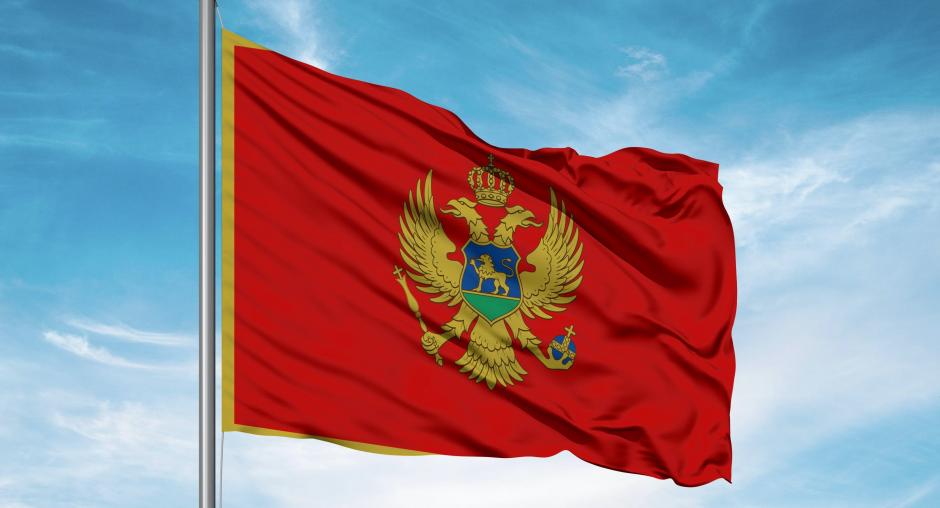
risingtideproject.org – Montenegro’s legal system is a critical component of its governance, ensuring law and order within the country. This article provides an analysis of the structure and function of Montenegro’s legal system, highlighting its key institutions, legal frameworks, and the role it plays in upholding justice and protecting rights.

The Structure of Montenegro’s Legal System

Constitution of Montenegro

The foundation of Montenegro’s legal system is its Constitution, which was adopted in 2007. The Constitution outlines the basic principles of the state, the rights and freedoms of its citizens, and the structure of government. It serves as the supreme law of the land, with which all other laws and regulations must comply.

Legislative Framework

Montenegro’s legislative framework consists of a body of laws and regulations that govern various aspects of life within the country. These include civil law, criminal law, commercial law, and administrative law, among others. The laws are enacted by the Parliament of Montenegro, the country’s legislative body.

Judicial System

The judicial system of Montenegro is responsible for interpreting and applying the law. It is structured into several levels, including the Supreme Court, which is the highest judicial authority. Other courts include the High Court, Basic Courts, and specialized courts such as the Administrative Court and the Commercial Court. The judiciary is independent and operates separately from the legislative and executive branches.

Prosecutorial System

The Prosecutorial System in Montenegro is tasked with investigating crimes, prosecuting offenders, and protecting the legal order. The State Prosecutor’s Office is the central body, with regional and local prosecutors’ offices operating throughout the country. Prosecutors work closely with the police and other law enforcement agencies to ensure the effective administration of justice.

The Function of Montenegro’s Legal System

Upholding the Rule of Law

One of the primary functions of Montenegro’s legal system is to uphold the rule of law. This involves ensuring that all individuals and entities within the country, including the government itself, are subject to and abide by the law. The legal system provides a framework for resolving disputes, enforcing contracts, and protecting rights and freedoms.

Protecting Rights and Freedoms

The legal system plays a crucial role in protecting the rights and freedoms of Montenegrin citizens. It guarantees fundamental rights such as freedom of speech, freedom of religion, and the right to a fair trial. The Constitution and various laws provide mechanisms for individuals to seek redress and justice when their rights are violated.

Ensuring Justice and Equity

Montenegro’s legal system is designed to ensure justice and equity in the application of the law. The judiciary, with its independent and impartial judges, is central to this function. Courts are expected to make fair and unbiased decisions based on the facts and the law, thereby promoting trust and confidence in the legal system.

Adapting to International Standards

As a member of the international community, Montenegro’s legal system is also tasked with adapting to international standards and norms. This includes implementing international treaties and conventions to which Montenegro is a party, such as the European Convention on Human Rights. The legal system must evolve to align with these international obligations, ensuring that Montenegro’s laws and practices meet global standards.

Conclusion

Montenegro’s legal system is a complex and multifaceted institution that plays a vital role in maintaining law and order within the country. Its structure, comprising the Constitution, legislative framework, judicial system, and prosecutorial system, is designed to uphold the rule of law, protect rights and freedoms, and ensure justice and equity. As Montenegro continues to develop and integrate into the international community, its legal system will be key to its progress and stability.

Judicial Processes and Croatia’s Legal System

risingtideproject.org – Croatia’s legal system is a critical component of its governance structure, ensuring the rule of law, protecting individual rights, and maintaining social order. This article provides an overview of Croatia’s legal framework, its judicial processes, and the institutions that uphold the legal system. It highlights the country’s commitment to justice, transparency, and the protection of human rights.

The Structure of Croatia’s Legal System

Croatia’s legal system is based on civil law, with its roots in the Roman legal tradition. The Constitution of Croatia is the supreme law of the land, setting forth the fundamental principles of the state, the rights and duties of citizens, and the organization of government. Legislation is primarily enacted by the Croatian Parliament, with laws covering a wide range of areas, including criminal law, civil law, commercial law, and administrative law.

Judicial Institutions in Croatia

The judiciary in Croatia is independent and is responsible for interpreting and applying the law. The court system is structured into several tiers, including municipal courts, county courts, and the Supreme Court of the Republic of Croatia. Municipal courts handle minor criminal cases and civil disputes, while county courts deal with more serious criminal cases and complex civil matters. The Supreme Court serves as the highest court in the land, reviewing decisions from lower courts and ensuring uniformity in the application of the law.

The Role of the Constitutional Court

The Constitutional Court of Croatia plays a unique role in the legal system. It is responsible for reviewing the constitutionality of laws, decisions of state bodies, and international agreements. The Court also adjudicates disputes between state bodies and protects the constitutional rights of individuals. The independence and impartiality of the Constitutional Court are crucial for maintaining the balance of power and upholding the Constitution.

Judicial Processes and Procedures

Judicial processes in Croatia are governed by procedural laws, such as the Criminal Procedure Act and the Civil Procedure Act. These laws outline the steps involved in legal proceedings, from the filing of a complaint or indictment to the final judgment. The adversarial system is employed, where the parties to a case present their arguments and evidence before an impartial judge or jury. Judicial decisions are based on the law and the facts of the case, with an emphasis on fairness and due process.

Reforms and Challenges in Croatia’s Legal System

Croatia has undertaken several reforms to modernize its legal system and improve its efficiency. These reforms include the digitization of court proceedings, the introduction of alternative dispute resolution mechanisms, and efforts to combat corruption within the judiciary. Despite these advances, challenges remain, such as the need for further judicial training, the reduction of case backlogs, and the enhancement of public trust in the legal system.

Conclusion

Croatia’s legal system is a testament to the country’s commitment to justice, the rule of law, and the protection of human rights. Through its well-structured judicial institutions, adherence to procedural laws, and ongoing reforms, Croatia strives to ensure that its legal system remains effective, transparent, and accessible to all citizens. The continued evolution of Croatia’s legal framework is essential for maintaining social order, promoting economic development, and upholding the principles of democracy and human rights.

Preserving Its Rich History: Burkina Faso’s Cultural Heritage

risingtideproject.org – Burkina Faso, a country in West Africa, is home to a rich and diverse cultural heritage that reflects its history, traditions, and the resilience of its people. From ancient kingdoms to colonial influences and modern developments, the cultural landscape of Burkina Faso is a tapestry woven with the threads of its various ethnic groups, languages, and artistic expressions. Preserving this heritage is crucial for maintaining the country’s identity and ensuring that future generations can appreciate and learn from its rich history.

The Ethnic Mosaic of Burkina Faso

Burkina Faso is inhabited by more than 60 ethnic groups, each with its own language, customs, and traditions. The Mossi people are the largest ethnic group, followed by the Fulani, Gurunsi, Bobo, and Lobi, among others. This ethnic diversity contributes to the country’s cultural richness, with each group adding its unique flavor to the national identity.

Traditional Festivals and Ceremonies

Traditional festivals and ceremonies play a significant role in preserving the cultural heritage of Burkina Faso. These events, often linked to agricultural cycles, religious beliefs, or historical events, provide a platform for the expression of traditional music, dance, and art. The Fête de la Maskerade in Bobo-Dioulasso, for example, showcases the masquerades of the Bobo people, while the Zabré Horse Fair highlights the equestrian skills of the Fulani.

Architectural Marvels and Historical Sites

Burkina Faso’s cultural heritage is also embodied in its architectural marvels and historical sites. The ancient city of Koumbi Saleh, once part of the Ghana Empire, and the royal palaces of the Mossi kingdoms in Ouagadougou and Ouahigouya are testament to the region’s historical significance. These sites not only attract tourists but also serve as a reminder of the country’s rich past.

Museums and Cultural Centers

Museums and cultural centers play a crucial role in preserving and promoting Burkina Faso’s cultural heritage. The National Museum in Ouagadougou, for instance, houses a collection of artifacts that illustrate the country’s history and the traditions of its various ethnic groups. The Panafrican Film and Television Festival of Ouagadougou (FESPACO) is another significant event that celebrates African cinema and culture.

Challenges in Preserving Cultural Heritage

Despite the richness of its cultural heritage, Burkina Faso faces several challenges in preserving its history. Urbanization, globalization, and the influence of foreign cultures threaten to erode traditional practices and values. Additionally, political instability and economic constraints limit the resources available for the conservation of historical sites and the promotion of cultural activities.

Efforts to Safeguard Cultural Heritage

The government of Burkina Faso, along with various non-governmental organizations and international bodies, is making efforts to safeguard the country’s cultural heritage. These include initiatives to restore historical sites, support traditional crafts and arts, and promote cultural tourism. Education also plays a vital role in ensuring that young people are aware of their cultural heritage and value it.

Conclusion

Burkina Faso’s cultural heritage is a precious asset that reflects the country’s history, diversity, and resilience. Preserving this heritage is essential for maintaining the national identity and ensuring that future generations can appreciate and learn from it. Through concerted efforts and a commitment to cultural preservation, Burkina Faso can continue to celebrate and share its rich cultural tapestry with the world.

Promoting Heritage: Saudi Arabia’s Cultural Renaissance

risingtideproject.org – Saudi Arabia is undergoing a profound cultural renaissance, marked by a significant shift towards preserving and promoting its rich heritage. This transformation is not only about reviving the past but also about integrating cultural elements into the fabric of modern society, aligning with the Kingdom’s Vision 2030.

National Strategy and Commitments

The Kingdom has unveiled a comprehensive national strategy to promote cultural heritage, which includes the protection and preservation of archaeological sites and the effective use of digital technologies to enhance cultural tourism and the safeguarding of traditional building techniques. This strategy is part of a broader commitment to cultural revitalization, which is central to Saudi Arabia’s Vision 2030. The Ministry of Culture has spearheaded this initiative, aiming to embed culture in everyday life, leverage it for economic growth, and use it to enhance the Kingdom’s international standing1.

Financial and Institutional Support

Saudi Arabia has allocated substantial funds to protect cultural heritage. The Ministry of Culture announced a $30 million contribution to the International Alliance for the Protection of Heritage in Conflict Areas (Alef), demonstrating a strong commitment to global efforts in cultural preservation. Additionally, the Kingdom has committed $25 million to UNESCO for the protection of heritage, focusing on digital technologies, sustainable cultural tourism, and the preservation of World Heritage sites.

Cultural Institutions and Initiatives

The establishment of 11 cultural commissions dedicated to various segments such as music, film, heritage, and museums underscores the Kingdom’s dedication to cultural development. Notable initiatives include the development of AlUla, a site of remarkable historical and artistic interest, and the Diriyah Gate in Riyadh, which will feature arts districts, academies, a new media arts institute, museums, and hotels.

International Collaboration and Recognition

Saudi Arabia’s cultural renaissance is also evident in its international engagements. The Kingdom hosted the G20 Culture Ministers’ meeting in 2020, highlighting its commitment to sustainable cultural development on a global scale. The Kingdom’s efforts have been recognized internationally, with UNESCO acknowledging its contributions to the preservation of World Heritage sites and the promotion of creative economies.

Challenges and Opportunities

While the Kingdom is making significant strides, challenges remain. The integration of cultural preservation with economic development and environmental sustainability is crucial. The use of emerging technologies such as digital photogrammetry and 3D printing can enhance the preservation and activation of cultural sites.

Conclusion

Saudi Arabia’s cultural renaissance is a testament to its commitment to preserving and promoting its heritage. Through strategic investments, institutional support, and international collaboration, the Kingdom is not only safeguarding its past but also shaping its future. This cultural revival is not just about preserving history but also about creating a vibrant, inclusive society that values its heritage and looks forward to a sustainable future.

The International Relations of Venezuela: Stability & Partnerships

risingtideproject.org – Venezuela, a country with a rich history and significant natural resources, has faced numerous challenges in recent years, including economic difficulties, political instability, and international isolation. However, in 2024, Venezuela has been actively seeking to stabilize its international relations and forge new partnerships. This strategic shift is crucial for the country’s economic recovery and regional stability.

Re-engaging with the International Community

One of the primary focuses of Venezuela’s foreign policy in 2024 has been to re-engage with the international community. The government has been in dialogue with various countries and international organizations to normalize relations and seek support for its economic recovery. Key initiatives include:

  1. Negotiations with the United States: Venezuela has been in talks with the United States to ease economic sanctions. These negotiations aim to restore diplomatic relations and facilitate investment in the oil sector.
  2. Strengthening Ties with Latin American Neighbors: Venezuela has been working to improve relations with neighboring countries, such as Colombia and Brazil. These efforts are crucial for regional stability and economic integration.
  3. Engagement with Multilateral Organizations: Venezuela has been seeking to re-engage with multilateral organizations, including the United Nations and the Organization of American States (OAS). This involvement is aimed at addressing humanitarian concerns and promoting peace and stability.

Strategic Partnerships and Investments

Venezuela’s efforts to stabilize its international relations also include forging strategic partnerships and attracting foreign investments. Key areas of focus include:

  1. Joint Ventures in the Oil Sector: Venezuela has been forming joint ventures with international oil companies from Russia, China, and India. These partnerships aim to revitalize the oil industry through technology transfer, investment, and expertise.
  2. Trade Agreements: The government has been negotiating trade agreements with various countries to diversify its export markets and reduce dependence on oil revenues. These agreements cover a range of sectors, including agriculture, manufacturing, and technology.
  3. Infrastructure Development: Venezuela is seeking partnerships with foreign companies for infrastructure development projects, such as port upgrades, telecommunications, and renewable energy. These projects are crucial for economic recovery and improving the standard of living.

Challenges and Opportunities

While Venezuela’s efforts to stabilize its international relations and forge new partnerships are promising, several challenges remain. Political instability, economic sanctions, and a lack of trust among international partners are significant obstacles. However, the country’s rich natural resources, strategic geographical location, and potential for economic growth present opportunities for mutually beneficial partnerships.

Conclusion

The international relations of Venezuela in 2024 are characterized by a strategic shift towards seeking stability and forging new partnerships. The government’s efforts to re-engage with the international community, form strategic alliances, and attract foreign investment are crucial for the country’s economic recovery and regional stability. Despite the challenges, the potential for positive change exists, and with sustained effort, Venezuela can work towards a more stable and prosperous future.

Economic Impact of Climate Change on Benin’s Coastal Regions

risingtideproject.org – Benin’s coastal regions are a vital economic hub, contributing significantly to the country’s GDP through activities such as fishing, tourism, and agriculture. However, these areas are highly vulnerable to the impacts of climate change, which are already beginning to take a toll on local economies and livelihoods.

The Threat of Rising Sea Levels

One of the most immediate threats posed by climate change is the rise in sea levels. Benin’s coastal communities, particularly those in the Ouémé and Mono deltas, are experiencing increased flooding and erosion, leading to the loss of arable land and critical infrastructure. This has dire consequences for agriculture, as it reduces the amount of land available for cultivation and increases the salinity of soil, affecting crop yields and food security .

Impact on Fisheries and Aquaculture

The fishing industry is a cornerstone of Benin’s coastal economy, providing both food and employment for a significant portion of the population. However, rising temperatures and changing ocean chemistry are affecting fish populations and migration patterns, leading to declines in catch rates and economic losses for fishermen. Additionally, aquaculture operations are facing challenges due to increased water temperatures and salinity, which can stress fish stocks and reduce productivity .

Tourism Under Siege

Tourism is another sector feeling the heat of climate change. Benin’s coastal areas, known for their beautiful beaches and historical sites, are experiencing more frequent and severe weather events, such as storms and cyclones. These events not only damage tourism infrastructure but also deter visitors, leading to a decline in revenue for local businesses and the government.

Adaptation and Resilience Building

To mitigate the economic impacts of climate change, Benin’s coastal regions must adopt adaptation strategies that build resilience and diversify economic activities. This includes investing in sea defenses to protect against flooding and erosion, developing sustainable aquaculture practices that can withstand changing environmental conditions, and promoting climate-friendly tourism that emphasizes eco-tourism and cultural heritage .

Conclusion: A Call for Urgent Action

The economic impact of climate change on Benin’s coastal regions is a clear call for urgent and sustained action. By recognizing the vulnerabilities of these areas and implementing targeted adaptation measures, Benin can protect its coastal economies and ensure the well-being of its population. International support and collaboration will also be crucial in addressing this global challenge, as the effects of climate change know no borders.

Top 10 Attractions in Brussels, Belgium, and Luxembourg

1. Grand Place, Brussels

risingtideproject.org – The Grand Place is the central square of Brussels, known for its ornate buildings, including the City Hall and the Maison du Roi. It’s a UNESCO World Heritage site and a must-visit for its stunning architecture and vibrant atmosphere.

2. Atomium, Brussels

This iconic structure, built for the 1958 World’s Fair, represents an iron crystal magnified 165 billion times. It offers panoramic views of Brussels and houses exhibitions on its history and design.

3. Manneken Pis, Brussels

This famous little bronze statue of a boy urinating is a symbol of Brussels’ sense of humor. It’s a quirky attraction that draws visitors from around the world.

4. Mini-Europe, Brussels

Mini-Europe is a park that showcases miniature versions of Europe’s most famous landmarks. It’s an excellent way to see a lot of Europe in a single day, especially for families.

5. The European Parliament, Brussels

As the seat of the European Union, Brussels is home to the European Parliament. Visitors can take a guided tour to learn about the workings of the EU and the history of European integration.

6. Luxembourg City

The capital of Luxembourg is known for its fortifications, which are a UNESCO World Heritage site. The Bock Casemates, a network of underground galleries, is a testament to the city’s military past.

7. The Grand Duchess Charlotte Bridge, Luxembourg

This impressive bridge offers stunning views of the city and the Alzette River. It’s an engineering marvel and a symbol of modern Luxembourg.

8. The Old Quarter, Luxembourg

The Old Quarter, or Ville Haute, is the historic heart of Luxembourg City. It’s filled with medieval buildings, narrow streets, and offers a glimpse into the city’s past.

9. The National Museum of History and Art, Luxembourg

This museum houses a rich collection of art and historical artifacts, providing insight into Luxembourg’s cultural and historical heritage.

10. The Moselle Wine Region, Luxembourg

Luxembourg’s Moselle region is known for its vineyards and wine production. Visitors can enjoy wine tasting and picturesque views of the river and vine-covered hills.

These top attractions in Brussels, Belgium, and Luxembourg offer a mix of history, culture, and natural beauty, making them must-see destinations for any traveler.

Century of Conflict & Coexistence: Ottoman Period in Serbia

risingtideproject.org – The Ottoman period in Serbia, spanning from the late 14th century to the early 19th century, was a complex era marked by both conflict and coexistence. This article delves into the historical dynamics that shaped Serbia under Ottoman rule, exploring the socio-political developments, cultural exchanges, and the eventual struggle for independence.

The Arrival of the Ottomans

The Ottoman Empire’s expansion into the Balkans began in the late 14th century, with Serbia gradually falling under its control. The pivotal Battle of Kosovo in 1389, although not an outright Ottoman victory, weakened Serbian resistance and paved the way for Ottoman dominance. By the early 15th century, Serbia was fully incorporated into the Ottoman administrative system.

Administrative and Socio-Economic Changes

Under Ottoman rule, Serbia was reorganized into administrative units known as sanjaks. The Ottomans introduced a sophisticated administrative system, the millet system, which allowed for a degree of religious and cultural autonomy. This system, while ensuring Ottoman control, also facilitated a level of coexistence among different religious and ethnic groups.

Economically, the Ottomans revitalized trade routes, connecting Serbia more closely with the broader Ottoman markets. Agricultural practices were also influenced by Ottoman methods, leading to changes in land use and taxation systems.

Cultural Exchanges and Conflicts

The Ottoman period saw significant cultural exchanges between the Serbian and Ottoman populations. Islamic culture and architecture left a lasting impact on Serbia, with numerous mosques, bridges, and public baths being constructed. However, these exchanges were not without conflict. The Serbian Orthodox Church, a key pillar of Serbian identity, often found itself at odds with the Ottoman authorities, leading to periods of tension and resistance.

The Road to Independence

The 18th and early 19th centuries witnessed a growing Serbian national consciousness, fueled by economic grievances, religious tensions, and the influence of Enlightenment ideas from Western Europe. The First Serbian Uprising (1804-1813) marked the beginning of the end of Ottoman rule in Serbia. Although the uprising was brutally suppressed, it set the stage for the eventual establishment of the Principality of Serbia in 1817, under nominal Ottoman suzerainty.

Conclusion

The Ottoman period in Serbia was a multifaceted era characterized by both conflict and coexistence. While the Ottoman rule brought about significant administrative, economic, and cultural changes, it also sowed the seeds of Serbian nationalism and the eventual struggle for independence. Understanding this complex period is crucial for appreciating the historical depth of Serbian identity and its place within the broader Balkan region.

The Nang Tani: Thailand’s Enchanting Peacock Dance

risingtideproject.org – Thailand, a country renowned for its rich cultural heritage and vibrant traditions, is home to a myriad of captivating performances that reflect its historical depth and artistic prowess. Among these, the Nang Tani, or the Peacock Dance, stands out as a mesmerizing spectacle that has enchanted audiences for generations. This dance is not just a performance; it is a window into Thailand’s past, a narrative woven through intricate movements, vibrant costumes, and the graceful sway of peacock feathers.

The Origins of the Peacock Dance

The Peacock Dance has its roots in the ancient courts of Thailand, where it was performed for royalty and nobility. It is believed to have originated in the Ayutthaya period, a golden era in Thai history marked by prosperity and cultural refinement. The dance was a significant part of court ceremonies and festivals, symbolizing the beauty, grace, and majesty of the Thai people.

The Story Behind the Dance

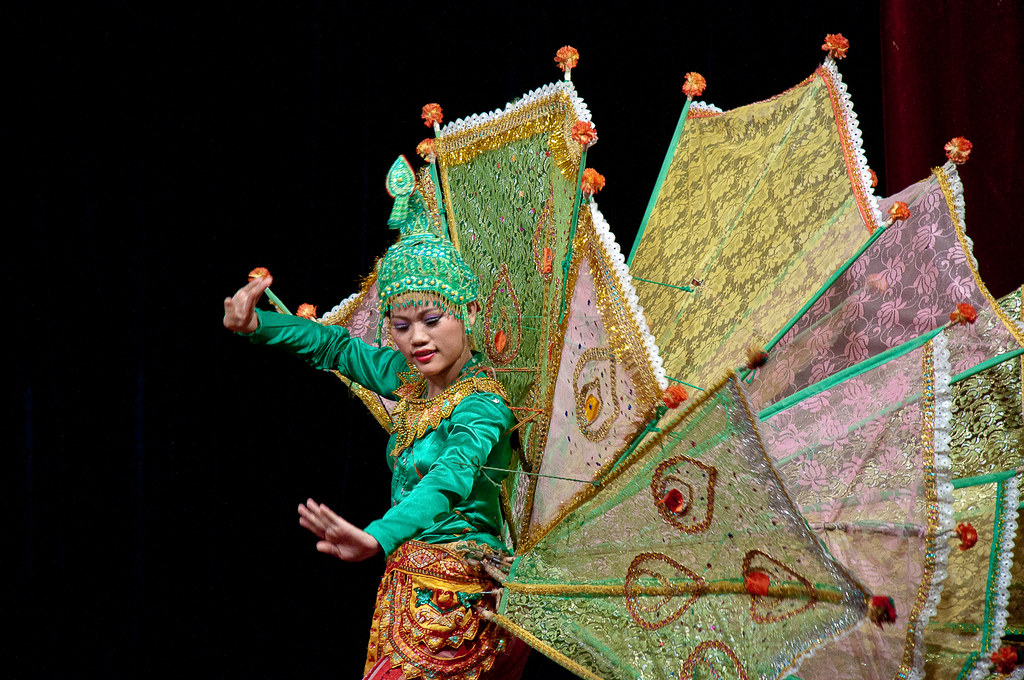
The Nang Tani is more than just a display of physical prowess; it is a narrative dance that tells a story. The most common tale depicted through the Peacock Dance is the love story of Prince Kraithong and Princess Thip. The story revolves around their courtship, challenges, and eventual union, symbolizing the triumph of love and virtue. The peacock, with its resplendent plumage, represents the prince, while the princess is symbolized by a similarly adorned dancer.

The Art of the Dance

The Peacock Dance is a testament to the skill and dedication of Thai dancers. It requires years of training to master the intricate movements, which mimic the graceful strut and fan of a peacock’s tail. The dance is performed to the accompaniment of traditional Thai music, played on instruments such as the ranat ek (a xylophone), the pi (an oboe), and the khim (a hammered dulcimer).

The Costumes and Makeup

One of the most striking aspects of the Peacock Dance is the elaborate costumes and makeup worn by the performers. The dancers are adorned in vibrant, peacock-inspired attire, complete with headdresses and fans made from real peacock feathers. Their faces are painted with traditional Thai makeup, highlighting the eyes and lips, to create a look that is both striking and otherworldly.

The Cultural Significance

The Peacock Dance holds significant cultural importance in Thailand. It is not only a celebration of the country’s artistic heritage but also a symbol of national pride. The dance is performed during various festivals and ceremonies, including the Royal Ploughing Ceremony, which marks the beginning of the rice-planting season, and at cultural events aimed at promoting Thai traditions both within the country and abroad.

Preserving the Legacy

In an era where globalization threatens to dilute cultural identities, the Peacock Dance remains a beacon of Thailand’s enduring cultural legacy. Efforts are being made to preserve and promote this art form, including through dance schools and cultural exchange programs. By keeping the traditions of the Nang Tani alive, Thailand ensures that its enchanting peacock dance will continue to captivate audiences for generations to come.

The Peacock Dance of Thailand, with its blend of storytelling, music, and dance, is a true reflection of the country’s cultural richness. It is a living legacy that showcases the beauty, grace, and depth of Thai artistry. As the dancers move with the elegance of peacocks, they carry with them the spirit of Thailand, inviting the world to marvel at their enchanting performance.

The Art of Apsara: Traditional Dance in Cambodia

risingtideproject.org – Cambodia, a country with a rich cultural heritage, has long been celebrated for its intricate and mesmerizing traditional dances. Among these, the dance of the Apsara stands out as the most iconic representation of Cambodian performing arts. This dance, deeply rooted in the country’s history and Hindu-Buddhist mythology, is not just a form of entertainment but a window into the soul of Cambodia’s cultural legacy.

The Legend of Apsara Dance

The Apsara dance is inspired by the celestial maidens of Hindu and Khmer mythology, known for their extraordinary beauty and divine grace. According to legend, the Apsaras descended from heaven to perform a sacred dance, thereby securing the gods’ victory over the demons in a quest for the elixir of immortality. This mythological narrative is beautifully translated into a dance form that embodies the elegance and spirituality of the celestial beings.

The Artistic Elements of Apsara Dance

Apsara dance is characterized by its intricate choreography, expressive hand gestures (mudras), and the elaborate costumes and makeup of the dancers. The costumes, heavily influenced by the depictions found in the temples of Angkor, are a sight to behold. They typically include a silk sampot (a traditional skirt), a beaded belt, and a richly decorated top, complemented by ornate jewelry and the famous Apsara crown.

The dancers’ faces are painted with traditional makeup, featuring bold eyes and lips, and sometimes decorated with elaborate facial tattoos that mimic the carvings found on temple walls. The most distinctive feature of the Apsara dance is the dancers’ hand gestures, which are not only aesthetically pleasing but also convey specific meanings and narratives.

The Significance of Apsara Dance in Cambodian Culture

Beyond its aesthetic appeal, the Apsara dance holds profound significance in Cambodian culture. It is a symbol of the country’s enduring spirit and resilience, having survived through periods of turmoil and upheaval. The dance is also a means of preserving Cambodia’s historical and religious heritage, as it is deeply intertwined with the stories and legends that have been passed down through generations.

The Revival and Preservation of Apsara Dance

In recent years, there has been a concerted effort to revive and preserve the art of Apsara dance. This includes the training of new dancers, the restoration of traditional dance schools, and the performance of Apsara dances in cultural festivals and international events. These initiatives aim to ensure that the dance continues to thrive and remain an integral part of Cambodia’s cultural identity.

Conclusion

The Apsara dance is more than just a performance; it is a living testament to Cambodia’s rich cultural heritage and the enduring spirit of its people. Through its graceful movements, intricate gestures, and vibrant costumes, the dance tells the story of a civilization that has withstood the test of time. As Cambodia continues to embrace its past while looking towards the future, the Apsara dance remains a beacon of the country’s artistic and cultural legacy, captivating audiences around the world with its timeless beauty and profound significance.

The Art of Wax-Resist Dyeing: Indonesian Batik

risingtideproject.org – Indonesian Batik stands as a testament to the rich cultural heritage and artistic prowess of the Indonesian archipelago. This intricate form of wax-resist dyeing has not only become a symbol of Indonesian identity but also an art form that has garnered international recognition, including its inclusion in the UNESCO Intangible Cultural Heritage Lists. The process of creating Batik involves a meticulous technique that has been passed down through generations, reflecting the deep cultural significance and artistic expression of the Indonesian people.

The History of Batik in Indonesia

The origins of Batik in Indonesia can be traced back centuries, with evidence suggesting its existence in the country since the 12th century. The art form flourished in the courts of Central Java and Yogyakarta, where it became a symbol of nobility and royalty. Over time, Batik spread across the archipelago, evolving in different regions to reflect local tastes, traditions, and techniques. Today, various styles of Batik can be found across Indonesia, each with its unique patterns and colors, reflecting the diversity of the Indonesian culture.

The Making of Batik: A Traditional Process

The process of creating Batik is both an art and a science. It involves drawing intricate designs on fabric using a tool called a canting, which is a small pen-like instrument with a metal tip for applying melted wax. The wax acts as a resist, preventing the dye from penetrating the fabric in certain areas. After the wax is applied, the fabric is dyed, often multiple times to achieve the desired colors and patterns. Once the dyeing is complete, the fabric is boiled to remove the wax, revealing the final design. This process requires a high level of skill, patience, and creativity, making each Batik piece a unique work of art.

Regional Styles of Indonesian Batik

Indonesia’s vast archipelago has given rise to a variety of Batik styles, each reflecting the local culture and traditions. Some of the most renowned styles include the intricate and symmetrical patterns of Javanese Batik, the bold and colorful designs of Balinese Batik, and the geometric motifs of Batak Batik from North Sumatra. Each style tells a story of its region’s history, beliefs, and artistic vision.

The Cultural Significance of Batik

Beyond its aesthetic beauty, Batik holds profound cultural significance in Indonesia. It is often associated with important occasions and ceremonies, worn as a symbol of respect and tradition. Batik also serves as a medium for storytelling, with many patterns carrying symbolic meanings and narratives from Indonesian mythology and history. The preservation and promotion of Batik are seen as crucial to maintaining the cultural identity and heritage of Indonesia.

The Future of Indonesian Batik

In the face of globalization and modernization, the future of traditional Batik making is a topic of discussion and concern. However, there is a growing movement to preserve and revitalize this ancient art form. Through education, innovation, and collaboration with international markets, Indonesian Batik continues to thrive, captivating new audiences while remaining true to its roots. As the world becomes more connected, Batik serves as a bridge, sharing the beauty and depth of Indonesian culture with the global community.

Conclusion

Indonesian Batik is more than just a technique of wax-resist dyeing; it is a living testament to the creativity, resilience, and cultural richness of the Indonesian people. Its intricate designs and vibrant colors tell the story of a nation’s history, traditions, and artistic vision. As Batik continues to evolve in the modern world, it remains an emblem of Indonesia’s enduring heritage and a source of national pride.

Cheap Travel Across the Region: The Balkan Bonanza

risingtideproject.org – The Balkans, a region rich in history, culture, and natural beauty, has long been an alluring destination for adventurous travelers. However, it’s only recently that the area has gained recognition as a budget-friendly paradise. With its diverse landscapes, vibrant cities, and affordable experiences, the Balkans offer a unique opportunity for travelers to explore without breaking the bank. In this article, we’ll delve into the myriad ways you can enjoy the Balkan bonanza without overspending.

Affordable Accommodations

One of the first expenses travelers encounter is finding a place to stay. The Balkans boast a wide range of affordable accommodations, from budget hostels to cozy guesthouses and apartments. Cities like Belgrade, Sofia, and Sarajevo offer particularly good value for money, with comfortable rooms often costing a fraction of what you’d pay in Western Europe.

Delicious and Inexpensive Cuisine

The culinary scene in the Balkans is as diverse as it is affordable. From the hearty stews and grilled meats of Serbia to the seafood dishes along the Croatian coast, there’s something to satisfy every palate. Street food is also a highlight, with burek (a flaky pastry filled with meat, cheese, or vegetables) and cevapi (grilled minced meat served in a bun) being popular choices. Eating like a local in the Balkans not only immerses you in the culture but also keeps your travel budget in check.

Cost-Effective Transportation

Getting around the Balkans is surprisingly easy and affordable. The region’s extensive bus network connects major cities and towns, offering frequent services at low prices. Trains are less common but can be a scenic and relaxing way to travel between some destinations. For those looking to explore at their own pace, renting a car is also a viable option, with rates significantly lower than in many other parts of Europe.

Free and Low-Cost Attractions

The Balkans are brimming with attractions that won’t put a dent in your wallet. Historic sites like the ancient city of Butrint in Albania or the Roman ruins in Plovdiv, Bulgaria, offer a glimpse into the past without a hefty entrance fee. Nature lovers can hike in the stunning mountains of Montenegro or relax on the beaches of the Albanian Riviera, all for free or a nominal charge.

Cultural Experiences on a Budget

Immersing yourself in the local culture doesn’t have to be expensive. Attend a traditional music and dance performance, visit local markets, or join a free walking tour to learn about the history and stories of each city. These experiences provide a deeper understanding of the region and its people, all while keeping your travel costs low.

Conclusion

The Balkans offer a unique blend of history, culture, and natural beauty, all at a fraction of the cost of more popular European destinations. With careful planning and an adventurous spirit, travelers can enjoy a Balkan bonanza that’s both enriching and easy on the wallet. Whether you’re exploring the bustling streets of Belgrade, relaxing on the beaches of Dubrovnik, or hiking in the mountains of Kosovo, the Balkans promise an unforgettable experience that won’t break the bank. So pack your bags and get ready for an adventure in one of Europe’s best-kept secrets.

Life in Dangerous Countries: The Frontlines of Fear

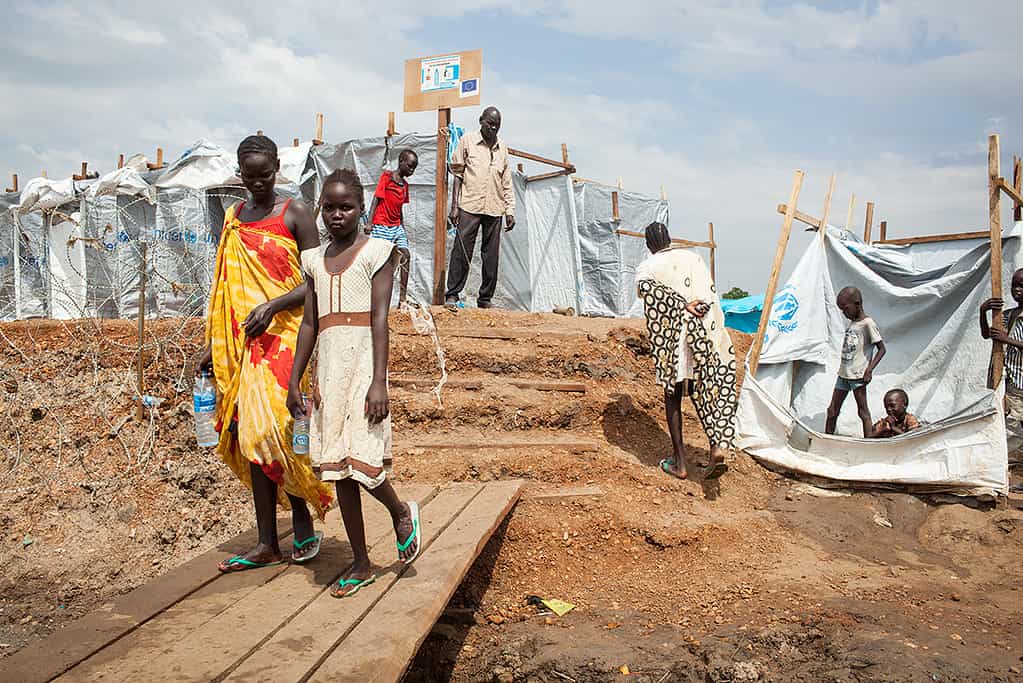
risingtideproject.org – In a world where safety and security are often taken for granted, there are places where life is a constant battle against fear and danger. These are the frontlines of fear, countries where the specter of violence, conflict, and instability looms large, casting a shadow over the daily lives of their inhabitants. This article delves into the harsh realities faced by people living in some of the most dangerous countries, exploring the psychological and physical toll such environments take on individuals and communities.

The Psychological Burden

Living in a dangerous country often means living with a constant sense of unease. The psychological impact of such an environment can be profound, leading to widespread anxiety, depression, and post-traumatic stress disorder (PTSD). For children, the effects can be particularly damaging, shaping their development and influencing their perception of the world from a young age. In these settings, the simple act of going to school or playing outside becomes fraught with risk, robbing young minds of their innocence and carefree nature.

The Physical Threats

The dangers faced in these countries are not just psychological; they are very real and physical. Violence can erupt without warning, whether it be from criminal activity, terrorism, or armed conflict. Civilians often find themselves caught in the crossfire, with little protection from the bullets and bombs that shatter their communities. The threat of physical harm is ever-present, leading to a hypervigilant state where every sound and movement is scrutinized for potential danger.

The Struggle for Basic Needs

In dangerous countries, the pursuit of basic needs becomes a perilous journey. Access to clean water, food, and healthcare is often compromised by the prevailing conditions. Markets and hospitals can become targets, while supply chains are disrupted, leaving people to fend for themselves in a hostile environment. The struggle for survival becomes a daily grind, with individuals and families going to extreme lengths to secure the essentials of life.

The Resilience of the Human Spirit

Despite the overwhelming challenges, the human spirit shines through in these dangerous countries. Communities come together to support one another, forming bonds that are forged in the fires of adversity. Acts of kindness and solidarity provide beacons of hope in the darkness, reminding us of the resilience and strength of the human spirit. People continue to dream, to love, and to fight for a better future, even when the odds seem insurmountably stacked against them.

The Call for Global Awareness and Action

The frontlines of fear are a stark reminder of the disparities that exist in our world. While some enjoy peace and prosperity, others are trapped in a cycle of violence and despair. It is a call to action for the global community to not turn a blind eye to these realities. Through awareness, advocacy, and support, we can help alleviate the suffering of those living in dangerous countries. International cooperation and assistance can play a crucial role in restoring peace, providing humanitarian aid, and fostering conditions where fear is no longer the dominant force in people’s lives.

In conclusion, life in dangerous countries is a testament to the human capacity to endure and persevere in the face of unimaginable challenges. While the frontlines of fear may seem distant to some, they are a harsh reality for millions around the globe. It is our collective responsibility to stand in solidarity with those who live in these environments, to amplify their voices, and to work towards a world where safety and security are not luxuries but rights afforded to all.