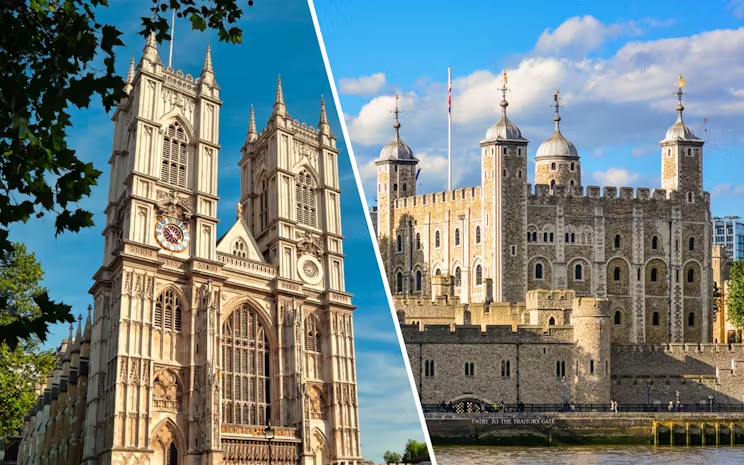
Westminster Abbey: A Majestic Symbol of British Heritage

risingtideproject.org – Westminster Abbey, located in the heart of London, is one of the United Kingdom’s most iconic and historically significant religious buildings. With a history spanning over a thousand years, this Gothic masterpiece has been the site of numerous royal ceremonies, national celebrations, and commemorations, making it a central symbol of British heritage and tradition.

Historical Background

The origins of Westminster Abbey date back to the 7th century when a Benedictine monastery was established on the site. The current structure, however, was initiated by King Henry III in 1245, who sought to replace the original church with a grander Gothic design. Over the centuries, the abbey has undergone numerous expansions and restorations, contributing to its architectural splendor and historical richness.

Architectural Grandeur

Westminster Abbey is renowned for its stunning Gothic architecture, characterized by its soaring vaulted ceilings, intricate stone carvings, and magnificent stained glass windows. The abbey’s impressive facade and twin towers dominate the London skyline, while its interior features notable elements such as the Coronation Chair, the Lady Chapel, and the stunning fan-vaulted ceiling of the Henry VII Chapel.

Royal and National Significance

For centuries, Westminster Abbey has been the site of royal coronations, beginning with William the Conqueror in 1066. It has also hosted numerous royal weddings, including the marriage of Prince William and Catherine Middleton in 2011, and it serves as the final resting place for many British monarchs and notable figures. The abbey is also the site of national services and commemorations, reflecting its role as a central place of worship and national identity.

Cultural and Historical Impact

Westminster Abbey is a treasure trove of British history, with memorials and monuments dedicated to illustrious figures such as Sir Isaac Newton, Charles Darwin, Geoffrey Chaucer, and Charles Dickens. The abbey’s Poets’ Corner is particularly famous for honoring some of the greatest writers and poets in English literature.

Conclusion

Westminster Abbey stands as a testament to Britain’s rich historical and cultural legacy. Its architectural beauty, coupled with its profound historical and royal significance, makes it a must-visit destination for those seeking to explore the depths of British history and tradition. As both a place of worship and a symbol of national heritage, Westminster Abbey continues to inspire and captivate visitors from around the world.
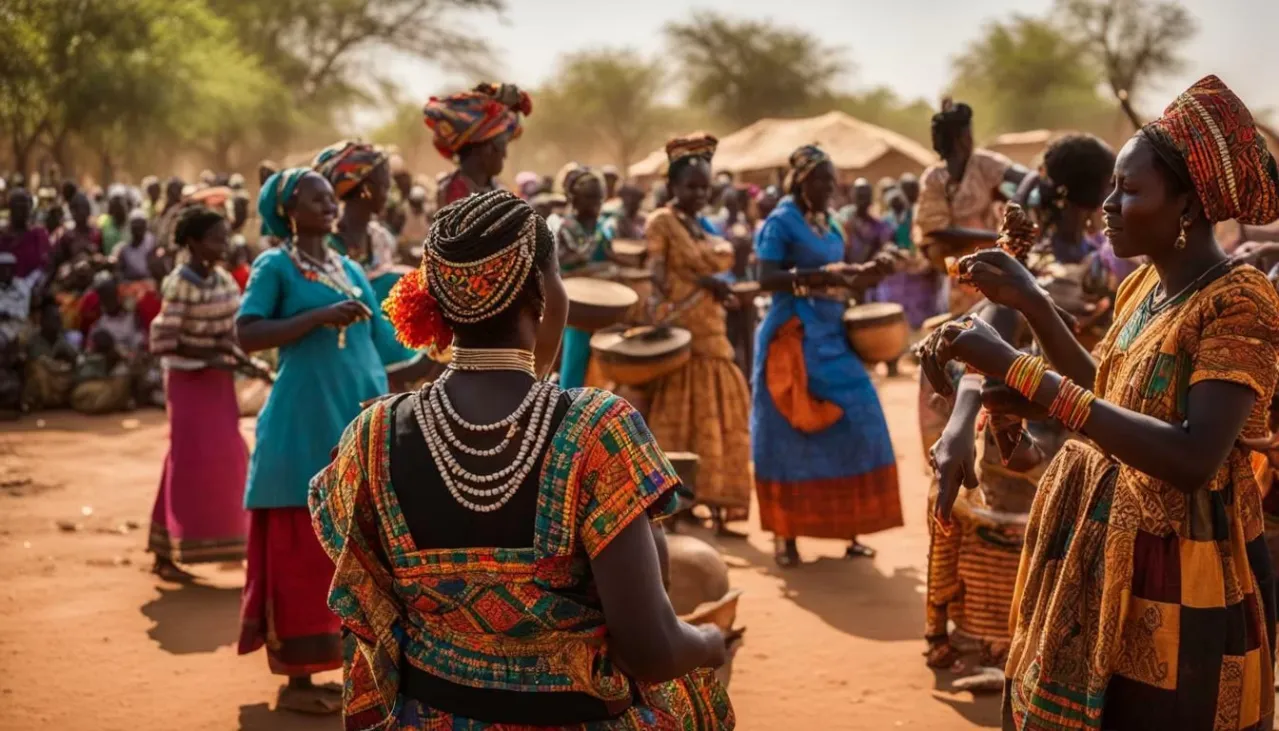

Preserving Its Rich History: Burkina Faso’s Cultural Heritage

risingtideproject.org – Burkina Faso, a country in West Africa, is home to a rich and diverse cultural heritage that reflects its history, traditions, and the resilience of its people. From ancient kingdoms to colonial influences and modern developments, the cultural landscape of Burkina Faso is a tapestry woven with the threads of its various ethnic groups, languages, and artistic expressions. Preserving this heritage is crucial for maintaining the country’s identity and ensuring that future generations can appreciate and learn from its rich history.

The Ethnic Mosaic of Burkina Faso

Burkina Faso is inhabited by more than 60 ethnic groups, each with its own language, customs, and traditions. The Mossi people are the largest ethnic group, followed by the Fulani, Gurunsi, Bobo, and Lobi, among others. This ethnic diversity contributes to the country’s cultural richness, with each group adding its unique flavor to the national identity.

Traditional Festivals and Ceremonies

Traditional festivals and ceremonies play a significant role in preserving the cultural heritage of Burkina Faso. These events, often linked to agricultural cycles, religious beliefs, or historical events, provide a platform for the expression of traditional music, dance, and art. The Fête de la Maskerade in Bobo-Dioulasso, for example, showcases the masquerades of the Bobo people, while the Zabré Horse Fair highlights the equestrian skills of the Fulani.

Architectural Marvels and Historical Sites

Burkina Faso’s cultural heritage is also embodied in its architectural marvels and historical sites. The ancient city of Koumbi Saleh, once part of the Ghana Empire, and the royal palaces of the Mossi kingdoms in Ouagadougou and Ouahigouya are testament to the region’s historical significance. These sites not only attract tourists but also serve as a reminder of the country’s rich past.

Museums and Cultural Centers

Museums and cultural centers play a crucial role in preserving and promoting Burkina Faso’s cultural heritage. The National Museum in Ouagadougou, for instance, houses a collection of artifacts that illustrate the country’s history and the traditions of its various ethnic groups. The Panafrican Film and Television Festival of Ouagadougou (FESPACO) is another significant event that celebrates African cinema and culture.

Challenges in Preserving Cultural Heritage

Despite the richness of its cultural heritage, Burkina Faso faces several challenges in preserving its history. Urbanization, globalization, and the influence of foreign cultures threaten to erode traditional practices and values. Additionally, political instability and economic constraints limit the resources available for the conservation of historical sites and the promotion of cultural activities.

Efforts to Safeguard Cultural Heritage

The government of Burkina Faso, along with various non-governmental organizations and international bodies, is making efforts to safeguard the country’s cultural heritage. These include initiatives to restore historical sites, support traditional crafts and arts, and promote cultural tourism. Education also plays a vital role in ensuring that young people are aware of their cultural heritage and value it.

Conclusion

Burkina Faso’s cultural heritage is a precious asset that reflects the country’s history, diversity, and resilience. Preserving this heritage is essential for maintaining the national identity and ensuring that future generations can appreciate and learn from it. Through concerted efforts and a commitment to cultural preservation, Burkina Faso can continue to celebrate and share its rich cultural tapestry with the world.

Promoting Heritage: Saudi Arabia’s Cultural Renaissance

risingtideproject.org – Saudi Arabia is undergoing a profound cultural renaissance, marked by a significant shift towards preserving and promoting its rich heritage. This transformation is not only about reviving the past but also about integrating cultural elements into the fabric of modern society, aligning with the Kingdom’s Vision 2030.

National Strategy and Commitments

The Kingdom has unveiled a comprehensive national strategy to promote cultural heritage, which includes the protection and preservation of archaeological sites and the effective use of digital technologies to enhance cultural tourism and the safeguarding of traditional building techniques. This strategy is part of a broader commitment to cultural revitalization, which is central to Saudi Arabia’s Vision 2030. The Ministry of Culture has spearheaded this initiative, aiming to embed culture in everyday life, leverage it for economic growth, and use it to enhance the Kingdom’s international standing1.

Financial and Institutional Support

Saudi Arabia has allocated substantial funds to protect cultural heritage. The Ministry of Culture announced a $30 million contribution to the International Alliance for the Protection of Heritage in Conflict Areas (Alef), demonstrating a strong commitment to global efforts in cultural preservation. Additionally, the Kingdom has committed $25 million to UNESCO for the protection of heritage, focusing on digital technologies, sustainable cultural tourism, and the preservation of World Heritage sites.

Cultural Institutions and Initiatives

The establishment of 11 cultural commissions dedicated to various segments such as music, film, heritage, and museums underscores the Kingdom’s dedication to cultural development. Notable initiatives include the development of AlUla, a site of remarkable historical and artistic interest, and the Diriyah Gate in Riyadh, which will feature arts districts, academies, a new media arts institute, museums, and hotels.

International Collaboration and Recognition

Saudi Arabia’s cultural renaissance is also evident in its international engagements. The Kingdom hosted the G20 Culture Ministers’ meeting in 2020, highlighting its commitment to sustainable cultural development on a global scale. The Kingdom’s efforts have been recognized internationally, with UNESCO acknowledging its contributions to the preservation of World Heritage sites and the promotion of creative economies.

Challenges and Opportunities

While the Kingdom is making significant strides, challenges remain. The integration of cultural preservation with economic development and environmental sustainability is crucial. The use of emerging technologies such as digital photogrammetry and 3D printing can enhance the preservation and activation of cultural sites.

Conclusion

Saudi Arabia’s cultural renaissance is a testament to its commitment to preserving and promoting its heritage. Through strategic investments, institutional support, and international collaboration, the Kingdom is not only safeguarding its past but also shaping its future. This cultural revival is not just about preserving history but also about creating a vibrant, inclusive society that values its heritage and looks forward to a sustainable future.

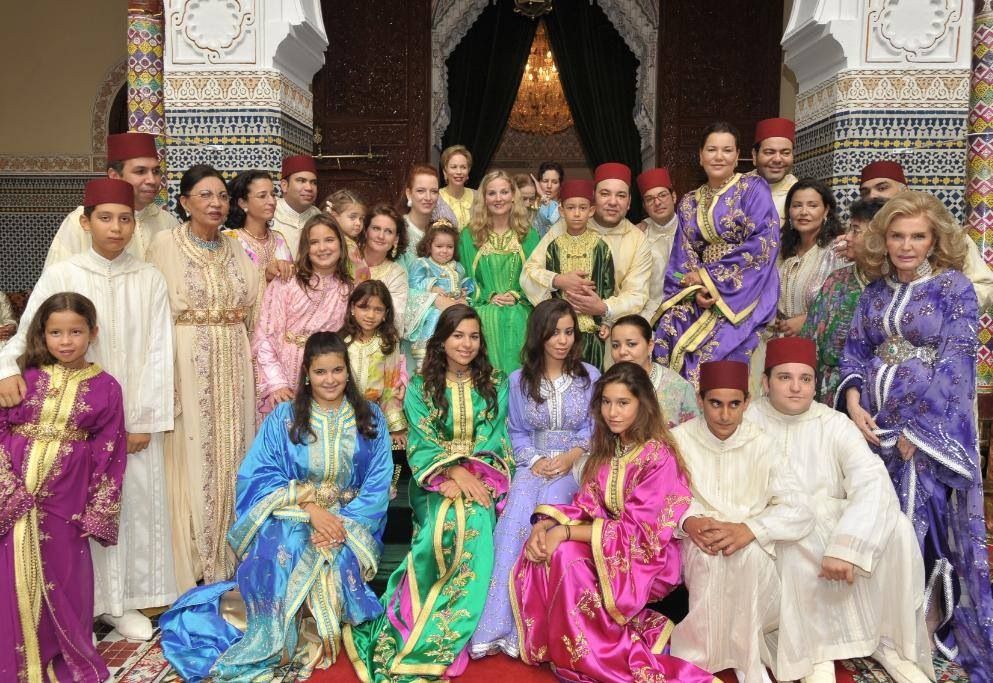
The Moroccan Royal Family’s Preservation of Heritage

Morocco, a country with a rich tapestry of history and culture, has been under the watchful eye of its royal family for centuries. The Moroccan monarchy, with its deep roots in the Alaouite dynasty, has not only been a political leader but also a guardian of the nation’s heritage. This article delves into the multifaceted role of the Moroccan royal family in preserving and promoting the cultural heritage of Morocco, ensuring that the legacy of its ancestors is passed down to future generations.

The Royal Patronage of Arts and Crafts:
The Moroccan royal family has long been a patron of the arts and crafts that define Moroccan culture. From the intricate zellige tilework to the exquisite leather goods of Fez, the royal family has supported artisans and craftsmen, ensuring the survival of traditional techniques and designs. Through initiatives and royal workshops, they have encouraged the development of these crafts, making them accessible to both locals and tourists, while also promoting them on the global stage.

Preservation of Historical Sites:
Morocco’s landscape is dotted with historical sites that tell the story of its past. The royal family has taken a leading role in the preservation of these sites, from the ancient medinas of Marrakech and Fez to the Portuguese-influenced coastal towns. Through the establishment of the National Heritage Foundation and other conservation efforts, the royal family has worked to restore and maintain these sites, ensuring they remain as vibrant and authentic as possible for future generations.

Promotion of Cultural Festivals:
Cultural festivals are a cornerstone of Moroccan identity, and the royal family has been instrumental in their promotion. From the Gnaoua World Music Festival in Essaouira to the Imperial Cities Festival in Fez, these events celebrate Morocco’s diverse cultural influences and traditions. The royal family’s support for these festivals not only highlights Morocco’s rich cultural tapestry but also fosters a sense of national pride and unity.

Education and Research:
The Moroccan royal family understands that the preservation of culture also involves education and research. They have supported the establishment of cultural institutes, libraries, and research centers dedicated to Moroccan history, language, and culture. These institutions play a crucial role in educating the public about Morocco’s heritage and in conducting research that contributes to a deeper understanding of the country’s past.

International Diplomacy:
On the international stage, the Moroccan royal family has used cultural diplomacy to strengthen ties with other nations. By showcasing Moroccan culture abroad, they have built bridges of understanding and cooperation. This has not only enhanced Morocco’s image globally but has also attracted international interest in Moroccan heritage, leading to increased cultural exchange and collaboration.

Conclusion:
The Moroccan royal family’s commitment to the preservation of the nation’s cultural heritage is a testament to their role as custodians of culture. Through their patronage of the arts, preservation of historical sites, promotion of cultural festivals, support for education and research, and use of cultural diplomacy, they have ensured that Morocco’s rich legacy is safeguarded for future generations. As the country continues to evolve, the royal family’s efforts remain a beacon of continuity and pride for the Moroccan people, a reminder of their storied past and a guide for their future.