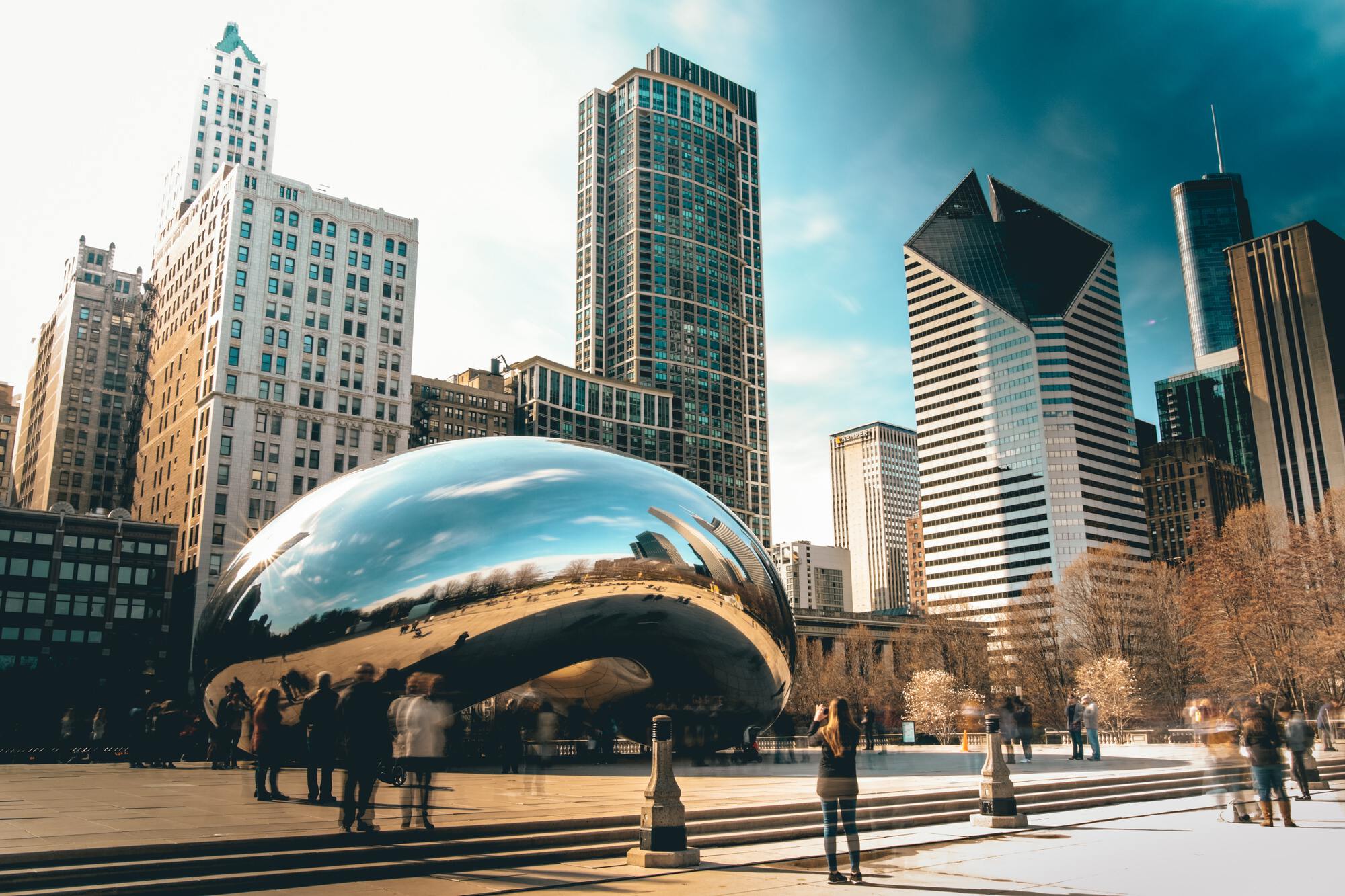
risingtideproject.org – Chicago, often referred to as the “City of Neighborhoods,” is a vibrant tapestry of cultural diversity. Each neighborhood offers a unique blend of history, culture, and community, making the city a true melting pot. From the lively streets of Pilsen to the historic charm of Hyde Park, Chicago’s neighborhoods provide a rich and varied experience for residents and visitors alike. Let’s explore some of these diverse neighborhoods and discover what makes them so special.
Pilsen: A Hub of Hispanic Culture and Art
Located on the Lower West Side, Pilsen is a vibrant neighborhood known for its rich Mexican heritage. The area is adorned with colorful murals and street art that celebrate its cultural roots. Pilsen is also home to the National Museum of Mexican Art, which showcases a vast collection of Mexican and Mexican-American art. The neighborhood’s lively atmosphere is complemented by a variety of authentic Mexican restaurants, bakeries, and shops.
Chinatown: A Taste of the Far East
Chicago’s Chinatown is a bustling enclave that offers a taste of Chinese culture and cuisine. From traditional dim sum restaurants to vibrant festivals, the neighborhood is a hub of activity. Visitors can explore the Chinatown Square, filled with shops and eateries, or visit the beautiful Nine Dragon Wall. Chinatown’s cultural significance is celebrated through events like the Chinese New Year Parade, drawing crowds from all over the city.
Little Italy: A Culinary and Cultural Delight
Little Italy, located near the University of Illinois at Chicago, is steeped in Italian-American history. The neighborhood is famous for its authentic Italian cuisine, with family-run restaurants serving up classic dishes like pasta and pizza. Little Italy is also home to the annual Festa Italiana, a celebration of Italian culture featuring food, music, and entertainment.
Hyde Park: A Blend of History and Academia
Hyde Park, situated on the South Side, is known for its historic architecture and academic influence, being home to the University of Chicago. The neighborhood boasts landmarks like the Museum of Science and Industry and the Frank Lloyd Wright-designed Robie House. Hyde Park’s diverse community contributes to its rich cultural tapestry, with a mix of students, academics, and long-time residents.
Andersonville: A Swedish-American Heritage
Andersonville, located on the North Side, is a charming neighborhood with strong Swedish-American roots. The neighborhood is known for its unique shops, cozy cafes, and the annual Midsommarfest, celebrating Swedish culture with music, dance, and traditional foods. Andersonville’s diverse community also embraces a wide range of cultures, reflected in its eclectic dining scene.
Bronzeville: The Heart of African-American Culture
Bronzeville, on Chicago’s South Side, is a historic neighborhood known for its significant role in African-American culture and history. Once a thriving center for jazz and blues, Bronzeville continues to celebrate its heritage through cultural institutions like the Bronzeville Children’s Museum and the Harold Washington Cultural Center. The neighborhood’s rich history is also reflected in its beautiful architecture and public art installations.
Conclusion
Chicago’s neighborhoods are a testament to the city’s cultural richness and diversity. Each area offers a unique glimpse into the lives and traditions of its residents, creating a vibrant mosaic that defines the city. Whether exploring the artistic streets of Pilsen or savoring the flavors of Little Italy, Chicago’s neighborhoods provide endless opportunities for cultural discovery and connection. As a melting pot of cultures, Chicago continues to thrive as a city that celebrates its diverse communities and their contributions to the city’s dynamic identity.