risingtideproject.org – Braiding is an ancient art form that has evolved over centuries, from practical hairstyles to intricate designs that express individuality and creativity. Whether you’re looking for a casual everyday look, a sophisticated updo for a formal event, or a playful style for a festival, braiding offers endless possibilities. In this article, we’ll explore the diverse world of braiding, providing inspiration and techniques for various occasions.
The Basics of Braiding
Before diving into creative styles, it’s essential to master the basic techniques. The three primary braids are the three-strand braid, the French braid, and the Dutch braid. Each of these can be used as a foundation for more complex styles.
Three-Strand Braid
The classic three-strand braid is the simplest and most versatile. It involves taking three sections of hair and crossing them over each other, alternating from left to right, until you reach the end. This braid can be done on any hair length and is perfect for beginners.
French Braid
The French braid is an elevated version of the three-strand braid, incorporating hair from the sides as you go. It starts at the crown and can be continued down to the nape of the neck or transitioned into a ponytail or bun. This style is ideal for keeping hair out of the face and works well for both casual and formal settings.
Dutch Braid
Similar to the French braid, the Dutch braid involves incorporating hair from the sides but is braided under instead of over. This creates a braid that pops out from the head, giving a fuller look. The Dutch braid is a striking choice for those looking to make a statement.
Creative Braiding Styles
Once you’ve mastered the basics, you can experiment with more intricate and creative braiding styles. Here are some ideas to inspire your next look.
Braided Updos
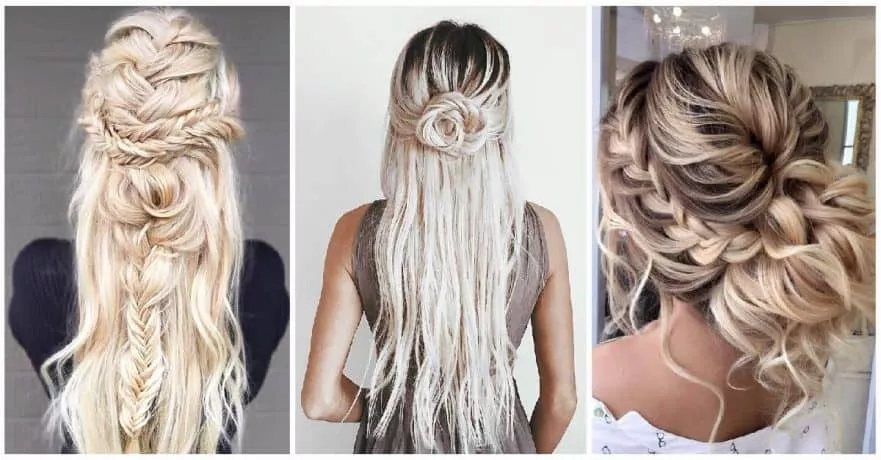
For formal occasions, a braided updo can add an elegant touch to your ensemble. Try incorporating a French or Dutch braid into a bun or twist. This style is perfect for weddings, proms, or any black-tie event.
Half-Up, Half-Down Styles
The half-up, half-down hairstyle is a versatile look that can be dressed up or down. Add a braid to the half-up section for a playful twist. This style is great for a casual day out or a semi-formal event.
Braided Ponytails
A braided ponytail is a chic and practical choice for any active day. Whether you prefer a simple three-strand braid or a more complex fishtail or rope braid, this style keeps hair off your face while adding a stylish element.
Braids for Short Hair
Even those with shorter hair can enjoy the art of braiding. Small braids or a single side braid can add texture and interest to a shorter hairstyle. This is perfect for a casual outing or a music festival.
Decorative Braids
For a special occasion, consider adding decorative elements to your braids. Ribbons, beads, or flowers can transform a simple braid into a show-stopping style. This is ideal for a themed party or a summer festival.
Tips for Perfect Braiding
To achieve the perfect braid, follow these tips:
- Prepare your hair with a light hairspray or texturizing product to add grip and hold.
- Use clear elastics or bobby pins to secure your braids, ensuring they blend with your hair color.
- Practice makes perfect. The more you braid, the more comfortable you’ll become with the techniques.
- Experiment with different parts and braid placements to find what suits your face shape and hair type best.
Conclusion
Braiding is a timeless art that allows for endless creativity. Whether you’re a beginner or an experienced braider, there’s always a new style to try. With these techniques and ideas, you can create beautiful and unique braided looks for every occasion. So, grab a hairbrush and some elastics, and let your creativity flow.