Painting the Picture of Global Beauty: Cultural Canvas

risingtideproject.org – In the vast mosaic of human civilization, beauty is a universal language that transcends borders, cultures, and epochs. It is a silent poet, speaking volumes through the strokes of an artist’s brush, the chiseled contours of a sculptor’s stone, and the harmonious notes of a musician’s instrument. The concept of beauty, however, is not monolithic; it is a kaleidoscope of expressions, each piece reflecting the unique cultural heritage and aesthetic sensibilities of a community. This article embarks on a journey across the globe, exploring how different cultures paint their picture of beauty, thereby enriching the collective human experience.

The Palette of Cultural Beauty

Every culture has its own palette of beauty, a spectrum of colors and forms that reflect its values, beliefs, and history. From the intricate henna patterns adorning hands in India to the serene landscapes of Chinese ink wash paintings, each artistic expression is a window into the soul of a civilization. These art forms are not mere decorations; they are narratives, philosophies, and prayers, painted, sculpted, and performed for generations to appreciate and learn from.

East Meets West: A Fusion of Aesthetics

The global canvas of beauty is a fascinating blend of Eastern and Western aesthetics. While Western art has often been characterized by its realism and focus on human anatomy, Eastern art leans towards abstraction and a deep connection with nature and the cosmos. The Renaissance masterpieces of Da Vinci and Michelangelo, with their lifelike portrayals of the human form, stand in contrast to the Zen gardens of Japan and the calligraphic elegance of Arabic scripts, which evoke a sense of tranquility and spirituality.

The Dance of Colors: Festivals of Beauty

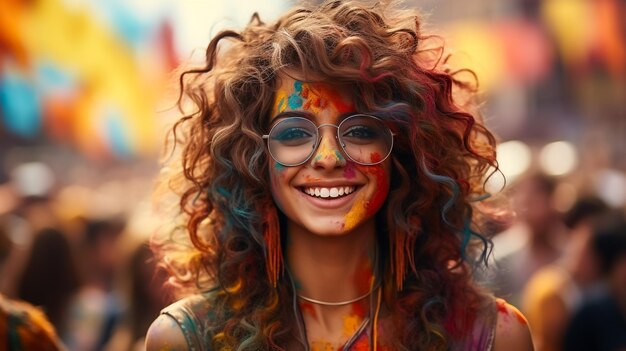
Festivals around the world are vibrant celebrations of beauty, where communities come together to paint their joy, grief, and hopes. The Holi festival in India, where people throw colored powders and water at each other, symbolizes the victory of good over evil, and the arrival of spring. Similarly, the Day of the Dead in Mexico, with its colorful altars and parades, is a celebration of life and remembrance of the deceased. These festivals are not just expressions of cultural beauty; they are communal affirmations of life’s beauty.

Preserving the Palette: Challenges and Opportunities

In an increasingly globalized world, the challenge of preserving cultural beauty becomes more pressing. The homogenization of cultures, driven by global media and consumerism, threatens to erase the unique hues from our global palette. However, this also presents an opportunity for cross-cultural exchange and appreciation. By learning about and celebrating each other’s art forms, we can create a richer, more diverse cultural tapestry.

Conclusion

The cultural canvas of global beauty is a testament to the creativity and diversity of human expression. It is a reminder that, despite our differences, we share a common language of beauty that can unite us. As we continue to paint this canvas, let us strive to preserve the unique colors of our cultures, while also embracing the beauty of others. In doing so, we not only enrich our own lives but also contribute to the collective beauty of humanity.
From Cat Videos to Global Influence: The Evolution of YouTube

In the early days of the internet, the idea of a platform where users could upload, share, and view videos was revolutionary. YouTube, founded in 2005, began as a space for amateur content creators to share their passions, including the infamous cat videos, with the world. Over the years, it has evolved into a powerful medium that shapes culture, influences politics, and serves as a global stage for education, entertainment, and activism. This article explores the remarkable journey of YouTube from its humble beginnings to its current status as a dominant force in the digital landscape.

The Birth of YouTube:
YouTube was officially launched on February 14, 2005, by Steve Chen, Chad Hurley, and Jawed Karim, who were early employees of PayPal. The site’s first video, “Me at the zoo,” uploaded by Karim, showcased him standing in front of the elephants at the San Diego Zoo. This simple video set the tone for what was to become a platform where anyone could share anything. Initially, the content was dominated by personal videos, viral clips, and, of course, an abundance of cat videos that captured the hearts of millions.

The Rise of Content Creators:
As YouTube grew in popularity, so did the number of content creators. Individuals with unique talents, perspectives, and passions found an audience on YouTube. The platform democratized media, allowing creators to bypass traditional gatekeepers and connect directly with viewers. From beauty vloggers to DIY enthusiasts, educational channels to comedy sketches, YouTube became a breeding ground for new stars and influencers.

The Evolution of Content:
YouTube’s content evolved alongside its creators. What started as a platform for amateur videos soon became a space for professional-quality productions. Music videos, movie trailers, and even full-length films began to appear. YouTube Originals launched, featuring exclusive content created specifically for the platform. The diversity of content expanded to include live streaming, 360-degree videos, and virtual reality experiences, pushing the boundaries of digital media.

Global Influence:
YouTube’s impact extended beyond entertainment. It became a tool for social change, with videos sparking movements and bringing awareness to important issues. The platform played a significant role in political uprisings, such as the Arab Spring, and has been used by activists to challenge injustice and advocate for change. YouTube has also become an essential educational resource, with channels dedicated to teaching everything from mathematics to cooking.

The Business of YouTube:
Google recognized YouTube’s potential early on and acquired the platform in 2006 for $1.65 billion. Since then, YouTube has become a significant revenue generator through advertising, subscription services like YouTube Premium, and the YouTube Partner Program, which allows creators to earn money from their content. The platform has also facilitated the growth of influencer marketing, with brands partnering with popular creators to reach their audiences.

Conclusion:
YouTube’s evolution from a platform known for cat videos to a global influencer is a testament to its adaptability and the creativity of its users. It has transformed the way we consume media, learn, and connect with others. As technology continues to advance, YouTube is poised to further evolve, potentially integrating augmented reality, artificial intelligence, and more to enhance user experiences. The journey of YouTube is far from over, and its future is as exciting as its past has been remarkable.