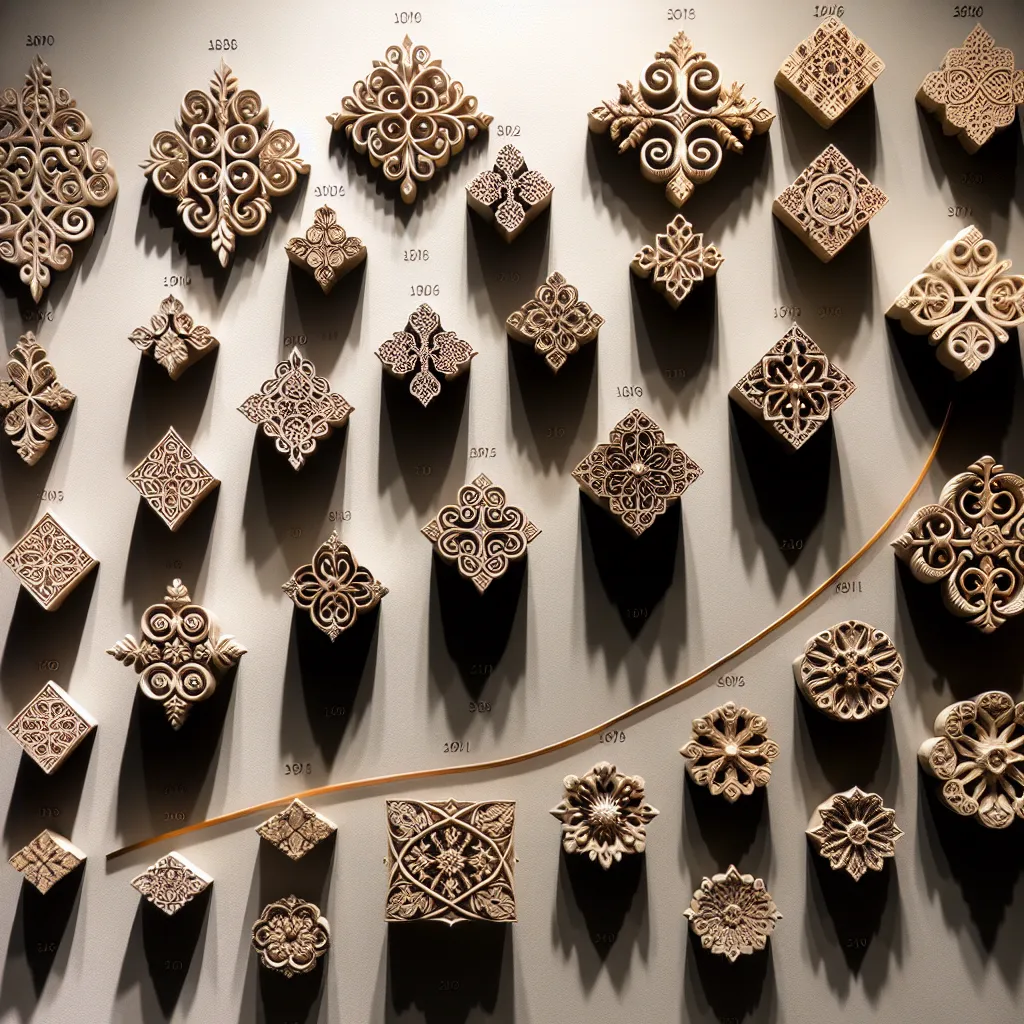
Historical Perspective: The Evolution of Design

risingtideproject.org – The evolution of design is a complex and multifaceted journey that spans thousands of years, reflecting the changing societal, technological, and cultural landscapes throughout human history. Design, in its broadest sense, encompasses the creation of visual and functional elements across various mediums, including architecture, product design, graphic design, fashion, and more. Here’s a brief historical perspective on the evolution of design:

Ancient Civilizations

  • Egyptian Design: Ancient Egyptians were known for their monumental architecture, such as the pyramids and the Sphinx, which showcased their advanced knowledge of geometry and construction techniques. Their design also extended to intricate jewelry, hieroglyphics, and art that adorned tombs and temples.
  • Greek and Roman Design: The Greeks introduced the classical orders of architecture (Doric, Ionic, and Corinthian), which were later refined by the Romans. Roman design was also notable for its engineering feats, including aqueducts, roads, and the use of the arch and vault in construction.

Middle Ages

  • Gothic Architecture: Emerging in the 12th century, Gothic architecture was characterized by its use of pointed arches, ribbed vaults, and flying buttresses, allowing for taller buildings with larger windows. Cathedrals like Notre-Dame in Paris are prime examples.

Renaissance

  • Renaissance Design: The Renaissance period saw a revival of classical Greek and Roman aesthetics, emphasizing symmetry, proportion, and geometry. Artists and architects like Leonardo da Vinci, Michelangelo, and Filippo Brunelleschi made significant contributions to design principles and techniques.

Industrial Revolution

  • Art and Crafts Movement: Reacting against the mass-produced goods of the Industrial Revolution, the Arts and Crafts Movement (late 19th to early 20th century) advocated for handcrafted items and a return to traditional craftsmanship. William Morris was a key figure in this movement.
  • Art Nouveau: Around the turn of the 20th century, Art Nouveau emerged with its distinctive organic forms and decorative motifs, influencing architecture, interior design, and the decorative arts.

20th Century

  • Modernism: The Modernist movement, with its emphasis on simplicity, functionality, and the use of new materials like steel and glass, had a profound impact on architecture and design in the early to mid-20th century. Figures like Le Corbusier, Mies van der Rohe, and Frank Lloyd Wright were pivotal.
  • Postmodernism: Emerging in the late 20th century, Postmodernism rejected the austerity of Modernism, embracing decoration, historical references, and a mix of styles. Architects like Robert Venturi and Frank Gehry contributed significantly to this era.

Digital Age

  • Digital and Sustainable Design: In the 21st century, design has been heavily influenced by digital technology, leading to innovations in 3D printing, virtual reality, and interactive design. Additionally, there’s a growing emphasis on sustainability and eco-friendly design practices, reflecting a broader societal concern for the environment.

The evolution of design is an ongoing process, continually shaped by new technologies, cultural shifts, and the challenges of the times. Each era adds its unique contributions to the rich tapestry of design history, influencing and being influenced by the past and future alike.

From Cat Videos to Global Influence: The Evolution of YouTube

In the early days of the internet, the idea of a platform where users could upload, share, and view videos was revolutionary. YouTube, founded in 2005, began as a space for amateur content creators to share their passions, including the infamous cat videos, with the world. Over the years, it has evolved into a powerful medium that shapes culture, influences politics, and serves as a global stage for education, entertainment, and activism. This article explores the remarkable journey of YouTube from its humble beginnings to its current status as a dominant force in the digital landscape.

The Birth of YouTube:
YouTube was officially launched on February 14, 2005, by Steve Chen, Chad Hurley, and Jawed Karim, who were early employees of PayPal. The site’s first video, “Me at the zoo,” uploaded by Karim, showcased him standing in front of the elephants at the San Diego Zoo. This simple video set the tone for what was to become a platform where anyone could share anything. Initially, the content was dominated by personal videos, viral clips, and, of course, an abundance of cat videos that captured the hearts of millions.

The Rise of Content Creators:
As YouTube grew in popularity, so did the number of content creators. Individuals with unique talents, perspectives, and passions found an audience on YouTube. The platform democratized media, allowing creators to bypass traditional gatekeepers and connect directly with viewers. From beauty vloggers to DIY enthusiasts, educational channels to comedy sketches, YouTube became a breeding ground for new stars and influencers.

The Evolution of Content:
YouTube’s content evolved alongside its creators. What started as a platform for amateur videos soon became a space for professional-quality productions. Music videos, movie trailers, and even full-length films began to appear. YouTube Originals launched, featuring exclusive content created specifically for the platform. The diversity of content expanded to include live streaming, 360-degree videos, and virtual reality experiences, pushing the boundaries of digital media.

Global Influence:
YouTube’s impact extended beyond entertainment. It became a tool for social change, with videos sparking movements and bringing awareness to important issues. The platform played a significant role in political uprisings, such as the Arab Spring, and has been used by activists to challenge injustice and advocate for change. YouTube has also become an essential educational resource, with channels dedicated to teaching everything from mathematics to cooking.

The Business of YouTube:
Google recognized YouTube’s potential early on and acquired the platform in 2006 for $1.65 billion. Since then, YouTube has become a significant revenue generator through advertising, subscription services like YouTube Premium, and the YouTube Partner Program, which allows creators to earn money from their content. The platform has also facilitated the growth of influencer marketing, with brands partnering with popular creators to reach their audiences.

Conclusion:
YouTube’s evolution from a platform known for cat videos to a global influencer is a testament to its adaptability and the creativity of its users. It has transformed the way we consume media, learn, and connect with others. As technology continues to advance, YouTube is poised to further evolve, potentially integrating augmented reality, artificial intelligence, and more to enhance user experiences. The journey of YouTube is far from over, and its future is as exciting as its past has been remarkable.