
The Island of Magic: Exploring Florianópolis

risingtideproject.org – Florianópolis, affectionately known as “Floripa,” is the capital city of the state of Santa Catarina in southern Brazil. Renowned for its breathtaking beaches, vibrant culture, and high quality of life, Florianópolis is a city that seamlessly blends urban sophistication with natural beauty. With its unique location on Santa Catarina Island, it offers a diverse range of experiences for residents and visitors alike.

Historical Background

Florianópolis has a rich history that dates back to its founding in 1726. Originally named Nossa Senhora do Desterro, the city was later renamed in honor of Floriano Peixoto, a former Brazilian president. Over the centuries, Florianópolis has evolved from a small fishing village into a bustling metropolis. Its cultural heritage is influenced by Azorean immigrants, whose traditions and architecture still shape the city’s character today.

Economic Landscape

The economy of Florianópolis is diverse, with a strong emphasis on technology, tourism, and services. Known as one of Brazil’s leading tech hubs, the city is home to numerous startups and technology companies, earning it the nickname “Silicon Island.” Tourism also plays a significant role, with visitors flocking to its stunning beaches, vibrant nightlife, and cultural attractions. The city’s economic vitality is supported by its modern infrastructure and skilled workforce.

Cultural Attractions

Florianópolis is a cultural treasure trove, offering a variety of attractions that celebrate its rich heritage. The city’s historic center, with its colonial architecture and charming squares, invites exploration. The Mercado Público, a bustling public market, is a must-visit for those seeking local flavors and crafts. Festivals and events, such as the Fenaostra oyster festival, showcase the city’s culinary traditions and lively spirit.

Natural Beauty

The natural beauty of Florianópolis is one of its most defining features. The city boasts over 40 pristine beaches, each with its own unique charm, from the bustling Praia Mole to the tranquil Lagoinha do Leste. The island’s lush landscapes, including the Serra do Tabuleiro State Park, offer opportunities for hiking, surfing, and wildlife watching. This abundance of natural attractions makes Florianópolis a paradise for outdoor enthusiasts.

Education and Infrastructure

Florianópolis is home to several esteemed educational institutions, including the Federal University of Santa Catarina (UFSC), which attracts students from across Brazil and beyond. The city’s infrastructure is well-developed, with efficient transportation networks, healthcare facilities, and public services contributing to a high standard of living. Efforts to enhance sustainability and urban planning are ongoing, ensuring the city’s growth is balanced with environmental preservation.

Conclusion

Florianópolis, with its enchanting blend of natural beauty, cultural richness, and economic dynamism, truly lives up to its nickname as the “Island of Magic.” Whether exploring its stunning beaches, engaging with its vibrant culture, or participating in its thriving tech scene, the city offers a unique and unforgettable experience. As a symbol of modern Brazil, Florianópolis continues to inspire and captivate all who visit or call it home.
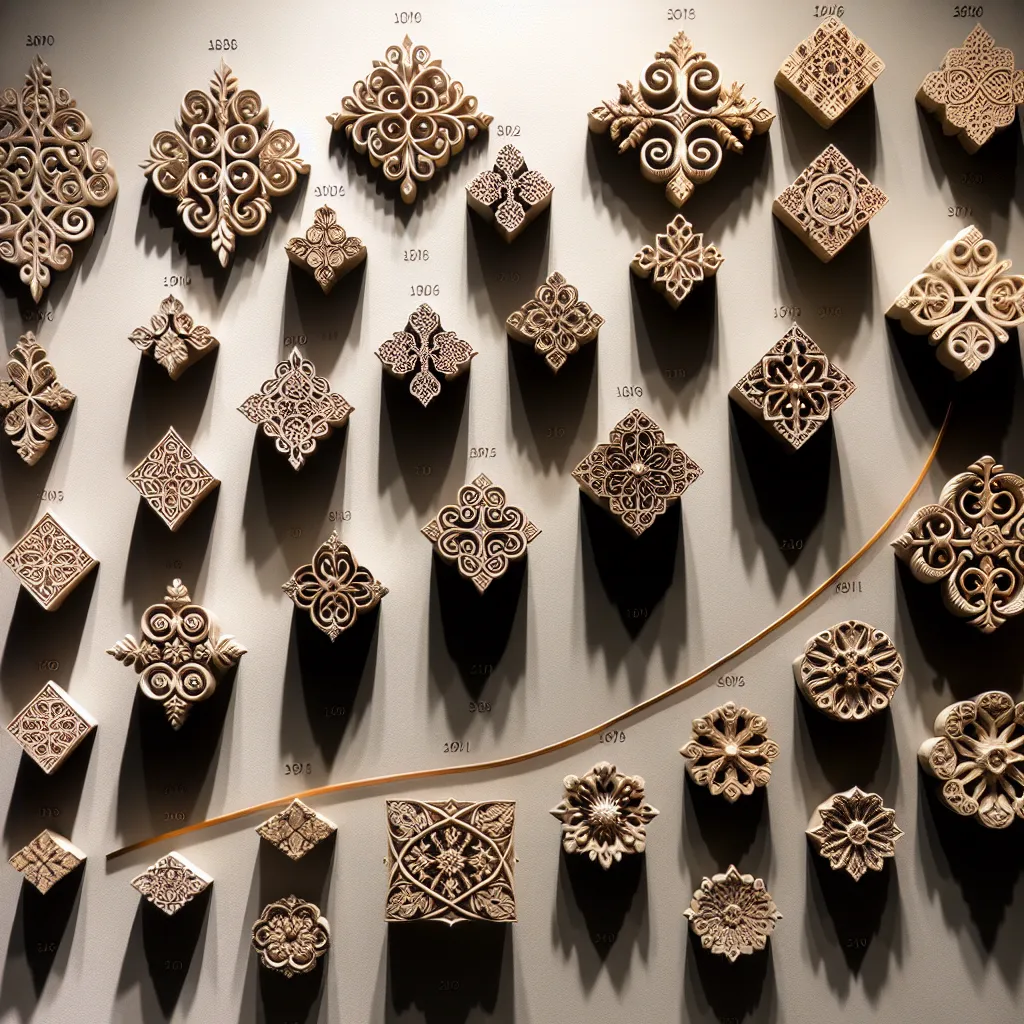
Historical Perspective: The Evolution of Design

risingtideproject.org – The evolution of design is a complex and multifaceted journey that spans thousands of years, reflecting the changing societal, technological, and cultural landscapes throughout human history. Design, in its broadest sense, encompasses the creation of visual and functional elements across various mediums, including architecture, product design, graphic design, fashion, and more. Here’s a brief historical perspective on the evolution of design:

Ancient Civilizations

  • Egyptian Design: Ancient Egyptians were known for their monumental architecture, such as the pyramids and the Sphinx, which showcased their advanced knowledge of geometry and construction techniques. Their design also extended to intricate jewelry, hieroglyphics, and art that adorned tombs and temples.
  • Greek and Roman Design: The Greeks introduced the classical orders of architecture (Doric, Ionic, and Corinthian), which were later refined by the Romans. Roman design was also notable for its engineering feats, including aqueducts, roads, and the use of the arch and vault in construction.

Middle Ages

  • Gothic Architecture: Emerging in the 12th century, Gothic architecture was characterized by its use of pointed arches, ribbed vaults, and flying buttresses, allowing for taller buildings with larger windows. Cathedrals like Notre-Dame in Paris are prime examples.

Renaissance

  • Renaissance Design: The Renaissance period saw a revival of classical Greek and Roman aesthetics, emphasizing symmetry, proportion, and geometry. Artists and architects like Leonardo da Vinci, Michelangelo, and Filippo Brunelleschi made significant contributions to design principles and techniques.

Industrial Revolution

  • Art and Crafts Movement: Reacting against the mass-produced goods of the Industrial Revolution, the Arts and Crafts Movement (late 19th to early 20th century) advocated for handcrafted items and a return to traditional craftsmanship. William Morris was a key figure in this movement.
  • Art Nouveau: Around the turn of the 20th century, Art Nouveau emerged with its distinctive organic forms and decorative motifs, influencing architecture, interior design, and the decorative arts.

20th Century

  • Modernism: The Modernist movement, with its emphasis on simplicity, functionality, and the use of new materials like steel and glass, had a profound impact on architecture and design in the early to mid-20th century. Figures like Le Corbusier, Mies van der Rohe, and Frank Lloyd Wright were pivotal.
  • Postmodernism: Emerging in the late 20th century, Postmodernism rejected the austerity of Modernism, embracing decoration, historical references, and a mix of styles. Architects like Robert Venturi and Frank Gehry contributed significantly to this era.

Digital Age

  • Digital and Sustainable Design: In the 21st century, design has been heavily influenced by digital technology, leading to innovations in 3D printing, virtual reality, and interactive design. Additionally, there’s a growing emphasis on sustainability and eco-friendly design practices, reflecting a broader societal concern for the environment.

The evolution of design is an ongoing process, continually shaped by new technologies, cultural shifts, and the challenges of the times. Each era adds its unique contributions to the rich tapestry of design history, influencing and being influenced by the past and future alike.