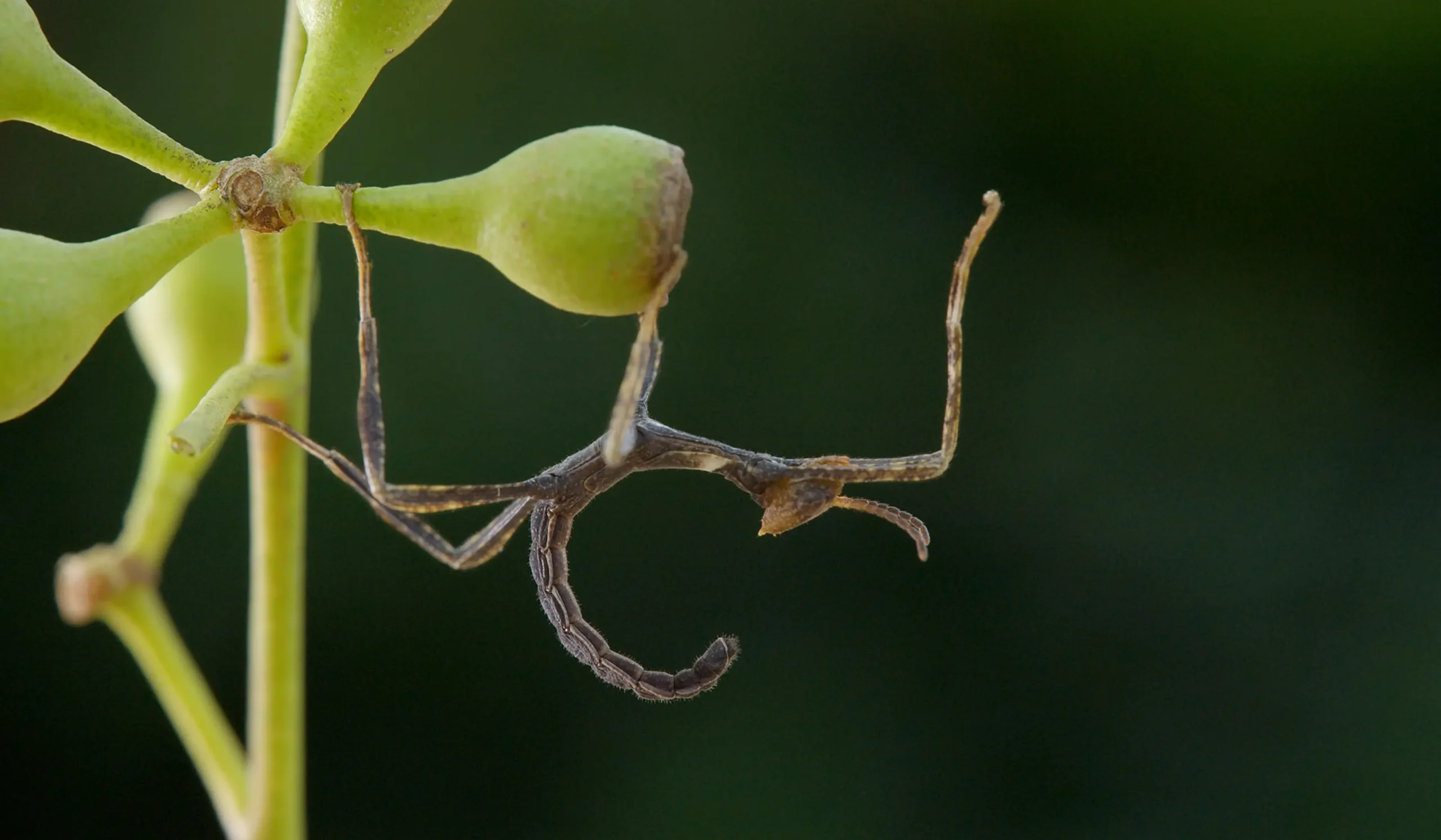
The Masters of Disguise: Exploring the World of Stick Insects

risingtideproject.org – Stick insects, also known as walking sticks or phasmids (from the Greek “phasma” meaning phantom or apparition), are masters of camouflage. Their remarkable resemblance to twigs, branches, and leaves makes them some of the most fascinating and well-disguised insects in the world. This article delves into the captivating world of stick insects, exploring their unique biology, life cycle, camouflage strategies, ecological roles, and interactions with humans.   

Physical Characteristics: Mimicry and Morphology

Stick insects are characterized by several key features:

  • Elongated Body: Their body is typically long and slender, resembling twigs or branches.   
  • Leg Mimicry: Their legs often closely resemble twigs, further enhancing their camouflage.
  • Leaf Mimicry (in some species): Some species have flattened, leaf-like bodies or appendages, mimicking foliage.   
  • Antennae: They have relatively long antennae, which they use for sensing their environment.   
  • Reduced or Absent Wings (in many species): While some species have wings, many are wingless, further contributing to their twig-like appearance.   

Life Cycle: Incomplete Metamorphosis and Parthenogenesis

Stick insects undergo incomplete metamorphosis (hemimetabolism), with three distinct life stages:   

  • Egg: Stick insect eggs are often remarkably camouflaged, resembling seeds or other plant parts. They are laid individually or in small groups, often dropped to the ground or glued to vegetation.   
  • Nymph: The nymphs hatch from the eggs and resemble miniature versions of the adults. They molt several times as they grow, shedding their exoskeletons.   
  • Adult: After several molts, the nymph reaches the adult stage, with fully developed characteristics.   

Many stick insect species are capable of parthenogenesis, a form of asexual reproduction where females can produce viable offspring without fertilization.   

Diversity and Classification: A Wide Range of Forms

There are over 3,000 species of stick insects worldwide, classified into the order Phasmatodea. They exhibit a wide range of sizes, shapes, and camouflage strategies.   

Habitat and Distribution: Primarily Tropical and Subtropical

Stick insects are found in a variety of habitats, primarily in tropical and subtropical regions:   

  • Forests and rainforests
  • Woodlands and grasslands

They are distributed globally, with the greatest diversity found in Southeast Asia, South America, and Australia.

Camouflage and Defense: Masters of Deception

Stick insects employ various camouflage and defense strategies:   

  • Crypsis (Camouflage): Their primary defense is their remarkable camouflage, allowing them to blend seamlessly with their surroundings. 
  • Catalepsy: When disturbed, some species will freeze and remain motionless, further enhancing their disguise.   
  • Autotomy (Limb Shedding): Some species can shed their legs to escape predators. The lost limbs can regenerate during subsequent molts.   
  • Chemical Defenses: Some species can release defensive chemicals that are irritating or repellent to predators.   

Feeding and Diet: Herbivorous Insects

Stick insects are primarily herbivorous, feeding on:

  • Leaves
  • Shoots
  • Flowers

They are often highly specialized feeders, with some species preferring specific types of plants.   

Ecological Roles: Herbivores and Food Source

Stick insects play several roles in ecosystems:

  • Herbivores: As herbivores, they can influence plant communities.   
  • Food Source: They serve as a food source for various animals, including birds, reptiles, amphibians, and mammals.

Stick Insects and Humans: Pet Trade and Scientific Study

Stick insects have various interactions with humans:

  • Pet Trade: Many stick insect species are popular pets due to their unique appearance and relatively easy care.   
  • Scientific Study: They are studied by scientists for their camouflage, regeneration abilities, and evolutionary biology.   

Threats and Conservation: Habitat Loss

The primary threat to stick insect populations is:

  • Habitat Loss: The destruction of natural habitats due to deforestation and land conversion is a major concern.   

Conclusion: Appreciating the Stick Insect’s Art of Disguise

Stick insects are truly remarkable insects, demonstrating the power of adaptation and camouflage. Their unique appearance and fascinating behaviors make them a captivating part of the natural world. By understanding their biology, ecology, and the threats they face, we can better appreciate these masters of disguise and contribute to their conservation. Their existence showcases the incredible diversity and ingenuity of life on Earth.
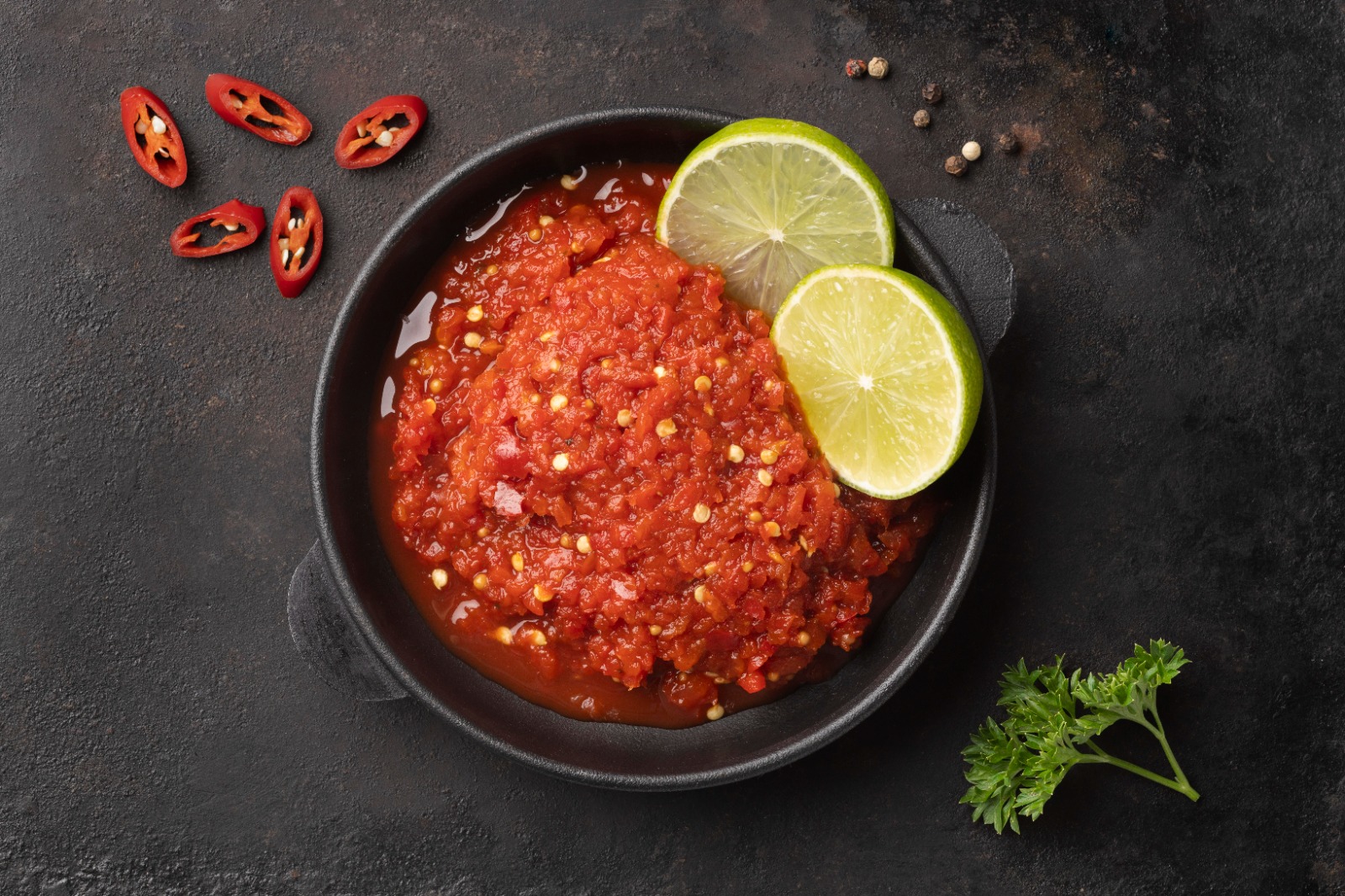

Exploring Sambal: The Fiery Heart of Indonesian Cuisine

risingtideproject.org – Sambal is an essential condiment in Indonesian cuisine, known for its fiery and flavorful kick. This versatile chili paste is a staple in many Southeast Asian households and is used to enhance the taste of a wide variety of dishes. With its bold flavors and varying levels of heat, sambal is beloved by spice enthusiasts and has become a symbol of Indonesia’s rich culinary tradition.

The Cultural Significance of Sambal

In Indonesia, sambal is more than just a condiment; it is a cultural icon that represents the love for bold and spicy flavors. It accompanies almost every meal and is an integral part of the dining experience. The art of making sambal is often passed down through generations, with each family adding their unique twist to the recipe.

Sambal is also a symbol of hospitality, often made fresh to accompany home-cooked meals and shared with guests. It embodies the spirit of Indonesian cuisine, where flavors are celebrated and meals are a communal affair.

Ingredients and Preparation

The basic ingredients of sambal include fresh or dried chilies, salt, and vinegar or lime for acidity. However, the variations are endless, with additional ingredients such as garlic, shallots, shrimp paste, tomatoes, and sugar used to create different flavors and textures.

The preparation of sambal can be as simple or as elaborate as desired. Fresh chilies are typically ground using a mortar and pestle to release their natural oils and enhance the flavor. The resulting paste is then fried or mixed with other ingredients to create a harmonious blend of heat and taste.

Variations of Sambal

There are countless variations of sambal across Indonesia, each with its unique flavor profile. Some popular types include:

  • Sambal Oelek: A simple, raw chili paste made with ground red chilies and salt, often used as a base for other sambals.
  • Sambal Terasi: Made with shrimp paste, this sambal has a rich, umami flavor that pairs well with seafood and grilled dishes.
  • Sambal Matah: A Balinese variant made with raw shallots, lemongrass, and lime, offering a fresh and zesty taste.
  • Sambal Bajak: A cooked sambal with tomatoes and shallots, providing a milder, sweeter flavor.

The Global Appeal of Sambal

Sambal’s bold flavors have captured the attention of spice lovers worldwide. As Indonesian cuisine gains popularity, sambal has become a sought-after condiment in international markets. Its versatility allows it to be used not only in traditional dishes but also as an exciting addition to global cuisines, enhancing everything from stir-fries to sandwiches.

Conclusion

Sambal is a vibrant and integral part of Indonesian culinary culture, offering a fiery burst of flavor that elevates any dish. Its rich history and diverse variations make it a fascinating condiment to explore for both home cooks and professional chefs alike. Whether you prefer it mild or extra spicy, sambal invites you to experience the bold and exciting world of Indonesian cuisine.

The Island of Magic: Exploring Florianópolis

risingtideproject.org – Florianópolis, affectionately known as “Floripa,” is the capital city of the state of Santa Catarina in southern Brazil. Renowned for its breathtaking beaches, vibrant culture, and high quality of life, Florianópolis is a city that seamlessly blends urban sophistication with natural beauty. With its unique location on Santa Catarina Island, it offers a diverse range of experiences for residents and visitors alike.

Historical Background

Florianópolis has a rich history that dates back to its founding in 1726. Originally named Nossa Senhora do Desterro, the city was later renamed in honor of Floriano Peixoto, a former Brazilian president. Over the centuries, Florianópolis has evolved from a small fishing village into a bustling metropolis. Its cultural heritage is influenced by Azorean immigrants, whose traditions and architecture still shape the city’s character today.

Economic Landscape

The economy of Florianópolis is diverse, with a strong emphasis on technology, tourism, and services. Known as one of Brazil’s leading tech hubs, the city is home to numerous startups and technology companies, earning it the nickname “Silicon Island.” Tourism also plays a significant role, with visitors flocking to its stunning beaches, vibrant nightlife, and cultural attractions. The city’s economic vitality is supported by its modern infrastructure and skilled workforce.

Cultural Attractions

Florianópolis is a cultural treasure trove, offering a variety of attractions that celebrate its rich heritage. The city’s historic center, with its colonial architecture and charming squares, invites exploration. The Mercado Público, a bustling public market, is a must-visit for those seeking local flavors and crafts. Festivals and events, such as the Fenaostra oyster festival, showcase the city’s culinary traditions and lively spirit.

Natural Beauty

The natural beauty of Florianópolis is one of its most defining features. The city boasts over 40 pristine beaches, each with its own unique charm, from the bustling Praia Mole to the tranquil Lagoinha do Leste. The island’s lush landscapes, including the Serra do Tabuleiro State Park, offer opportunities for hiking, surfing, and wildlife watching. This abundance of natural attractions makes Florianópolis a paradise for outdoor enthusiasts.

Education and Infrastructure

Florianópolis is home to several esteemed educational institutions, including the Federal University of Santa Catarina (UFSC), which attracts students from across Brazil and beyond. The city’s infrastructure is well-developed, with efficient transportation networks, healthcare facilities, and public services contributing to a high standard of living. Efforts to enhance sustainability and urban planning are ongoing, ensuring the city’s growth is balanced with environmental preservation.

Conclusion

Florianópolis, with its enchanting blend of natural beauty, cultural richness, and economic dynamism, truly lives up to its nickname as the “Island of Magic.” Whether exploring its stunning beaches, engaging with its vibrant culture, or participating in its thriving tech scene, the city offers a unique and unforgettable experience. As a symbol of modern Brazil, Florianópolis continues to inspire and captivate all who visit or call it home.

Exploring the Mystique of Victoria’s Secret

risingtideproject.org – Victoria’s Secret is a brand that has captivated the imagination of millions worldwide, synonymous with allure, elegance, and a touch of mystique. Known for its iconic lingerie, glamorous fashion shows, and legendary Angels, the brand has established itself as a symbol of beauty and sophistication. This article delves into the elements that contribute to the mystique of Victoria’s Secret and how it continues to enchant audiences globally.

The Origins of the Brand

The story of Victoria’s Secret begins in 1977 when Roy Raymond opened the first store in San Francisco. The concept was revolutionary at the time—an inviting and sophisticated space where men could comfortably shop for lingerie. This innovative approach laid the foundation for the brand’s unique identity, blending luxury with approachability.

The Iconic Fashion Shows

One of the key components of the brand’s mystique is the annual Victoria’s Secret Fashion Show. Debuting in 1995, the show quickly became a cultural phenomenon. It is not just a display of lingerie but a theatrical spectacle featuring elaborate costumes, dazzling wings, and performances by top musical artists. The event showcases the brand’s creativity and sets fashion trends, captivating audiences with its fantasy-like presentation.

The Angels: Faces of the Brand

Victoria’s Secret Angels are more than just models; they are the embodiment of the brand’s allure. Over the years, supermodels like Heidi Klum, Tyra Banks, and Adriana Lima have become synonymous with the brand, enhancing its mystique with their charisma and style. The Angels represent an ideal of beauty and confidence, bringing the brand’s vision to life on the runway and in advertising campaigns.

The Art of Branding

Victoria’s Secret’s mystique is also a result of its masterful branding and marketing strategies. The brand has cultivated an image of exclusivity and aspiration through its advertising, packaging, and store design. From its iconic pink-striped bags to its seductive commercials, every element is designed to evoke a sense of luxury and allure.

Embracing Change and Diversity

In recent years, Victoria’s Secret has faced challenges regarding inclusivity and evolving beauty standards. The brand has responded by embracing diversity, featuring a broader range of models and redefining its image to align with contemporary values. This shift reflects an understanding of the changing landscape of fashion and the importance of inclusivity in maintaining the brand’s mystique.

Conclusion

Victoria’s Secret continues to enchant and inspire with its unique blend of elegance, fantasy, and sophistication. By continually evolving while staying true to its core identity, the brand maintains its mystique and relevance in the ever-changing world of fashion. As Victoria’s Secret moves forward, it will undoubtedly continue to explore new dimensions of beauty and allure, captivating audiences with its enduring charm.