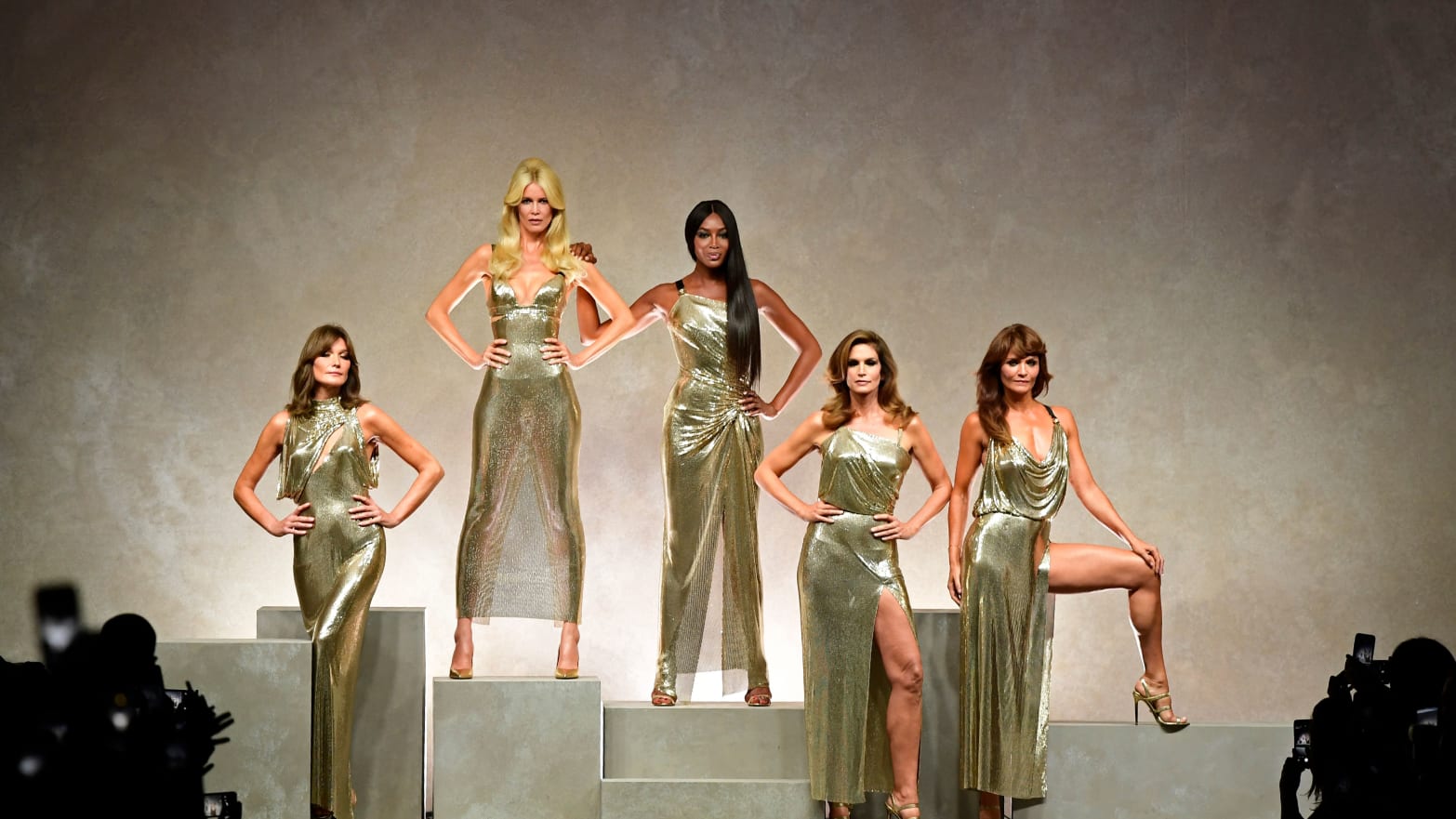
Lovely to Look At: A Technicolor Spectacle

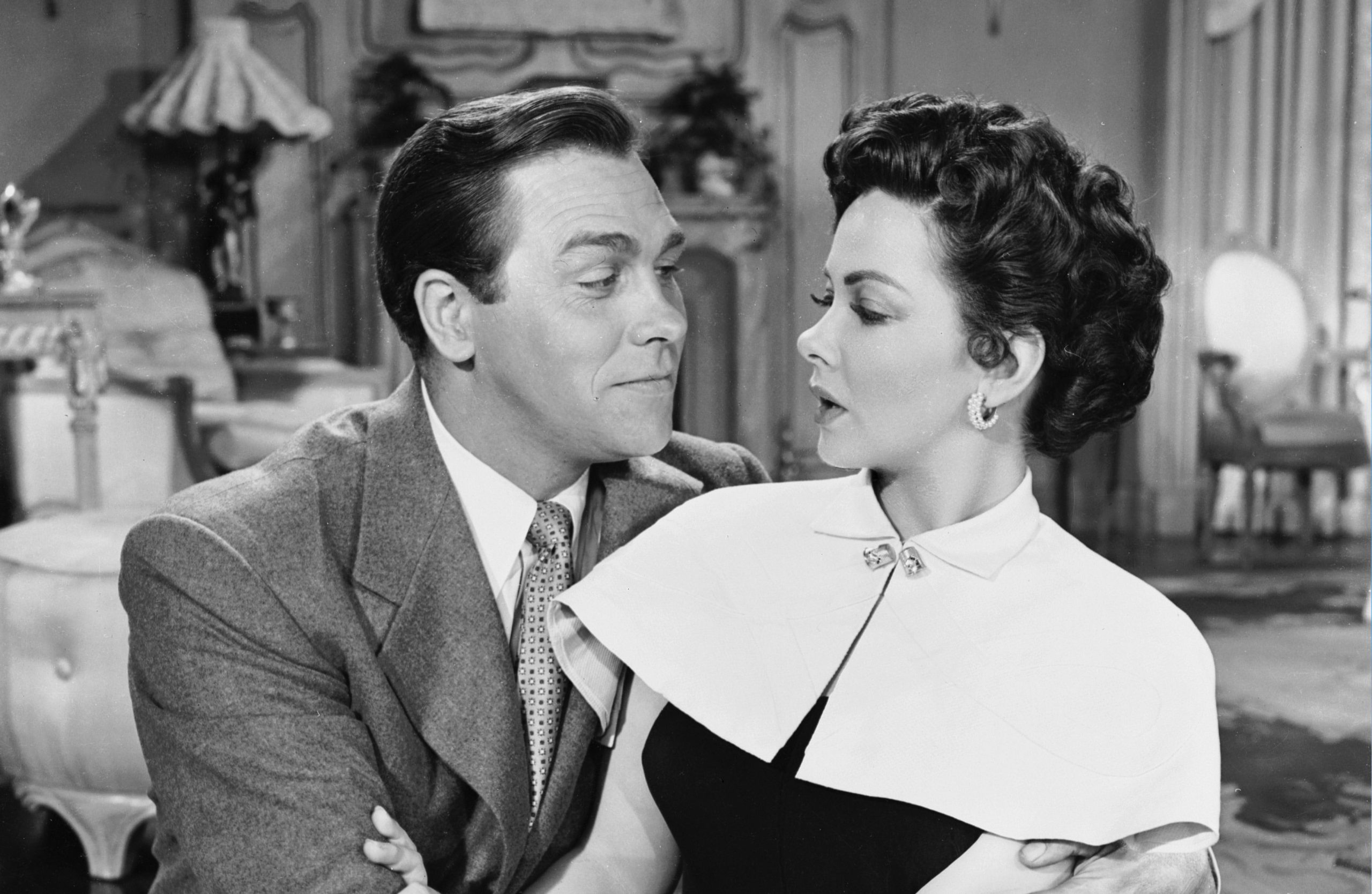
risingtideproject.org – Mervyn LeRoy’s 1952 musical comedy, Lovely to Look At, is a vibrant and visually stunning film that transports audiences to the glamorous world of high fashion. Based on the 1933 Broadway musical Roberta, the film is a delightful blend of romance, comedy, and dazzling dance numbers.  

A Star-Studded Cast

The film boasts a stellar cast, including Kathryn Grayson, Howard Keel, and Red Skelton. Grayson shines as the elegant and sophisticated Stephanie, while Keel plays the charming and talented designer, Tony. Skelton provides comic relief as the bumbling but lovable Jerry. The film also features stunning dance numbers performed by Marge and Gower Champion and Ann Miller.   

A Visual Feast

Lovely to Look At is a visual feast, with lavish costumes designed by Helen Rose and stunning cinematography by George J. Folsey. The film’s vibrant colors and elaborate sets create a captivating world of glamour and sophistication. The iconic fashion show sequences are particularly impressive, showcasing the artistry and creativity of the film’s designers.

A Timeless Classic

Despite its age, Lovely to Look At remains a timeless classic. The film’s catchy songs, witty dialogue, and dazzling dance numbers continue to entertain audiences. It is a reminder of the golden age of Hollywood musicals, when films were produced with care and attention to detail.

Key Themes Explored in the Film:

  • The Power of Dreams: The film celebrates the power of dreams and the importance of pursuing one’s passions.
  • The Magic of Fashion: The film highlights the artistry and creativity of fashion design, and the transformative power of clothing.
  • The Importance of Friendship and Love: The film explores the importance of friendship, love, and family.
  • The Joy of Music and Dance: The film celebrates the power of music and dance to uplift the human spirit.

Conclusion

Lovely to Look At is a delightful and entertaining film that offers a glimpse into the glamorous world of high fashion. Its stunning visuals, catchy songs, and talented cast make it a must-watch for fans of classic Hollywood musicals.
Exploring the Mystique of Victoria’s Secret

risingtideproject.org – Victoria’s Secret is a brand that has captivated the imagination of millions worldwide, synonymous with allure, elegance, and a touch of mystique. Known for its iconic lingerie, glamorous fashion shows, and legendary Angels, the brand has established itself as a symbol of beauty and sophistication. This article delves into the elements that contribute to the mystique of Victoria’s Secret and how it continues to enchant audiences globally.

The Origins of the Brand

The story of Victoria’s Secret begins in 1977 when Roy Raymond opened the first store in San Francisco. The concept was revolutionary at the time—an inviting and sophisticated space where men could comfortably shop for lingerie. This innovative approach laid the foundation for the brand’s unique identity, blending luxury with approachability.

The Iconic Fashion Shows

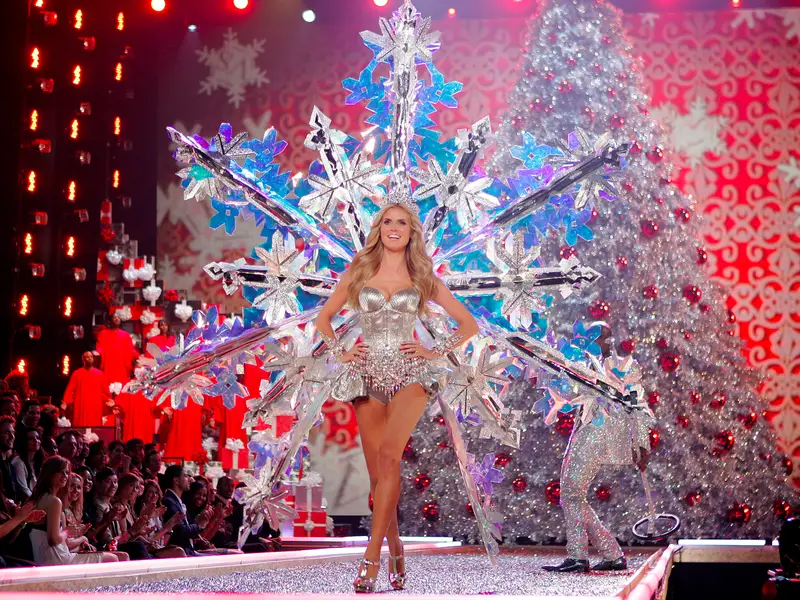
One of the key components of the brand’s mystique is the annual Victoria’s Secret Fashion Show. Debuting in 1995, the show quickly became a cultural phenomenon. It is not just a display of lingerie but a theatrical spectacle featuring elaborate costumes, dazzling wings, and performances by top musical artists. The event showcases the brand’s creativity and sets fashion trends, captivating audiences with its fantasy-like presentation.

The Angels: Faces of the Brand

Victoria’s Secret Angels are more than just models; they are the embodiment of the brand’s allure. Over the years, supermodels like Heidi Klum, Tyra Banks, and Adriana Lima have become synonymous with the brand, enhancing its mystique with their charisma and style. The Angels represent an ideal of beauty and confidence, bringing the brand’s vision to life on the runway and in advertising campaigns.

The Art of Branding

Victoria’s Secret’s mystique is also a result of its masterful branding and marketing strategies. The brand has cultivated an image of exclusivity and aspiration through its advertising, packaging, and store design. From its iconic pink-striped bags to its seductive commercials, every element is designed to evoke a sense of luxury and allure.

Embracing Change and Diversity

In recent years, Victoria’s Secret has faced challenges regarding inclusivity and evolving beauty standards. The brand has responded by embracing diversity, featuring a broader range of models and redefining its image to align with contemporary values. This shift reflects an understanding of the changing landscape of fashion and the importance of inclusivity in maintaining the brand’s mystique.

Conclusion

Victoria’s Secret continues to enchant and inspire with its unique blend of elegance, fantasy, and sophistication. By continually evolving while staying true to its core identity, the brand maintains its mystique and relevance in the ever-changing world of fashion. As Victoria’s Secret moves forward, it will undoubtedly continue to explore new dimensions of beauty and allure, captivating audiences with its enduring charm.

“Deal or No Deal”: A Game Show Phenomenon

risingtideproject.org – “Deal or No Deal” is a game show that has captured the hearts and minds of audiences worldwide since its inception in 2003. Originating in the Netherlands as “Dooruit of Dood,” the show was quickly adapted for international markets, with the British and American versions becoming particularly popular. The premise is simple yet captivating: a contestant is presented with a group of sealed briefcases, each containing a different amount of money. The contestant selects one briefcase, which is theirs to keep, and then must decide whether to accept offers to buy it from “the Banker” or to keep going in hopes of a higher prize. This article delves into the enduring appeal of “Deal or No Deal,” exploring its format, the psychological aspects that keep viewers hooked, and its impact on the game show genre.

The Format: Simplicity Meets Suspense

At the heart of “Deal or No Deal” is its straightforward format. The contestant is faced with 26 briefcases, each containing a different amount of money ranging from one cent to $1 million. After selecting a briefcase, the contestant eliminates the other cases one by one, revealing the amounts inside. With each case opened, the Banker makes an offer to buy the contestant’s case. The contestant must then decide whether to accept the offer (“Deal”) or continue playing (“No Deal”), hoping to eliminate low amounts and increase the value of their case.

This simple yet suspenseful format has proven to be a winning formula. The show’s tension builds with each case opened, as the potential prize money can skyrocket or plummet. The Banker’s offers add an extra layer of intrigue, as they are based on the remaining amounts and the contestant’s demeanor, creating a psychological battle of wits.

Psychological Thrills: The Human Element

One of the key factors contributing to the show’s success is its psychological aspect. “Deal or No Deal” is as much about the contestants’ personalities and decision-making processes as it is about the game itself. The show masterfully plays on human emotions, such as greed, fear, and hope, making it a compelling watch.

Contestants are often faced with difficult decisions that test their risk tolerance and emotional stability. The pressure to make the right choice, combined with the potential for significant financial gain or loss, creates a dramatic narrative that keeps viewers on the edge of their seats. The show’s hosts, such as Howie Mandel in the American version, play a crucial role in amplifying these emotions, adding to the overall excitement.

Cultural Impact and Legacy

“Deal or No Deal” has left a lasting impact on the game show genre. Its success has led to numerous international adaptations, each with its own twist on the original format. The show has also inspired similar formats and has been referenced in popular culture, further cementing its status as a cultural phenomenon.

Moreover, “Deal or No Deal” has shown that a game show can be both entertaining and thought-provoking. It has sparked discussions about probability, game theory, and decision-making, making it a topic of interest beyond casual viewing.

Conclusion

“Deal or No Deal” continues to captivate audiences with its blend of simplicity, suspense, and psychological depth. Its enduring appeal lies in its ability to create high-stakes drama from a seemingly straightforward premise. As the show evolves and new versions emerge, its legacy as a game show classic remains undisputed. Whether you’re a contestant hoping to strike it rich or a viewer at home, “Deal or No Deal” offers an unparalleled mix of excitement and intrigue that keeps everyone coming back for more.

Iconic Runway Moments : Fashion Show Flashbacks

risingtideproject.org – The world of fashion is a kaleidoscope of creativity, innovation, and expression. Throughout history, certain fashion shows have stood out as pivotal moments that not only showcased the genius of designers but also reflected the cultural and social landscape of their times. These iconic moments have left an indelible mark on the industry, defining the runway and influencing the way we perceive fashion today. Let’s take a walk down memory lane and revisit some of these unforgettable fashion show flashbacks.

1. Alexander McQueen’s Spring/Summer 1999 “No. 13” Show

Known for his theatrical presentations, Alexander McQueen’s “No. 13” show was a masterclass in spectacle and innovation. The finale saw model Shalom Harlow in a white dress being sprayed live by two robotic arms, leaving the audience in awe. This moment symbolized McQueen’s fearless approach to fashion and technology, setting a high bar for runway shows to come.

2. John Galliano’s Spring/Summer 1997 Show for Christian Dior

John Galliano’s debut show for Christian Dior was a game-changer. The “Les Incroyables” collection was a breathtaking homage to 18th-century France, featuring towering headpieces and intricate corsetry. Galliano’s ability to blend history with high fashion redefined luxury and set new standards for creativity in the industry.

3. Jean Paul Gaultier’s Spring/Summer 1990 Show

Jean Paul Gaultier’s “Tattoo” collection was a groundbreaking moment in fashion. Models walked the runway in body suits painted with tattoos, challenging societal norms and celebrating individuality. This show was a testament to Gaultier’s avant-garde spirit and his ability to push the boundaries of fashion.

4. Marc Jacobs’ Spring/Summer 1993 Grunge Collection for Perry Ellis

Marc Jacobs’ “Grunge” collection for Perry Ellis was a controversial yet iconic moment in fashion history. Inspired by the Seattle music scene, the collection was a stark contrast to the polished looks typically seen on the runway. Though it led to Jacobs’ dismissal from Perry Ellis, the grunge collection is now celebrated for its influence on the ’90s fashion landscape and its role in democratizing high fashion.

5. Viktor & Rolf’s Spring/Summer 2014 “Fashion Art” Show

Viktor & Rolf’s “Fashion Art” show was a thought-provoking commentary on the relationship between fashion and art. The collection featured just one dress, presented in multiple variations, each altered by the addition of paint, glitter, or other embellishments. This minimalist approach sparked conversations about creativity, originality, and the value of art in fashion.

6. Comme des Garçons’ Spring/Summer 2012 Show

Rei Kawakubo’s Spring/Summer 2012 collection for Comme des Garçons was a radical departure from traditional fashion norms. The “Dress Becomes Body” concept featured bulbous shapes and exaggerated silhouettes, challenging perceptions of beauty and the female form. This show was a powerful statement on the transformative power of clothing.

These iconic fashion show moments are more than just displays of clothing; they are cultural touchstones that have shaped the industry and influenced countless designers and fashion enthusiasts. They remind us that fashion is not just about trends or commerce; it’s an art form that has the power to provoke, inspire, and transform. As we continue to look forward to the future of fashion, it’s important to remember these flashbacks that defined the runway and paved the way for the innovations yet to come.