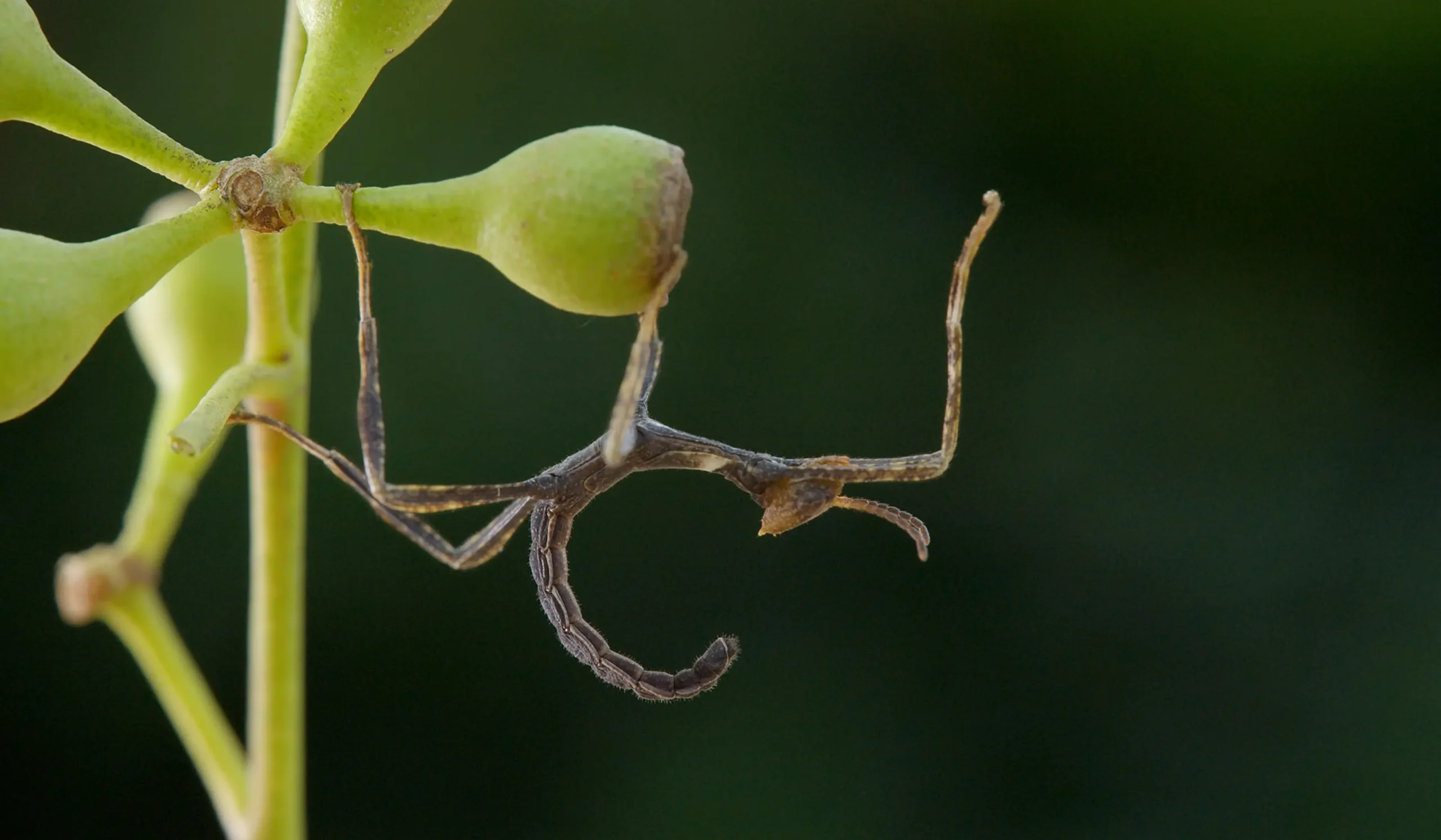
risingtideproject.org – Stick insects, also known as walking sticks or phasmids (from the Greek “phasma” meaning phantom or apparition), are masters of camouflage. Their remarkable resemblance to twigs, branches, and leaves makes them some of the most fascinating and well-disguised insects in the world. This article delves into the captivating world of stick insects, exploring their unique biology, life cycle, camouflage strategies, ecological roles, and interactions with humans.
Physical Characteristics: Mimicry and Morphology
Stick insects are characterized by several key features:
- Elongated Body: Their body is typically long and slender, resembling twigs or branches.
- Leg Mimicry: Their legs often closely resemble twigs, further enhancing their camouflage.
- Leaf Mimicry (in some species): Some species have flattened, leaf-like bodies or appendages, mimicking foliage.
- Antennae: They have relatively long antennae, which they use for sensing their environment.
- Reduced or Absent Wings (in many species): While some species have wings, many are wingless, further contributing to their twig-like appearance.
Life Cycle: Incomplete Metamorphosis and Parthenogenesis
Stick insects undergo incomplete metamorphosis (hemimetabolism), with three distinct life stages:
- Egg: Stick insect eggs are often remarkably camouflaged, resembling seeds or other plant parts. They are laid individually or in small groups, often dropped to the ground or glued to vegetation.
- Nymph: The nymphs hatch from the eggs and resemble miniature versions of the adults. They molt several times as they grow, shedding their exoskeletons.
- Adult: After several molts, the nymph reaches the adult stage, with fully developed characteristics.
Many stick insect species are capable of parthenogenesis, a form of asexual reproduction where females can produce viable offspring without fertilization.
Diversity and Classification: A Wide Range of Forms
There are over 3,000 species of stick insects worldwide, classified into the order Phasmatodea. They exhibit a wide range of sizes, shapes, and camouflage strategies.
Habitat and Distribution: Primarily Tropical and Subtropical
Stick insects are found in a variety of habitats, primarily in tropical and subtropical regions:
- Forests and rainforests
- Woodlands and grasslands
They are distributed globally, with the greatest diversity found in Southeast Asia, South America, and Australia.
Camouflage and Defense: Masters of Deception
Stick insects employ various camouflage and defense strategies:
- Crypsis (Camouflage): Their primary defense is their remarkable camouflage, allowing them to blend seamlessly with their surroundings.
- Catalepsy: When disturbed, some species will freeze and remain motionless, further enhancing their disguise.
- Autotomy (Limb Shedding): Some species can shed their legs to escape predators. The lost limbs can regenerate during subsequent molts.
- Chemical Defenses: Some species can release defensive chemicals that are irritating or repellent to predators.
Feeding and Diet: Herbivorous Insects
Stick insects are primarily herbivorous, feeding on:
- Leaves
- Shoots
- Flowers
They are often highly specialized feeders, with some species preferring specific types of plants.
Ecological Roles: Herbivores and Food Source
Stick insects play several roles in ecosystems:
- Herbivores: As herbivores, they can influence plant communities.
- Food Source: They serve as a food source for various animals, including birds, reptiles, amphibians, and mammals.
Stick Insects and Humans: Pet Trade and Scientific Study
Stick insects have various interactions with humans:
- Pet Trade: Many stick insect species are popular pets due to their unique appearance and relatively easy care.
- Scientific Study: They are studied by scientists for their camouflage, regeneration abilities, and evolutionary biology.
Threats and Conservation: Habitat Loss
The primary threat to stick insect populations is:
- Habitat Loss: The destruction of natural habitats due to deforestation and land conversion is a major concern.
Conclusion: Appreciating the Stick Insect’s Art of Disguise
Stick insects are truly remarkable insects, demonstrating the power of adaptation and camouflage. Their unique appearance and fascinating behaviors make them a captivating part of the natural world. By understanding their biology, ecology, and the threats they face, we can better appreciate these masters of disguise and contribute to their conservation. Their existence showcases the incredible diversity and ingenuity of life on Earth.