The Uffizi Gallery: Renaissance Treasure of Florence

risingtideproject.org – The Uffizi Gallery, located in Florence, Italy, is one of the most famous art museums in the world. Renowned for its extraordinary collection of Renaissance masterpieces, the gallery attracts millions of visitors each year who come to admire its rich array of artworks and immerse themselves in the history of Italian art.

A Brief History

The Uffizi Gallery was designed by Giorgio Vasari in 1560 for Cosimo I de’ Medici as the offices for Florentine magistrates, which is how it got its name, “Uffizi,” meaning “offices” in Italian. It was later transformed into a gallery to display the Medici family’s extensive art collection. Opened to the public in 1765, the Uffizi has since become a pivotal institution in the art world.

The Collections

The Uffizi Gallery houses an unparalleled collection of paintings and sculptures, with a particular emphasis on the Italian Renaissance. The gallery’s vast collection includes works by artists such as Leonardo da Vinci, Michelangelo, Sandro Botticelli, and Raphael. In addition to its Italian masterpieces, the Uffizi also features works from other European artists.

Notable Exhibits

  1. The Birth of Venus by Sandro Botticelli: One of the most iconic paintings of the Renaissance, this masterpiece captures the goddess Venus emerging from the sea, symbolizing beauty and love.
  2. La Primavera by Sandro Botticelli: This allegorical painting is rich with symbolism and showcases Botticelli’s exquisite use of color and composition.
  3. The Annunciation by Leonardo da Vinci: A stunning example of Leonardo’s early work, this painting demonstrates his mastery of perspective and detail.

The Museum Experience

Visitors to the Uffizi Gallery can explore its vast corridors and rooms, each filled with breathtaking artworks that chronicle the evolution of art from the Middle Ages to the Baroque period. The gallery’s layout guides visitors through a chronological journey, allowing them to witness the progression of artistic styles and techniques.

Architectural Beauty

The Uffizi’s architectural design is itself a work of art, featuring elegant arches, columns, and windows that offer views of the Arno River and Ponte Vecchio. The building’s design reflects the grandeur of the Renaissance and provides a fitting backdrop for its illustrious collection.

Conclusion

The Uffizi Gallery is a testament to the enduring legacy of the Renaissance and the artistic achievements of Florence. With its unrivaled collection of masterpieces and its historic setting, the Uffizi offers a captivating experience for anyone interested in the history of art. Whether you’re an art historian or a casual visitor, a trip to the Uffizi Gallery promises an unforgettable journey through the heart of the Renaissance.

Promoting Heritage: Saudi Arabia’s Cultural Renaissance

risingtideproject.org – Saudi Arabia is undergoing a profound cultural renaissance, marked by a significant shift towards preserving and promoting its rich heritage. This transformation is not only about reviving the past but also about integrating cultural elements into the fabric of modern society, aligning with the Kingdom’s Vision 2030.

National Strategy and Commitments

The Kingdom has unveiled a comprehensive national strategy to promote cultural heritage, which includes the protection and preservation of archaeological sites and the effective use of digital technologies to enhance cultural tourism and the safeguarding of traditional building techniques. This strategy is part of a broader commitment to cultural revitalization, which is central to Saudi Arabia’s Vision 2030. The Ministry of Culture has spearheaded this initiative, aiming to embed culture in everyday life, leverage it for economic growth, and use it to enhance the Kingdom’s international standing1.

Financial and Institutional Support

Saudi Arabia has allocated substantial funds to protect cultural heritage. The Ministry of Culture announced a $30 million contribution to the International Alliance for the Protection of Heritage in Conflict Areas (Alef), demonstrating a strong commitment to global efforts in cultural preservation. Additionally, the Kingdom has committed $25 million to UNESCO for the protection of heritage, focusing on digital technologies, sustainable cultural tourism, and the preservation of World Heritage sites.

Cultural Institutions and Initiatives

The establishment of 11 cultural commissions dedicated to various segments such as music, film, heritage, and museums underscores the Kingdom’s dedication to cultural development. Notable initiatives include the development of AlUla, a site of remarkable historical and artistic interest, and the Diriyah Gate in Riyadh, which will feature arts districts, academies, a new media arts institute, museums, and hotels.

International Collaboration and Recognition

Saudi Arabia’s cultural renaissance is also evident in its international engagements. The Kingdom hosted the G20 Culture Ministers’ meeting in 2020, highlighting its commitment to sustainable cultural development on a global scale. The Kingdom’s efforts have been recognized internationally, with UNESCO acknowledging its contributions to the preservation of World Heritage sites and the promotion of creative economies.

Challenges and Opportunities

While the Kingdom is making significant strides, challenges remain. The integration of cultural preservation with economic development and environmental sustainability is crucial. The use of emerging technologies such as digital photogrammetry and 3D printing can enhance the preservation and activation of cultural sites.

Conclusion

Saudi Arabia’s cultural renaissance is a testament to its commitment to preserving and promoting its heritage. Through strategic investments, institutional support, and international collaboration, the Kingdom is not only safeguarding its past but also shaping its future. This cultural revival is not just about preserving history but also about creating a vibrant, inclusive society that values its heritage and looks forward to a sustainable future.

Dolce & Gabbana: The Italian Renaissance of Style

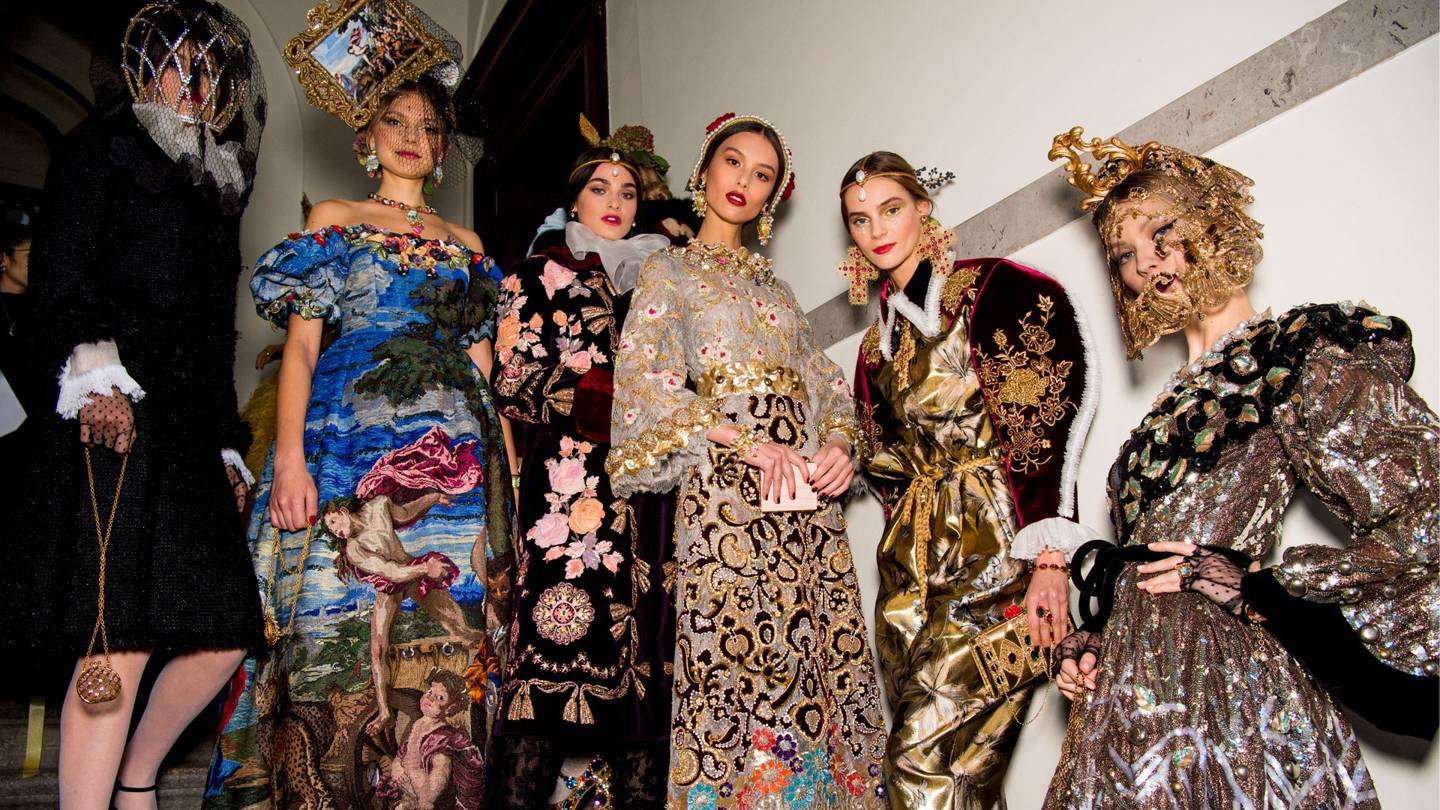
risingtideproject.org – In the ever-evolving landscape of fashion, few brands have managed to capture the essence of Italian luxury and craftsmanship quite like Dolce & Gabbana. Founded in 1985 by Domenico Dolce and Stefano Gabbana, the brand has become synonymous with opulence, elegance, and a bold, unapologetic celebration of Italian heritage. The duo’s ability to blend traditional artisan techniques with contemporary design has not only positioned Dolce & Gabbana as a leading force in the fashion industry but has also sparked a renaissance of style that pays homage to the rich cultural tapestry of Italy.

The Italian Renaissance, a period of great cultural change and achievement that began in Italy during the 14th century, is a fitting metaphor for Dolce & Gabbana’s impact on the fashion world. Just as the Renaissance artists and thinkers looked to the classical past for inspiration, Dolce & Gabbana draws on the history, art, and traditions of Italy to create collections that are both innovative and deeply rooted in the country’s storied past.

One of the hallmarks of Dolce & Gabbana’s design philosophy is its commitment to celebrating the beauty and diversity of Italian culture. From the baroque opulence of Sicily to the refined elegance of Milan, the brand’s collections are a testament to the regional diversity that makes Italy such a rich source of inspiration. This is evident in the intricate embroidery, the vibrant prints, and the luxurious fabrics that are characteristic of Dolce & Gabbana’s aesthetic. Each piece tells a story, weaving together the threads of Italy’s history, art, and craftsmanship to create a narrative that is both personal and universal.

At the heart of Dolce & Gabbana’s success is the duo’s dedication to craftsmanship. In an era where mass production and fast fashion dominate the industry, Dolce & Gabbana remains committed to the artisanal techniques that have been passed down through generations. The brand collaborates with skilled artisans across Italy, from tailors and shoemakers to embroiderers and goldsmiths, to create garments and accessories that are not only beautiful but also imbued with the spirit of Italian craftsmanship. This attention to detail and quality is what sets Dolce & Gabbana apart, ensuring that each piece is not just a garment, but a work of art.

Dolce & Gabbana’s influence extends beyond the catwalk, with the brand becoming a cultural icon in its own right. The duo has collaborated with artists, filmmakers, and musicians, blurring the lines between fashion, art, and entertainment. Their fashion shows are theatrical extravaganzas that captivate the audience, blending high fashion with performance art to create unforgettable experiences. These events are a reflection of the brand’s ethos – a celebration of life, beauty, and the joy of creativity.

However, Dolce & Gabbana’s journey has not been without controversy. The brand has faced criticism for its provocative advertising campaigns and comments made by its founders. Despite these challenges, Dolce & Gabbana has continued to evolve, engaging with new audiences and embracing digital platforms to connect with a global customer base. The brand’s ability to adapt while staying true to its roots is a testament to its resilience and the enduring appeal of its vision of Italian style.

In conclusion, Dolce & Gabbana represents more than just a fashion label; it is a symbol of the Italian Renaissance of Style. Through its celebration of craftsmanship, heritage, and the beauty of Italian culture, the brand has redefined what it means to be luxurious in the 21st century. As Dolce & Gabbana continues to evolve, it remains a beacon of creativity and innovation, proving that the spirit of the Renaissance is alive and well in the world of fashion.