Pančevo: An Industrial City with a Rich History

risingtideproject.org – Pančevo, a city nestled in the Vojvodina region of Serbia, is a fascinating blend of industrial heritage and natural beauty. Situated on the banks of the Danube and Tamiš rivers, the city has a rich history dating back to the Roman era.   

Over the centuries, Pančevo has been influenced by various cultures and empires, including the Roman Empire, the Byzantine Empire, the Hungarian Kingdom, and the Ottoman Empire. This diverse historical heritage is reflected in the city’s architecture, traditions, and customs.

An Industrial Powerhouse

Pančevo is one of the most important industrial centers in Serbia. The city’s chemical industry, particularly the HIP Petrohemija complex, is a significant contributor to the country’s economy. The complex produces a wide range of products, including fertilizers, plastics, and synthetic rubber.   

In addition to its chemical industry, Pančevo is also home to other important industries, such as food processing, metalworking, and textile manufacturing. The city’s industrial heritage is evident in its factories, power plants, and infrastructure.

A Cultural Hub

Despite its industrial character, Pančevo is a city with a vibrant cultural scene. The city’s National Theater and the Cultural Center offer a variety of performances, including plays, concerts, and exhibitions. The annual Pančevo Carnival is a major cultural event that attracts visitors from all over Serbia.   

The city’s museums and art galleries showcase the region’s rich history and culture. The Museum of Banat, for example, houses a valuable collection of archaeological artifacts, historical documents, and works of art.

A Natural Paradise

Pančevo is surrounded by stunning natural beauty. The Danube River, with its picturesque landscapes and diverse wildlife, is a popular destination for boating, fishing, and swimming. The nearby forests and parks offer opportunities for hiking, biking, and birdwatching.

The city’s parks and gardens provide peaceful retreats for relaxation and recreation. The Tamiš River Park, located in the heart of the city, is a popular destination for picnics, walks, and sports.

Pančevo is a city that offers a unique blend of industrial heritage, cultural richness, and natural beauty. Its diverse industries, vibrant cultural scene, and picturesque surroundings make it a fascinating destination for travelers seeking an authentic Serbian experience.
Oil Rich but People Poor: Equatorial Guinea

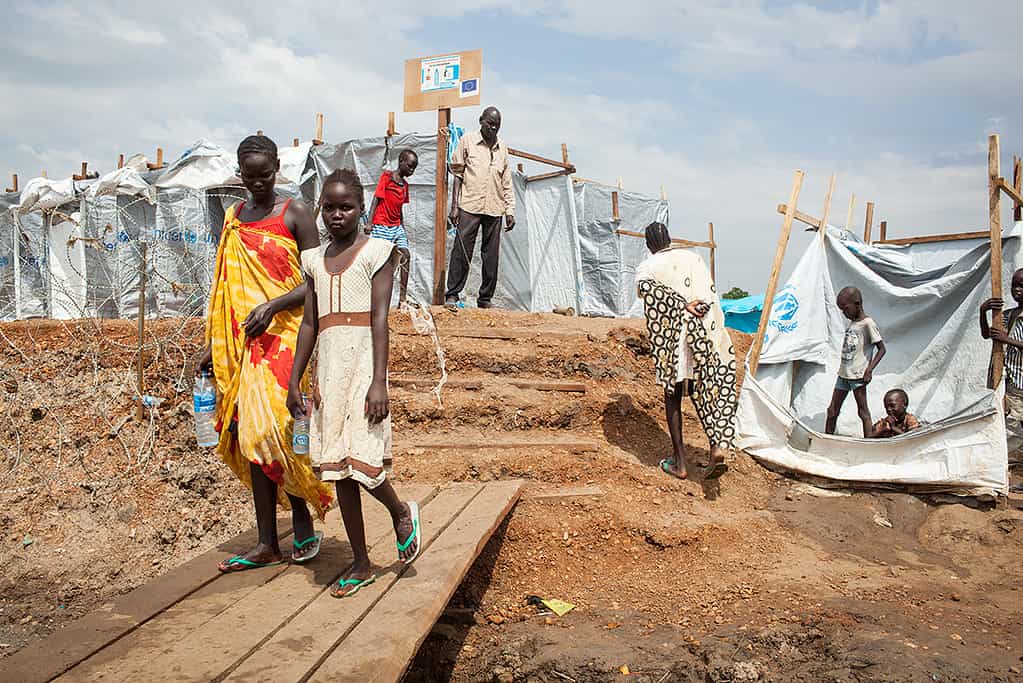
risingtideproject.org – Equatorial Guinea, a small central African nation, is a stark example of the paradox where abundant natural resources coexist with widespread poverty among its population. Despite being one of the wealthiest countries in Sub-Saharan Africa due to its significant oil reserves, the majority of its inhabitants live in poverty. This article explores the reasons behind this disparity and the impact of oil wealth on the country’s governance and social fabric.

The Oil Wealth

Equatorial Guinea’s oil reserves were discovered in the mid-1990s, leading to a dramatic increase in government revenue. Between 2000 and 2013, the country took in approximately US$45 billion in oil revenues, catapulting it into the ranks of the wealthiest nations in the region49. The potential for this wealth to transform the country from an impoverished backwater into an economic powerhouse was immense.

Governance and Corruption

The stark contrast between Equatorial Guinea’s vast resource wealth and its extreme levels of poverty and inequality is largely attributed to a total failure of governance. The country’s leadership, particularly under President Teodoro Obiang Nguema Mbasogo, has been criticized for squandering and mismanaging the oil wealth. Instead of using the revenues to improve the lives of its citizens, much of the money has been siphoned off by government officials and the ruling elite.

Poverty and Inequality

Despite the country’s oil wealth, many of Equatorial Guinea’s 1.6 million inhabitants live in poverty. The benefits of the oil boom have not trickled down to the general population, leading to rampant poverty and inequality. The country’s economic growth has been concentrated in the hands of a few, leaving the majority of the population struggling to make ends meet.

The American Dream

The yearning for a better life has led many young Equatorial Guineans to aspire to the “American Dream.” This desire for a better future underscores the dissatisfaction with the current state of affairs in their home country. The contrast between the potential for prosperity and the reality of poverty is a significant factor driving this aspiration.

Conclusion

Equatorial Guinea’s story is a cautionary tale about the perils of resource wealth without proper governance. The country’s abundant oil reserves have not translated into improved living standards for its people, primarily due to corruption and mismanagement. Addressing these issues and ensuring that the benefits of oil wealth are shared equitably is crucial for the country’s future development and the well-being of its citizens.

Preserving Its Rich History: Burkina Faso’s Cultural Heritage

risingtideproject.org – Burkina Faso, a country in West Africa, is home to a rich and diverse cultural heritage that reflects its history, traditions, and the resilience of its people. From ancient kingdoms to colonial influences and modern developments, the cultural landscape of Burkina Faso is a tapestry woven with the threads of its various ethnic groups, languages, and artistic expressions. Preserving this heritage is crucial for maintaining the country’s identity and ensuring that future generations can appreciate and learn from its rich history.

The Ethnic Mosaic of Burkina Faso

Burkina Faso is inhabited by more than 60 ethnic groups, each with its own language, customs, and traditions. The Mossi people are the largest ethnic group, followed by the Fulani, Gurunsi, Bobo, and Lobi, among others. This ethnic diversity contributes to the country’s cultural richness, with each group adding its unique flavor to the national identity.

Traditional Festivals and Ceremonies

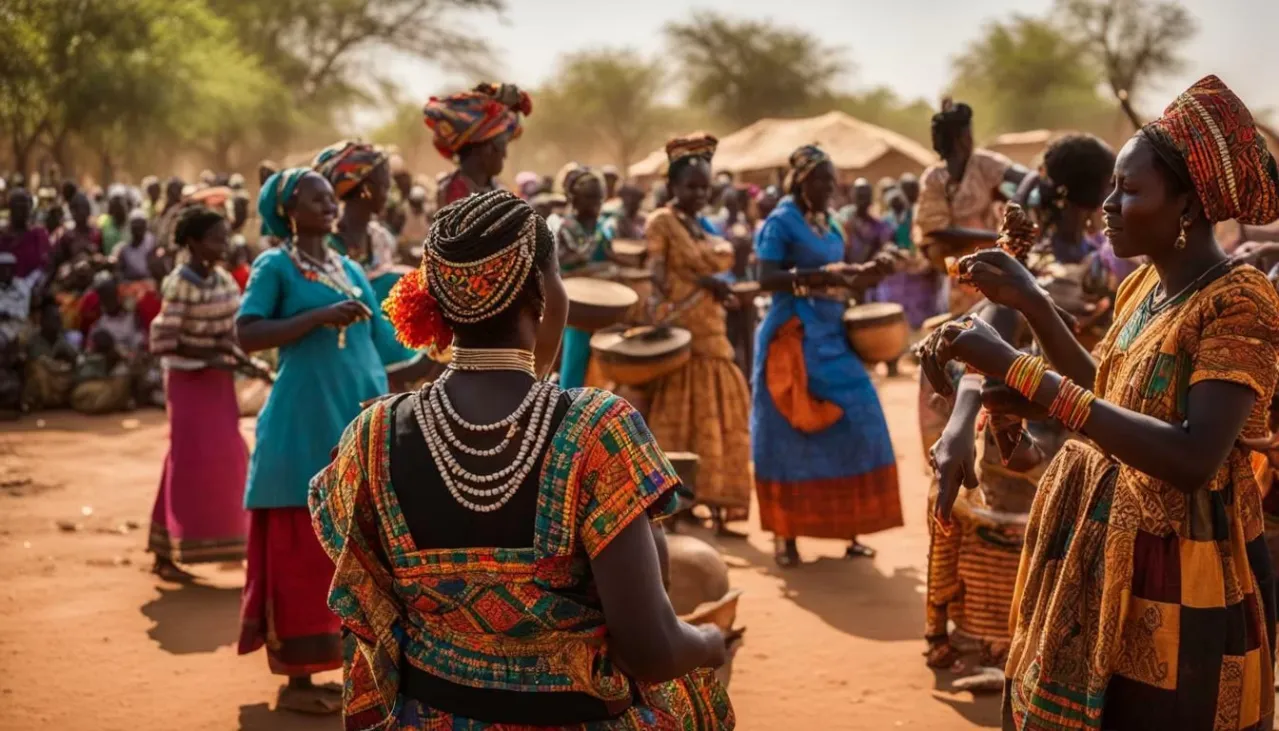
Traditional festivals and ceremonies play a significant role in preserving the cultural heritage of Burkina Faso. These events, often linked to agricultural cycles, religious beliefs, or historical events, provide a platform for the expression of traditional music, dance, and art. The Fête de la Maskerade in Bobo-Dioulasso, for example, showcases the masquerades of the Bobo people, while the Zabré Horse Fair highlights the equestrian skills of the Fulani.

Architectural Marvels and Historical Sites

Burkina Faso’s cultural heritage is also embodied in its architectural marvels and historical sites. The ancient city of Koumbi Saleh, once part of the Ghana Empire, and the royal palaces of the Mossi kingdoms in Ouagadougou and Ouahigouya are testament to the region’s historical significance. These sites not only attract tourists but also serve as a reminder of the country’s rich past.

Museums and Cultural Centers

Museums and cultural centers play a crucial role in preserving and promoting Burkina Faso’s cultural heritage. The National Museum in Ouagadougou, for instance, houses a collection of artifacts that illustrate the country’s history and the traditions of its various ethnic groups. The Panafrican Film and Television Festival of Ouagadougou (FESPACO) is another significant event that celebrates African cinema and culture.

Challenges in Preserving Cultural Heritage

Despite the richness of its cultural heritage, Burkina Faso faces several challenges in preserving its history. Urbanization, globalization, and the influence of foreign cultures threaten to erode traditional practices and values. Additionally, political instability and economic constraints limit the resources available for the conservation of historical sites and the promotion of cultural activities.

Efforts to Safeguard Cultural Heritage

The government of Burkina Faso, along with various non-governmental organizations and international bodies, is making efforts to safeguard the country’s cultural heritage. These include initiatives to restore historical sites, support traditional crafts and arts, and promote cultural tourism. Education also plays a vital role in ensuring that young people are aware of their cultural heritage and value it.

Conclusion

Burkina Faso’s cultural heritage is a precious asset that reflects the country’s history, diversity, and resilience. Preserving this heritage is essential for maintaining the national identity and ensuring that future generations can appreciate and learn from it. Through concerted efforts and a commitment to cultural preservation, Burkina Faso can continue to celebrate and share its rich cultural tapestry with the world.