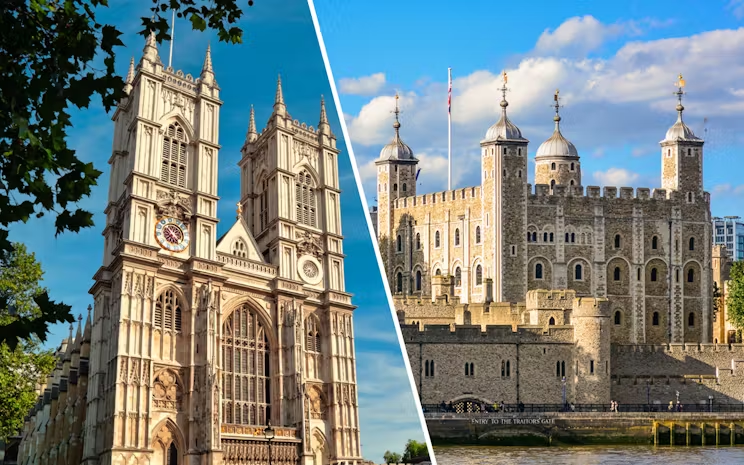
Westminster Abbey: A Majestic Symbol of British Heritage

risingtideproject.org – Westminster Abbey, located in the heart of London, is one of the United Kingdom’s most iconic and historically significant religious buildings. With a history spanning over a thousand years, this Gothic masterpiece has been the site of numerous royal ceremonies, national celebrations, and commemorations, making it a central symbol of British heritage and tradition.

Historical Background

The origins of Westminster Abbey date back to the 7th century when a Benedictine monastery was established on the site. The current structure, however, was initiated by King Henry III in 1245, who sought to replace the original church with a grander Gothic design. Over the centuries, the abbey has undergone numerous expansions and restorations, contributing to its architectural splendor and historical richness.

Architectural Grandeur

Westminster Abbey is renowned for its stunning Gothic architecture, characterized by its soaring vaulted ceilings, intricate stone carvings, and magnificent stained glass windows. The abbey’s impressive facade and twin towers dominate the London skyline, while its interior features notable elements such as the Coronation Chair, the Lady Chapel, and the stunning fan-vaulted ceiling of the Henry VII Chapel.

Royal and National Significance

For centuries, Westminster Abbey has been the site of royal coronations, beginning with William the Conqueror in 1066. It has also hosted numerous royal weddings, including the marriage of Prince William and Catherine Middleton in 2011, and it serves as the final resting place for many British monarchs and notable figures. The abbey is also the site of national services and commemorations, reflecting its role as a central place of worship and national identity.

Cultural and Historical Impact

Westminster Abbey is a treasure trove of British history, with memorials and monuments dedicated to illustrious figures such as Sir Isaac Newton, Charles Darwin, Geoffrey Chaucer, and Charles Dickens. The abbey’s Poets’ Corner is particularly famous for honoring some of the greatest writers and poets in English literature.

Conclusion

Westminster Abbey stands as a testament to Britain’s rich historical and cultural legacy. Its architectural beauty, coupled with its profound historical and royal significance, makes it a must-visit destination for those seeking to explore the depths of British history and tradition. As both a place of worship and a symbol of national heritage, Westminster Abbey continues to inspire and captivate visitors from around the world.
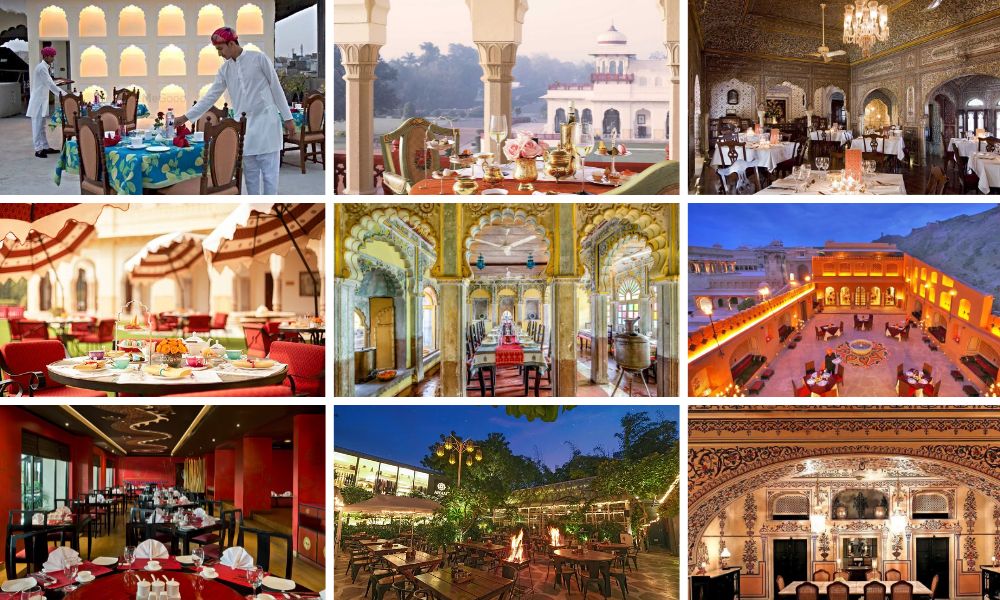
The Art of Dining in Palaces: Majestic Meals

risingtideproject.org – Dining in palaces is an experience that transcends the mere act of eating; it is an immersion into a world of opulence, history, and culinary artistry. Palaces, with their grand halls, intricate architecture, and storied pasts, offer a unique setting for meals that are as much about the ambiance as they are about the food. Majestic Meals, as we shall call these dining experiences, are not just about satiating hunger; they are about indulging the senses, engaging the imagination, and connecting with the grandeur of bygone eras.

The Setting: A Feast for the Eyes

The first aspect that sets Majestic Meals apart is the setting. Palaces, with their ornate ceilings, gilded frames, and expansive ballrooms-turned-dining-halls, provide a backdrop that is unparalleled in its beauty and history. The act of dining in such a setting is an experience that elevates the meal from the ordinary to the extraordinary. The grandeur of the surroundings, often adorned with frescoes, crystal chandeliers, and antique furniture, creates an atmosphere of elegance and sophistication that is hard to replicate elsewhere.

The Cuisine: A Symphony of Flavors

The cuisine served during Majestic Meals is often a reflection of the palace’s heritage, with menus that draw on traditional recipes and ingredients that have been enjoyed by royalty and nobility for centuries. The dishes are not only a delight to the palate but also a journey through time, offering diners a taste of the culinary traditions that have shaped the history of the palace. The presentation of the food is equally important, with each dish artfully arranged to complement the majestic setting.

The Service: An Art Form

Service during Majestic Meals is an art form in itself. The staff, often dressed in period attire, are trained to provide an impeccable level of service that is both discreet and attentive. The rituals of dining, from the laying of the table to the serving of each course, are performed with precision and grace, adding to the sense of occasion. The knowledge of the staff about the history of the palace, the provenance of the ingredients, and the stories behind the dishes adds another layer of depth to the dining experience.

The Experience: Beyond the Senses

Dining in palaces is not just about the food and the setting; it is about the entire experience. Many palaces offer guided tours before or after the meal, allowing diners to explore the history and architecture of the building. Some even offer the opportunity to dine in private rooms or gardens, providing an intimate glimpse into the lives of those who once called the palace home. The combination of history, art, and cuisine creates a dining experience that is truly unforgettable.

Conclusion

Majestic Meals represent the pinnacle of dining experiences, where history, art, and culinary excellence come together in a setting that is both grand and intimate. Dining in palaces offers more than just a meal; it offers a journey through time, a connection to the past, and an indulgence in the opulence of bygone eras. Whether it’s a state banquet in a royal palace, a private dinner in a historic castle, or a gala event in a stately home, Majestic Meals are an art form that continues to captivate and inspire.