The Raid (1954): A Bold and Brutal Civil War Thriller

A Forgotten Gem of American Cinema

risingtideproject.org – The Raid is a 1954 American Western film directed by Hugo Fregonese. Set during the American Civil War, the film tells the story of a group of Confederate soldiers who carry out a daring raid on a Union town in Vermont.   

A Tale of Revenge and Redemption

The film follows Major Benton (Van Heflin), a Confederate officer who is seeking revenge for the destruction of Atlanta by Union General William Tecumseh Sherman. Disguised as a Union officer, Benton infiltrates the small town of St. Albans and orchestrates a daring raid, robbing banks and burning buildings.   

A Stellar Cast and Gripping Performances

The Raid boasts a stellar cast, including Anne Bancroft, Richard Boone, and Lee Marvin. Bancroft delivers a powerful performance as a war widow who becomes entangled in Benton’s plan. Boone and Marvin bring intensity to their roles as members of Benton’s raiding party.   

A Dark and Realistic Portrayal of War

The film offers a gritty and realistic portrayal of the Civil War, highlighting the brutality and devastation of the conflict. It explores themes of revenge, patriotism, and the human cost of war.   

A Forgotten Masterpiece

Despite its critical acclaim and strong performances, The Raid is often overlooked in discussions of classic Westerns. It is a forgotten gem that deserves to be rediscovered by a new generation of film lovers. The film’s intense and morally complex narrative, along with its stunning cinematography, make it a must-watch for fans of historical dramas and war films.

Coming Home: A Powerful Exploration of War and Its Aftermath

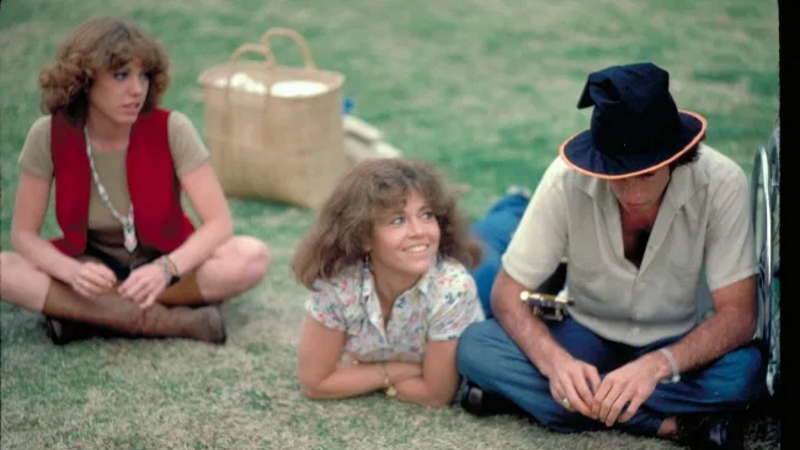
risingtideproject.org – Coming Home (1978) is a poignant and powerful drama that explores the devastating impact of the Vietnam War on soldiers and their families. Directed by Hal Ashby, the film stars Jane Fonda as Sally Hyde, a woman whose life is forever changed by her husband’s experiences in the war.

Fonda’s Oscar-Winning Performance

Jane Fonda delivers a tour-de-force performance as Sally Hyde, a compassionate and empathetic woman who becomes a voice for the anti-war movement. Fonda’s portrayal of Sally’s emotional journey, from a naive and sheltered housewife to a passionate activist, is both heartbreaking and inspiring. Her performance earned her an Academy Award for Best Actress.

A Bold and Controversial Film

Coming Home was a bold and controversial film upon its release. It challenged the prevailing pro-war sentiment in the United States and offered a critical perspective on the human cost of the Vietnam War. The film’s unflinching portrayal of the physical and psychological trauma experienced by soldiers and their families resonated with audiences and sparked important conversations.

A Timeless Exploration of Love and Loss

Beyond its political themes, Coming Home is a powerful exploration of love, loss, and the human spirit. The film’s focus on the emotional impact of war is universal and timeless. Fonda’s performance, along with the strong supporting performances of Jon Voight and Bruce Dern, elevates the film to a level of emotional intensity that is both heartbreaking and inspiring.

A Must-Watch for Fonda Fans

For fans of Jane Fonda, Coming Home is a must-watch. It showcases her incredible talent as an actress and her commitment to social justice. The film’s powerful message, combined with Fonda’s iconic performance, make it a timeless classic.

Conclusion

Coming Home is a powerful and poignant film that continues to resonate with audiences today. Jane Fonda’s performance as Sally Hyde is a tour-de-force, and her portrayal of a complex and compassionate character has solidified her legacy as one of Hollywood’s greatest actresses. The film’s exploration of the human cost of war and its unflinching honesty make it a powerful and unforgettable cinematic experience.

The CIA and the War on Terror: Strategies & Controversies

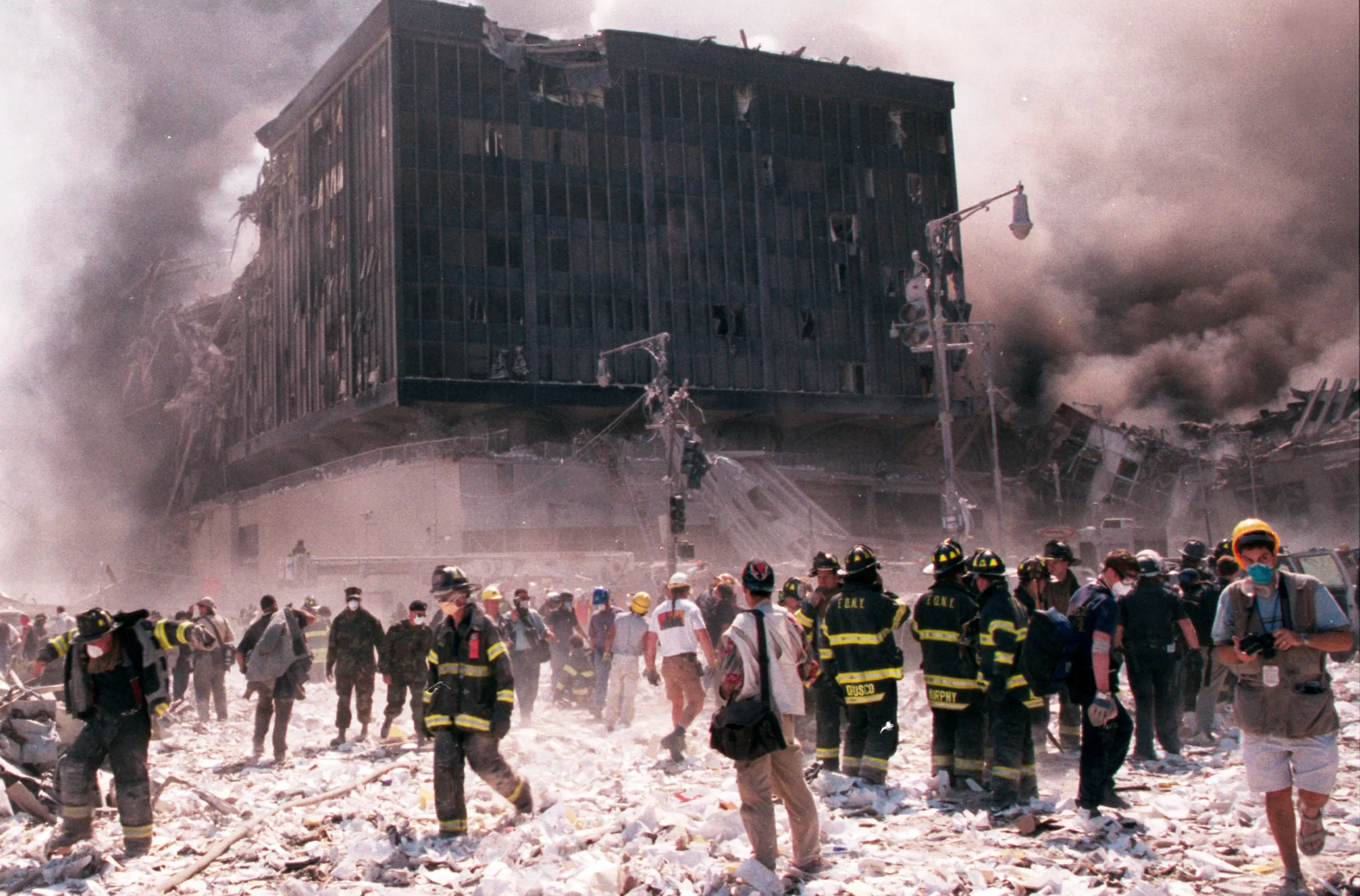
risingtideproject.org – In the aftermath of the September 11, 2001, terrorist attacks, the Central Intelligence Agency (CIA) found itself at the forefront of the United States’ response to the global threat of terrorism. The agency’s role in the War on Terror has been multifaceted, encompassing intelligence gathering, covert operations, and the use of controversial tactics. This article examines the strategies employed by the CIA in the War on Terror and the controversies that have arisen from its actions.

The CIA’s Shift Toward Counterterrorism

Following the 9/11 attacks, the CIA underwent a significant transformation, with a substantial portion of its resources and focus shifted toward counterterrorism efforts. The agency’s primary objective became the identification, tracking, and neutralization of terrorist threats, particularly those posed by al-Qaeda and other affiliated groups.

Intelligence Gathering and Analysis

The CIA’s first line of defense in the War on Terror has been its intelligence gathering and analysis capabilities. The agency has utilized a variety of methods, including human intelligence (HUMINT), signals intelligence (SIGINT), and satellite imagery, to collect information on terrorist activities and plans. The analysis of this intelligence has been crucial in preventing numerous terrorist attacks and in guiding military and law enforcement operations.

Covert Operations and Special Courts

The CIA has conducted numerous covert operations as part of the War on Terror, often with the authorization of the President and in coordination with other U.S. agencies. These operations have included the capture or killing of high-value targets, the disruption of terrorist financing, and the support of foreign governments in their counterterrorism efforts. The use of special courts, such as the Foreign Intelligence Surveillance Court (FISC), has also been a contentious aspect of the CIA’s counterterrorism strategy, raising concerns about privacy and civil liberties.

Rendition, Detention, and Interrogation

One of the most controversial aspects of the CIA’s involvement in the War on Terror has been its program of extraordinary rendition, detention, and interrogation. The agency has been accused of detaining terrorist suspects in secret prisons, known as black sites, and subjecting them to harsh interrogation techniques, including waterboarding. These practices have sparked international outrage and have led to allegations of torture and human rights abuses.

Drone Strikes and Targeted Killings

The CIA has also been involved in the use of unmanned aerial vehicles (UAVs), commonly known as drones, to carry out targeted killings of terrorist suspects. While drone strikes have been credited with taking out key al-Qaeda and Taliban leaders, they have also been criticized for causing civilian casualties and for the legal and ethical implications of conducting such operations without due process.

The Snowden Revelations and Public Scrutiny

The disclosures by former NSA contractor Edward Snowden in 2013 brought additional scrutiny to the CIA’s activities in the War on Terror. The revelations about widespread surveillance programs and the sharing of intelligence with foreign governments raised concerns about privacy, government overreach, and the balance between security and civil liberties.

Conclusion

The CIA’s role in the War on Terror has been both pivotal and controversial. While the agency’s efforts have contributed to significant successes in disrupting terrorist plots and degrading terrorist organizations, they have also led to ethical and legal dilemmas. The balance between effective counterterrorism measures and the protection of democratic values remains a challenging issue for policymakers, intelligence officials, and the public alike. As the nature of the terrorist threat continues to evolve, the strategies and tactics employed by the CIA will undoubtedly continue to be a subject of intense debate and scrutiny.

The War That Changed the World: World War I

risingtideproject.org – World War I, also known as the Great War, was a global conflict that lasted from 1914 to 1918. It was a war that not only reshaped the borders of countries but also fundamentally altered the course of world history. The war involved many of the world’s great powers, which were divided into two opposing alliances: the Allies (originally the Triple Entente of France, Russia, and the United Kingdom) and the Central Powers (primarily the German Empire, Austro-Hungarian Empire, and the Ottoman Empire).

The Spark That Ignited the World

The immediate cause of World War I was the assassination of Archduke Franz Ferdinand of Austria-Hungary by a Serbian nationalist on June 28, 1914. This event set off a chain reaction of alliances and treaties, leading to a full-scale war. The assassination was the spark, but the powder keg was already primed with imperialistic expansion, military buildup, and nationalistic fervor.

The War That Was Supposed to End All Wars

World War I was initially expected to be a short conflict. However, it quickly became a protracted and brutal war of attrition. The use of trench warfare, machine guns, and artillery led to unprecedented levels of casualties. The war saw the introduction of new and devastating weapons, including tanks, chemical warfare, and aircraft, which changed the nature of warfare forever.

The war also saw the mobilization of civilian populations on an unprecedented scale, with millions of men conscripted into military service and significant portions of the economy directed towards the war effort. Women took on roles traditionally held by men, both in the workforce and in the military, marking a significant shift in societal roles.

The Aftermath and Its Impact

The Treaty of Versailles, signed in 1919, officially ended the war. It imposed heavy reparations and territorial losses on Germany, which would have long-lasting effects and contribute to the rise of Adolf Hitler and the outbreak of World War II.

The war also led to the collapse of four empires: the German, Austro-Hungarian, Ottoman, and Russian empires. The map of Europe was redrawn, with new countries like Poland and Czechoslovakia emerging. The Russian Revolution of 1917, which led to the establishment of the Soviet Union, was a direct consequence of the war.

The war had a profound impact on global politics, leading to the formation of the League of Nations, the precursor to the United Nations, in an attempt to prevent future conflicts. However, the failure of the League to prevent World War II highlighted the challenges of international cooperation.

Legacy of the Great War

World War I is remembered for its devastating impact on the world. It marked the end of an era of relative peace and stability in Europe and ushered in an age of uncertainty and conflict. The war changed the way wars were fought, leading to the development of modern military strategies and technologies.

The human cost of the war was staggering, with an estimated 9 million combatants and 7 million civilians dying as a result of the conflict. The psychological impact on the survivors was profound, leading to a reevaluation of the nature of war and its glorification.

Conclusion

World War I was indeed the war that changed the world. It reshaped the political, social, and economic landscape of the 20th century. The war’s legacy is a reminder of the cost of conflict and the importance of seeking peaceful resolutions to international disputes. As we remember the centenary of the end of World War I, it is crucial to reflect on its lessons and strive for a future where such a devastating conflict is not repeated.