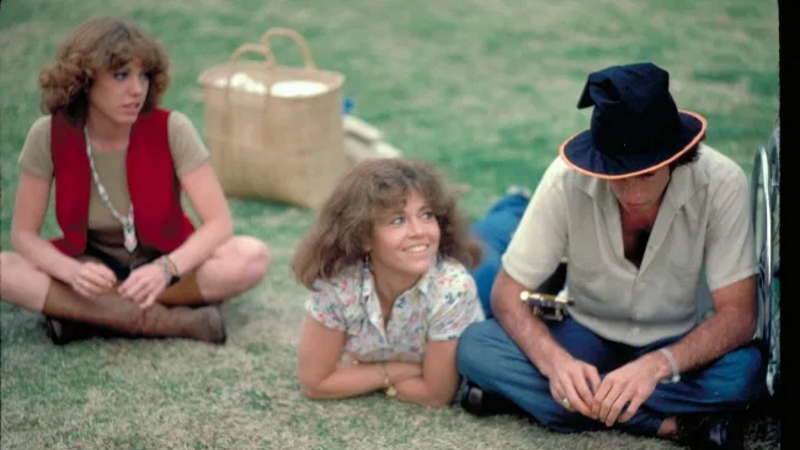
Coming Home: A Powerful Exploration of War and Its Aftermath

risingtideproject.org – Coming Home (1978) is a poignant and powerful drama that explores the devastating impact of the Vietnam War on soldiers and their families. Directed by Hal Ashby, the film stars Jane Fonda as Sally Hyde, a woman whose life is forever changed by her husband’s experiences in the war.

Fonda’s Oscar-Winning Performance

Jane Fonda delivers a tour-de-force performance as Sally Hyde, a compassionate and empathetic woman who becomes a voice for the anti-war movement. Fonda’s portrayal of Sally’s emotional journey, from a naive and sheltered housewife to a passionate activist, is both heartbreaking and inspiring. Her performance earned her an Academy Award for Best Actress.

A Bold and Controversial Film

Coming Home was a bold and controversial film upon its release. It challenged the prevailing pro-war sentiment in the United States and offered a critical perspective on the human cost of the Vietnam War. The film’s unflinching portrayal of the physical and psychological trauma experienced by soldiers and their families resonated with audiences and sparked important conversations.

A Timeless Exploration of Love and Loss

Beyond its political themes, Coming Home is a powerful exploration of love, loss, and the human spirit. The film’s focus on the emotional impact of war is universal and timeless. Fonda’s performance, along with the strong supporting performances of Jon Voight and Bruce Dern, elevates the film to a level of emotional intensity that is both heartbreaking and inspiring.

A Must-Watch for Fonda Fans

For fans of Jane Fonda, Coming Home is a must-watch. It showcases her incredible talent as an actress and her commitment to social justice. The film’s powerful message, combined with Fonda’s iconic performance, make it a timeless classic.

Conclusion

Coming Home is a powerful and poignant film that continues to resonate with audiences today. Jane Fonda’s performance as Sally Hyde is a tour-de-force, and her portrayal of a complex and compassionate character has solidified her legacy as one of Hollywood’s greatest actresses. The film’s exploration of the human cost of war and its unflinching honesty make it a powerful and unforgettable cinematic experience.
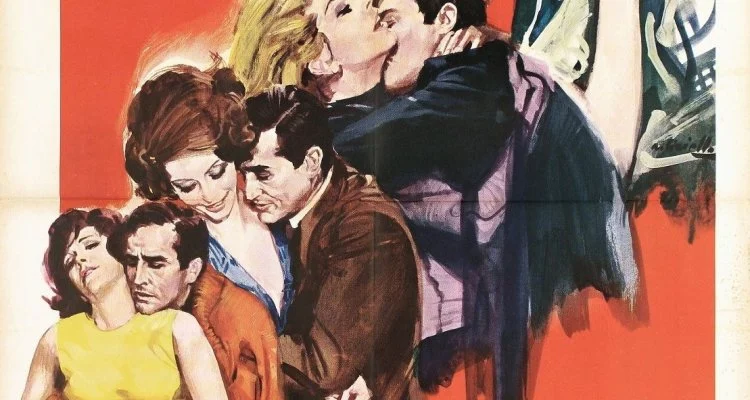
The Divorce: A Comic Exploration of Midlife Crisis

risingtideproject.orgThe Divorce (1970), an Italian comedy film directed by Romolo Guerrieri, offers a humorous take on the complexities of marriage, divorce, and the pursuit of happiness. The film centers around Leonardo Nenci, a middle-aged man played by the iconic Vittorio Gassman, who decides to divorce his wife in hopes of reclaiming his youth and freedom.   

A Midlife Crisis, Italian Style

Nenci’s decision to divorce sets off a chain of comedic misadventures. He envisions a life filled with excitement, romance, and adventure. However, his reality proves to be far different from his expectations. His pursuit of younger women leads to awkward encounters and embarrassing situations. The film satirizes the stereotypes associated with midlife crises, painting a picture of a man who is both desperate and delusional.   

A Stellar Cast

The film boasts a talented cast, including Anna Moffo as Nenci’s estranged wife, Elena, and Nino Castelnuovo as his friend Piero. The supporting cast features a range of colorful characters, from seductive young women to eccentric acquaintances.   

A Humorous Take on a Serious Topic

While The Divorce is a comedy, it also touches on more serious themes, such as the impact of divorce on families and the challenges of aging. The film’s humor often stems from the contrast between Nenci’s idealized vision of his new life and the harsh realities he faces.

A Timeless Comedy

Despite being released in 1970, The Divorce remains a timeless comedy that continues to entertain audiences. Its humor, relatable characters, and sharp social commentary make it a classic of Italian cinema. The film’s exploration of universal themes, such as the pursuit of happiness and the fear of aging, resonates with viewers of all ages.

In the Mood for Love (2000): A Timeless Exploration of Unspoken Love

risingtideproject.org – “In the Mood for Love” is a 2000 romantic drama film directed by Wong Kar-wai. It has been celebrated for its aesthetic beauty, emotional depth, and its exploration of unspoken love and longing. Set in 1960s Hong Kong, the film stars Tony Leung and Maggie Cheung as neighbors who form a deep emotional connection after suspecting their spouses of infidelity.

Plot Overview

The film follows Chow Mo-wan (Tony Leung), a journalist, and Su Li-zhen (Maggie Cheung), a secretary, who become neighbors in a crowded apartment building. As they both deal with their spouses’ absences, they slowly realize that their spouses are having an affair with each other. This revelation brings Chow and Su closer, leading to a complex relationship grounded in shared pain and subtle, unspoken attraction.

Visual Style and Cinematography

Wong Kar-wai’s distinct visual style is a hallmark of “In the Mood for Love.” The film is renowned for its rich color palette, meticulous framing, and use of slow-motion cinematography, which together evoke a sense of nostalgia and melancholy. The artful use of lighting and score further enhances its emotional impact, creating a dreamlike atmosphere that transports the audience to a bygone era.

Themes and Symbolism

At its core, “In the Mood for Love” is a meditation on unfulfilled desires and the passage of time. The film’s recurring motifs, such as clocks and mirrors, emphasize themes of longing and self-reflection. The characters’ restrained emotions highlight the societal constraints of the time, illustrating how cultural norms and personal morals shape human relationships.

Cultural Impact and Reception

Upon its release, “In the Mood for Love” received critical acclaim and numerous awards, including a Best Actor award for Tony Leung at the Cannes Film Festival. It has since become a classic, often cited as one of the greatest films of all time. Its influence extends beyond cinema, inspiring various artists and musicians.

Conclusion

“In the Mood for Love” is more than a film; it is a poignant exploration of love’s complexities and the quiet moments that define human connections. Wong Kar-wai’s masterpiece continues to resonate with audiences, inviting viewers to reflect on their own experiences of love and loss.