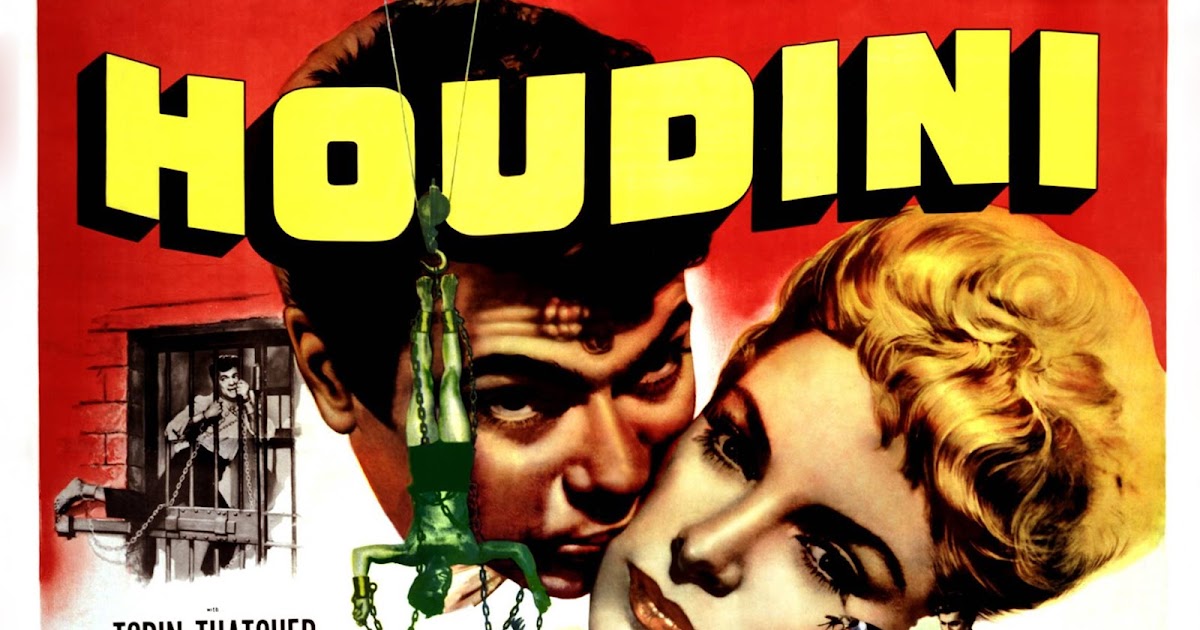
Houdini: A Magical Biography – A Love Story and a Tragic Ending

risingtideproject.org – George Sidney’s 1953 film Houdini is a captivating biographical drama that delves into the extraordinary life of the legendary escape artist, Harry Houdini. Starring Tony Curtis in the title role, the film offers a glimpse into the magician’s dazzling illusions, daring escapes, and personal struggles.

A Masterful Performance by Tony Curtis

Tony Curtis delivers a mesmerizing performance as Houdini, capturing the magician’s charisma, athleticism, and unwavering determination. Curtis’ portrayal of Houdini’s daring escapes, from underwater tank escapes to straitjacket escapes, is both thrilling and awe-inspiring.

A Glimpse into Houdini’s World

The film provides a fascinating glimpse into Houdini’s world, showcasing his groundbreaking illusions and his relentless pursuit of perfection. From his early days as a street magician to his rise to international fame, the film highlights the challenges and triumphs that shaped his career.

A Love Story and a Tragic Ending

Houdini also explores the magician’s personal life, particularly his deep love for his wife, Bess. The film delves into their passionate relationship and their shared dedication to the art of magic. The film also touches upon the tragic circumstances surrounding Houdini’s untimely death, adding a poignant and somber note to the narrative.

A Timeless Tribute to a Legend

Houdini is a timeless tribute to one of history’s greatest magicians. The film’s combination of thrilling escapism, heartfelt romance, and historical accuracy makes it a captivating and unforgettable cinematic experience. Whether you’re a fan of magic, biography, or simply a lover of classic Hollywood cinema, Houdini is a must-watch.

Nang Nak (1999): A Haunting Tale of Love and Loss

risingtideproject.org – “Nang Nak,” directed by Nonzee Nimibutr and released in 1999, is a poignant Thai horror film that weaves a tale of enduring love and tragic loss. Rooted in Thai folklore, the film revisits the legendary story of Mae Nak, a ghostly figure whose love for her husband transcends the boundaries between life and death. “Nang Nak” stands out for its emotional depth, atmospheric storytelling, and its exploration of themes that resonate deeply within Thai culture.

Plot Summary

Set in the 19th century, “Nang Nak” follows the story of Mak, a young man who returns home from war to his beloved wife, Nak, in a serene village along the river. Unbeknownst to Mak, Nak and their child died during childbirth while he was away. Despite this, Nak’s spirit remains, longing to be with her husband. As the village becomes aware of Nak’s supernatural presence, tensions rise, leading to an inevitable confrontation between the living and the spirit world. The film unfolds with a mix of suspense, romance, and tragedy, capturing the enduring bond between Mak and Nak.

Themes and Analysis

“Nang Nak” explores themes of love, loss, and the supernatural, blending horror with a deeply emotional narrative. The film delves into the power of love that transcends death, highlighting the pain of separation and the longing for reunion. It also touches on the cultural beliefs surrounding spirits and the afterlife in Thai society. Through the lens of folklore, “Nang Nak” examines the intersection of tradition, superstition, and the human heart.

Direction and Cinematography

Nonzee Nimibutr’s direction is both sensitive and evocative, creating an atmosphere that is haunting yet beautiful. The film’s cinematography captures the lush, rural landscape of Thailand, using natural light and shadow to enhance the eerie yet poignant mood. The visual storytelling is complemented by a haunting musical score that amplifies the film’s emotional and suspenseful moments.

Performances

The performances in “Nang Nak” are compelling and heartfelt. Intira Jaroenpura, in the role of Nak, delivers a performance that is both haunting and tender, capturing the complexity of a spirit torn between love and sorrow. Winai Kraibutr portrays Mak with a nuanced blend of devotion and vulnerability, making their on-screen chemistry both believable and moving. The supporting cast adds depth to the village community, enriching the film’s exploration of collective fear and empathy.

Conclusion

“Nang Nak” is a masterfully crafted film that transcends the horror genre with its emotional storytelling and cultural resonance. It offers a unique blend of romance and supernatural elements, inviting viewers to reflect on themes of love, loss, and the enduring bonds that connect us. For those interested in folklore-based narratives and atmospheric cinema, “Nang Nak” provides a captivating and emotionally charged experience that lingers long after the credits roll.

In the Mood for Love (2000): A Timeless Exploration of Unspoken Love

risingtideproject.org – “In the Mood for Love” is a 2000 romantic drama film directed by Wong Kar-wai. It has been celebrated for its aesthetic beauty, emotional depth, and its exploration of unspoken love and longing. Set in 1960s Hong Kong, the film stars Tony Leung and Maggie Cheung as neighbors who form a deep emotional connection after suspecting their spouses of infidelity.

Plot Overview

The film follows Chow Mo-wan (Tony Leung), a journalist, and Su Li-zhen (Maggie Cheung), a secretary, who become neighbors in a crowded apartment building. As they both deal with their spouses’ absences, they slowly realize that their spouses are having an affair with each other. This revelation brings Chow and Su closer, leading to a complex relationship grounded in shared pain and subtle, unspoken attraction.

Visual Style and Cinematography

Wong Kar-wai’s distinct visual style is a hallmark of “In the Mood for Love.” The film is renowned for its rich color palette, meticulous framing, and use of slow-motion cinematography, which together evoke a sense of nostalgia and melancholy. The artful use of lighting and score further enhances its emotional impact, creating a dreamlike atmosphere that transports the audience to a bygone era.

Themes and Symbolism

At its core, “In the Mood for Love” is a meditation on unfulfilled desires and the passage of time. The film’s recurring motifs, such as clocks and mirrors, emphasize themes of longing and self-reflection. The characters’ restrained emotions highlight the societal constraints of the time, illustrating how cultural norms and personal morals shape human relationships.

Cultural Impact and Reception

Upon its release, “In the Mood for Love” received critical acclaim and numerous awards, including a Best Actor award for Tony Leung at the Cannes Film Festival. It has since become a classic, often cited as one of the greatest films of all time. Its influence extends beyond cinema, inspiring various artists and musicians.

Conclusion

“In the Mood for Love” is more than a film; it is a poignant exploration of love’s complexities and the quiet moments that define human connections. Wong Kar-wai’s masterpiece continues to resonate with audiences, inviting viewers to reflect on their own experiences of love and loss.

What Research Says About Finding a Match: The Science of Love

Love, often described as the most profound human experience, has intrigued scientists and poets alike for centuries. While the poets have penned odes to its mysteries, scientists have taken a more empirical approach, delving into the complexities of attraction, compatibility, and long-term partnership. The science of love combines insights from psychology, biology, and sociology to shed light on what makes us fall in love and what keeps us in love. Here’s what research says about finding a match.

The Biology of Attraction

Attraction, the initial spark that ignites a relationship, is a complex interplay of biological factors. Research has shown that pheromones, invisible chemical signals produced by the body, play a significant role in attraction. Studies have found that people are more likely to be attracted to those with different immune system genes (major histocompatibility complex, or MHC), as this diversity is beneficial for the health of offspring.

Moreover, the brain’s role in attraction is profound. When we see someone we’re attracted to, the brain releases a cocktail of chemicals, including dopamine and oxytocin, which create feelings of euphoria and attachment. This biological response is part of what makes love feel so irresistible and compelling.

The Psychology of Compatibility

Beyond the initial attraction, compatibility is crucial for a lasting relationship. Psychological research has identified several key factors that contribute to compatibility:

  • Similarity: Studies consistently show that people are more likely to form lasting relationships with those who are similar to them in terms of values, interests, and personality traits. This similarity breeds a sense of comfort and understanding.
  • Complementarity: While similarity is important, there’s also value in complementarity. This refers to how partners’ personalities and behaviors can complement each other, creating a balanced and fulfilling relationship. For example, someone who is more outgoing might balance well with a partner who is more introverted.
  • Emotional Stability: Individuals with higher levels of emotional stability tend to have more successful relationships. This stability allows partners to navigate conflicts and stresses more effectively, fostering a supportive and loving environment.

The Sociology of Long-Term Partnerships

Long-term partnerships are influenced not just by individual factors but also by broader social and cultural contexts. Sociological research highlights the importance of social networks, shared goals, and cultural compatibility in sustaining relationships.

  • Social Networks: Couples who are well-integrated into social networks, including family and friends, tend to have more stable relationships. These networks provide support, guidance, and a sense of belonging that can bolster the relationship.
  • Shared Goals: Having common goals and aspirations can strengthen a partnership. Whether it’s starting a family, pursuing careers, or engaging in hobbies together, shared objectives create a sense of unity and purpose.
  • Cultural Compatibility: Cultural backgrounds and beliefs can significantly influence relationship dynamics. Couples who share similar cultural values or are open to understanding and respecting each other’s differences are more likely to overcome challenges.

Conclusion

The science of love reveals that finding a match is a multifaceted process influenced by biological, psychological, and sociological factors. While the initial spark of attraction may be driven by biological responses, long-term compatibility and partnership depend on a complex interplay of similarity, complementarity, emotional stability, social integration, shared goals, and cultural compatibility. Understanding these factors can help individuals navigate the journey of finding and sustaining love, making informed choices that lead to fulfilling and lasting relationships.