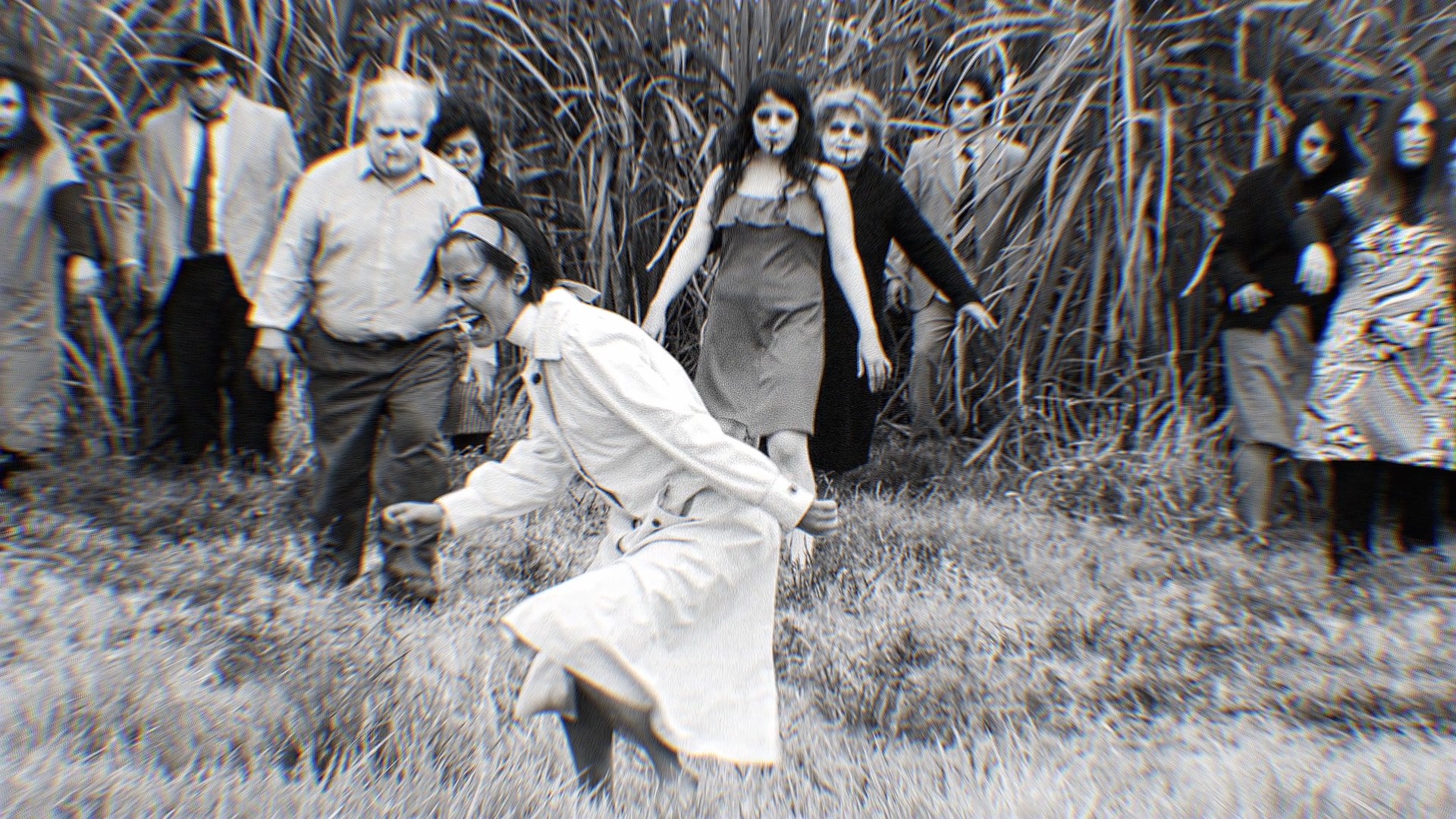
Zombies in the Sugar Cane Field: The Documentary (2019)

risingtideproject.org – Zombies in the Sugar Cane Field: The Documentary (2019) is a fascinating exploration of a forgotten horror film from 1965. Directed by Pablo Schembri, this documentary delves into the mysterious circumstances surrounding the creation, disappearance, and eventual rediscovery of Zombies in the Sugar Cane Field, a film that predates George A. Romero’s iconic Night of the Living Dead.

A Precursor to the Modern Zombie Genre

The 1965 film, directed by Ofelio Linares Montt, was a low-budget horror film set in the sugar cane fields of Tucumán, Argentina. The film, though crude by modern standards, was groundbreaking in its depiction of a zombie apocalypse, predating Romero’s work by several years.

Zombies in the Sugar Cane Field (1965) was a product of its time, reflecting the social and political turmoil of Argentina in the 1960s. The film’s zombie hordes can be seen as a metaphor for the oppressive regime of Juan Carlos Onganía, who seized power in 1966. The film’s allegorical nature, combined with its horror elements, made it a controversial and subversive work.

A Mysterious Disappearance

Despite its potential impact, Zombies in the Sugar Cane Field (1965) was lost to history. The film was never officially released, and its prints disappeared without a trace. For decades, it remained a mere rumor, a ghost story among film buffs and horror enthusiasts.

A Cinematic Detective Story

Zombies in the Sugar Cane Field: The Documentary follows the journey of filmmaker Pablo Schembri as he attempts to uncover the truth behind the lost film. The documentary weaves together interviews with film critics, historians, and survivors of the Onganía regime, offering a fascinating glimpse into the film’s production and its subsequent disappearance.

Through archival footage, rare photographs, and firsthand accounts, the documentary brings to life the world of 1960s Argentine cinema. It explores the political and cultural context in which the film was made, shedding light on the censorship and repression that characterized the era.

A Haunting Legacy

Zombies in the Sugar Cane Field: The Documentary is more than just a film about a lost movie; it’s a meditation on the power of cinema to transcend time and space. The documentary highlights the enduring appeal of horror, a genre that taps into our deepest fears and anxieties.
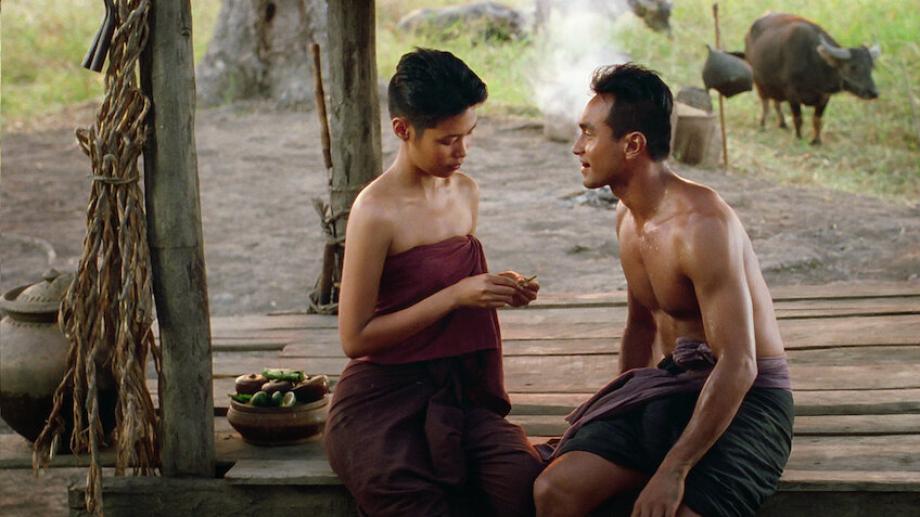
Nang Nak (1999): A Haunting Tale of Love and Loss

risingtideproject.org – “Nang Nak,” directed by Nonzee Nimibutr and released in 1999, is a poignant Thai horror film that weaves a tale of enduring love and tragic loss. Rooted in Thai folklore, the film revisits the legendary story of Mae Nak, a ghostly figure whose love for her husband transcends the boundaries between life and death. “Nang Nak” stands out for its emotional depth, atmospheric storytelling, and its exploration of themes that resonate deeply within Thai culture.

Plot Summary

Set in the 19th century, “Nang Nak” follows the story of Mak, a young man who returns home from war to his beloved wife, Nak, in a serene village along the river. Unbeknownst to Mak, Nak and their child died during childbirth while he was away. Despite this, Nak’s spirit remains, longing to be with her husband. As the village becomes aware of Nak’s supernatural presence, tensions rise, leading to an inevitable confrontation between the living and the spirit world. The film unfolds with a mix of suspense, romance, and tragedy, capturing the enduring bond between Mak and Nak.

Themes and Analysis

“Nang Nak” explores themes of love, loss, and the supernatural, blending horror with a deeply emotional narrative. The film delves into the power of love that transcends death, highlighting the pain of separation and the longing for reunion. It also touches on the cultural beliefs surrounding spirits and the afterlife in Thai society. Through the lens of folklore, “Nang Nak” examines the intersection of tradition, superstition, and the human heart.

Direction and Cinematography

Nonzee Nimibutr’s direction is both sensitive and evocative, creating an atmosphere that is haunting yet beautiful. The film’s cinematography captures the lush, rural landscape of Thailand, using natural light and shadow to enhance the eerie yet poignant mood. The visual storytelling is complemented by a haunting musical score that amplifies the film’s emotional and suspenseful moments.

Performances

The performances in “Nang Nak” are compelling and heartfelt. Intira Jaroenpura, in the role of Nak, delivers a performance that is both haunting and tender, capturing the complexity of a spirit torn between love and sorrow. Winai Kraibutr portrays Mak with a nuanced blend of devotion and vulnerability, making their on-screen chemistry both believable and moving. The supporting cast adds depth to the village community, enriching the film’s exploration of collective fear and empathy.

Conclusion

“Nang Nak” is a masterfully crafted film that transcends the horror genre with its emotional storytelling and cultural resonance. It offers a unique blend of romance and supernatural elements, inviting viewers to reflect on themes of love, loss, and the enduring bonds that connect us. For those interested in folklore-based narratives and atmospheric cinema, “Nang Nak” provides a captivating and emotionally charged experience that lingers long after the credits roll.