
Coming Home: A Powerful Exploration of War and Its Aftermath

risingtideproject.org – Coming Home (1978) is a poignant and powerful drama that explores the devastating impact of the Vietnam War on soldiers and their families. Directed by Hal Ashby, the film stars Jane Fonda as Sally Hyde, a woman whose life is forever changed by her husband’s experiences in the war.

Fonda’s Oscar-Winning Performance

Jane Fonda delivers a tour-de-force performance as Sally Hyde, a compassionate and empathetic woman who becomes a voice for the anti-war movement. Fonda’s portrayal of Sally’s emotional journey, from a naive and sheltered housewife to a passionate activist, is both heartbreaking and inspiring. Her performance earned her an Academy Award for Best Actress.

A Bold and Controversial Film

Coming Home was a bold and controversial film upon its release. It challenged the prevailing pro-war sentiment in the United States and offered a critical perspective on the human cost of the Vietnam War. The film’s unflinching portrayal of the physical and psychological trauma experienced by soldiers and their families resonated with audiences and sparked important conversations.

A Timeless Exploration of Love and Loss

Beyond its political themes, Coming Home is a powerful exploration of love, loss, and the human spirit. The film’s focus on the emotional impact of war is universal and timeless. Fonda’s performance, along with the strong supporting performances of Jon Voight and Bruce Dern, elevates the film to a level of emotional intensity that is both heartbreaking and inspiring.

A Must-Watch for Fonda Fans

For fans of Jane Fonda, Coming Home is a must-watch. It showcases her incredible talent as an actress and her commitment to social justice. The film’s powerful message, combined with Fonda’s iconic performance, make it a timeless classic.

Conclusion

Coming Home is a powerful and poignant film that continues to resonate with audiences today. Jane Fonda’s performance as Sally Hyde is a tour-de-force, and her portrayal of a complex and compassionate character has solidified her legacy as one of Hollywood’s greatest actresses. The film’s exploration of the human cost of war and its unflinching honesty make it a powerful and unforgettable cinematic experience.
911: The Aftermath and Recovery

risingtideproject.org – The events of September 11, 2001, marked a turning point in global history, leaving an indelible scar on the American psyche and reshaping the world’s approach to security and terrorism. The immediate aftermath of the attacks was characterized by a sense of disbelief, sorrow, and a collective resolve to rebuild and recover. This article delves into the multifaceted aspects of the aftermath and recovery process following the 9/11 terrorist attack.

The Initial Response

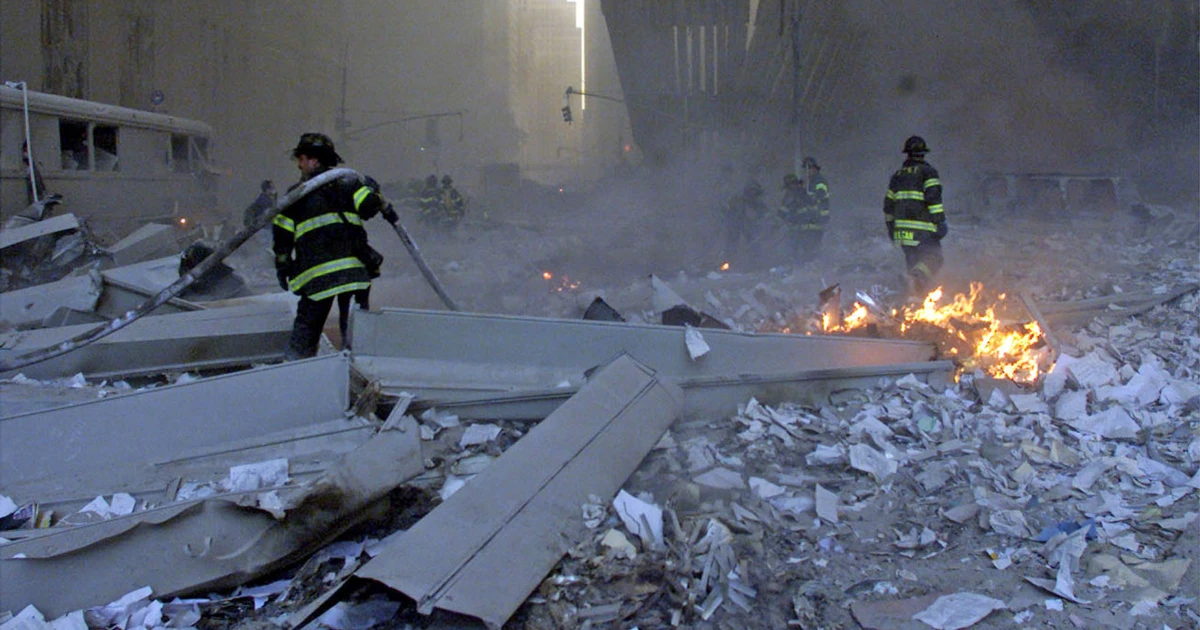
In the hours and days following the attacks, the world witnessed an unprecedented display of heroism and resilience. First responders, including firefighters, police officers, and medical personnel, rushed to the scenes of the attacks, risking their lives to save others. The bravery of these individuals became a symbol of the nation’s strength in the face of adversity.

The Human Toll

The human cost of the attacks was staggering, with nearly 3,000 people losing their lives. The loss was not only felt by the families of the victims but also by the entire nation. The outpouring of support and solidarity was a testament to the collective grief and determination to honor the memory of those who perished.

The Cleanup and Recovery Efforts

The cleanup and recovery efforts at the World Trade Center site were monumental. The debris from the collapsed towers had to be carefully sifted through in search of human remains and personal effects. This process was both physically and emotionally taxing for the workers involved.

The Rebuilding Process

The rebuilding process was not just about constructing new buildings; it was about restoring a sense of normalcy and security. The construction of One World Trade Center, also known as the Freedom Tower, became a symbol of resilience and renewal. The surrounding area was transformed into a vibrant district, including the 9/11 Memorial and Museum, which serves as a lasting tribute to the victims and survivors.

The Impact on National Security

The attacks prompted a reevaluation of national security policies and the establishment of the Department of Homeland Security. Air travel security was significantly tightened, and the USA PATRIOT Act was passed, expanding the powers of law enforcement and intelligence agencies to prevent future attacks.

The Long-Term Health Effects

The long-term health effects of the 9/11 attacks have been profound, particularly for those who worked at the Ground Zero site. Many first responders and recovery workers have suffered from respiratory diseases, cancer, and mental health issues. The James Zadroga 9/11 Health and Compensation Act was enacted to provide medical treatment and compensation for those affected.

The Psychological Impact

The psychological impact of the attacks cannot be overstated. The fear of another attack and the constant state of vigilance have influenced American society and its interactions with the rest of the world. The anniversary of 9/11 continues to be a time of reflection, remembrance, and unity.

Conclusion

The aftermath and recovery from the 9/11 attacks have been a complex and ongoing process. It has involved rebuilding not just the physical structures but also the emotional and psychological well-being of those affected. The events of that day have forever changed the landscape of America and the world, but they have also demonstrated the indomitable spirit of resilience and the power of collective healing.