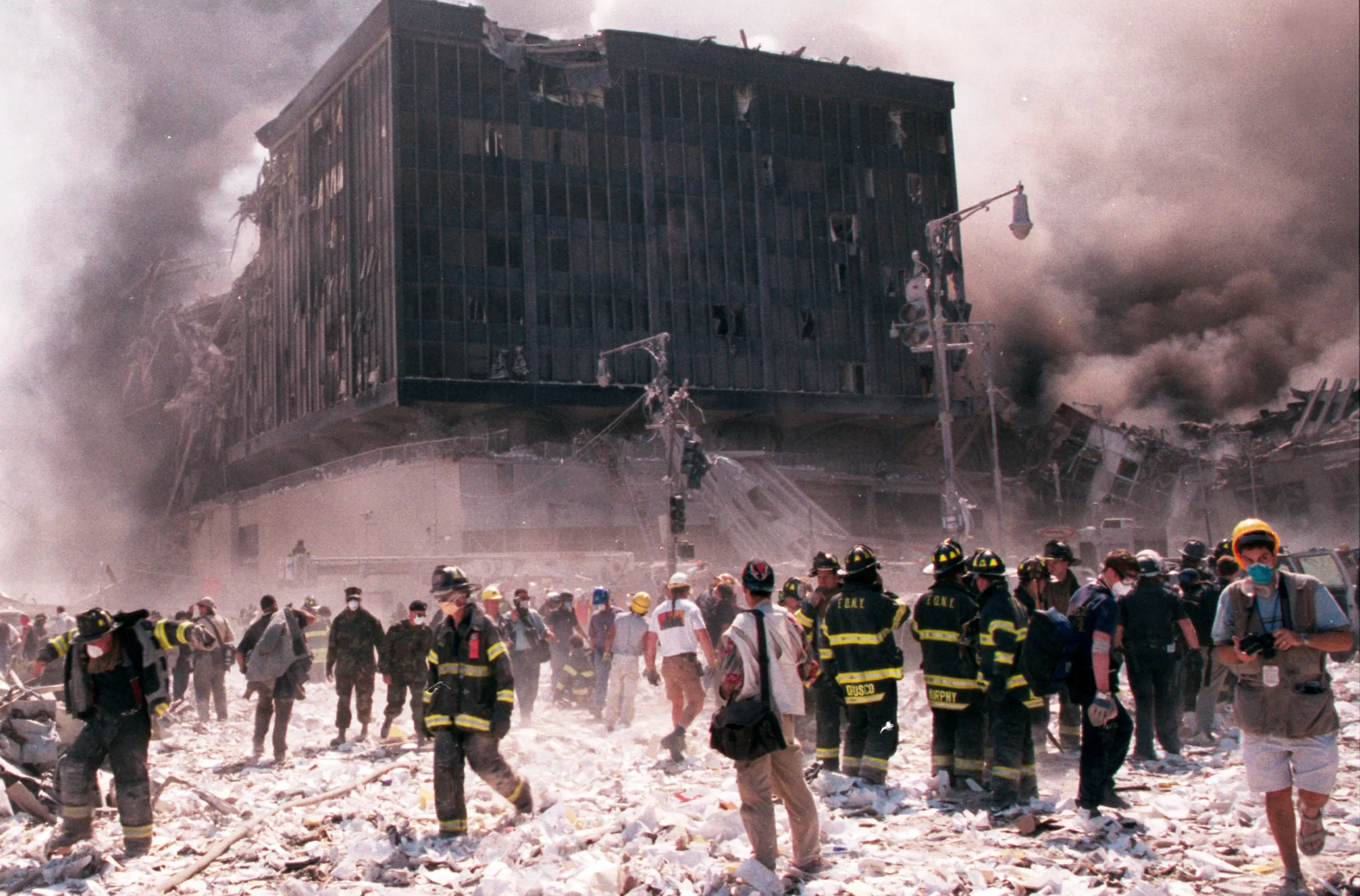
risingtideproject.org – In the aftermath of the September 11, 2001, terrorist attacks, the Central Intelligence Agency (CIA) found itself at the forefront of the United States’ response to the global threat of terrorism. The agency’s role in the War on Terror has been multifaceted, encompassing intelligence gathering, covert operations, and the use of controversial tactics. This article examines the strategies employed by the CIA in the War on Terror and the controversies that have arisen from its actions.
The CIA’s Shift Toward Counterterrorism
Following the 9/11 attacks, the CIA underwent a significant transformation, with a substantial portion of its resources and focus shifted toward counterterrorism efforts. The agency’s primary objective became the identification, tracking, and neutralization of terrorist threats, particularly those posed by al-Qaeda and other affiliated groups.
Intelligence Gathering and Analysis
The CIA’s first line of defense in the War on Terror has been its intelligence gathering and analysis capabilities. The agency has utilized a variety of methods, including human intelligence (HUMINT), signals intelligence (SIGINT), and satellite imagery, to collect information on terrorist activities and plans. The analysis of this intelligence has been crucial in preventing numerous terrorist attacks and in guiding military and law enforcement operations.
Covert Operations and Special Courts
The CIA has conducted numerous covert operations as part of the War on Terror, often with the authorization of the President and in coordination with other U.S. agencies. These operations have included the capture or killing of high-value targets, the disruption of terrorist financing, and the support of foreign governments in their counterterrorism efforts. The use of special courts, such as the Foreign Intelligence Surveillance Court (FISC), has also been a contentious aspect of the CIA’s counterterrorism strategy, raising concerns about privacy and civil liberties.
Rendition, Detention, and Interrogation
One of the most controversial aspects of the CIA’s involvement in the War on Terror has been its program of extraordinary rendition, detention, and interrogation. The agency has been accused of detaining terrorist suspects in secret prisons, known as black sites, and subjecting them to harsh interrogation techniques, including waterboarding. These practices have sparked international outrage and have led to allegations of torture and human rights abuses.
Drone Strikes and Targeted Killings
The CIA has also been involved in the use of unmanned aerial vehicles (UAVs), commonly known as drones, to carry out targeted killings of terrorist suspects. While drone strikes have been credited with taking out key al-Qaeda and Taliban leaders, they have also been criticized for causing civilian casualties and for the legal and ethical implications of conducting such operations without due process.
The Snowden Revelations and Public Scrutiny
The disclosures by former NSA contractor Edward Snowden in 2013 brought additional scrutiny to the CIA’s activities in the War on Terror. The revelations about widespread surveillance programs and the sharing of intelligence with foreign governments raised concerns about privacy, government overreach, and the balance between security and civil liberties.
Conclusion
The CIA’s role in the War on Terror has been both pivotal and controversial. While the agency’s efforts have contributed to significant successes in disrupting terrorist plots and degrading terrorist organizations, they have also led to ethical and legal dilemmas. The balance between effective counterterrorism measures and the protection of democratic values remains a challenging issue for policymakers, intelligence officials, and the public alike. As the nature of the terrorist threat continues to evolve, the strategies and tactics employed by the CIA will undoubtedly continue to be a subject of intense debate and scrutiny.
