The Elegant Penélope Cruz – Personal Life and Philanthropy

risingtideproject.org – Penélope Cruz is a name that exudes elegance, talent, and a unique flair that has captivated global audiences. Known for her versatility and magnetic screen presence, Cruz has become one of the most celebrated actresses in both Spanish and international cinema. Her journey from Madrid to Hollywood stardom is marked by a series of iconic roles and accolades that underscore her exceptional talent.

Early Life and Career Beginnings

Born on April 28, 1974, in Alcobendas, Madrid, Penélope Cruz was drawn to the arts from an early age. Initially trained in ballet, she later shifted her focus to acting. Her breakthrough in Spanish cinema came with films like “Jamón Jamón” (1992) and “Belle Époque” (1992), which showcased her natural talent and opened doors to further opportunities.

Breakthrough and International Success

Cruz’s collaboration with acclaimed director Pedro Almodóvar played a pivotal role in her career. Films like “All About My Mother” (1999) and “Volver” (2006) highlighted her ability to convey deep emotions and complex characters. “Volver” earned her a Best Actress award at the Cannes Film Festival and an Academy Award nomination, solidifying her status as a leading actress.

Her transition to Hollywood was marked by roles in films such as “Vanilla Sky” (2001), “Blow” (2001), and “Captain Corelli’s Mandolin” (2001). Cruz’s ability to seamlessly adapt to diverse roles and genres helped her establish a successful career in the international film industry.

Academy Award and Continued Acclaim

In 2008, Penélope Cruz won the Academy Award for Best Supporting Actress for her role in Woody Allen’s “Vicky Cristina Barcelona.” Her portrayal of the fiery and passionate María Elena was both captivating and memorable, earning her widespread acclaim.

Cruz continued to deliver remarkable performances in films like “Nine” (2009), “Pirates of the Caribbean: On Stranger Tides” (2011), and “Parallel Mothers” (2021). Her role in “Parallel Mothers,” another collaboration with Almodóvar, earned her rave reviews and further showcased her ability to portray complex emotional landscapes.

Personal Life and Philanthropy

Beyond her acting career, Penélope Cruz is known for her philanthropy and activism. She is involved in various charitable causes, including efforts to support children’s healthcare and education. Her dedication to making a positive impact off-screen reflects her compassionate nature and commitment to giving back to society.

Cruz is also admired for her impeccable style and elegance, often gracing red carpets with a timeless and sophisticated fashion sense that has made her a fashion icon.

Conclusion

Penélope Cruz’s journey from a young actress in Spain to an internationally acclaimed star is a testament to her talent, dedication, and elegance. Her ability to bring authenticity and depth to every role has earned her a place among the most respected actresses in the world. As she continues to explore new roles and creative endeavors, audiences eagerly anticipate the next chapter in the illustrious career of Penélope Cruz.

Threads of Existence: Weaving the Fabric of Life

risingtideproject.org – “Threads of Existence” is a concept that captures the intricate web of connections that shape our lives and the universe. It suggests that all elements of life are interwoven, forming a complex tapestry where each thread plays a vital role in the overall pattern. In this article, we explore the philosophical, scientific, and cultural dimensions of these connections and their implications for our understanding of existence.

Philosophical Perspectives on Interconnectedness

Philosophers and thinkers throughout history have contemplated the interconnected nature of existence. Concepts such as the “web of life” or “interbeing” emphasize that individual entities do not exist in isolation but are part of a larger whole. This perspective encourages a holistic view of the world, where understanding and harmony arise from recognizing and respecting these connections.

Scientific Insights into the Interwoven Universe

In science, the interconnectedness of existence is evident in ecosystems, where the survival of species depends on complex interactions within their environment. Similarly, in physics, the laws governing the universe reveal a delicate balance of forces that maintain order and stability. These scientific insights underscore the idea that every aspect of existence is linked, contributing to a dynamic and evolving cosmos.

Cultural Expressions of Interconnectedness

Cultural narratives and myths often reflect the theme of interconnectedness, depicting the world as a cohesive tapestry woven from individual stories and experiences. In literature, metaphors of weaving and threads are used to illustrate how personal and collective destinies are intertwined. In art, intricate patterns and designs symbolize the unity and diversity of existence.

Implications for Personal and Global Awareness

Recognizing the “Threads of Existence” encourages a deeper awareness of our place within the larger fabric of life. It inspires a sense of responsibility and stewardship, urging us to consider the impact of our actions on others and the environment. This understanding fosters empathy, cooperation, and a commitment to nurturing the connections that sustain life.

Conclusion

“Threads of Existence” invites us to appreciate the intricate and beautiful tapestry of life. By acknowledging the interdependence of all things, we can cultivate a sense of belonging and purpose within the universe. This exploration challenges us to weave our own threads thoughtfully and intentionally, contributing to the harmony and resilience of the greater whole.

Protecting Marine Life: The Ocean’s Nursery

risingtideproject.org – The ocean’s nursery areas, also known as marine protected areas (MPAs), are vital sanctuaries for marine life. These regions are essential for the survival and reproduction of a wide range of species, from tiny plankton to majestic whales. MPAs serve as breeding grounds, feeding sites, and habitats for juvenile marine organisms, providing them with the safety and resources needed to grow and thrive.

The Threats to Marine Nurseries

Despite their importance, marine nurseries face numerous threats. Overfishing, pollution, climate change, and habitat destruction are among the most significant challenges. Overfishing depletes populations and disrupts the balance of marine ecosystems, while pollution can poison marine life and destroy habitats. Climate change leads to rising sea temperatures and ocean acidification, which can harm coral reefs and other marine habitats. Habitat destruction, such as the dredging of seagrass beds, eliminates critical shelter and food sources for young marine organisms.

Conservation Efforts to Protect Marine Nurseries

Protecting marine nurseries requires concerted conservation efforts. Governments, NGOs, and communities are working together to establish and enforce regulations that limit human impact on these areas. Measures include creating no-take zones where fishing is prohibited, reducing pollution through better waste management and industrial practices, and implementing sustainable fishing practices that minimize bycatch and habitat damage.

The Benefits of Protecting Marine Nurseries

Protecting marine nurseries is not only crucial for the survival of marine species but also for human populations that rely on seafood for sustenance and livelihoods. Healthy marine ecosystems provide numerous benefits, including food security, economic stability, and recreational opportunities. By safeguarding these areas, we ensure the long-term health of our oceans and the well-being of countless species, including our own.

The Role of Public Awareness and Participation

Public awareness and participation are key to the success of conservation efforts. Education about the importance of marine nurseries and the threats they face can inspire individuals to take action. This might include supporting sustainable seafood, reducing plastic use, participating in beach cleanups, or advocating for stronger environmental policies. By engaging the public, we can build a global movement dedicated to protecting the ocean’s nursery and ensuring a vibrant future for marine life.

The Variety of Life on Earth: Biodiversity

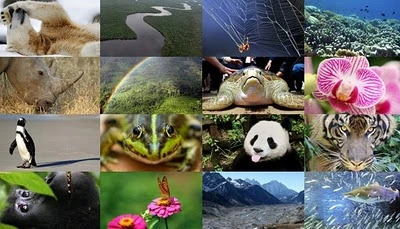
risingtideproject.org – Biodiversity, short for biological diversity, is the term used to describe the vast variety of life on Earth and the various ecosystems in which they exist. It encompasses the genetic variation within species, the diversity of species, and the diversity of ecosystems. Biodiversity is not just about the number of species on the planet, but also about the difference between them and the way they interact with each other and their environment.

The Importance of Biodiversity

Biodiversity is crucial for the health of the planet. It provides us with essential goods and services, such as food, medicine, and clean water. It also plays a vital role in pollination, which is essential for the growth of many plants, including those we rely on for food. Moreover, biodiversity contributes to the regulation of climate and disease, and it offers us aesthetic, cultural, and recreational benefits.

Threats to Biodiversity

Despite its importance, biodiversity is under threat from a variety of human activities. Habitat destruction, pollution, climate change, invasive species, and overexploitation are the main drivers of biodiversity loss. These factors can lead to the extinction of species, the degradation of ecosystems, and a loss of genetic diversity within species.

Conservation Efforts

Conservation efforts are crucial to protect biodiversity. These efforts include the establishment of protected areas, such as national parks and wildlife reserves, where species and ecosystems are safeguarded from harmful activities. Conservation also involves sustainable use of natural resources, restoration of degraded habitats, and the implementation of policies that promote biodiversity conservation.

The Role of Individuals

Individuals can also play a significant role in biodiversity conservation. By supporting conservation efforts, reducing consumption, recycling, and making environmentally friendly choices, each person can contribute to the preservation of biodiversity. Education and awareness are key to understanding the importance of biodiversity and the actions needed to protect it.

Conclusion

Biodiversity is a precious asset that we must protect for the health of our planet and the well-being of future generations. It is a testament to the resilience and adaptability of life on Earth. By working together, we can ensure that the variety of life on our planet continues to thrive for generations to come.

Life in Dangerous Countries: The Frontlines of Fear

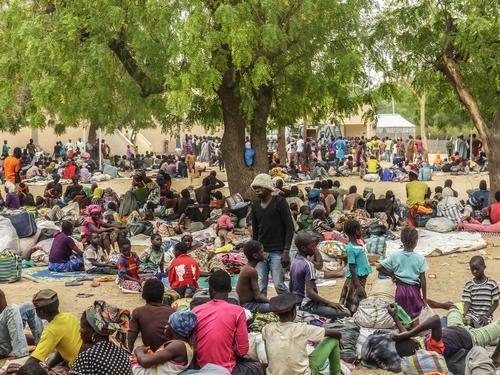
risingtideproject.org – In a world where safety and security are often taken for granted, there are places where life is a constant battle against fear and danger. These are the frontlines of fear, countries where the specter of violence, conflict, and instability looms large, casting a shadow over the daily lives of their inhabitants. This article delves into the harsh realities faced by people living in some of the most dangerous countries, exploring the psychological and physical toll such environments take on individuals and communities.

The Psychological Burden

Living in a dangerous country often means living with a constant sense of unease. The psychological impact of such an environment can be profound, leading to widespread anxiety, depression, and post-traumatic stress disorder (PTSD). For children, the effects can be particularly damaging, shaping their development and influencing their perception of the world from a young age. In these settings, the simple act of going to school or playing outside becomes fraught with risk, robbing young minds of their innocence and carefree nature.

The Physical Threats

The dangers faced in these countries are not just psychological; they are very real and physical. Violence can erupt without warning, whether it be from criminal activity, terrorism, or armed conflict. Civilians often find themselves caught in the crossfire, with little protection from the bullets and bombs that shatter their communities. The threat of physical harm is ever-present, leading to a hypervigilant state where every sound and movement is scrutinized for potential danger.

The Struggle for Basic Needs

In dangerous countries, the pursuit of basic needs becomes a perilous journey. Access to clean water, food, and healthcare is often compromised by the prevailing conditions. Markets and hospitals can become targets, while supply chains are disrupted, leaving people to fend for themselves in a hostile environment. The struggle for survival becomes a daily grind, with individuals and families going to extreme lengths to secure the essentials of life.

The Resilience of the Human Spirit

Despite the overwhelming challenges, the human spirit shines through in these dangerous countries. Communities come together to support one another, forming bonds that are forged in the fires of adversity. Acts of kindness and solidarity provide beacons of hope in the darkness, reminding us of the resilience and strength of the human spirit. People continue to dream, to love, and to fight for a better future, even when the odds seem insurmountably stacked against them.

The Call for Global Awareness and Action

The frontlines of fear are a stark reminder of the disparities that exist in our world. While some enjoy peace and prosperity, others are trapped in a cycle of violence and despair. It is a call to action for the global community to not turn a blind eye to these realities. Through awareness, advocacy, and support, we can help alleviate the suffering of those living in dangerous countries. International cooperation and assistance can play a crucial role in restoring peace, providing humanitarian aid, and fostering conditions where fear is no longer the dominant force in people’s lives.

In conclusion, life in dangerous countries is a testament to the human capacity to endure and persevere in the face of unimaginable challenges. While the frontlines of fear may seem distant to some, they are a harsh reality for millions around the globe. It is our collective responsibility to stand in solidarity with those who live in these environments, to amplify their voices, and to work towards a world where safety and security are not luxuries but rights afforded to all.

Navigating Life’s Challenges with Purpose: Men at the Crossroads

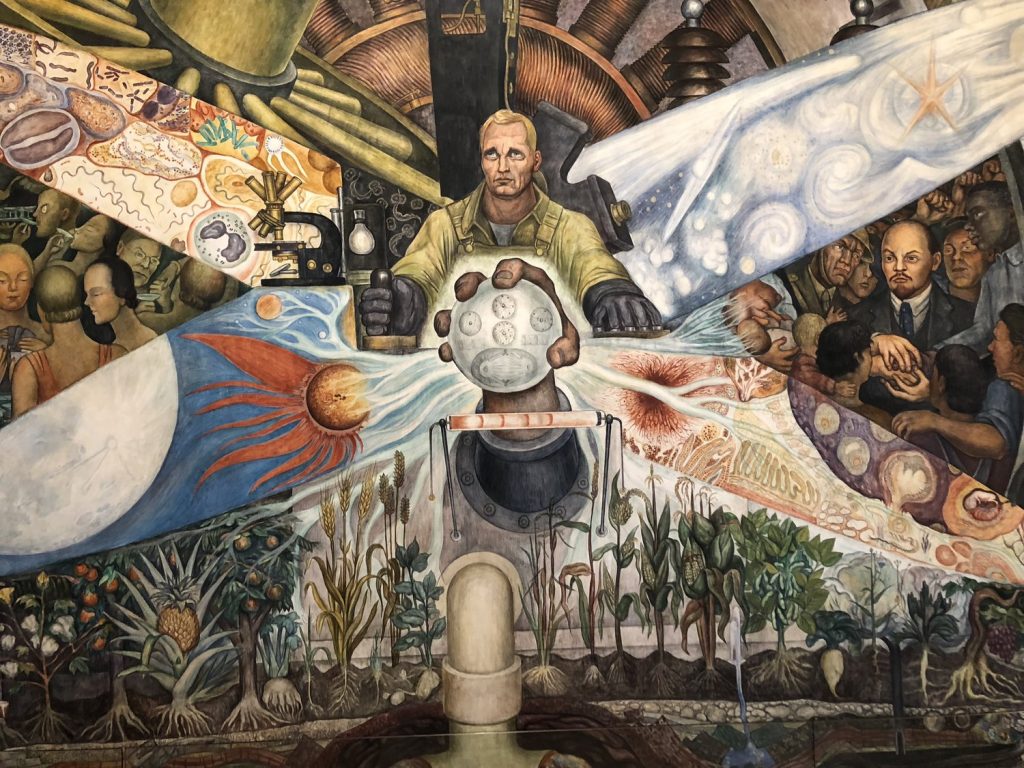
In the labyrinth of life, men often find themselves at critical junctures, facing challenges that demand not just resilience but a profound sense of purpose. These crossroads, whether they manifest as career transitions, personal crises, or existential dilemmas, are pivotal moments that can either derail or propel one towards a more fulfilling existence. Navigating these challenges with purpose is not merely about overcoming obstacles; it’s about transforming them into opportunities for growth and self-discovery.

Understanding the Crossroads

The crossroads metaphorically represent those moments of indecision, doubt, and introspection. For many men, these moments can be daunting, as societal expectations often pressure them to exhibit strength and certainty. However, acknowledging vulnerability and seeking direction is not a sign of weakness but a testament to one’s courage and readiness to confront life’s complexities.

The Role of Purpose

Purpose acts as the compass in the journey of life. It is the driving force that gives meaning to our actions and decisions. For men navigating life’s challenges, finding or reaffirming their purpose is crucial. This purpose can be multifaceted, encompassing career aspirations, personal growth, family commitments, or contributions to the community. It serves as a beacon, guiding men through the fog of uncertainty and providing a sense of direction and motivation.

Strategies for Navigating Challenges

  1. Self-Reflection: Engaging in self-reflection is the first step towards understanding one’s purpose. This involves introspective practices such as journaling, meditation, or simply taking time out for quiet contemplation. By reflecting on past experiences, values, and aspirations, men can gain insights into what truly matters to them.
  2. Seeking Support: No man is an island, and acknowledging the need for support is a sign of strength. This support can come from various sources, including friends, family, mentors, or professional counselors. Sharing challenges and seeking advice can provide new perspectives and solutions.
  3. Embracing Change: Life’s challenges often come with the need for change. Embracing change rather than resisting it opens up new possibilities and opportunities for growth. This might involve stepping out of one’s comfort zone, learning new skills, or adopting new attitudes.
  4. Setting Goals: With a clear sense of purpose, setting achievable goals becomes a strategic approach to navigating challenges. These goals should be specific, measurable, attainable, relevant, and time-bound (SMART). They provide a roadmap for action and a sense of progress.
  5. Maintaining Resilience: Resilience is the ability to bounce back from setbacks. It involves maintaining a positive outlook, learning from failures, and persisting in the face of adversity. Cultivating resilience is essential for men to navigate life’s challenges with grace and determination.

Conclusion

Men at the crossroads of life’s challenges are not lost; they are on the threshold of discovery. By embracing these moments with purpose, they can transform challenges into catalysts for personal and professional growth. It’s about finding the strength within, seeking support without, and moving forward with a clear sense of direction and determination. In doing so, men not only navigate their way through life’s complexities but also inspire others to do the same.