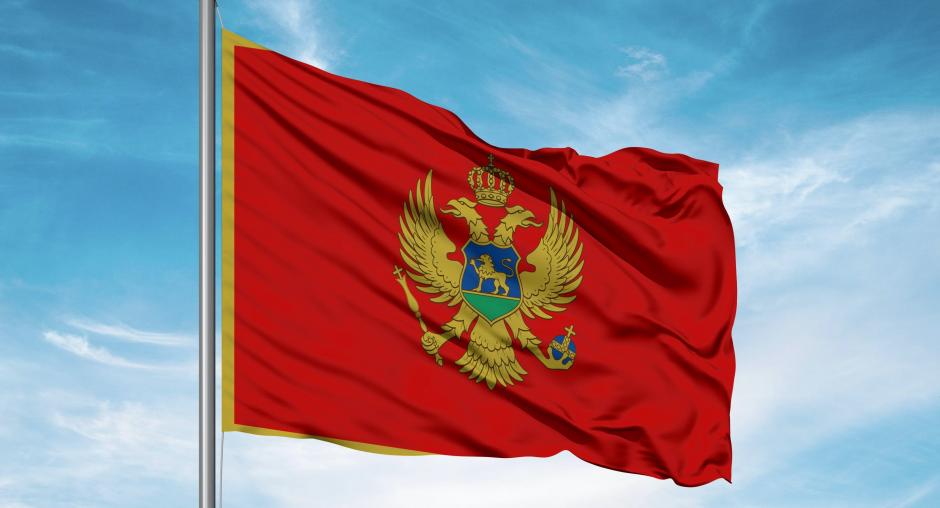
risingtideproject.org – Montenegro’s legal system is a critical component of its governance, ensuring law and order within the country. This article provides an analysis of the structure and function of Montenegro’s legal system, highlighting its key institutions, legal frameworks, and the role it plays in upholding justice and protecting rights.
The Structure of Montenegro’s Legal System
Constitution of Montenegro
The foundation of Montenegro’s legal system is its Constitution, which was adopted in 2007. The Constitution outlines the basic principles of the state, the rights and freedoms of its citizens, and the structure of government. It serves as the supreme law of the land, with which all other laws and regulations must comply.
Legislative Framework
Montenegro’s legislative framework consists of a body of laws and regulations that govern various aspects of life within the country. These include civil law, criminal law, commercial law, and administrative law, among others. The laws are enacted by the Parliament of Montenegro, the country’s legislative body.
Judicial System
The judicial system of Montenegro is responsible for interpreting and applying the law. It is structured into several levels, including the Supreme Court, which is the highest judicial authority. Other courts include the High Court, Basic Courts, and specialized courts such as the Administrative Court and the Commercial Court. The judiciary is independent and operates separately from the legislative and executive branches.
Prosecutorial System
The Prosecutorial System in Montenegro is tasked with investigating crimes, prosecuting offenders, and protecting the legal order. The State Prosecutor’s Office is the central body, with regional and local prosecutors’ offices operating throughout the country. Prosecutors work closely with the police and other law enforcement agencies to ensure the effective administration of justice.
The Function of Montenegro’s Legal System
Upholding the Rule of Law
One of the primary functions of Montenegro’s legal system is to uphold the rule of law. This involves ensuring that all individuals and entities within the country, including the government itself, are subject to and abide by the law. The legal system provides a framework for resolving disputes, enforcing contracts, and protecting rights and freedoms.
Protecting Rights and Freedoms
The legal system plays a crucial role in protecting the rights and freedoms of Montenegrin citizens. It guarantees fundamental rights such as freedom of speech, freedom of religion, and the right to a fair trial. The Constitution and various laws provide mechanisms for individuals to seek redress and justice when their rights are violated.
Ensuring Justice and Equity
Montenegro’s legal system is designed to ensure justice and equity in the application of the law. The judiciary, with its independent and impartial judges, is central to this function. Courts are expected to make fair and unbiased decisions based on the facts and the law, thereby promoting trust and confidence in the legal system.
Adapting to International Standards
As a member of the international community, Montenegro’s legal system is also tasked with adapting to international standards and norms. This includes implementing international treaties and conventions to which Montenegro is a party, such as the European Convention on Human Rights. The legal system must evolve to align with these international obligations, ensuring that Montenegro’s laws and practices meet global standards.
Conclusion
Montenegro’s legal system is a complex and multifaceted institution that plays a vital role in maintaining law and order within the country. Its structure, comprising the Constitution, legislative framework, judicial system, and prosecutorial system, is designed to uphold the rule of law, protect rights and freedoms, and ensure justice and equity. As Montenegro continues to develop and integrate into the international community, its legal system will be key to its progress and stability.
