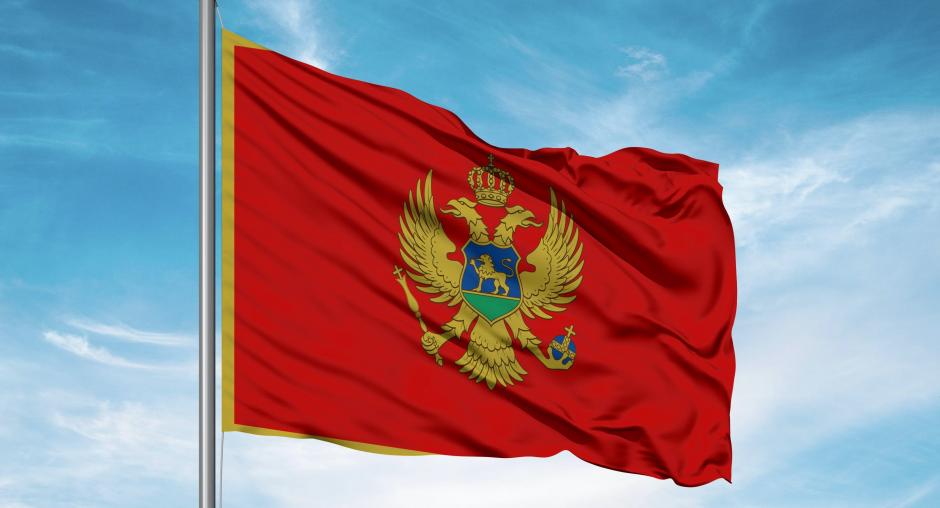
Structure and Function: Montenegro’s Legal System

risingtideproject.org – Montenegro’s legal system is a critical component of its governance, ensuring law and order within the country. This article provides an analysis of the structure and function of Montenegro’s legal system, highlighting its key institutions, legal frameworks, and the role it plays in upholding justice and protecting rights.

The Structure of Montenegro’s Legal System

Constitution of Montenegro

The foundation of Montenegro’s legal system is its Constitution, which was adopted in 2007. The Constitution outlines the basic principles of the state, the rights and freedoms of its citizens, and the structure of government. It serves as the supreme law of the land, with which all other laws and regulations must comply.

Legislative Framework

Montenegro’s legislative framework consists of a body of laws and regulations that govern various aspects of life within the country. These include civil law, criminal law, commercial law, and administrative law, among others. The laws are enacted by the Parliament of Montenegro, the country’s legislative body.

Judicial System

The judicial system of Montenegro is responsible for interpreting and applying the law. It is structured into several levels, including the Supreme Court, which is the highest judicial authority. Other courts include the High Court, Basic Courts, and specialized courts such as the Administrative Court and the Commercial Court. The judiciary is independent and operates separately from the legislative and executive branches.

Prosecutorial System

The Prosecutorial System in Montenegro is tasked with investigating crimes, prosecuting offenders, and protecting the legal order. The State Prosecutor’s Office is the central body, with regional and local prosecutors’ offices operating throughout the country. Prosecutors work closely with the police and other law enforcement agencies to ensure the effective administration of justice.

The Function of Montenegro’s Legal System

Upholding the Rule of Law

One of the primary functions of Montenegro’s legal system is to uphold the rule of law. This involves ensuring that all individuals and entities within the country, including the government itself, are subject to and abide by the law. The legal system provides a framework for resolving disputes, enforcing contracts, and protecting rights and freedoms.

Protecting Rights and Freedoms

The legal system plays a crucial role in protecting the rights and freedoms of Montenegrin citizens. It guarantees fundamental rights such as freedom of speech, freedom of religion, and the right to a fair trial. The Constitution and various laws provide mechanisms for individuals to seek redress and justice when their rights are violated.

Ensuring Justice and Equity

Montenegro’s legal system is designed to ensure justice and equity in the application of the law. The judiciary, with its independent and impartial judges, is central to this function. Courts are expected to make fair and unbiased decisions based on the facts and the law, thereby promoting trust and confidence in the legal system.

Adapting to International Standards

As a member of the international community, Montenegro’s legal system is also tasked with adapting to international standards and norms. This includes implementing international treaties and conventions to which Montenegro is a party, such as the European Convention on Human Rights. The legal system must evolve to align with these international obligations, ensuring that Montenegro’s laws and practices meet global standards.

Conclusion

Montenegro’s legal system is a complex and multifaceted institution that plays a vital role in maintaining law and order within the country. Its structure, comprising the Constitution, legislative framework, judicial system, and prosecutorial system, is designed to uphold the rule of law, protect rights and freedoms, and ensure justice and equity. As Montenegro continues to develop and integrate into the international community, its legal system will be key to its progress and stability.


Judicial Processes and Croatia’s Legal System

risingtideproject.org – Croatia’s legal system is a critical component of its governance structure, ensuring the rule of law, protecting individual rights, and maintaining social order. This article provides an overview of Croatia’s legal framework, its judicial processes, and the institutions that uphold the legal system. It highlights the country’s commitment to justice, transparency, and the protection of human rights.

The Structure of Croatia’s Legal System

Croatia’s legal system is based on civil law, with its roots in the Roman legal tradition. The Constitution of Croatia is the supreme law of the land, setting forth the fundamental principles of the state, the rights and duties of citizens, and the organization of government. Legislation is primarily enacted by the Croatian Parliament, with laws covering a wide range of areas, including criminal law, civil law, commercial law, and administrative law.

Judicial Institutions in Croatia

The judiciary in Croatia is independent and is responsible for interpreting and applying the law. The court system is structured into several tiers, including municipal courts, county courts, and the Supreme Court of the Republic of Croatia. Municipal courts handle minor criminal cases and civil disputes, while county courts deal with more serious criminal cases and complex civil matters. The Supreme Court serves as the highest court in the land, reviewing decisions from lower courts and ensuring uniformity in the application of the law.

The Role of the Constitutional Court

The Constitutional Court of Croatia plays a unique role in the legal system. It is responsible for reviewing the constitutionality of laws, decisions of state bodies, and international agreements. The Court also adjudicates disputes between state bodies and protects the constitutional rights of individuals. The independence and impartiality of the Constitutional Court are crucial for maintaining the balance of power and upholding the Constitution.

Judicial Processes and Procedures

Judicial processes in Croatia are governed by procedural laws, such as the Criminal Procedure Act and the Civil Procedure Act. These laws outline the steps involved in legal proceedings, from the filing of a complaint or indictment to the final judgment. The adversarial system is employed, where the parties to a case present their arguments and evidence before an impartial judge or jury. Judicial decisions are based on the law and the facts of the case, with an emphasis on fairness and due process.

Reforms and Challenges in Croatia’s Legal System

Croatia has undertaken several reforms to modernize its legal system and improve its efficiency. These reforms include the digitization of court proceedings, the introduction of alternative dispute resolution mechanisms, and efforts to combat corruption within the judiciary. Despite these advances, challenges remain, such as the need for further judicial training, the reduction of case backlogs, and the enhancement of public trust in the legal system.

Conclusion

Croatia’s legal system is a testament to the country’s commitment to justice, the rule of law, and the protection of human rights. Through its well-structured judicial institutions, adherence to procedural laws, and ongoing reforms, Croatia strives to ensure that its legal system remains effective, transparent, and accessible to all citizens. The continued evolution of Croatia’s legal framework is essential for maintaining social order, promoting economic development, and upholding the principles of democracy and human rights.

Continuations in the Context of Concurrent & Distributed Systems

risingtideproject.org – In the realm of concurrent and distributed systems, managing the complexity of parallel and distributed computation is a significant challenge. Continuations offer a powerful tool for addressing these challenges by providing a mechanism for managing control flow in a way that is both flexible and expressive. This article explores the role of continuations in concurrent and distributed systems, highlighting their benefits and the challenges they present.

Understanding Continuations

A continuation is an abstract representation of the control state of a program, capturing the rest of the computation that remains to be executed after a point of interest in the program. This concept is particularly useful in concurrent and distributed systems where the execution of multiple tasks or processes must be managed effectively to ensure that the system operates correctly and efficiently.

Benefits of Using Continuations

1. Enhanced Control Flow

Continuations provide a way to capture the state of a program at any given point, allowing for more sophisticated control flow structures. This is particularly useful in concurrent and distributed systems where the execution of multiple tasks or processes must be managed effectively to ensure that the system operates correctly and efficiently.

2. Improved Error Handling

In distributed systems, where operations on different machines are not concurrent with each other, continuations can be used to handle errors and exceptions in a more robust manner. By capturing the state of the program at the point of error, continuations can be used to roll back changes, retry operations, or propagate errors to higher levels for handling.

3. Resource Management

Continuations can help ensure that resources are properly managed and released even in the presence of errors or exceptions. This is particularly important in distributed systems where the failure of a single component can lead to resource leaks or other issues that affect the entire system.

Challenges of Using Continuations

1. Complexity

While continuations offer many benefits, they also introduce complexity. Developers must be careful to manage continuations properly to avoid common pitfalls such as memory leaks and stack overflows. Additionally, the use of continuations can make the code harder to understand and debug, as the control flow can become non-linear and difficult to follow.

2. Performance Impact

The use of continuations can have a performance impact, particularly in systems where the overhead of capturing and managing continuations can be significant. Developers must carefully consider the trade-offs between the benefits of using continuations and the potential performance impact.

Conclusion

Continuations provide a powerful tool for managing control flow in concurrent and distributed systems, offering benefits such as enhanced control flow, improved error handling, and better resource management. However, they also introduce challenges such as complexity and potential performance impact. As software systems continue to evolve, the role of continuations in managing the complexity of concurrent and distributed systems will likely become increasingly important. Developers must carefully consider the trade-offs and choose the right tools and techniques to build robust, efficient, and scalable systems.