Nordsjælland: A Coastal Paradise A Blend of Natural Beauty

risingtideproject.org – Nordsjælland, or North Zealand, is a picturesque region in Denmark, renowned for its stunning coastline, historic castles, and charming coastal towns. This region offers a unique blend of natural beauty, cultural heritage, and modern living.

A Coastal Gem

Nordsjælland’s coastline is a highlight of the region, with its sandy beaches, dramatic cliffs, and picturesque harbors.

  • Helsingør: A historic town famous for Kronborg Castle, the inspiration for Shakespeare’s “Hamlet.”
  • Hornbæk: A popular seaside resort with beautiful beaches and a vibrant summer atmosphere.
  • Tisvildeleje: A bohemian town known for its surfing culture and laid-back lifestyle.

A Tapestry of History

Nordsjælland is steeped in history, with numerous castles, manor houses, and ancient sites.

  • Frederiksborg Castle: A magnificent Renaissance castle surrounded by beautiful gardens.
  • Louisiana Museum of Modern Art: A world-class art museum with stunning views of the Øresund Sound.
  • Karen Blixen Museum: The former home of the renowned Danish author Karen Blixen.

A Modern Lifestyle

Nordsjælland is a popular residential area for affluent Danes, offering a high quality of life with excellent schools, modern amenities, and beautiful natural surroundings.

  • Lyngby-Taarbæk Kommune: A wealthy suburb of Copenhagen, known for its prestigious schools and elegant homes.
  • Rungsted: A charming town with a beautiful harbor, historic buildings, and a vibrant community.

A Culinary Delight

Nordsjælland offers a diverse culinary scene, with a focus on fresh, local ingredients.

  • Smørrebrød: Open-faced sandwiches are a Danish staple, and Nordsjælland offers unique variations with local ingredients.
  • Fiskekasser: Traditional fish shops offer a wide variety of fresh seafood, including herring, cod, and mackerel.
  • Local Breweries: Several breweries in the region produce high-quality craft beers.

Whether you’re seeking a peaceful retreat, an adventure-filled getaway, or a cultural exploration, Nordsjælland offers something for everyone. With its stunning natural beauty, rich history, and modern lifestyle, this region is a hidden gem waiting to be discovered.

Santa Clarita Diet: A Unique Blend of Horror & Comedy

risingtideproject.org – Santa Clarita Diet is an American horror-comedy television series created by Victor Fresco for Netflix. Starring Drew Barrymore and Timothy Olyphant, the show follows the lives of Joel and Sheila Hammond, a married couple living in the suburban town of Santa Clarita, California. The series is known for its unique blend of dark humor and horror elements, making it a standout in the streaming landscape.

The Premise

The show begins with Joel and Sheila Hammond, who are real estate agents living a seemingly ordinary life with their teenage daughter, Abby (Liv Hewson). Their lives take a dramatic turn when Sheila undergoes a mysterious transformation that turns her into a zombie. Despite this change, Sheila retains her personality and memory, leading to a series of comedic and often chaotic situations as the family navigates this new reality.

Main Characters

Sheila Hammond (Drew Barrymore)

Sheila is the heart of the show. Initially a loving wife and mother, her transformation into a zombie adds a layer of complexity to her character. Drew Barrymore’s portrayal brings both humor and pathos to Sheila, making her one of the most memorable characters in the series.

Joel Hammond (Timothy Olyphant)

Joel is Sheila’s husband and the voice of reason in the family. Timothy Olyphant’s performance captures the struggle of maintaining normalcy in the face of extraordinary circumstances. His character’s journey from disbelief to acceptance is a central theme of the show.

Abby Hammond (Liv Hewson)

Abby is the teenage daughter of Joel and Sheila. Liv Hewson’s portrayal adds a fresh perspective to the series, showcasing the challenges of growing up in a family with unconventional dynamics.

Themes and Tone

Santa Clarita Diet explores themes of family, acceptance, and the human condition. The show’s tone is a perfect mix of horror and comedy, with moments of genuine emotion interspersed with laugh-out-loud scenes. The series is known for its ability to balance these elements, creating a unique viewing experience that appeals to a wide audience.

Critical Reception

The first season of Santa Clarita Diet received generally positive reviews from critics. On Rotten Tomatoes, the season has an approval rating of 83%, with many praising the show’s unique premise and the strong performances by Barrymore and Olyphant. The series was renewed for a second season, which continued to explore the Hammonds’ lives and their adaptation to Sheila’s new reality.

Legacy

Santa Clarita Diet stands out as a unique entry in the horror-comedy genre. Its ability to blend dark humor with heartfelt moments has made it a cult favorite. The show’s legacy lies in its innovative approach to storytelling and its memorable characters, which continue to resonate with viewers.

Conclusion

Santa Clarita Diet is a testament to the power of creative storytelling. By combining elements of horror and comedy, the series offers a fresh take on the suburban family drama. Drew Barrymore and Timothy Olyphant’s performances, along with the show’s unique premise, make it a must-watch for fans of both genres.

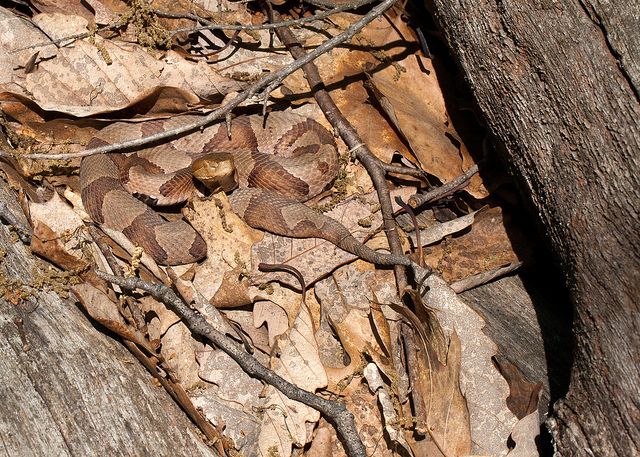
How Snakes Blend into Their Surroundings

In the intricate tapestry of the natural world, survival often hinges on the ability to remain unseen. Among the masters of this art are snakes, a diverse group of reptiles that have honed the skill of camouflage to evade predators and ambush their prey. The art of camouflage in snakes is not just a matter of blending in; it is a complex interplay of coloration, pattern, behavior, and habitat choice that allows these creatures to become virtually invisible in their surroundings.

The Science of Camouflage

Camouflage in snakes is primarily achieved through two mechanisms: cryptic coloration and disruptive patterns. Cryptic coloration involves the snake’s body taking on colors and shades that closely match its environment, making it difficult to distinguish from the background. Disruptive patterns, on the other hand, break up the snake’s outline, making it harder for predators or prey to recognize its shape.

Cryptic Coloration

Snakes that live in deserts, for example, often have a sandy or pale coloration that blends seamlessly with the arid landscape. The Horned Viper (Cerastes cerastes) is a prime example, with its dorsal side mimicking the hues of the sand, allowing it to lie motionless and virtually undetectable to predators and prey alike.

Disruptive Patterns

The patterns on a snake’s skin can also play a crucial role in camouflage. The Eastern Diamondback Rattlesnake (Crotalus adamanteus) has a series of dark diamonds along its back, which not only helps it blend into the sun-dappled forest floors but also breaks up its outline, making it less recognizable as a potential threat or meal.

Behavioral Camouflage

Beyond physical appearance, snakes also employ behavioral strategies to enhance their camouflage. Some species, like the Ribbon Snake (Thamnophis sauritus), will freeze in place when they sense danger, relying on their coloration and pattern to remain undetected. Others, such as the Texas Blind Snake (Rena dulcis), spend most of their lives underground, where their lack of pigmentation and small size make them nearly invisible in the soil.

Habitat Specialization

The effectiveness of a snake’s camouflage is often linked to its specific habitat. Snakes that inhabit dense forests may have a mottled appearance that mimics the dappled light filtering through the canopy. Aquatic snakes, like the Water Moccasin (Agkistrodon piscivorus), have a pattern that helps them blend into the murky waters of their habitat.

Evolutionary Adaptations

The remarkable camouflage abilities of snakes are the result of millions of years of evolution. Natural selection has favored those individuals whose coloration and patterns best match their environment, increasing their chances of survival and reproduction. This process has led to the incredible diversity of camouflage strategies seen in snakes today.

Conclusion

The art of camouflage in snakes is a testament to the power of adaptation and the beauty of evolutionary design. By blending seamlessly into their surroundings, snakes not only ensure their own survival but also play a crucial role in maintaining the balance of their ecosystems. As we continue to study these fascinating creatures, we gain a deeper appreciation for the intricate ways in which life adapts and thrives on our planet.