The Ghost Ship – A Tale of Adventure and Mystery

risingtideproject.org – “Pirates of the Caribbean: The Ghost Ship” is a captivating storybook that delves into the mysterious and thrilling world of the Pirates of the Caribbean franchise. Published by Disney Press, this full-color, illustrated reader is designed to appeal to young readers with its engaging narrative and vibrant visuals. The book tells a new tale set in the high seas, featuring beloved characters from the film series.

The Plot

The story begins with a mysterious, ghostly ship anchoring in the harbor of Port Royal. The town is on edge, and it’s up to Will Turner and Elizabeth Swann to investigate and rid the town of this supernatural threat. As they embark on their quest, they encounter a variety of characters, including the enigmatic Ghost Captain and a group of undead sailors.

Key Characters

  • Will Turner: A skilled swordsman and blacksmith, Will is determined to protect Port Royal from the ghostly threat.
  • Elizabeth Swann: A brave and intelligent young woman, Elizabeth uses her wit and resourcefulness to help Will.
  • Ghost Captain: The malevolent captain of the ghost ship, whose origins and motives remain shrouded in mystery.
  • Old Fisherman and Bald Sailor: Supporting characters who provide crucial information and aid to Will and Elizabeth.

Locations and Vessels

  • Ghost Captain’s Ship: The central vessel of the story, this ghostly ship is a source of fear and intrigue.
  • Will and Elizabeth’s Boat: The vessel used by the protagonists to navigate the treacherous waters.
  • Crashed Vessel: A wrecked ship that holds clues to the ghost ship’s origins.

Themes and Motifs

The storybook explores themes of bravery, friendship, and the supernatural. It delves into the mysteries of the sea, presenting a world where the line between reality and the supernatural is blurred. The narrative is filled with suspense and adventure, making it a thrilling read for young audiences.

Visuals and Design

With its full-color illustrations, “The Ghost Ship” brings the high seas to life, capturing the essence of the Pirates of the Caribbean universe. The detailed artwork complements the text, making the story visually engaging and easy to follow for young readers.

Reception and Impact

The storybook has been well-received by fans of the franchise and young readers alike. Its blend of familiar characters and new, exciting elements has made it a popular choice for those looking to explore the world of Pirates of the Caribbean beyond the films.

Conclusion

“Pirates of the Caribbean: The Ghost Ship” is a delightful addition to the franchise, offering a fresh and exciting adventure for young readers. With its engaging plot, memorable characters, and stunning visuals, it continues the legacy of the Pirates of the Caribbean series, inspiring a new generation of fans to embark on their own nautical adventures.
Uncovering Ocean Secrets: Mysteries of the Marine

risingtideproject.org – The ocean, with its vast expanse and hidden depths, is a realm of mystery that has captivated human curiosity for centuries. Beneath the surface of the world’s oceans lie secrets that have yet to be fully uncovered, from the deepest trenches to the most vibrant coral reefs. This article explores the mysteries of the marine world, delving into the secrets that scientists and explorers are working to uncover.

The Deep Sea: A World of Unknowns

The deep sea, a region that remains largely unexplored, is home to some of the ocean’s most intriguing mysteries. The extreme conditions of high pressure and darkness have led to the evolution of unique and bizarre creatures. The discovery of hydrothermal vents in the 1970s, for example, revealed ecosystems thriving around these underwater hot springs, challenging previous notions of life’s dependence on sunlight.

Coral Reefs: Underwater Cities of Biodiversity

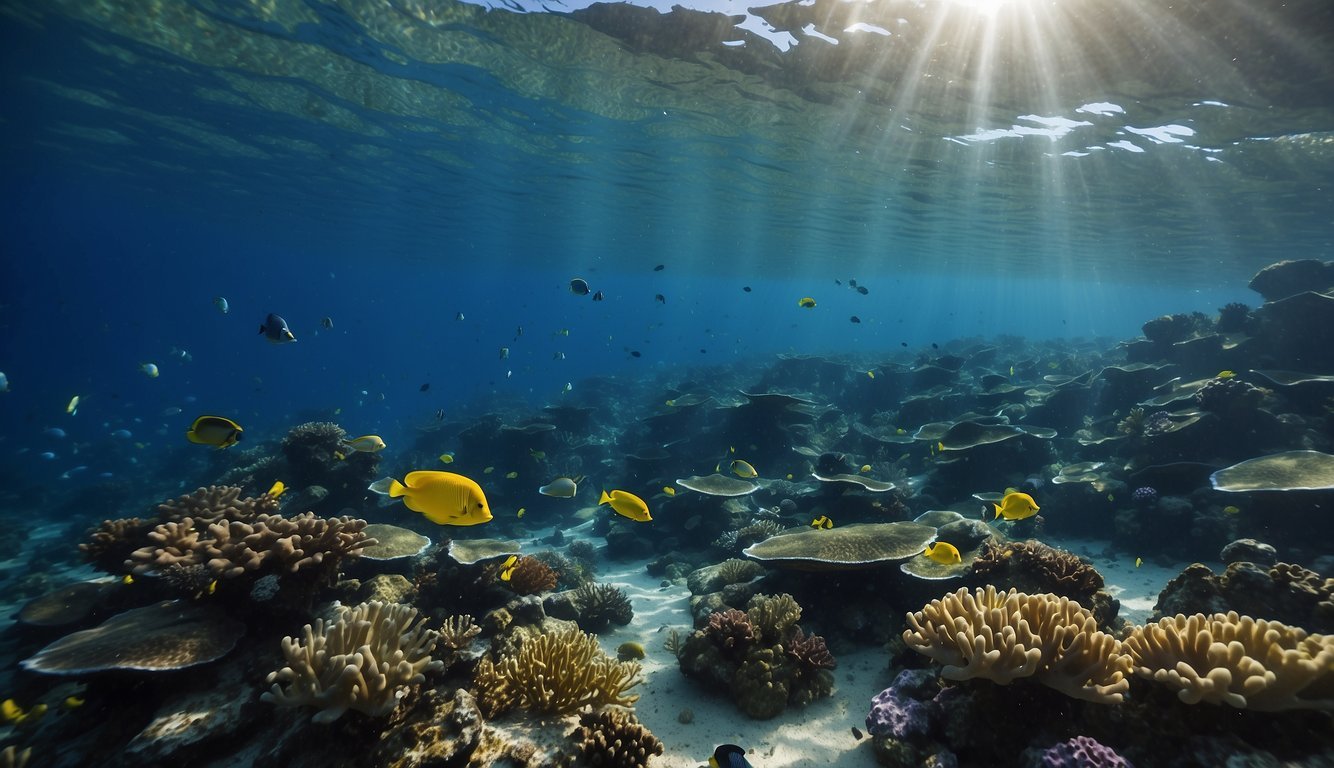
Coral reefs are often referred to as the “rainforests of the sea” due to their high biodiversity and complex structures. These vibrant ecosystems are home to a quarter of all marine species, including fish, invertebrates, and algae. However, coral reefs are also one of the ocean’s most threatened habitats, facing destruction from climate change, ocean acidification, and human activities. Uncovering the secrets of coral reef resilience is crucial for their conservation.

The Mariana Trench: The Deepest Mysteries

The Mariana Trench, located in the western Pacific Ocean, is the deepest part of the world’s oceans, with the Challenger Deep reaching depths of over 11,000 meters. This extreme environment is home to a variety of mysterious creatures that have adapted to the crushing pressure and total darkness. The exploration of the Mariana Trench continues to reveal new species and challenges our understanding of life’s limits.

Bioluminescence: Nature’s Underwater Light Show

Bioluminescence is a natural phenomenon found in the marine realm where organisms produce light through chemical reactions. This form of communication and camouflage is used by a variety of marine species, from jellyfish to squid. The mechanisms and purposes of bioluminescence are still being studied, revealing the ocean’s secrets of light in the darkest depths.

The Lost City: A Hydrothermal Enigma

The Lost City Hydrothermal Field, discovered in 2000, is a unique underwater feature that challenges our understanding of hydrothermal systems. Unlike the black smoker vents, which emit dark, mineral-rich plumes, the Lost City vents release clear, alkaline fluids. This discovery suggests that life may have originated in similar alkaline hydrothermal environments, providing a new perspective on the origins of life on Earth.

Sunken Shipwrecks: Time Capsules of History

The ocean’s depths are also home to countless shipwrecks, each a time capsule of human history. From ancient vessels to modern submarines, these sunken treasures offer insights into maritime trade, naval battles, and the lives of sailors. The exploration of shipwrecks, such as the Titanic, not only reveals historical secrets but also raises important questions about preservation and respect for these underwater gravesites.

The Importance of Ocean Exploration and Conservation

The mysteries of the marine realm remind us of the vastness of our planet and the many secrets that still lie undiscovered. The importance of ocean exploration extends beyond scientific curiosity; it is crucial for understanding our environment, protecting marine life, and ensuring the sustainability of our planet. As we continue to explore the depths, we must also commit to preserving these treasures for future generations.

In conclusion, the ocean’s mysteries are a testament to the incredible diversity and complexity of life beneath the waves. By uncovering these marine secrets, we gain a deeper appreciation for the natural world and the need to protect it. The exploration and conservation of the ocean’s mysteries are not just a scientific endeavor but a responsibility that we owe to our planet and to the generations that will inherit it.

Twin Peaks: A Timeless Mystery That Continues to Captivate

risingtideproject.org – Twin Peaks, created by Mark Frost and David Lynch, first aired in 1990 and quickly became a cultural phenomenon. The series is renowned for its unique blend of genres, seamlessly integrating elements of soap operas, buddy-cop comedies, and dark murder mysteries. This eclectic mix not only turned heads but also poked fun at these genres, creating a viewing experience that was both intriguing and entertaining.

The Impact on Television

The original series had a profound impact on television, setting new standards for storytelling and narrative complexity. Its influence can be seen in the way subsequent shows have approached storytelling, often incorporating elements of mystery, suspense, and a touch of the surreal. The show’s ability to captivate audiences with its intricate plot and memorable characters has made it a benchmark for quality television.

The Return: A Four-Year Journey

After a long hiatus, Twin Peaks returned in 2017 with a new season that continued to push the boundaries of storytelling. The writing process for the return season was a remarkable feat in itself, involving a four-year collaboration between Mark Frost and David Lynch over Skype. This extensive process resulted in a 500-page script that maintained the show’s signature style and depth, ensuring that the return was as impactful as the original series.

Conclusion

Twin Peaks remains a timeless mystery that continues to captivate audiences with its unique blend of genres, complex storytelling, and iconic characters. Whether you are a long-time fan or a newcomer, the series offers a rich and rewarding viewing experience that has left an indelible mark on the world of television.

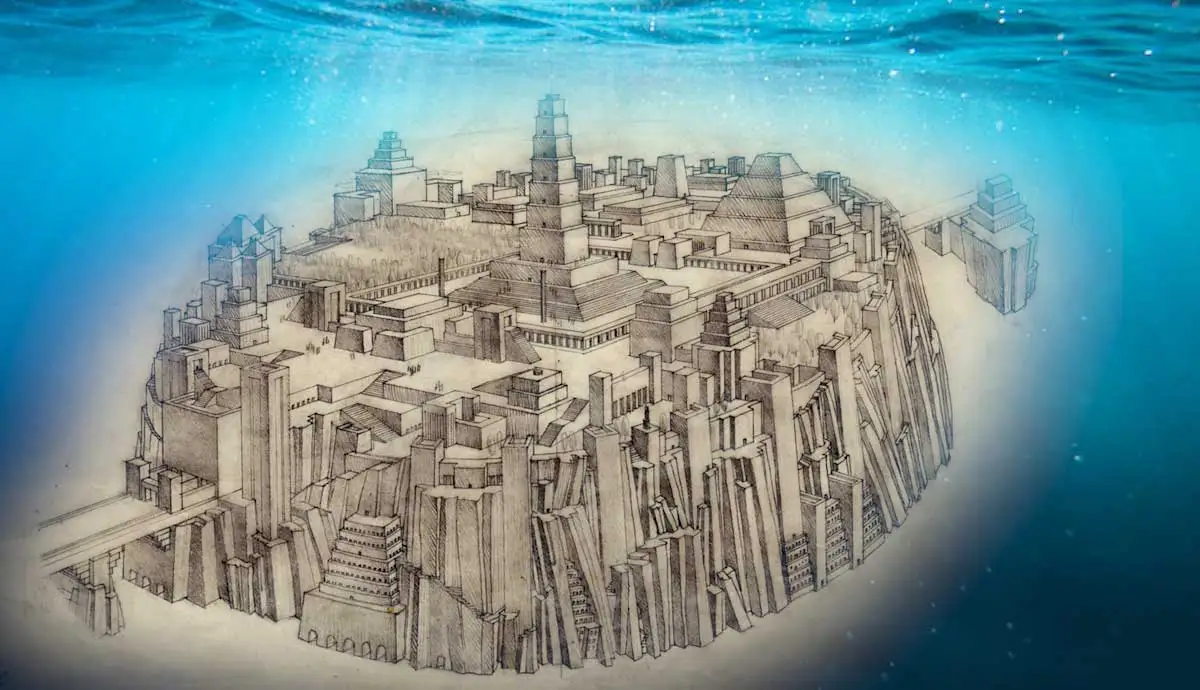
The Mystery of Atlantis: Fact or Fiction?

The legend of Atlantis, a mythical island first described by the ancient Greek philosopher Plato, has captivated the imagination of people for centuries. According to Plato, Atlantis was a powerful and advanced kingdom that existed around 9,000 years before his own time, eventually sinking into the ocean as a result of catastrophic events. Despite its dubious historical basis, the story of Atlantis has inspired countless theories, expeditions, and debates about its possible existence and location.

The Platonic Account:
Plato’s dialogues “Timaeus” and “Critias” are the primary sources of information about Atlantis. In these works, Plato describes Atlantis as a naval power that conquered many parts of Western Europe and Africa 11,000 years before his time. He portrays it as an island with a highly advanced society, rich in resources and ruled by wise and just kings. However, the Atlanteans’ moral decay and hubris led to their downfall, as the gods decided to punish them by sinking the island into the ocean in a single day and night of misfortune.

Historical and Archaeological Perspectives:
Over the years, numerous scholars and adventurers have attempted to locate Atlantis, with proposed sites ranging from the Mediterranean to the Americas. Some have suggested the island of Santorini (Thera) in Greece, which was devastated by a volcanic eruption around 1600 BCE, as a possible inspiration for the Atlantis myth. Others have pointed to the sunken city of Dwarka in India or the Caribbean as potential locations.

Despite these theories, no concrete archaeological evidence has been found to substantiate the existence of Atlantis as described by Plato. Many historians and archaeologists now believe that Atlantis was either a fictional place created by Plato to illustrate his philosophical theories or a highly exaggerated account of a real historical event or place.

Cultural Impact:
Regardless of its historical accuracy, the legend of Atlantis has had a profound impact on culture and literature. It has inspired novels, films, and even conspiracy theories, becoming a symbol of a lost civilization and the potential for human achievement and failure. The story of Atlantis serves as a cautionary tale about the dangers of hubris and the fleeting nature of power and civilization.

Conclusion:
The lost city of Atlantis remains one of the most intriguing and enduring mysteries of the ancient world. Whether it was a real place that sank beneath the waves or a philosophical construct of Plato’s, the legend continues to fascinate and inspire. As technology and archaeological methods advance, the search for Atlantis may continue, but for now, it remains a powerful symbol of the unknown and a testament to the human desire to uncover the secrets of our past.