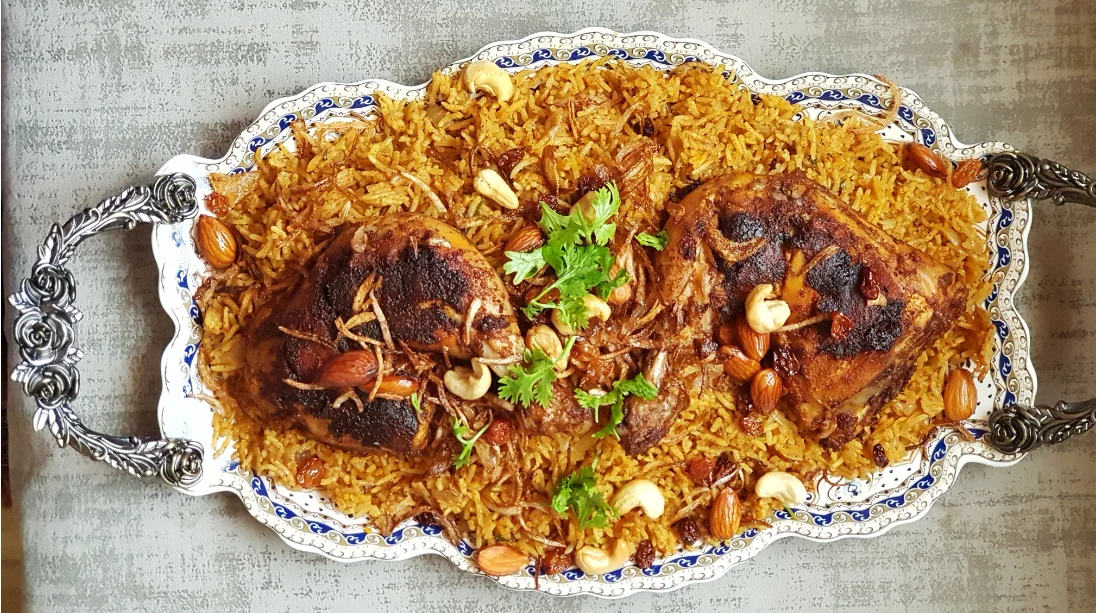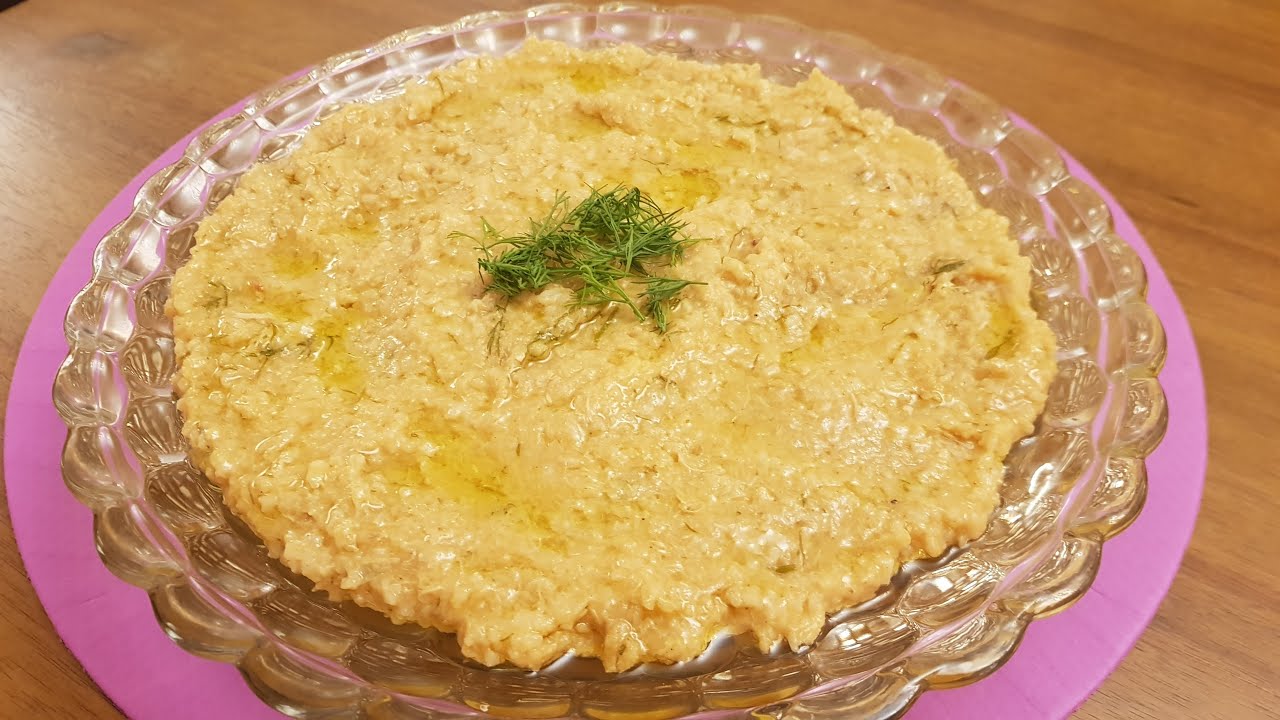
Madrouba Khas Timur Tengah: Nasi Lezat yang Empuk dan Penuh Aroma

Madrouba adalah hidangan tradisional Timur Tengah yang memadukan nasi, daging, dan bumbu rempah, menciptakan hidangan yang empuk, kaya rasa, dan penuh aroma. Hidangan ini terkenal karena teksturnya yang lembut dan kental, serta cita rasa yang kaya akan rempah-rempah khas Arab. Madrouba cocok disajikan sebagai makan siang atau makan malam yang mengenyangkan dan bergizi. Berikut adalah cara membuat Madrouba yang sederhana namun tetap lezat!

Bahan-Bahan:

  • 200 gram beras (beras basmati atau beras biasa)
  • 300 gram daging ayam (dada atau paha, potong kecil)
  • 1 bawang bombay, cincang halus
  • 3 siung bawang putih, cincang halus
  • 2 sendok makan minyak zaitun
  • 1 sendok teh kunyit bubuk
  • 1 sendok teh jintan bubuk
  • 1 sendok teh garam (atau sesuai selera)
  • 1/2 sendok teh lada hitam
  • 1 batang kayu manis (opsional)
  • 1 liter kaldu ayam (atau air)
  • 1 sendok makan yogurt (opsional, untuk kelembutan ekstra)

Cara Membuat:

  1. Tumis Bumbu: Panaskan minyak zaitun dalam panci besar. Tumis bawang bombay dan bawang putih hingga harum dan kecoklatan.
  2. Masak Ayam: Masukkan potongan ayam ke dalam panci, masak hingga ayam berubah warna dan setengah matang.
  3. Tambahkan Rempah: Masukkan kunyit, jintan, garam, lada, dan kayu manis. Aduk rata agar rempah meresap ke dalam ayam.
  4. Masukkan Kaldu: Tuangkan kaldu ayam (atau air) ke dalam panci, didihkan, lalu kecilkan api dan masak selama 10-15 menit hingga ayam matang.
  5. Tambahkan Beras: Setelah ayam matang, tambahkan beras yang sudah dicuci bersih. Aduk rata, dan masak dengan api kecil hingga nasi matang dan kaldu terserap (sekitar 20-25 menit).
  6. Haluskan Nasi: Setelah nasi matang, haluskan campuran nasi, ayam, dan kaldu hingga teksturnya lembut dan kental menggunakan sendok atau blender tangan. Jika ingin lebih lembut, tambahkan yogurt.

Penyajian:

  • Sajikan Madrouba selagi hangat. Anda bisa menambahkan sedikit yogurt atau perasan lemon untuk rasa yang lebih segar dan asam.

Tips:

  • Bergizi: Madrouba adalah hidangan yang kaya akan protein dan karbohidrat, cocok untuk keluarga. Anda juga bisa menambahkan sayuran seperti wortel atau kacang polong untuk lebih bergizi.
  • Tekstur: Jika ingin nasi lebih kental, tambahkan sedikit kaldu atau air setelah nasi matang.

Madrouba khas Timur Tengah ini adalah pilihan sempurna untuk menikmati hidangan yang lezat, bergizi, dan penuh aroma. Nikmati hidangan ini bersama keluarga dan teman-teman!

Resep Manousheh Sederhana: Roti Arab dengan Bumbu Rempah yang Menggugah Selera

risingtideproject.org – Manousheh adalah roti pipih khas Timur Tengah yang memiliki rasa yang kaya dan bumbu rempah yang menggugah selera. Salah satu varian manousheh yang populer adalah dengan topping za’atar, campuran rempah khas Timur Tengah. Dengan tekstur roti yang lembut di dalam dan renyah di luar, manousheh menjadi hidangan sempurna untuk sarapan atau camilan. Berikut adalah resep manousheh sederhana dengan topping za’atar yang bisa kamu coba di rumah.

Bahan-Bahan

Untuk Adonan Roti:

  • 250 gram tepung terigu serbaguna
  • 1 sendok teh garam
  • 1 sendok makan gula pasir
  • 7 gram ragi instan (sekitar 1 sachet)
  • 160 ml air hangat
  • 2 sendok makan minyak zaitun

Untuk Topping Za’atar:

  • 2-3 sendok makan za’atar (bumbu rempah khas Timur Tengah)
  • 2 sendok makan minyak zaitun

Cara Membuat Manousheh Sederhana

1. Membuat Adonan Roti:

  • Dalam mangkuk besar, campurkan tepung terigu, garam, gula, dan ragi instan. Aduk rata.
  • Tambahkan air hangat sedikit-sedikit sambil diaduk hingga adonan mulai terbentuk.
  • Masukkan minyak zaitun dan uleni adonan hingga halus dan elastis, sekitar 8-10 menit.
  • Setelah adonan halus, tutup mangkuk dengan kain bersih dan diamkan selama 1 jam atau hingga adonan mengembang dua kali lipat.

2. Membuat Topping Za’atar:

  • Campurkan za’atar dengan minyak zaitun hingga membentuk pasta. Aduk rata dan sisihkan.

3. Membentuk Manousheh:

  • Setelah adonan mengembang, kempiskan adonan dan bagi menjadi 4-6 bagian kecil.
  • Diamkan selama 10 menit, kemudian giling setiap bagian adonan hingga tipis dengan rolling pin.

4. Mengoleskan Topping:

  • Oleskan pasta za’atar yang sudah dibuat tadi secara merata di atas permukaan adonan roti.

5. Memanggang Manousheh:

  • Panaskan wajan datar atau pan pizza dengan api sedang. Panggang manousheh selama 2-3 menit per sisi, atau hingga kedua sisi kecoklatan dan renyah.
  • Jika menggunakan oven, panggang di suhu 200°C (400°F) selama 8-10 menit hingga berwarna keemasan.

6. Penyajian:

  • Angkat manousheh dari wajan atau oven dan biarkan sejenak sebelum dipotong. Manousheh paling nikmat disajikan selagi hangat.

Tips:

  • Adonan Tipis: Giling adonan setipis mungkin agar manousheh lebih renyah.
  • Variasi Topping: Selain za’atar, kamu juga bisa menambahkan topping lain seperti keju atau daging cincang untuk variasi rasa.

Manousheh sederhana dengan topping za’atar ini adalah camilan yang mudah dan lezat, serta memberikan sentuhan cita rasa Timur Tengah yang khas. Selamat mencoba!

Resep Shawarma Klasik: Cara Mudah Membuat Kebab Timur Tengah yang Gurih dan Menggoda

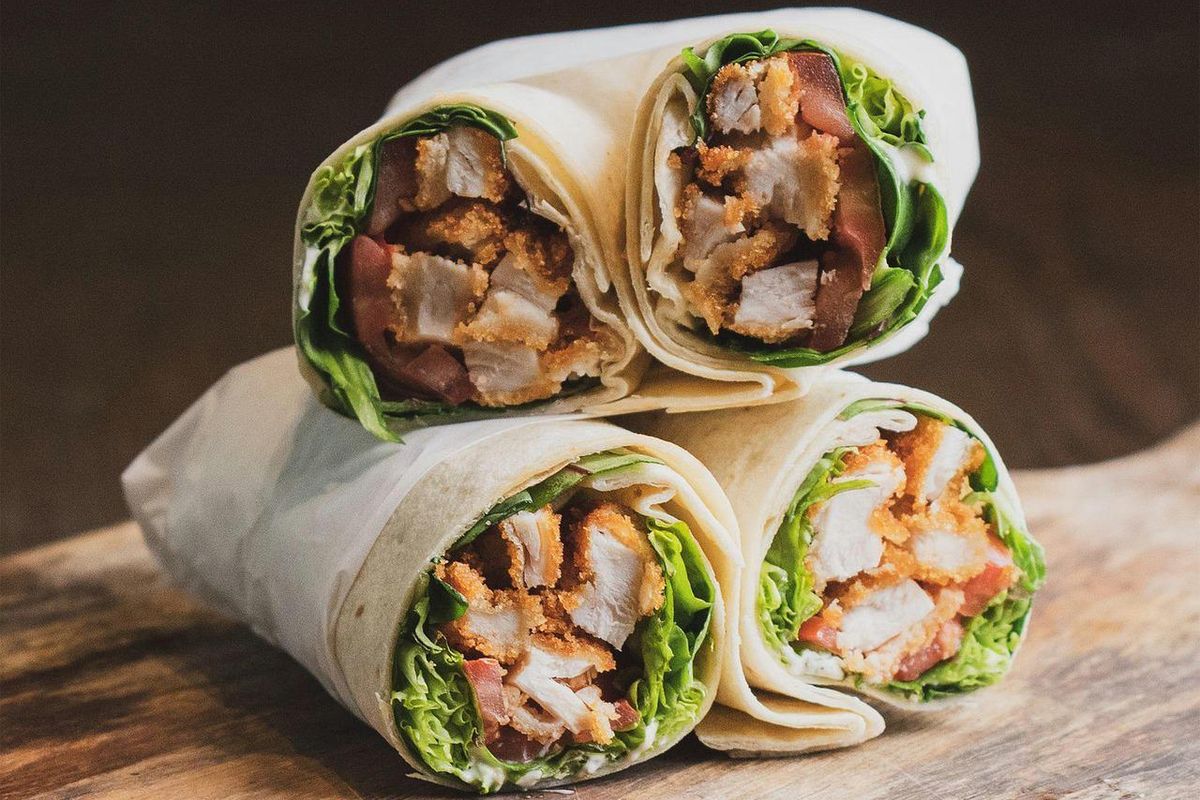
risingtideproject.org – Shawarma adalah salah satu hidangan kebab paling terkenal di Timur Tengah, terkenal dengan daging yang empuk, bumbu rempah yang kaya, dan rasa yang menggugah selera. Jika Anda ingin mencoba membuatnya di rumah, berikut adalah resep Shawarma Klasik yang mudah dan lezat.

Bahan-Bahan:

  • 500 gram dada ayam atau daging sapi (potong tipis)
  • 3 sendok makan yogurt plain
  • 2 sendok makan minyak zaitun
  • 2 siung bawang putih (cincang halus)
  • 1 sendok teh jintan bubuk
  • 1 sendok teh paprika bubuk
  • 1 sendok teh garam
  • 1/2 sendok teh merica hitam
  • 1 sendok teh kunyit bubuk
  • 1 sendok makan air jeruk lemon
  • Pita bread atau roti tortilla
  • Sayuran segar (selada, tomat, timun, bawang merah)
  • Saus tahini atau saus yogurt (opsional)

Cara Membuat:

  1. Marinasi Daging:
    Dalam mangkuk, campurkan yogurt, minyak zaitun, bawang putih, jintan, paprika, garam, merica, kunyit, dan air jeruk lemon. Aduk rata hingga bumbu tercampur sempurna. Masukkan potongan daging ayam atau sapi ke dalam mangkuk, aduk rata, dan diamkan di lemari es selama 1-2 jam agar bumbu meresap.
  2. Masak Daging:
    Panaskan sedikit minyak dalam wajan atau grill pan. Masak daging hingga matang sempurna dan berwarna kecoklatan, sekitar 4-5 menit per sisi. Pastikan daging empuk dan juicy.
  3. Siapkan Shawarma:
    Ambil pita bread atau roti tortilla, letakkan potongan daging yang sudah dimasak di tengah roti. Tambahkan sayuran segar seperti selada, tomat, timun, dan bawang merah.
  4. Sajikan:
    Jika suka, tambahkan saus tahini atau saus yogurt di atasnya. Lipat roti dan shawarma siap dinikmati.

Shawarma klasik ini memberikan rasa autentik kebab Timur Tengah yang gurih dan lezat. Sajikan sebagai makan siang atau makan malam yang nikmat bersama keluarga atau teman!

Nikmati Keindahan Luqaimat: Camilan Manis Khas Timur Tengah untuk Berbuka Puasa

risingtideproject.org – Luqaimat adalah camilan manis khas Timur Tengah yang populer, terutama saat bulan Ramadan. Camilan ini sangat cocok disajikan saat berbuka puasa karena memiliki tekstur yang renyah di luar dan lembut di dalam, serta disiram dengan madu manis. Berikut adalah resep sederhana untuk membuat Luqaimat di rumah.

Bahan-Bahan:

  • 200 gram tepung terigu
  • 1 sendok teh ragi instan
  • 1 sendok makan gula pasir
  • 1/2 sendok teh garam
  • 150 ml air hangat
  • 1 sendok makan susu bubuk
  • 1 sendok teh vanili
  • Minyak untuk menggoreng
  • 200 gram madu
  • Kacang mede cincang atau wijen (opsional)

Cara Membuat Luqaimat:

  1. Siapkan Adonan: Campurkan tepung terigu, ragi, gula, susu bubuk, garam, dan vanili. Tambahkan air sedikit-sedikit hingga adonan menjadi halus dan elastis sehingga akan lebih mudah untuk di aduk. Setelah itu diamkan adonan selama 1 jam agar mengembang.
  2. Bentuk Bola-Bola: Setelah adonan mengembang, ambil sedikit adonan dan bentuk bola kecil (sekitar 2-3 cm).
  3. Goreng Luqaimat: Panaskan minyak dalam wajan. Goreng bola-bola adonan hingga keemasan dan renyah, kemudian angkat dan tiriskan.
  4. Sirami dengan Madu: Panaskan madu dan siramkan ke bola-bola Luqaimat yang masih panas.
  5. Taburan (Opsional): Taburkan kacang mede atau wijen untuk tambahan rasa.

Nikmati Luqaimat

Luqaimat siap disajikan! Camilan ini sempurna untuk berbuka puasa bersama teman temanmu dengan rasa manis dari madu dan tekstur yang enak. Selamat mencoba!


Resep Majboos Seafood: Kreasi Nasi Rempah dengan Campuran Laut yang Memikat

risingtideproject.org – Majboos Seafood adalah salah satu variasi dari hidangan nasi rempah khas Timur Tengah yang menghadirkan rasa laut yang segar dengan bumbu-bumbu rempah yang kaya. Dengan menggunakan beragam hasil laut seperti udang, cumi, dan kerang, ditambah dengan rempah-rempah khas Timur Tengah, Majboos seafood menjadi pilihan sempurna untuk menikmati cita rasa laut yang menggugah selera. Hidangan ini cocok disajikan pada acara spesial atau untuk makan malam bersama keluarga.

Bahan-Bahan yang Diperlukan

Untuk membuat Majboos seafood yang lezat, Anda memerlukan beberapa bahan utama berikut:

Bahan Utama:

  • 500 gram seafood campuran (udang, cumi, kerang)
  • 2 gelas beras basmati (cuci bersih)
  • 1 buah bawang bombay (cincang halus)
  • 3 siung bawang putih (cincang halus)
  • 2 buah tomat (cincang halus)
  • 1 sendok makan minyak samin atau minyak sayur

Bumbu Rempah:

  • 1 sendok teh jintan bubuk
  • 1 sendok teh kayu manis bubuk
  • 1 sendok teh kari bubuk
  • 1 sendok teh kunyit bubuk
  • 1 sendok teh kapulaga (biji yang dihancurkan)
  • 2 sendok teh garam (atau sesuai selera)
  • 1 sendok teh lada hitam
  • 2 batang daun salam

Bahan Tambahan:

  • 4 cangkir air (untuk memasak nasi)
  • 1 sendok teh air jeruk nipis
  • 1/2 cangkir kismis (untuk garnish)
  • 1/4 cangkir almond panggang (untuk garnish)
  • Daun ketumbar atau parsley (untuk taburan)

Langkah-Langkah Membuat Majboos Seafood

1. Menyiapkan Bahan dan Daging Laut

Jika Anda menggunakan seafood segar, pastikan untuk membersihkan dan memotong bahan-bahan laut seperti udang, cumi, dan kerang. Rebus sebentar untuk menghilangkan kotoran dan agar lebih empuk. Tiriskan dan sisihkan.

2. Menumis Bumbu

Panaskan minyak samin atau minyak sayur dalam wajan besar. Tumis bawang bombay hingga harum dan berwarna keemasan. Setelah itu, masukkan bawang putih dan tomat cincang. Masak hingga tomat melunak dan mengeluarkan jusnya. Tambahkan bumbu rempah seperti jintan, kayu manis, kari, kunyit, kapulaga, garam, dan lada hitam. Aduk rata dan biarkan bumbu menyatu.

3. Memasak Seafood

Masukkan seafood yang sudah disiapkan ke dalam wajan bersama bumbu yang sudah ditumis. Masak selama beberapa menit hingga seafood setengah matang dan tercampur rata dengan bumbu.

4. Memasak Nasi

Setelah seafood tercampur dengan bumbu, masukkan beras basmati yang sudah dicuci bersih ke dalam wajan. Aduk rata agar beras terbalut bumbu. Tambahkan air dan daun salam, lalu masak hingga air mendidih. Kecilkan api, tutup wajan, dan biarkan nasi matang selama 20-25 menit hingga nasi matang sempurna dan air terserap.

5. Penyelesaian dan Penyajian

Setelah nasi matang, angkat wajan dan diamkan selama beberapa menit. Tambahkan air jeruk nipis untuk memberikan rasa segar pada nasi. Sajikan Majboos seafood di piring saji dan taburi dengan kismis, almond panggang, dan daun ketumbar untuk garnish. Hidangan ini siap dinikmati!

Keistimewaan Majboos Seafood

Majboos seafood menawarkan keistimewaan tersendiri berkat perpaduan rasa laut yang segar dengan bumbu rempah yang kaya. Rempah-rempah seperti jintan, kayu manis, kari, dan kunyit memberikan aroma yang menggugah selera dan rasa yang mendalam pada nasi. Selain itu, seafood yang digunakan memberikan tekstur dan rasa yang lezat, menjadikannya pilihan sempurna bagi pecinta makanan laut.

Tidak hanya lezat, Majboos seafood juga kaya akan manfaat gizi. Seafood merupakan sumber protein yang baik, sementara rempah-rempah dalam hidangan ini kaya akan antioksidan dan memiliki manfaat kesehatan, seperti membantu pencernaan dan meningkatkan sistem kekebalan tubuh.

Tips Membuat Majboos Seafood yang Sempurna

  • Pilih Seafood Segar: Pastikan untuk menggunakan seafood yang segar agar mendapatkan rasa terbaik.
  • Variasi Bumbu: Anda bisa menambahkan bumbu lainnya, seperti cabai jika ingin hidangan lebih pedas.
  • Sayuran: Untuk variasi, Anda bisa menambahkan sayuran seperti wortel atau kacang polong untuk menambah warna dan tekstur pada hidangan.

Majboos seafood adalah hidangan yang kaya rasa dan sangat memikat. Dengan resep yang mudah diikuti ini, Anda bisa menikmati hidangan Timur Tengah yang istimewa ini di rumah. Selamat mencoba dan nikmati!

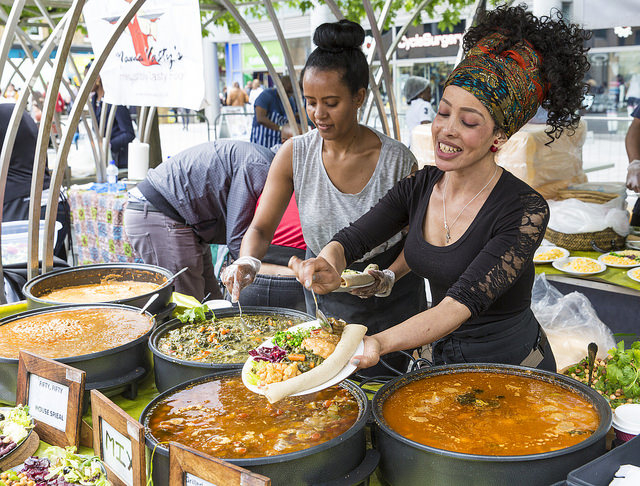
Fufu and Soup: A West African Culinary Harmony

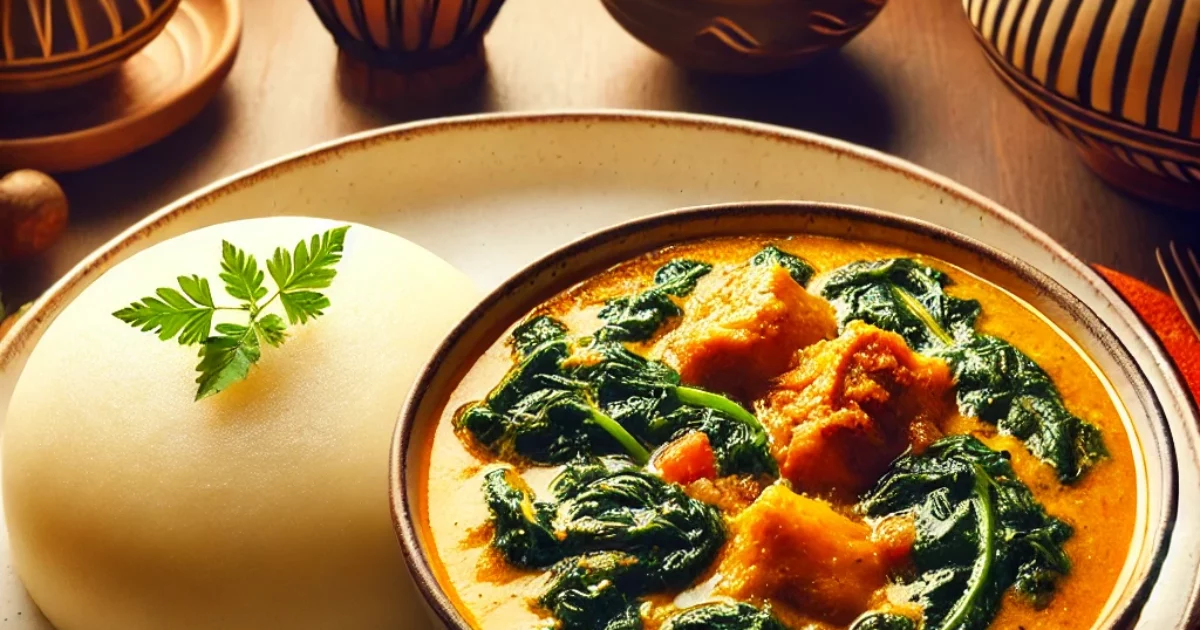
risingtideproject.org – Fufu, a starchy, dough-like food made from pounded starchy root vegetables or plantains, is a staple across West and Central Africa. It’s rarely eaten on its own; instead, it’s almost always paired with a flavorful soup or stew, creating a complete and satisfying meal. This article delves into the world of fufu and soup, exploring the different types of fufu, the diverse soups they accompany, and the cultural significance of this iconic West African pairing.   

The Foundation: Varieties of Fufu

Fufu’s base ingredient varies regionally, leading to different textures and subtle flavor nuances. The most common types of fufu include:

  • Cassava Fufu: Made from fermented cassava (yuca) that is pounded into a smooth, elastic dough. This is one of the most prevalent forms of fufu, particularly in Nigeria and other parts of West Africa.   
  • Yam Fufu (Pounded Yam or Iyan): Made from boiled yams that are pounded until they form a smooth, stretchy dough. This type of fufu is particularly popular in Nigeria and Ghana.   
  • Plantain Fufu: Made from ripe or unripe plantains that are boiled and pounded. This type of fufu can have a slightly sweeter taste depending on the ripeness of the plantains.
  • Cocoyam Fufu: Made from cocoyams (taro root) that are boiled and pounded. This type of fufu has a slightly stickier texture.   
  • Semolina/Cornmeal Fufu: In some regions, fufu is made from semolina or cornmeal cooked into a thick porridge and then stirred vigorously until it develops a smooth, dough-like consistency. This is a quicker alternative to the traditional pounding methods.

The Perfect Partner: A World of Soups

The true magic of fufu lies in its pairing with a wide variety of flavorful soups. These soups are often rich in protein, vegetables, and spices, creating a balanced and nutritious meal. Some popular soup pairings include:

  • Groundnut (Peanut) Soup: A rich and creamy soup made with ground peanuts, vegetables (like tomatoes, onions, and peppers), and often meat or fish. This soup has a nutty flavor and a thick consistency, making it a perfect complement to fufu.
  • Palm Nut Soup (Banga Soup): Made from palm fruit pulp, this soup has a distinctive reddish-orange color and a rich, earthy flavor. It often contains meat, fish, or seafood and is seasoned with spices like pepper, onions, and sometimes scent leaves.   
  • Light Soup: A lighter, broth-based soup made with tomatoes, peppers, onions, and spices. It can contain meat, fish, or chicken and is often served with fufu for a less heavy meal.   
  • Egusi Soup: Made with ground melon seeds, leafy greens, and often meat or fish. This soup has a unique texture and a nutty flavor that pairs well with fufu.   
  • Okra Soup: Made with okra, tomatoes, onions, peppers, and spices. This soup has a slightly slimy texture, which some people find appealing, and is a good source of fiber.
  • Pepper Soup: A spicy, broth-based soup made with a variety of peppers, spices, and often meat, fish, or chicken. This soup is known for its intense heat and is often enjoyed as a remedy for colds or flu.   

Preparing Fufu: Traditional Pounding and Modern Methods

Traditionally, fufu is made by pounding boiled root vegetables or plantains in a large mortar with a pestle. This is a labor-intensive process that requires skill and strength. The pounding continues until the ingredients form a smooth, elastic dough.   

Today, modern appliances like food processors and blenders are often used to simplify the process. While these methods are quicker, some argue that they don’t produce the same texture as traditional pounding.

Eating Fufu and Soup: A Communal Experience

Fufu is typically eaten by hand. A small portion of fufu is pinched off, rolled into a ball, and then dipped into the soup. The fufu is then swallowed without chewing, allowing the flavors of the soup to be fully appreciated.   

In many West African cultures, eating fufu and soup is a communal experience, often shared from a central bowl. This fosters a sense of togetherness and strengthens social bonds.

Nutritional Value: A Balanced Meal

Fufu and soup can provide a balanced and nutritious meal, depending on the ingredients used.

  • Carbohydrates: Fufu provides carbohydrates, which are the body’s primary source of energy.   
  • Protein: The meat, fish, or other protein sources in the soup provide essential amino acids.
  • Vitamins and Minerals: The vegetables and other ingredients in the soup contribute vitamins and minerals.
  • Fiber: The vegetables and some types of fufu (like plantain fufu) provide fiber, which aids digestion.   

Cultural Significance: More Than Just Food

Fufu and soup are more than just a meal; they are a cultural symbol in West Africa. They are often served at social gatherings, ceremonies, and celebrations, playing an important role in social and cultural life. The preparation and sharing of fufu and soup are often passed down through generations, preserving cultural traditions and family recipes.

Conclusion: A Culinary Treasure

Fufu and soup represent a culinary treasure of West Africa, showcasing the region’s rich culinary heritage and diverse flavors. The combination of the starchy fufu and the flavorful soup creates a satisfying and nutritious meal that is enjoyed by millions. From the traditional pounding methods to the modern adaptations, fufu and soup continue to be a beloved staple, bringing people together and embodying the spirit of West African cuisine.

Makanan Enak di Boyolali: 5 Sajian Khas yang Menggugah Selera

risingtideproject.org – Boyolali, sebuah kota di Jawa Tengah yang terkenal dengan keindahan alam dan sejuknya udara, juga menyimpan beragam kuliner khas yang wajib dicoba. Setiap sajian di Boyolali memiliki cita rasa yang autentik, kaya rempah, dan tentu saja sangat menggugah selera. Dari hidangan berbahan dasar daging, nasi, hingga camilan tradisional, Boyolali menawarkan pengalaman kuliner yang tidak akan terlupakan. Berikut adalah 5 sajian khas Boyolali yang dijamin akan memanjakan lidahmu!

1. Sate Kelinci Boyolali

Sate kelinci merupakan salah satu sajian paling terkenal dan legendaris di Boyolali. Daging kelinci yang empuk dipanggang dengan sempurna, lalu disajikan dengan bumbu kacang yang kaya akan rempah. Bumbu kacang yang gurih dan sedikit pedas membuat sate kelinci ini begitu istimewa. Selain itu, sate kelinci Boyolali juga terkenal dengan rasa manisnya yang pas, menjadikannya hidangan yang banyak dicari oleh wisatawan.

  • Kenikmatan: Daging kelinci yang empuk dan gurih, dibalut dengan bumbu kacang yang kaya rasa, memberikan sensasi yang berbeda dari sate pada umumnya.
  • Lokasi Populer: Sate Kelinci Pak Slamet adalah tempat yang sangat terkenal di Boyolali yang selalu ramai pengunjung.

2. Nasi Liwet Boyolali

Nasi liwet Boyolali adalah makanan yang sangat khas dan sering dijadikan pilihan utama dalam berbagai acara tradisional. Nasi yang dimasak dengan santan, daun salam, dan rempah-rempah ini menghasilkan rasa gurih yang lezat. Biasanya, nasi liwet disajikan dengan lauk pauk seperti ayam goreng, telur pindang, sambal, dan sayur. Rasa nasi liwet Boyolali yang gurih, dipadukan dengan lauk yang kaya rasa, membuat hidangan ini selalu dicari.

  • Kenikmatan: Nasi yang lembut dan gurih, disajikan dengan ayam goreng yang renyah, sambal pedas, serta telur pindang yang nikmat.
  • Lokasi Populer: Nasi Liwet Bu Sumi adalah salah satu tempat terkenal di Boyolali yang menyajikan nasi liwet dengan rasa otentik yang akan membuatmu ketagihan.

3. Tahu Kupat Boyolali

Tahu kupat adalah makanan sederhana yang sangat mengenyangkan dan menyegarkan. Hidangan ini terdiri dari tahu goreng yang dipadukan dengan ketupat, lalu disiram dengan kuah kacang yang kental, manis, dan pedas. Kerupuk sering kali menjadi pelengkap yang menambah kerenyahan. Tahu kupat sangat cocok sebagai sajian makan siang atau camilan sore yang nikmat.

  • Kenikmatan: Kuah kacang yang gurih dan pedas berpadu dengan tahu yang renyah dan ketupat yang kenyal, memberikan rasa yang pas untuk menemani waktu santai.
  • Lokasi Populer: Tahu Kupat Bu Kris adalah tempat terkenal yang selalu ramai pengunjung yang ingin menikmati tahu kupat khas Boyolali.

4. Sate Sapi Boyolali

Selain sate kelinci, Boyolali juga terkenal dengan sate sapi yang lezat. Daging sapi yang digunakan dipilih dari sapi berkualitas, lalu dipanggang dengan bumbu kacang atau kecap manis. Sate sapi Boyolali memiliki cita rasa yang khas, dengan bumbu yang gurih dan sedikit manis dari kecap, menjadikannya sajian yang selalu dicari oleh para pecinta sate.

  • Kenikmatan: Daging sapi yang empuk dan juicy, dipadukan dengan bumbu kecap manis dan sambal kacang yang menggugah selera.
  • Lokasi Populer: Sate Sapi Boyolali Pak Iskak menjadi tempat legendaris yang dikenal menyajikan sate sapi dengan cita rasa yang otentik.

5. Wedang Ronde Boyolali

Untuk menutup perjalanan kuliner kamu di Boyolali, jangan lewatkan wedang ronde. Minuman hangat ini terbuat dari bola ketan yang kenyal dan diisi dengan kacang tanah, disiram dengan kuah jahe manis yang memberikan rasa hangat dan sedikit pedas. Wedang ronde sangat populer di malam hari, karena memberikan sensasi kehangatan yang cocok dengan cuaca dingin di Boyolali.

  • Kenikmatan: Kuah jahe yang pedas dan manis, berpadu dengan bola ketan kenyal yang berisi kacang tanah, memberikan rasa yang menyegarkan dan menghangatkan.
  • Lokasi Populer: Wedang Ronde Pak Suyitno adalah tempat yang terkenal di Boyolali untuk menikmati wedang ronde yang nikmat dan menghangatkan tubuh.

Kesimpulan

Boyolali adalah surga kuliner yang penuh dengan sajian khas yang menggugah selera. Dari sate kelinci yang empuk, nasi liwet yang gurih, hingga wedang ronde yang hangat, setiap hidangan memiliki cita rasa yang otentik dan tak terlupakan. Jika kamu berkunjung ke Boyolali, pastikan untuk mencoba kelima sajian khas ini agar pengalaman kuliner kamu semakin lengkap.

Dengan berbagai pilihan makanan enak di Boyolali, perjalanan kulinermu akan semakin berkesan. Jangan lupa ajak teman atau keluarga untuk menikmati kelezatan kuliner Boyolali yang selalu berhasil memanjakan lidah.

The Tropical Delight: A Comprehensive Look at Mangoes

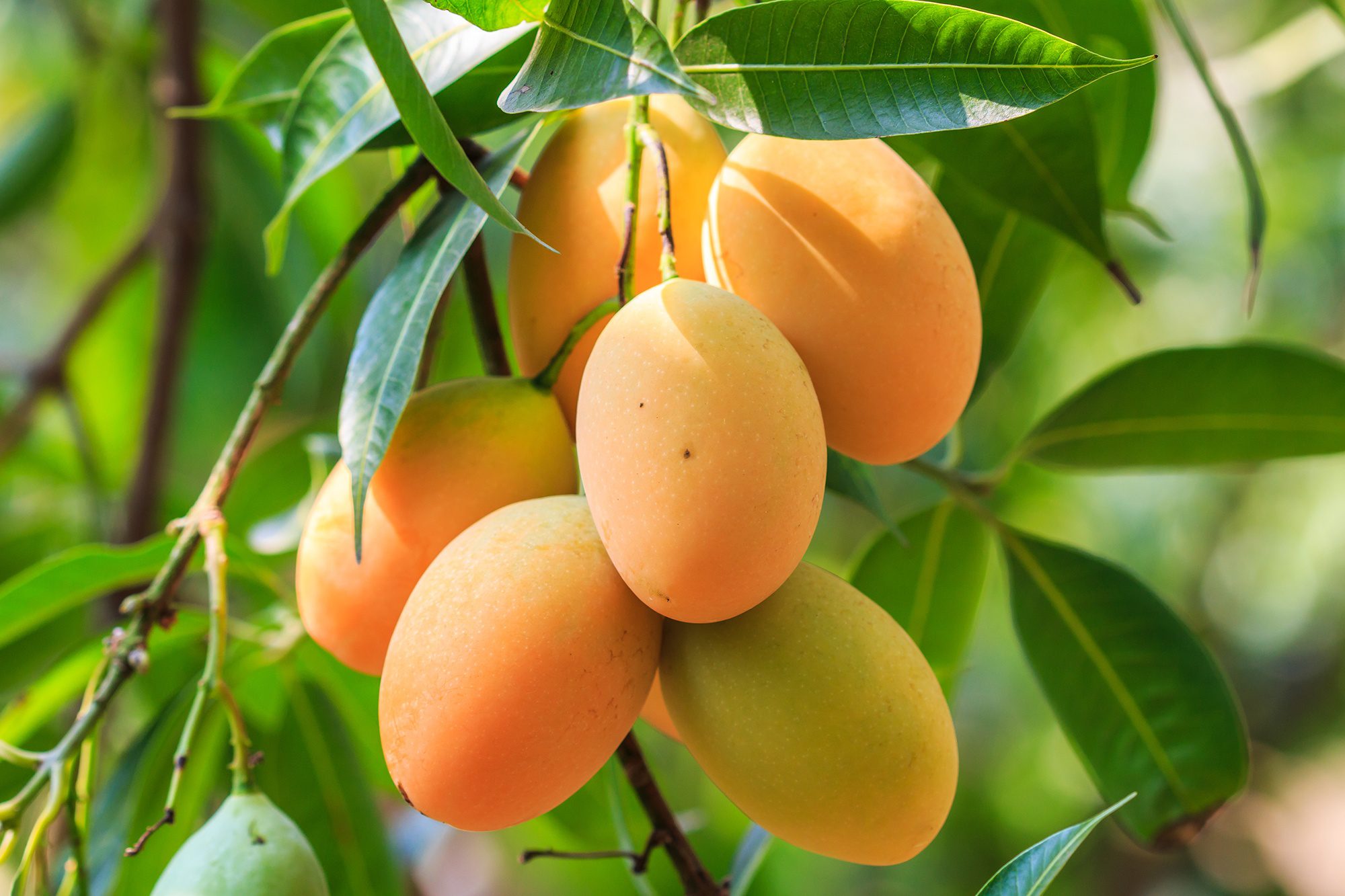
risingtideproject.org – Mangoes, with their vibrant color and sweet, juicy flesh, are one of the most popular fruits worldwide. These tropical delights are not only delicious but also packed with essential vitamins, minerals, and antioxidants. From their culinary uses to their health benefits, mangoes have earned their place as a beloved fruit.

A Brief History

Mangoes are believed to have originated in South Asia, particularly in India and Myanmar. They have been cultivated in the region for thousands of years, and their cultivation spread to other tropical regions through trade and colonization. Today, mangoes are grown in many tropical and subtropical countries, including India, Thailand, Philippines, Brazil, Mexico, and the United States.

Nutritional Benefits

Mangoes are a nutritional powerhouse, offering a range of health benefits:

  • Vitamin C: Mangoes are an excellent source of vitamin C, which is essential for immune function and skin health.
  • Vitamin A: Mangoes are a good source of vitamin A, which is important for vision and overall health.
  • Potassium: Potassium is essential for maintaining healthy blood pressure.
  • Fiber: Mangoes are a good source of fiber, which aids in digestion and promotes satiety.
  • Antioxidants: The antioxidants in mangoes help protect cells from damage caused by free radicals.

Culinary Uses

Mangoes are a versatile ingredient that can be used in a variety of dishes:

  • Fresh: Mangoes can be eaten fresh, peeled, and sliced.
  • Smoothies: Mangoes are a popular ingredient in smoothies, adding sweetness and a tropical flavor.
  • Desserts: Mangoes can be used to make ice cream, sorbets, pies, and other desserts.
  • Salads: Mangoes can add a burst of sweetness and color to salads.
  • Sauces and Chutneys: Mangoes can be used to make chutneys, salsas, and other sauces.

Health Benefits

In addition to their nutritional value, mangoes have several health benefits:

  • Digestive Health: The fiber in mangoes can help promote regular bowel movements and prevent constipation.
  • Heart Health: The potassium in mangoes can help reduce blood pressure and lower the risk of heart disease.
  • Skin Health: The vitamin C and antioxidants in mangoes can help protect the skin from damage caused by free radicals.
  • Eye Health: The vitamin A in mangoes is essential for good vision and can help prevent age-related macular degeneration.

Selecting and Storing Mangoes

When selecting mangoes, choose fruits that are firm, heavy for their size, and have a fragrant aroma. Avoid mangoes with blemishes or soft spots. To ripen mangoes, store them at room temperature. Once ripe, store them in the refrigerator to slow down the ripening process.

Conclusion

Mangoes, with their sweet, juicy flavor, vibrant color, and numerous health benefits, are a beloved fruit enjoyed by people of all ages. Whether you’re enjoying them fresh, in a smoothie, or in a delicious dessert, mangoes are sure to satisfy your taste buds and nourish your body.

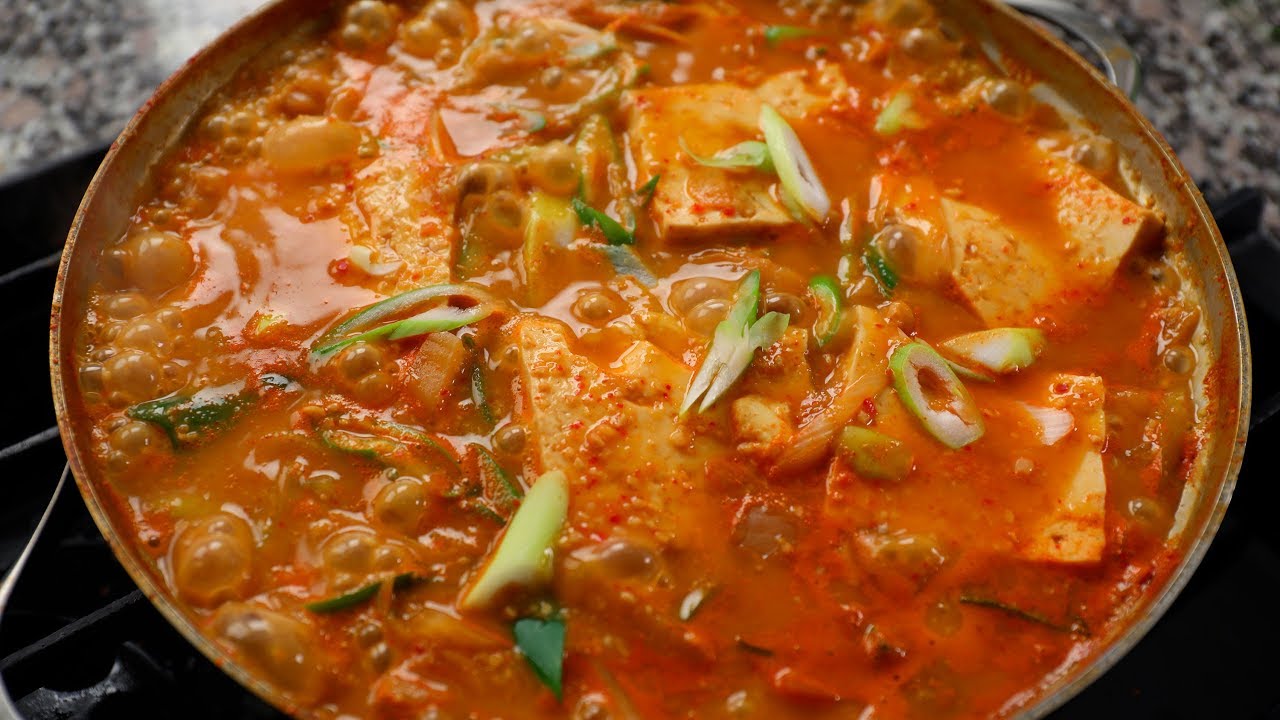
Cheonggukjang: The Depths of Korean Fermented Soybean Stew

risingtideproject.org – Cheonggukjang is a traditional Korean stew known for its robust flavor and distinctive aroma. Made from fermented soybeans, this dish is both a culinary delight and a nutritional powerhouse. While its strong smell might be an acquired taste for some, cheonggukjang is cherished for its depth of flavor and health benefits. In this article, we will delve into the preparation, cultural significance, and unique characteristics of cheonggukjang.

The Unique Nature of Cheonggukjang

Cheonggukjang is often compared to other fermented soybean pastes like doenjang, but it stands out for its shorter fermentation period, which results in a more pronounced flavor and aroma. This stew is traditionally made by boiling soybeans, fermenting them for a few days, and then using the resulting paste as the base for the stew. The fermentation process is responsible for the strong, pungent smell that defines cheonggukjang.

Ingredients and Preparation

Cheonggukjang is a hearty stew that combines simple ingredients to create a complex flavor profile. The main components include:

  • Fermented Soybean Paste: The base of the stew, providing its characteristic taste and aroma.
  • Tofu: Adds a soft texture and absorbs the flavors of the broth.
  • Vegetables: Common additions include cabbage, zucchini, and green onions, which offer freshness and nutrition.
  • Protein: Often features meat like pork or beef, but can also be made vegetarian.
  • Seasonings: Garlic, chili peppers, and sesame oil enhance the flavor of the stew.

To make cheonggukjang, the fermented soybean paste is simmered with water or broth, and the other ingredients are added to the pot. The stew is cooked until the flavors meld together, resulting in a rich and satisfying dish. It is typically served with a bowl of steamed rice and various side dishes.

Cultural Significance

Cheonggukjang holds a special place in Korean culinary tradition. It is valued not only for its bold taste but also for its health benefits. The fermentation process enriches the stew with probiotics, which aid digestion and boost the immune system. Historically, cheonggukjang has been considered a comfort food in Korean households, often enjoyed during the colder months for its warmth and heartiness.

Despite its strong aroma, which can be off-putting to some, cheonggukjang is appreciated by those who enjoy bold flavors and are willing to embrace its unique characteristics. It represents the Korean philosophy of balancing taste and nutrition, making it a beloved dish for generations.

Conclusion

Cheonggukjang is a testament to the rich and diverse world of Korean cuisine. Its distinctive flavor and aroma offer a unique culinary experience that is both challenging and rewarding for the palate. Whether you’re a seasoned fan of Korean fermented foods or curious to try something new, cheonggukjang promises to deliver a taste of tradition and a wealth of health benefits.

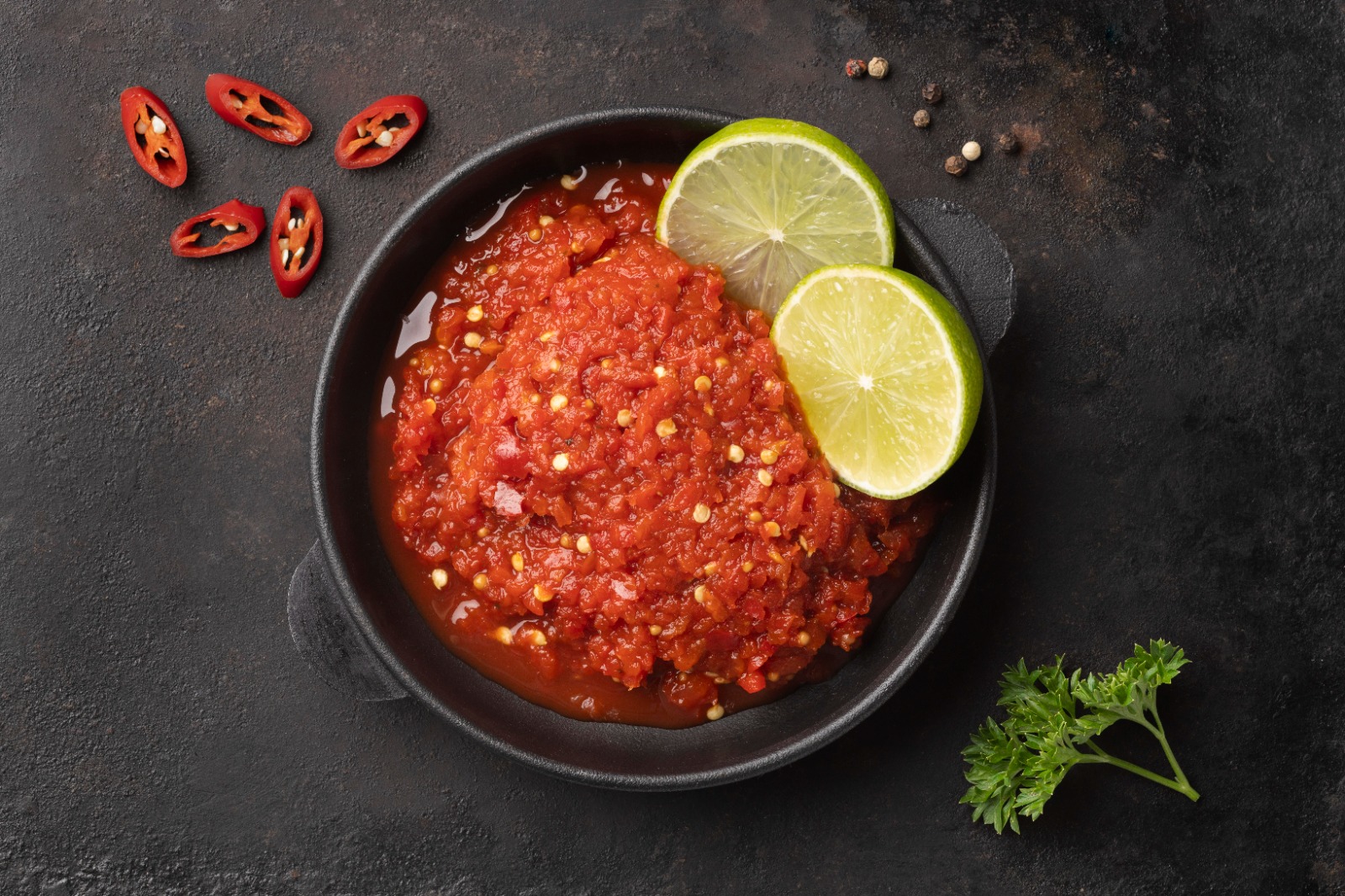
Exploring Sambal: The Fiery Heart of Indonesian Cuisine

risingtideproject.org – Sambal is an essential condiment in Indonesian cuisine, known for its fiery and flavorful kick. This versatile chili paste is a staple in many Southeast Asian households and is used to enhance the taste of a wide variety of dishes. With its bold flavors and varying levels of heat, sambal is beloved by spice enthusiasts and has become a symbol of Indonesia’s rich culinary tradition.

The Cultural Significance of Sambal

In Indonesia, sambal is more than just a condiment; it is a cultural icon that represents the love for bold and spicy flavors. It accompanies almost every meal and is an integral part of the dining experience. The art of making sambal is often passed down through generations, with each family adding their unique twist to the recipe.

Sambal is also a symbol of hospitality, often made fresh to accompany home-cooked meals and shared with guests. It embodies the spirit of Indonesian cuisine, where flavors are celebrated and meals are a communal affair.

Ingredients and Preparation

The basic ingredients of sambal include fresh or dried chilies, salt, and vinegar or lime for acidity. However, the variations are endless, with additional ingredients such as garlic, shallots, shrimp paste, tomatoes, and sugar used to create different flavors and textures.

The preparation of sambal can be as simple or as elaborate as desired. Fresh chilies are typically ground using a mortar and pestle to release their natural oils and enhance the flavor. The resulting paste is then fried or mixed with other ingredients to create a harmonious blend of heat and taste.

Variations of Sambal

There are countless variations of sambal across Indonesia, each with its unique flavor profile. Some popular types include:

  • Sambal Oelek: A simple, raw chili paste made with ground red chilies and salt, often used as a base for other sambals.
  • Sambal Terasi: Made with shrimp paste, this sambal has a rich, umami flavor that pairs well with seafood and grilled dishes.
  • Sambal Matah: A Balinese variant made with raw shallots, lemongrass, and lime, offering a fresh and zesty taste.
  • Sambal Bajak: A cooked sambal with tomatoes and shallots, providing a milder, sweeter flavor.

The Global Appeal of Sambal

Sambal’s bold flavors have captured the attention of spice lovers worldwide. As Indonesian cuisine gains popularity, sambal has become a sought-after condiment in international markets. Its versatility allows it to be used not only in traditional dishes but also as an exciting addition to global cuisines, enhancing everything from stir-fries to sandwiches.

Conclusion

Sambal is a vibrant and integral part of Indonesian culinary culture, offering a fiery burst of flavor that elevates any dish. Its rich history and diverse variations make it a fascinating condiment to explore for both home cooks and professional chefs alike. Whether you prefer it mild or extra spicy, sambal invites you to experience the bold and exciting world of Indonesian cuisine.

A Cultural Culinary Tour: Unique Street Foods Around the Globe

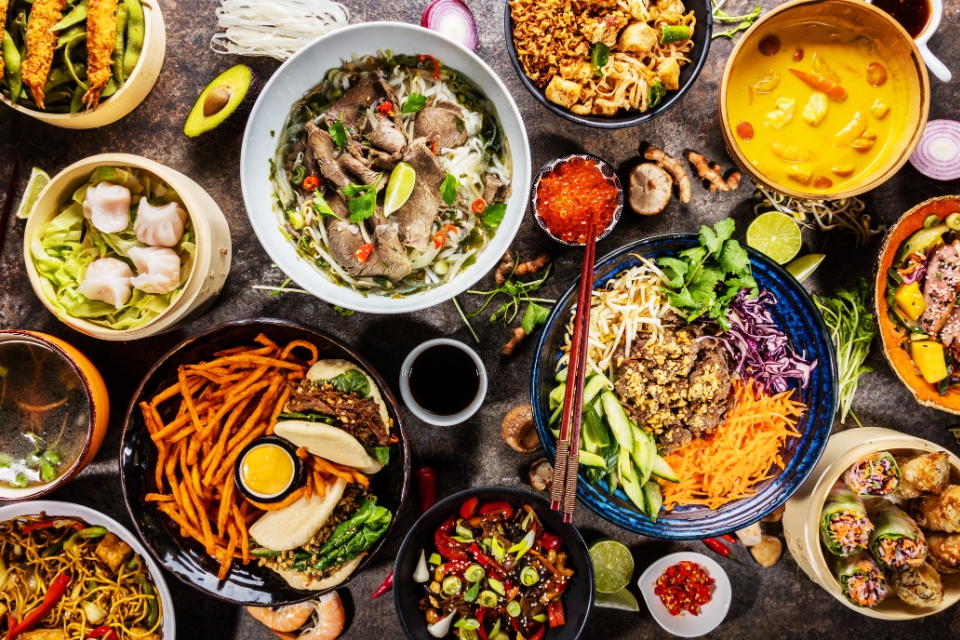
risingtideproject.org – Street food is more than just a quick snack; it’s a window into the soul of a culture. Each country has its own unique street food offerings that reflect its history, traditions, and culinary influences. This article takes you on a cultural culinary tour, exploring some of the most distinctive street foods from around the world, from the bustling streets of Asia to the vibrant markets of Latin America.

Asia: A Mosaic of Flavors

Asia is a treasure trove of street food, with each country offering a unique take on this culinary tradition. In Thailand, you’ll find the iconic Pad Thai, a stir-fried noodle dish packed with flavor, and Mango Sticky Rice, a sweet dessert that perfectly balances the tastes of mango and coconut. Japan offers Takoyaki, delicious balls of dough filled with octopus and topped with a savory sauce, while India’s streets are lined with vendors selling Chaat, a variety of savory snacks that are a symphony of spices and textures.

Latin America: A Fiesta of Flavors

Latin America’s street food scene is a fiesta of flavors, colors, and textures. Mexico’s Tacos al Pastor, with their marinated pork and pineapple, are a must-try, as are the Elotes, grilled corn on the cob slathered in mayonnaise, cheese, and chili powder. In Brazil, you’ll find Acarajé, a deep-fried bean cake filled with shrimp and spices, while Argentina offers Choripán, a sandwich made with chorizo sausage and chimichurri sauce.

Africa: A Rich Tapestry of Tastes

Africa’s street food is as diverse as the continent itself, with each country offering its own unique dishes. In Morocco, the Tangia, a slow-cooked lamb stew, is a popular street food, while Nigeria’s Suya, skewered and grilled meat seasoned with a special peanut sauce, is a flavorful delight. South Africa’s Bunny Chow, a curry served in a hollowed-out loaf of bread, is both hearty and innovative, showcasing the continent’s rich culinary traditions.

Europe: Tradition Meets Innovation

Europe’s street food scene is a blend of tradition and innovation. In Italy, you’ll find Arancini, fried rice balls filled with meat or cheese, and Piadina, a flatbread sandwich filled with a variety of ingredients. Spain offers Churros con Chocolate, fried dough pastries served with a thick hot chocolate, while the UK’s Fish and Chips is a classic street food that has stood the test of time.

North America: A Melting Pot of Flavors

North America’s street food is a melting pot of global influences. In the United States, you’ll find everything from classic Hot Dogs and Philly Cheesesteaks to more exotic offerings like Korean Tacos and Vietnamese Banh Mi sandwiches. Canada’s Poutine, a dish of fries topped with cheese curds and gravy, is a hearty street food that has gained international fame.

Conclusion

Street food is a cultural culinary tour that offers a glimpse into the heart and soul of a destination. From the bustling streets of Asia to the vibrant markets of Latin America, and from the traditional dishes of Europe to the innovative flavors of North America, street food is a testament to the diversity and creativity of global cuisine. Whether you’re a seasoned traveler or a curious foodie, the world’s street food scene is an adventure waiting to be explored, one bite at a time.

The Art of Dining in Palaces: Majestic Meals

risingtideproject.org – Dining in palaces is an experience that transcends the mere act of eating; it is an immersion into a world of opulence, history, and culinary artistry. Palaces, with their grand halls, intricate architecture, and storied pasts, offer a unique setting for meals that are as much about the ambiance as they are about the food. Majestic Meals, as we shall call these dining experiences, are not just about satiating hunger; they are about indulging the senses, engaging the imagination, and connecting with the grandeur of bygone eras.

The Setting: A Feast for the Eyes

The first aspect that sets Majestic Meals apart is the setting. Palaces, with their ornate ceilings, gilded frames, and expansive ballrooms-turned-dining-halls, provide a backdrop that is unparalleled in its beauty and history. The act of dining in such a setting is an experience that elevates the meal from the ordinary to the extraordinary. The grandeur of the surroundings, often adorned with frescoes, crystal chandeliers, and antique furniture, creates an atmosphere of elegance and sophistication that is hard to replicate elsewhere.

The Cuisine: A Symphony of Flavors

The cuisine served during Majestic Meals is often a reflection of the palace’s heritage, with menus that draw on traditional recipes and ingredients that have been enjoyed by royalty and nobility for centuries. The dishes are not only a delight to the palate but also a journey through time, offering diners a taste of the culinary traditions that have shaped the history of the palace. The presentation of the food is equally important, with each dish artfully arranged to complement the majestic setting.

The Service: An Art Form

Service during Majestic Meals is an art form in itself. The staff, often dressed in period attire, are trained to provide an impeccable level of service that is both discreet and attentive. The rituals of dining, from the laying of the table to the serving of each course, are performed with precision and grace, adding to the sense of occasion. The knowledge of the staff about the history of the palace, the provenance of the ingredients, and the stories behind the dishes adds another layer of depth to the dining experience.

The Experience: Beyond the Senses

Dining in palaces is not just about the food and the setting; it is about the entire experience. Many palaces offer guided tours before or after the meal, allowing diners to explore the history and architecture of the building. Some even offer the opportunity to dine in private rooms or gardens, providing an intimate glimpse into the lives of those who once called the palace home. The combination of history, art, and cuisine creates a dining experience that is truly unforgettable.

Conclusion

Majestic Meals represent the pinnacle of dining experiences, where history, art, and culinary excellence come together in a setting that is both grand and intimate. Dining in palaces offers more than just a meal; it offers a journey through time, a connection to the past, and an indulgence in the opulence of bygone eras. Whether it’s a state banquet in a royal palace, a private dinner in a historic castle, or a gala event in a stately home, Majestic Meals are an art form that continues to captivate and inspire.